










Baku. Ayaz Abdulla – APA. The Obama administration is urging a major role for Saudi Arabia in an emerging international effort to stabilize Yemen, said U.S. and European officials involved in the diplomacy, APA reports quoting Wall Street Journal.
In doing so, the White House risks relying on an ally whose interests in Yemen and the Arabian Peninsula don’t always align with Washington’s.
One difference has already arisen: While Riyadh continues a military campaign against insurgents based inside Yemen’s northern border with Saudi Arabia, the U.S. on Wednesday called for political dialogue in the conflict with the rebel group, the Houthis. The U.S. coordinates closely with Saudi Arabia in combating Iranian influence across the Middle East, but U.S. officials say they’ve received no intelligence to back Riyadh’s claims that Iran is arming and funding the Houthi.
Yemen’s government is also conducting military operations against the Houthis, in coordination with Saudi Arabia.
"We believe there is no solely military solution," said Jeffrey Feltman, the State Department’s assistant secretary for Near East affairs, in Senate testimony Wednesday. "We’d like to see a cease-fire."
Yemen is the poorest country in the Arab world and suffers from dwindling oil and water resources. Its government faces insurgencies in the north and south, and the al Qaeda faction based in the country is a threat within Yemen and abroad. The country has a rapidly growing population and an unemployment rate as high as 35%—economic factors that feed discontent and local support for insurgent groups.
The separatist conflicts are sapping the San’a government’s already limited resources. "This Houthi war is accelerating the economic collapse of Yemen," said Christopher Boucek, a Middle East analyst at Washington’s Carnegie Endowment for International Peace.
Officials from the U.S. and Saudi Arabia plan to attend an international conference on Yemen on January 27 in London. The meeting will also include representative from the United Nations, European Union and other key Arab states, such as the United Arab Emirates and Qatar.
In the coming weeks, Washington is seeking to formalize and streamline international assistance to President Ali Abdullah Saleh’s government as a means to cut corruption and financial leakage in Yemen. But Saudi officials say they believe religious foundations and tribal institutions often provide the most effective channels for providing aid to Yemen’s 23 million people.
The U.S. and Saudi Arabia traditionally have pursued divergent strategies in providing economic assistance to developing nations like Yemen. U.S. and Saudi officials say they’ll need to better coordinate their strategies in the months ahead.
"Yemen has to be dealt with in its own way," said a Saudi official. "It’s very tribal…and people need to realize this is how it operates."
Ahead of the London meeting, Mr. Obama’s national security adviser, retired Gen. Jim Jones, visited Saudi Arabia last week and met King Abdullah, as well as Crown Prince Sultan, who oversees Yemen policy for the Saudi government, according to U.S. and Saudi officials. Mr. Jones also saw Saudi Arabia’s top counterterrorism official, Deputy Interior Minister Prince Mohammed bin Nayef, who narrowly escaped an assassination attempt by a Yemen-based al Qaeda operative in August.
U.S. officials say they believe Prince Nayef was targeted by the same al Qaeda affiliate, al Qaeda in the Arabian Peninsula, that allegedly sought to bring down a U.S. airliner on Christmas Day.
Riyadh is by far Yemen’s largest aid donor and has significant influence over President Saleh. Saudi Arabia is also seen as having extensive intelligence on Islamic militants operating inside Yemen. Al Qaeda’s Yemeni cell is headed by a number of Saudi nationals and shares strong tribal ties to Saudi Arabia.
"The Saudis had their own epiphany in 2003 [about al Qaeda]. They have done an extraordinary job of rolling that back," said Daniel Benjamin, the State Departments’ counterterrorism coordinator, in Senate testimony Wednesday.
U.S. military officials responsible for Yemen have requested a doubling of counterterrorism funding for this year, from $67 million to more than $200 million, including funding for new Yemeni arms purchases. U.S. and European officials hope Saudi Arabia and the other Arab states will also play a bigger role in strengthening Yemen’s security services.
U.S. and European officials said the international community in the past has failed to push President Saleh hard enough to pursue economic and political reforms in exchange for financial assistance. At the London conference, they’re hoping the international community can agree to a more coordinated approach on aid and economic reform.
Arab Governments are specifically being asked to consider ways to allow in more Yemeni laborers and to play a bigger role in vocational training for Yemenis.
"The GCC could certainly do more to open their markets to Yemeni labor," said a European official, referring to the Gulf Cooperation Council, which is made up of six leading Persian Gulf states. The Gulf states expelled many Yemeni laborers in 1991 after President Saleh sided with Sadaam Hussein in the first Gulf War.


 Follow us on Telegram
 t.me/apanewsaz
 Follow us on Instagram
 Follow us on TikTok
 Follow us on Facebook
 Follow us on X
Asia
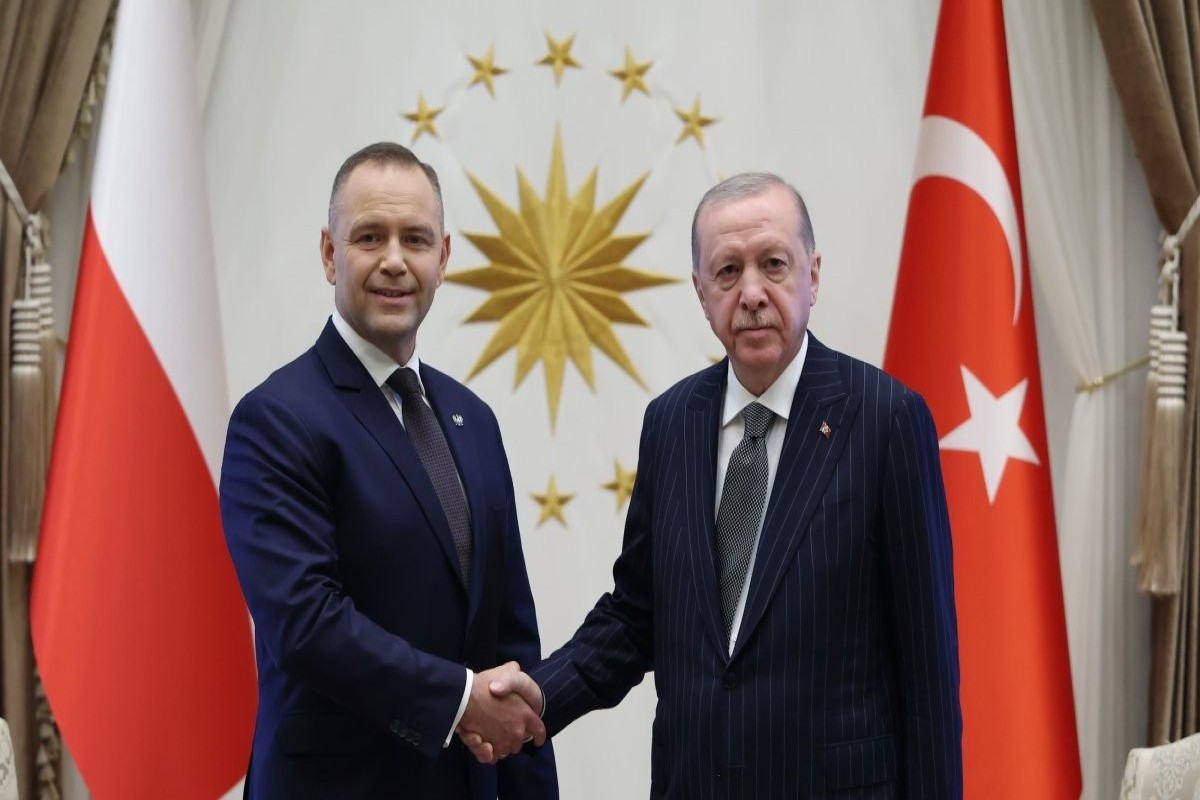
Türkiye, Poland seek closer cooperation on security, defense, EU ties
 23:56
23:56
 23 June 2026
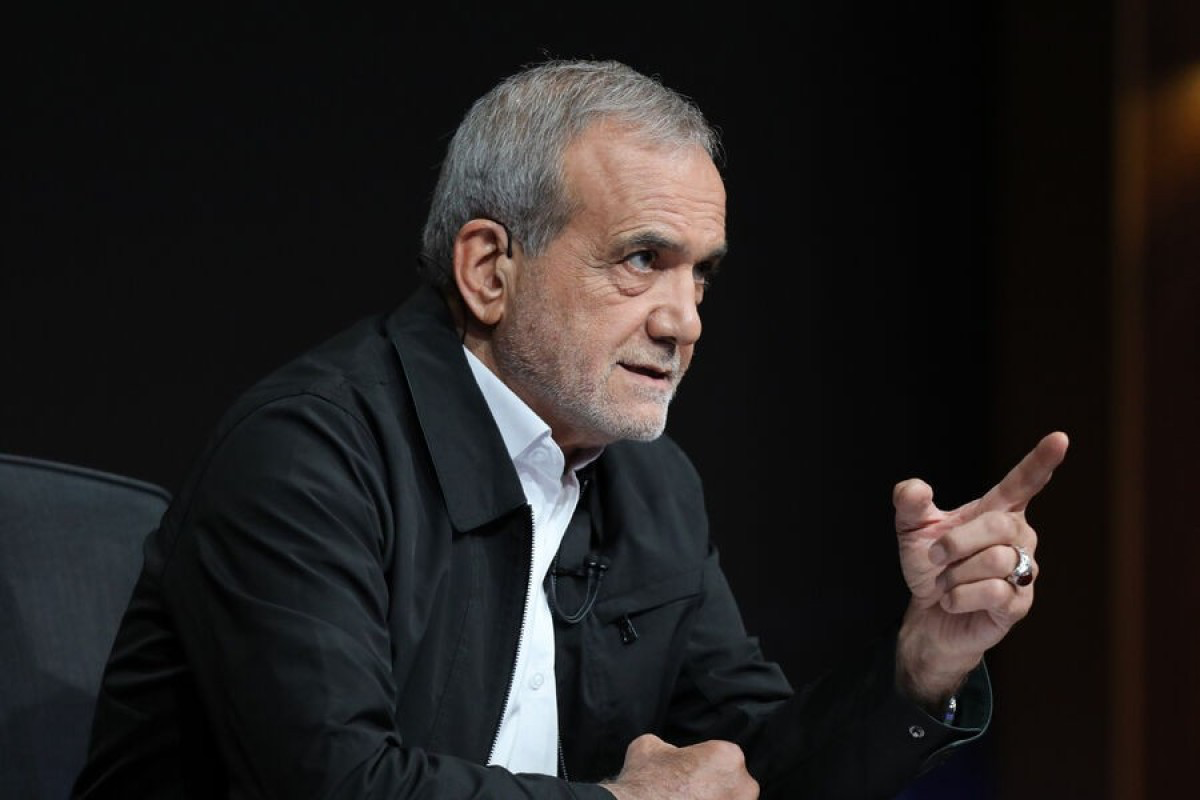
Pezeshkian: Iran's missiles not in US deal, will never be
22:50
23 June 2026
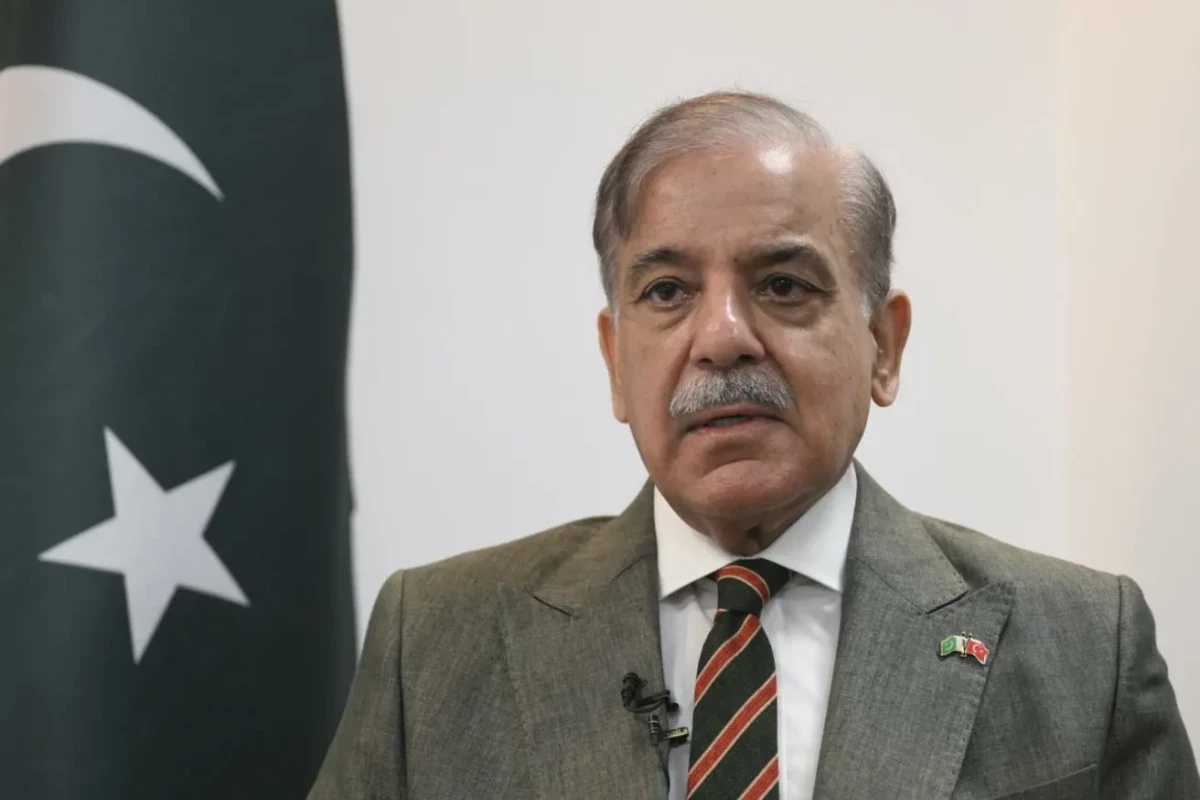
Pakistani Prime Minister: Iran-US memorandum does not mention missile program
22:35
23 June 2026
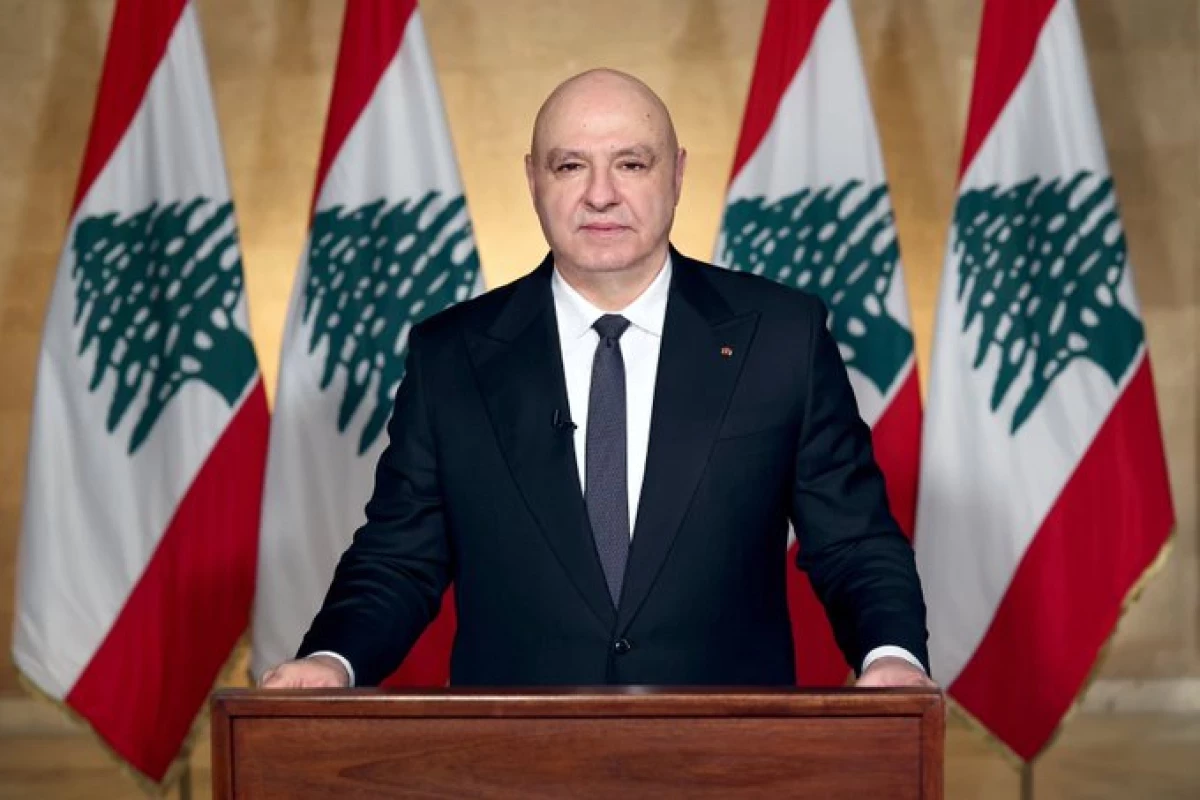
As talks begin, Lebanon’s president says Beirut will accept ‘nothing less’ than IDF withdrawal
18:46
23 June 2026

NEWS FEED
England and Ghana drew in their World Cup match
02:11
24 June 2026
Trump: US needs less than a week to finish job in resuming war with Iran
01:49
24 June 2026
US Senate votes to halt Iran war in latest rebuke of Trump
01:20
24 June 2026
Türkiye, Poland seek closer cooperation on security, defense, EU ties
23:56
23 June 2026
Trump to present trophy at World Cup final, says Infantino
23:33
23 June 2026
Trump believes ceasefire in Lebanon will become reality
23:18
23 June 2026
World Cup: Portugal beats Uzbekistan 5-0 in Group K
23:03
23 June 2026
Pezeshkian: Iran's missiles not in US deal, will never be
22:50
23 June 2026
Pakistani Prime Minister: Iran-US memorandum does not mention missile program
22:35
23 June 2026
Trump: There is no rush to send nuclear inspectors to Iran
22:21
23 June 2026
Rubio explained what the allocation of funds for Iran's reconstruction depends on
22:10
23 June 2026
President Ilham Aliyev’s social media accounts featured video showcasing Serdar Berdimuhamedov‘s visit to Azerbaijan -VIDEO
21:55
23 June 2026
Ronaldo became the first footballer to score in six World Cups
21:41
23 June 2026
Türkiye key to Middle Corridor, connectivity agenda: EU commissioner
21:20
23 June 2026
US Secretary of State calls it illegal for any country to collect tolls for passage through Hormuz
21:05
23 June 2026
Chairman of Shura Council of Oman arrives in Azerbaijan on working visit
20:56
23 June 2026
Armenia hopes borders with Azerbaijan and Türkiye to be opened by 2030
20:35
23 June 2026
Azerbaijan`s Prosecutor General visits Slovakia
20:01
23 June 2026
Appeal court hearing on complaints filed by Arayik Harutyunyan, Arkadi Ghukasyan and others continues-PHOTO
19:38
23 June 2026
Putin: Moscow is ready for talks with Ukraine based on agreements reached in Istanbul
19:01
23 June 2026
27th session of the PUIC General Committee held
18:55
23 June 2026
Speaker of Türkiye's parliament arrives in Azerbaijan
18:51
23 June 2026
As talks begin, Lebanon’s president says Beirut will accept ‘nothing less’ than IDF withdrawal
18:46
23 June 2026
Hakan Fidan meets with Azerbaijani ambassador
18:39
23 June 2026
Iran reopens western part of country’s airspace
18:32
23 June 2026
700 tons of wheat shipped from Russia to Armenia via transit through Azerbaijan-UPDATED-PHOTO
18:30
23 June 2026
Iran announces three-day holiday in Tehran for Ali Khamenei’s funeral
18:21
23 June 2026
Oman and Iran to pursue talks on managing navigation in Strait of Hormuz
18:07
23 June 2026
5th round of Lebanon-Israel talks begins in Washington
18:07
23 June 2026
Azerbaijan, Serbia and Türkiye hold next phase of audiovisual media exchange program in Belgrade
18:05
23 June 2026
Baseless campaign against Albert Agarunov: What is behind the artificial hype?-COMMENTARY
17:53
23 June 2026
Putin: As the situation on the frontline worsens, Kyiv has resorted to attacking civilian targets in Russia
17:53
23 June 2026
Explosion at ammunition depot and disposal facility in Türkiye leaves two dead
17:29
23 June 2026
Ukrainian special forces blow up railway bridge over North Crimean Canal
17:25
23 June 2026
A group of civil servants awarded state honors-ORDER
17:25
23 June 2026
Iran says card-based banking hit by cyberattack on three lenders
17:20
23 June 2026
Syrian leader Ahmed al-Sharaa expected to visit Ankara around NATO summit
17:19
23 June 2026
President Ilham Aliyev shares post about meeting with children in Shusha-VIDEO
17:03
23 June 2026
One killed, four injured after car accident in Berlin
16:37
23 June 2026
Türkiye and Armenia discuss restoration of railway and road links
16:04
23 June 2026
Ursula von der Leyen expected to visit Armenia next week
15:55
23 June 2026
EBRD allocates €230 million for development of the Trans-Caspian Corridor
15:51
23 June 2026
Trump says 19 million barrels of oil exited Strait of Hormuz on Monday
15:49
23 June 2026
Trump says Iran has fully agreed to nuclear inspections
15:41
23 June 2026
European Court of Human Rights finds Russia responsible for torture and killing of Georgian soldiers
15:36
23 June 2026
Kremlin signals readiness for negotiations with Ukraine
15:27
23 June 2026
President of Turkmenistan Serdar Berdimuhamedov concluded state visit to Azerbaijan
15:21
23 June 2026
Garabagh Horse gifted to the President of Turkmenistan
15:21
23 June 2026
Presidents of Azerbaijan and Turkmenistan had lunch together in Shusha
15:16
23 June 2026
Ukraine believes it secured Trump's backing to act 'more boldly' toward Russia
15:12
23 June 2026


