










By Alexander Jackson
Caucasus Update No. 60, Jan. 4, 2010
Caucasian Review of International Affairs (CRIA)
http://www.cria-online.org
The election of President Barack Obama, and the subsequent reshuffle in the US foreign-policy establishment, left the US in search of a Caspian policy in 2009. Philip H Gordon, the new Assistant Secretary of State tasked with overseeing US regional strategy, was Mr. Obama’s senior foreign policy adviser during the election campaign but has been unable to shift the region up the list of the new administration’s priorities.
This is unlikely to change in 2010. The Caspian region will be viewed mostly through two prisms: containing Iran, and the need to supply the intensified war in Afghanistan. Russia is critical for both. Any policies in Eurasia which contradict these strategic priorities will be sidelined.
As in 2009, the US will continue to keep Georgia at arm’s length, a sharp reversal from the ideological Bush era when President Saakashvili’s democratic credentials were eagerly supported in Washington. The issue of Georgian (and Ukrainian) NATO membership has been quietly put aside for now, the inevitable consequence of attempting to reset relations with Russia.
‘Attempting’ is the right word: so far the reset has been largely unsuccessful, with its main accomplishment being a single remark by Russian President Medvedev that sanctions (against Iran) are “sometimes inevitableâ€. His mentor, Prime Minister Vladimir Putin, was far more cynical of the need for further sanctions. Mr Putin has also been harshly dismissive of the US decision to restructure its missile-defence shield in Eastern Europe to allay Russian security concerns. Since Mr Putin remains the real power behind the throne, seizing on President Medvedev’s polite optimism will not bring results in 2010.
Although Russia has been fairly helpful over Afghanistan – providing NATO states with a logistical corridor across its territory to the warzone, and quietly accepting an increased NATO presence in Central Asia – this is because a stable Afghanistan is in Russia’s own national interest. Iran is different. The Kremlin either does not quite understand the implications of a nuclear Iran, or simply does not feel threatened by the possibility.
Whether or not the US can secure Russian help for tough new sanctions against Iran will be a defining moment for President Obama’s long-game foreign policy style. At the moment, the signals are not encouraging. And, in any case, China still needs to be brought on board - a far more challenging task.
This year may be a critical year on Iran: there is only so much longer that the cat-and-mouse game between Tehran and the international community can drag on. Each year that passes without a resolution to the stand-off increases the odds of an Israeli airstrike. In 2010 the most visible difference is the Iran’s rumbling opposition Green Movement. Reports of the Islamic Republic’s imminent demise are greatly exaggerated: there is little indication that the security forces are willing to defy the government, and despite divisions amongst the clerics few are willing to openly side with the demonstrators.
The Green Movement may not seriously affect the country’s showdown with the West in 2010, despite the links that are often made. Whilst the regime remains in control of the security establishment, and whilst even opposition leaders support the nuclear programme, the impact of street protests on foreign policy shouldn’t be overestimated. It is hard to see Iran’s leaders acting any differently towards the international community over the past six months had the opposition not erupted.
The progress of the Iranian nuclear programme will have significant repercussions for Iran’s Eurasian neighbours, particularly Azerbaijan. The acquisition of a nuclear capability by Iran would seriously undermine Azerbaijan’s national security, which has had unenviable relations with its southern neighbour ever since the restoration of independence in 1991.
However, Baku is unwilling to be forced into a choice of joining or rejecting a sanctions regime, particularly if it affects the energy sector, one of Azerbaijan’s priorities in its relationship with Iran. From Baku’s perspective, tighter sanctions could cause instability in Iran, with its 25 million ethnic Azerbaijani population. The effects of wide-scale civil unrest on the Iranian Azerbaijani autonomy movement are unpredictable, but Baku would rather not find out.
US and European attention to the region’s other issues is likely to be patchy. The Nabucco pipeline to Europe made very limited progress in 2009. This was partly down to insufficient unity of effort by the EU, but also due to a failure to fully acknowledge the project’s political dimensions. For instance, there seems to be a continuing inability by the US to recognise that Nabucco’s progress is tightly bound up with the Turkish-Armenian thaw and the effect of this process on Azerbaijan.
This reflects the general strategic drift of US regional policy, which has continually insisted that the normalisation of relations between Ankara and Yerevan is not linked to the Nagorno-Karabakh peace process, which it evidently is. Nabucco cannot succeed without strong, focused US leadership, which is still lacking, despite the presence of Richard Morningstar - a longstanding Caspian expert - as the Special Envoy for Eurasian Energy.
One factor that may refocus minds on the region is Kazakhstan’s chairmanship of the OSCE in 2010. Despite serious concerns about its human-rights record, as the organisation’s first post-Soviet chair Astana has an opportunity to help make real progress on Caspian security. In particular, it will have an opportunity to help create a better atmosphere between Russia and Georgia.
Hopes have been expressed that Astana could perhaps also make progress on Nagorno-Karabakh. Kazakh Foreign Minister Kanat Saudabayev, the OSCE’s new Chairman-in-Office, said in November that Kazakhstan would “actively participate†in the peace process under the auspices of the existing Minsk Group (Trend News, November 30). As a member of the Russian-led Collective Security Treaty Organisation - a military bloc which includes Armenia but not Azerbaijan – but also a strategic partner of Azerbaijan, Kazakhstan may be able to act fraternally, but impartially, towards Baku and Yerevan.
Ultimately, Astana’s influence will be limited by factors outside of its control. The Turkish-Armenian-Azerbaijani triangle, and the relationship between Russia and Georgia, each have their own dynamics. So, most obviously, does Iran’s turbulent situation, internal and external. But they are also influenced by outside trends, predominantly the extent and form of American engagement. In 2010, this will continue to be limited to, and framed by, the two biggest issues facing the Obama Administration: Iran and Afghanistan.


 Follow us on Telegram
 t.me/apanewsaz
 Follow us on Instagram
 Follow us on TikTok
 Follow us on Facebook
 Follow us on X
Asia
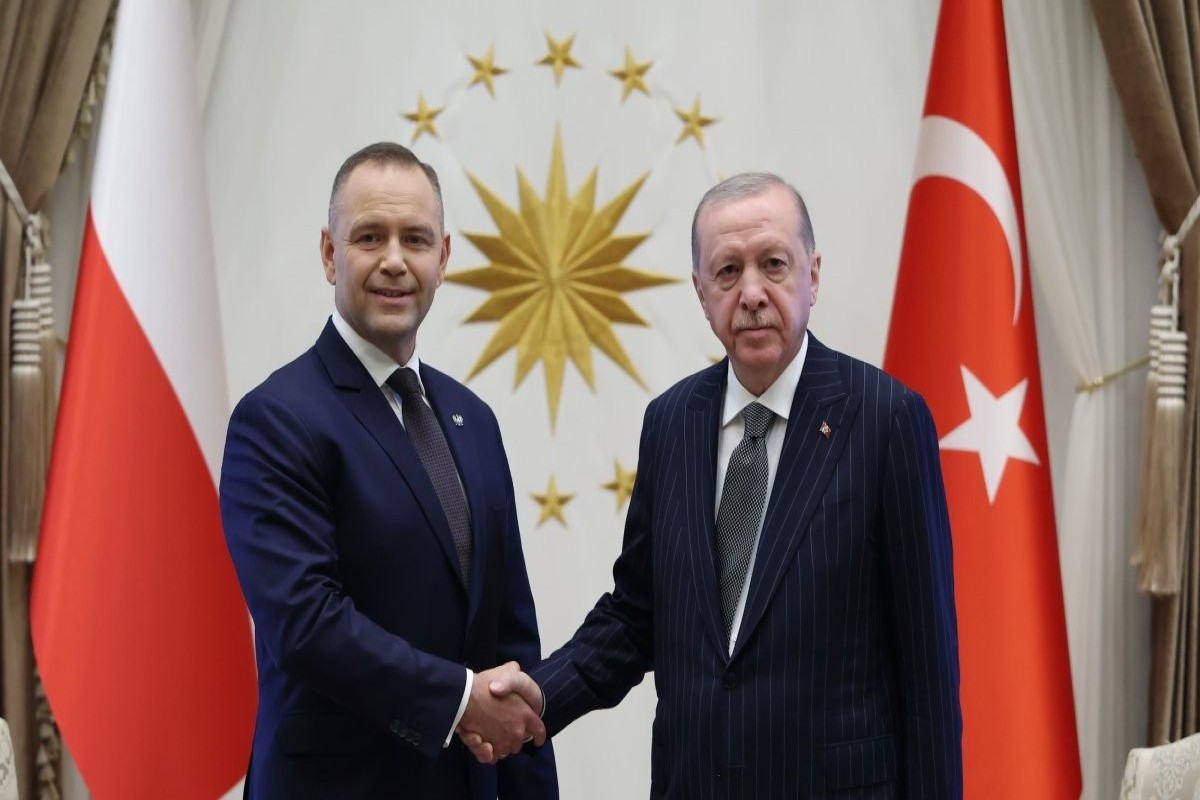
Türkiye, Poland seek closer cooperation on security, defense, EU ties
 23:56
23:56
 23 June 2026
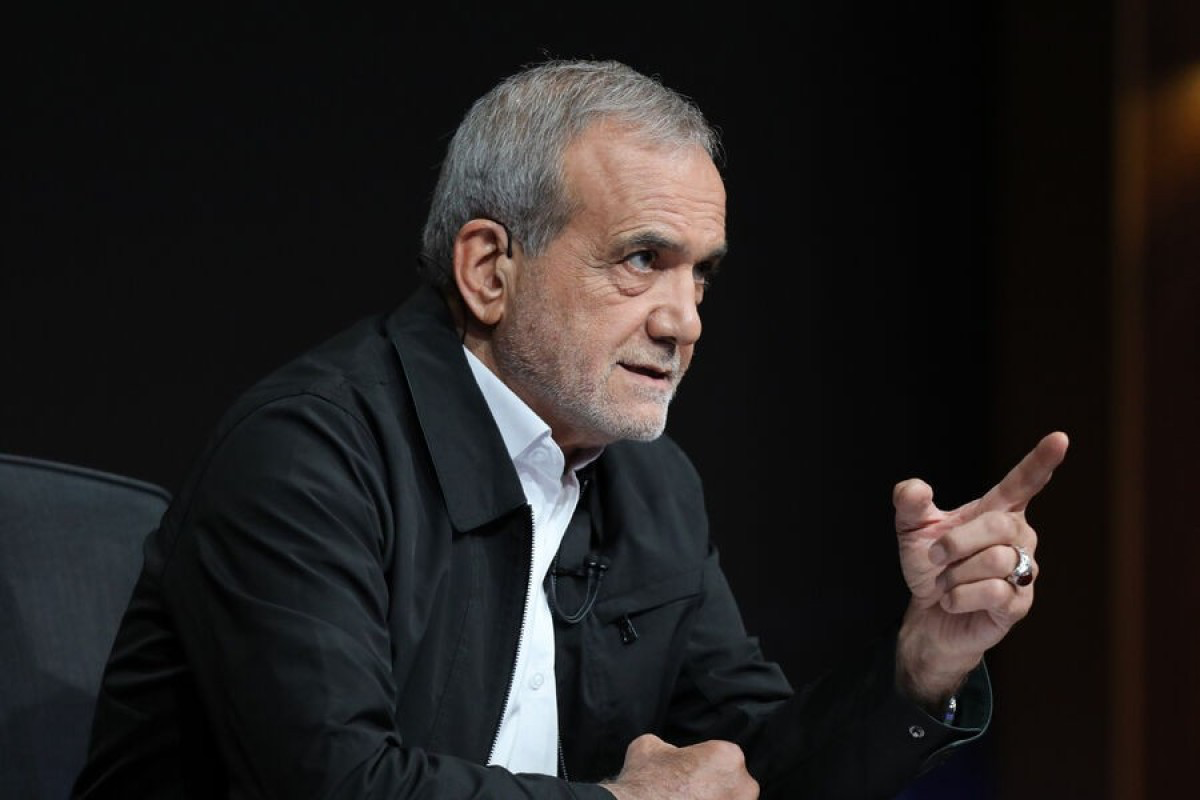
Pezeshkian: Iran's missiles not in US deal, will never be
22:50
23 June 2026
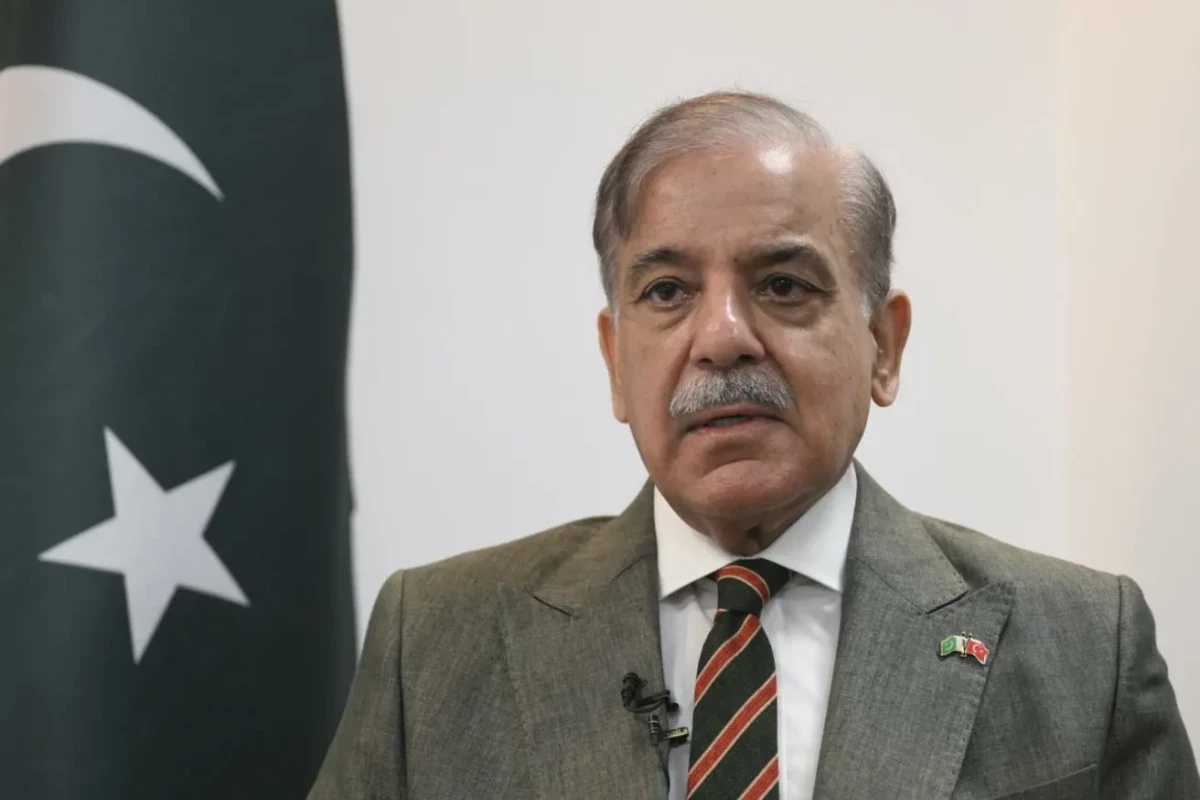
Pakistani Prime Minister: Iran-US memorandum does not mention missile program
22:35
23 June 2026
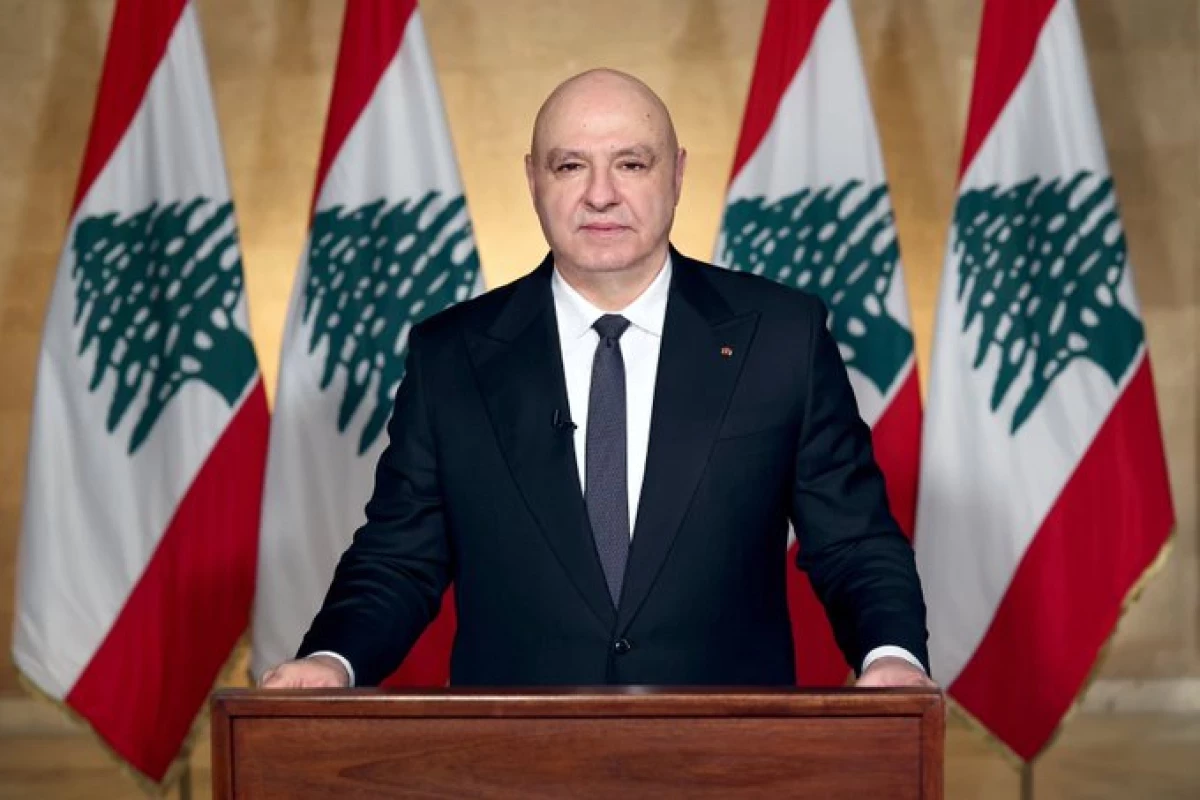
As talks begin, Lebanon’s president says Beirut will accept ‘nothing less’ than IDF withdrawal
18:46
23 June 2026

NEWS FEED
England and Ghana drew in their World Cup match
02:11
24 June 2026
Trump: US needs less than a week to finish job in resuming war with Iran
01:49
24 June 2026
US Senate votes to halt Iran war in latest rebuke of Trump
01:20
24 June 2026
Türkiye, Poland seek closer cooperation on security, defense, EU ties
23:56
23 June 2026
Trump to present trophy at World Cup final, says Infantino
23:33
23 June 2026
Trump believes ceasefire in Lebanon will become reality
23:18
23 June 2026
World Cup: Portugal beats Uzbekistan 5-0 in Group K
23:03
23 June 2026
Pezeshkian: Iran's missiles not in US deal, will never be
22:50
23 June 2026
Pakistani Prime Minister: Iran-US memorandum does not mention missile program
22:35
23 June 2026
Trump: There is no rush to send nuclear inspectors to Iran
22:21
23 June 2026
Rubio explained what the allocation of funds for Iran's reconstruction depends on
22:10
23 June 2026
President Ilham Aliyev’s social media accounts featured video showcasing Serdar Berdimuhamedov‘s visit to Azerbaijan -VIDEO
21:55
23 June 2026
Ronaldo became the first footballer to score in six World Cups
21:41
23 June 2026
Türkiye key to Middle Corridor, connectivity agenda: EU commissioner
21:20
23 June 2026
US Secretary of State calls it illegal for any country to collect tolls for passage through Hormuz
21:05
23 June 2026
Chairman of Shura Council of Oman arrives in Azerbaijan on working visit
20:56
23 June 2026
Armenia hopes borders with Azerbaijan and Türkiye to be opened by 2030
20:35
23 June 2026
Azerbaijan`s Prosecutor General visits Slovakia
20:01
23 June 2026
Appeal court hearing on complaints filed by Arayik Harutyunyan, Arkadi Ghukasyan and others continues-PHOTO
19:38
23 June 2026
Putin: Moscow is ready for talks with Ukraine based on agreements reached in Istanbul
19:01
23 June 2026
27th session of the PUIC General Committee held
18:55
23 June 2026
Speaker of Türkiye's parliament arrives in Azerbaijan
18:51
23 June 2026
As talks begin, Lebanon’s president says Beirut will accept ‘nothing less’ than IDF withdrawal
18:46
23 June 2026
Hakan Fidan meets with Azerbaijani ambassador
18:39
23 June 2026
Iran reopens western part of country’s airspace
18:32
23 June 2026
700 tons of wheat shipped from Russia to Armenia via transit through Azerbaijan-UPDATED-PHOTO
18:30
23 June 2026
Iran announces three-day holiday in Tehran for Ali Khamenei’s funeral
18:21
23 June 2026
Oman and Iran to pursue talks on managing navigation in Strait of Hormuz
18:07
23 June 2026
5th round of Lebanon-Israel talks begins in Washington
18:07
23 June 2026
Azerbaijan, Serbia and Türkiye hold next phase of audiovisual media exchange program in Belgrade
18:05
23 June 2026
Baseless campaign against Albert Agarunov: What is behind the artificial hype?-COMMENTARY
17:53
23 June 2026
Putin: As the situation on the frontline worsens, Kyiv has resorted to attacking civilian targets in Russia
17:53
23 June 2026
Explosion at ammunition depot and disposal facility in Türkiye leaves two dead
17:29
23 June 2026
Ukrainian special forces blow up railway bridge over North Crimean Canal
17:25
23 June 2026
A group of civil servants awarded state honors-ORDER
17:25
23 June 2026
Iran says card-based banking hit by cyberattack on three lenders
17:20
23 June 2026
Syrian leader Ahmed al-Sharaa expected to visit Ankara around NATO summit
17:19
23 June 2026
President Ilham Aliyev shares post about meeting with children in Shusha-VIDEO
17:03
23 June 2026
One killed, four injured after car accident in Berlin
16:37
23 June 2026
Türkiye and Armenia discuss restoration of railway and road links
16:04
23 June 2026
Ursula von der Leyen expected to visit Armenia next week
15:55
23 June 2026
EBRD allocates €230 million for development of the Trans-Caspian Corridor
15:51
23 June 2026
Trump says 19 million barrels of oil exited Strait of Hormuz on Monday
15:49
23 June 2026
Trump says Iran has fully agreed to nuclear inspections
15:41
23 June 2026
European Court of Human Rights finds Russia responsible for torture and killing of Georgian soldiers
15:36
23 June 2026
Kremlin signals readiness for negotiations with Ukraine
15:27
23 June 2026
President of Turkmenistan Serdar Berdimuhamedov concluded state visit to Azerbaijan
15:21
23 June 2026
Garabagh Horse gifted to the President of Turkmenistan
15:21
23 June 2026
Presidents of Azerbaijan and Turkmenistan had lunch together in Shusha
15:16
23 June 2026
Ukraine believes it secured Trump's backing to act 'more boldly' toward Russia
15:12
23 June 2026


