










By Alexander Jackson,
Caucasian Review of International Affairs (http://www.cria-online.org)
After the excitement over the Manas base in February – when analysts queued up to speculate on the reasons for, and the significance of, Kyrgyzstan’s decision to evict US forces from their airbase in the country – interest in the region’s geopolitical and military contest has receded. But recent events are potentially more significant than Manas (which, in any case, is still operating after an increase in rent payments by the US (Eurasianet, August 12)).
There are two, related aspects to the latest story, and Uzbekistan is central to both of them. The first is the sharp increase in the number of attacks by Islamist insurgents in southern Central Asia. In May, a suicide bomber detonated in Uzbekistan’s eastern city of Andijon, shortly after an attack on a police checkpoint in the nearby Khanabad district (BBC News, May 26). In July, a series of gun battles in the south east of Tajikistan killed a former Emergency Minister and several militants, whilst the capital Dushanbe was hit by a number of small bombs.
The battles against militants have been complicated by the mutual suspicion between Uzbekistan, Kyrgyzstan and Tajikistan. In particular, Tashkent regularly blames weak Kyrgyz border security measures for allowing insurgents to cross into Uzbek territory. Mutual accusations, often that insurgents are citizens of another state or have entered from another’s territory, are rife. An increase in militant attacks inevitably increases the level of cross-border tension, especially around the heavily populated Ferghana Valley, where the borders of all three countries intersect.
Militant attacks also lead regional states to justify harsh border measures. Uzbekistan has a history of this: it mined and fortified its border with Kyrgyzstan in 2000 after a similar spate of terrorist attacks. In June 2009, it dug a series of ditches, up to 3 metres deep, and built a long wall, which reached 5 metres in height – all constructed unilaterally and without Kyrgyzstan’s consent (Central Asia-Caucasus Analyst, July 1). A checkpoint in a disputed sector of the Tajik-Uzbek border was also set up in early June, restricting the movement of Tajik farmers. As of August 28, Tashkent has also sealed its border with Kyrgyzstan for two weeks (RFE/RL, August 28).
The economic impact of such border closures is devastating for the rich agricultural region of the Ferghana Valley. Farmers and traders – Kyrgyz and Uzbek – are restricted in travelling to their farms, homes and businesses, and are forced to bribe their way through the barriers (Eurasianet, August 13). Although the closures are temporary, they have the effect of creating a Central Asian version of the Israel-occupied West Bank: choked with checkpoints and barriers. Hostility between the three states of the Ferghana Valley is bound to rise in such circumstances, especially given the Valley’s diverse ethnic mix.
The answer to militant incursions would logically be to increase intelligence-sharing mechanisms and improve the coordination of security forces. But Central Asia – and Uzbekistan in particular - has always found regional cooperation rather difficult. A recent spat between Moscow and Tashkent poses serious questions about the future of regional cooperation, and is the second aspect of the latest story.
Uzbekistan is increasingly concerned about the newly announced rapid-reaction forces (RRF) of the Collective Security Treaty Organisation (CSTO), the post-Soviet security bloc of which Uzbekistan has been an occasional member and a frequent critic. The Russian-dominated RRF, which was formally agreed in February, has concerned Uzbekistan and Belarus. Both states fear that the force could be used to intervene against them – the new unit is designed for settling internal conflicts on CSTO member-state soil.
Russia’s recent agreement with Kyrgyzstan to open a new CSTO base in Osh, near the Uzbek-Kyrgyz border, has seriously alarmed Uzbekistan, which claimed that Russian forces in the region "may lead to the strengthening of militarization and provoke various kinds of nationalist struggles" (AFP, August 3). Fearing a heavy Russian military presence just across the border, which would also constrain its regional ambitions, it has reacted with a base of its own, in Khanabad (RFE/RL, August 26).
Antagonism at the strategic level could inflame the tensions at the local level. Border clashes between villages and security forces are common, as are direct confrontations between border guards and – as noted – unilateral, aggressive security measures. A significant clash, in which armed forces on either the Uzbek or Kyrgyz side are killed, could easily occur. The current level of tension would almost certainly lead to increased militarisation on both sides, and though the idea of a Russian-led CSTO campaign to oust Uzbek President Islam Karimov is currently a paranoid fantasy, a crisis in relations between Moscow and Tashkent is very plausible.
This would not only limit the effectiveness of the CSTO, from which Uzbekistan would probably withdraw. In such case Uzbekistan would seek a close cooperation with the US and NATO which was spoiled after the Andijon massacre in 2005. The relations between Tashkent and Bishkek, which Uzbekistan already views as a Trojan horse for Russia’s military ambitions, could also be poisoned. By diverting attention away from the genuine and growing threat of Islamist insurgents operating in the south of Central Asia from Afghanistan, this ‘battle of the bases’ would expose the CSTO’s original mission – to fight terrorism and separatist groups – as an empty cloak for military grandstanding.
Moscow’s aggressive deployment of the RRF, without consensus and without consulting Uzbekistan, has worsened tensions. So has Tashkent’s militarisation and counter-productive sealing of its Kyrgyz border. A deteriorating security situation in Afghanistan needs a strong, united and cooperative region, not suspicion and unilateral measures. The last thing the government in Kabul, the US, and Central Asia itself need is a military stand-off to Afghanistan’s north.
Analytical insight into the battle of bases in Central Asia -ANALYSiS

 31 August 2009 14:33 (UTC +04:00)


 İDMAN XƏBƏR
 Follow us on Telegram
 t.me/apanewsaz
 Follow us on Instagram
 Follow us on TikTok
 Follow us on Facebook
 Follow us on X
Asia
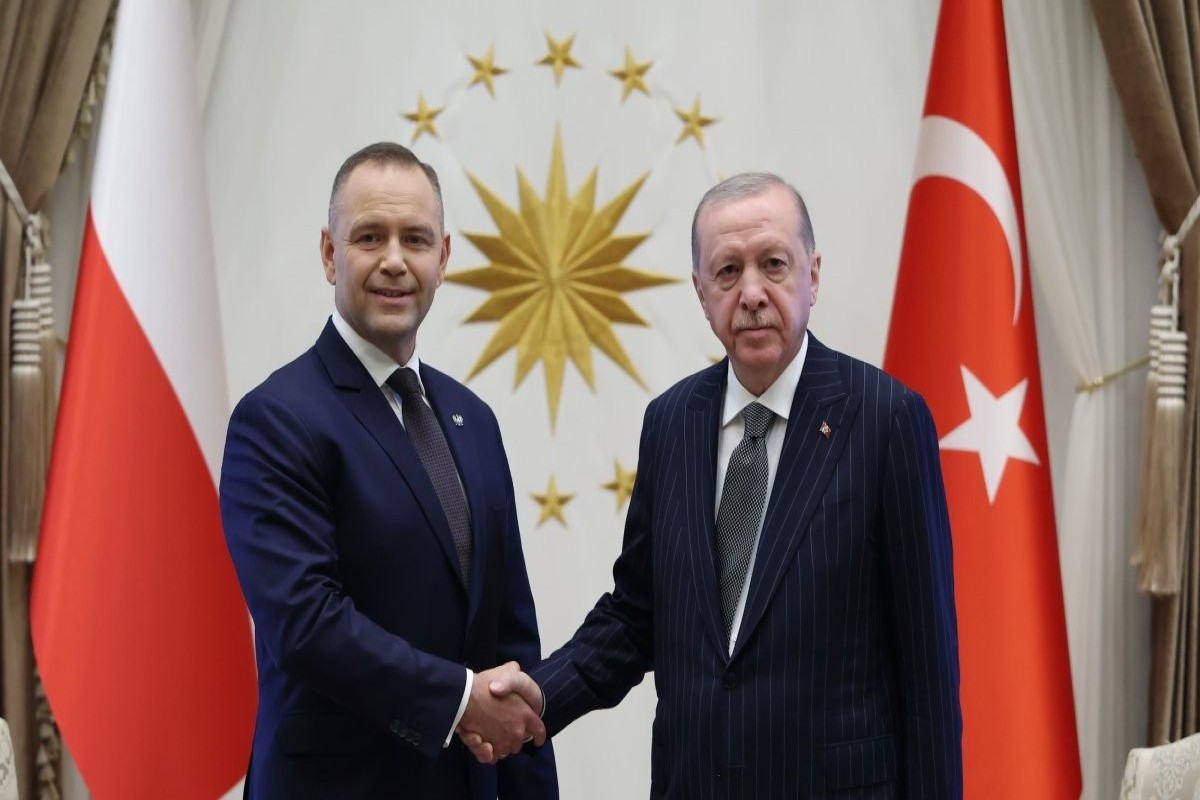
Türkiye, Poland seek closer cooperation on security, defense, EU ties
23:56
 23 June 2026
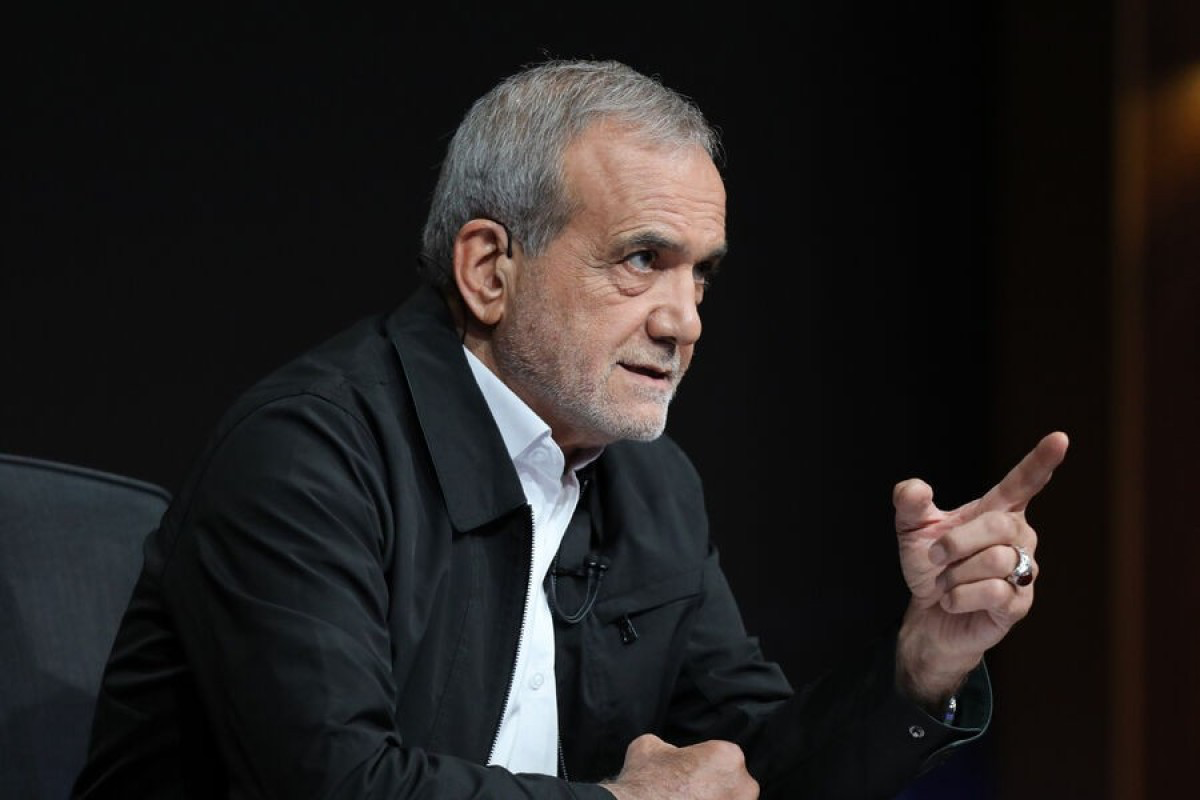
Pezeshkian: Iran's missiles not in US deal, will never be
22:50
23 June 2026
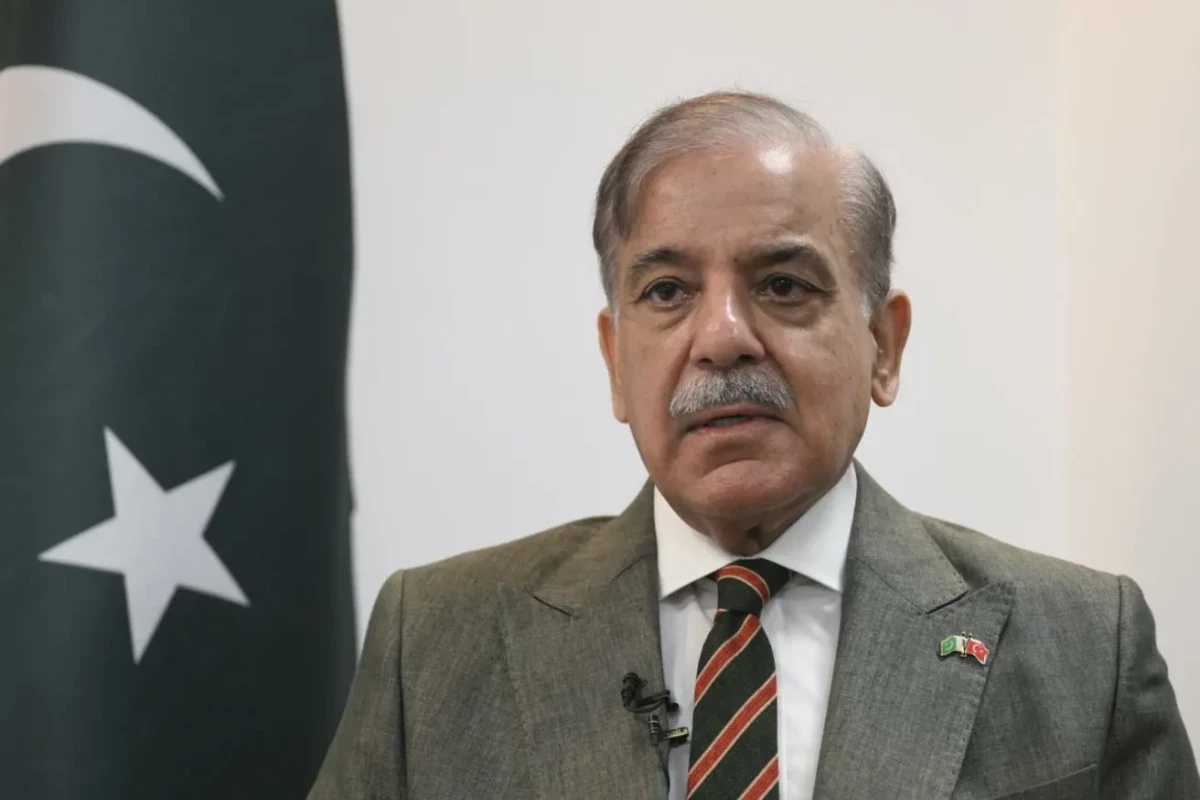
Pakistani Prime Minister: Iran-US memorandum does not mention missile program
22:35
23 June 2026
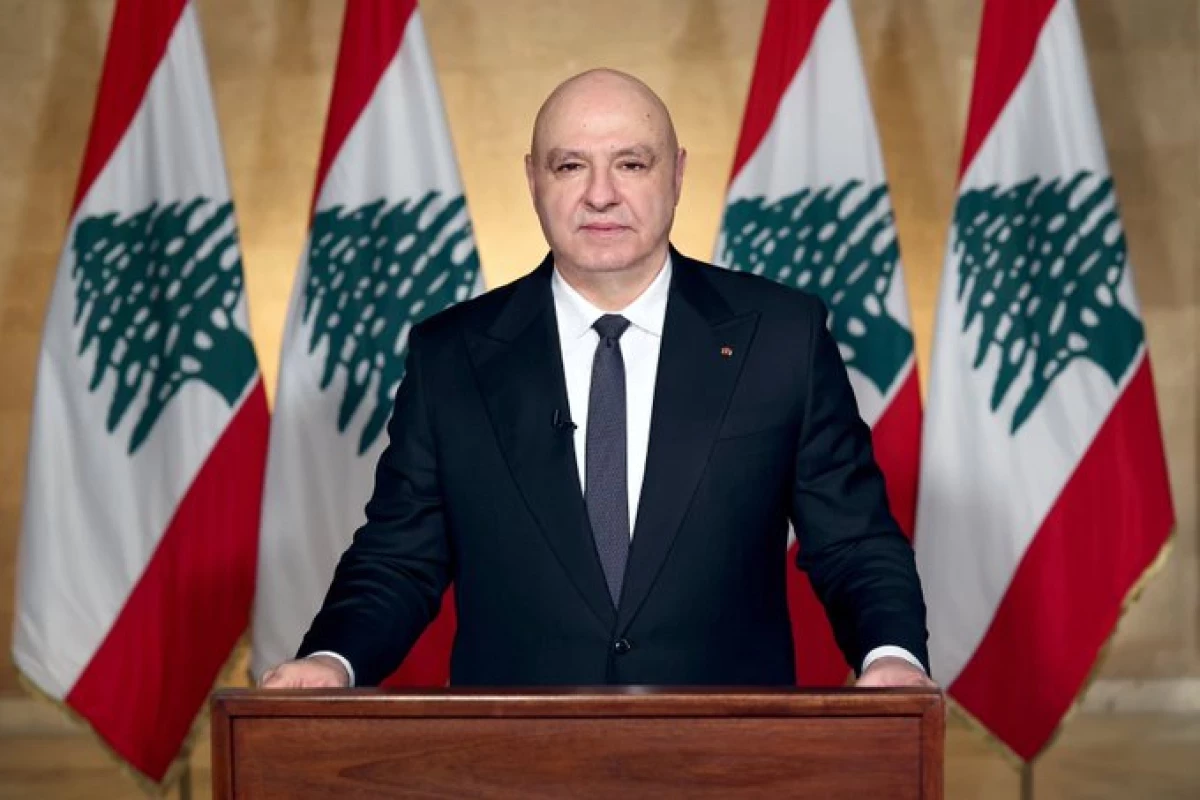
As talks begin, Lebanon’s president says Beirut will accept ‘nothing less’ than IDF withdrawal
18:46
23 June 2026

NEWS FEED
England and Ghana drew in their World Cup match
02:11
24 June 2026
Trump: US needs less than a week to finish job in resuming war with Iran
01:49
24 June 2026
US Senate votes to halt Iran war in latest rebuke of Trump
01:20
24 June 2026
Türkiye, Poland seek closer cooperation on security, defense, EU ties
23:56
23 June 2026
Trump to present trophy at World Cup final, says Infantino
23:33
23 June 2026
Trump believes ceasefire in Lebanon will become reality
23:18
23 June 2026
World Cup: Portugal beats Uzbekistan 5-0 in Group K
23:03
23 June 2026
Pezeshkian: Iran's missiles not in US deal, will never be
22:50
23 June 2026
Pakistani Prime Minister: Iran-US memorandum does not mention missile program
22:35
23 June 2026
Trump: There is no rush to send nuclear inspectors to Iran
22:21
23 June 2026
Rubio explained what the allocation of funds for Iran's reconstruction depends on
22:10
23 June 2026
President Ilham Aliyev’s social media accounts featured video showcasing Serdar Berdimuhamedov‘s visit to Azerbaijan -VIDEO
21:55
23 June 2026
Ronaldo became the first footballer to score in six World Cups
21:41
23 June 2026
Türkiye key to Middle Corridor, connectivity agenda: EU commissioner
21:20
23 June 2026
US Secretary of State calls it illegal for any country to collect tolls for passage through Hormuz
21:05
23 June 2026
Chairman of Shura Council of Oman arrives in Azerbaijan on working visit
20:56
23 June 2026
Armenia hopes borders with Azerbaijan and Türkiye to be opened by 2030
20:35
23 June 2026
Azerbaijan`s Prosecutor General visits Slovakia
20:01
23 June 2026
Appeal court hearing on complaints filed by Arayik Harutyunyan, Arkadi Ghukasyan and others continues-PHOTO
19:38
23 June 2026
Putin: Moscow is ready for talks with Ukraine based on agreements reached in Istanbul
19:01
23 June 2026
27th session of the PUIC General Committee held
18:55
23 June 2026
Speaker of Türkiye's parliament arrives in Azerbaijan
18:51
23 June 2026
As talks begin, Lebanon’s president says Beirut will accept ‘nothing less’ than IDF withdrawal
18:46
23 June 2026
Hakan Fidan meets with Azerbaijani ambassador
18:39
23 June 2026
Iran reopens western part of country’s airspace
18:32
23 June 2026
700 tons of wheat shipped from Russia to Armenia via transit through Azerbaijan-UPDATED-PHOTO
18:30
23 June 2026
Iran announces three-day holiday in Tehran for Ali Khamenei’s funeral
18:21
23 June 2026
Oman and Iran to pursue talks on managing navigation in Strait of Hormuz
18:07
23 June 2026
5th round of Lebanon-Israel talks begins in Washington
18:07
23 June 2026
Azerbaijan, Serbia and Türkiye hold next phase of audiovisual media exchange program in Belgrade
18:05
23 June 2026
Putin: As the situation on the frontline worsens, Kyiv has resorted to attacking civilian targets in Russia
17:53
23 June 2026
Baseless campaign against Albert Agarunov: What is behind the artificial hype?-COMMENTARY
17:53
23 June 2026
Explosion at ammunition depot and disposal facility in Türkiye leaves two dead
17:29
23 June 2026
Ukrainian special forces blow up railway bridge over North Crimean Canal
17:25
23 June 2026
A group of civil servants awarded state honors-ORDER
17:25
23 June 2026
Iran says card-based banking hit by cyberattack on three lenders
17:20
23 June 2026
Syrian leader Ahmed al-Sharaa expected to visit Ankara around NATO summit
17:19
23 June 2026
President Ilham Aliyev shares post about meeting with children in Shusha-VIDEO
17:03
23 June 2026
One killed, four injured after car accident in Berlin
16:37
23 June 2026
Türkiye and Armenia discuss restoration of railway and road links
16:04
23 June 2026
Ursula von der Leyen expected to visit Armenia next week
15:55
23 June 2026
EBRD allocates €230 million for development of the Trans-Caspian Corridor
15:51
23 June 2026
Trump says 19 million barrels of oil exited Strait of Hormuz on Monday
15:49
23 June 2026
Trump says Iran has fully agreed to nuclear inspections
15:41
23 June 2026
European Court of Human Rights finds Russia responsible for torture and killing of Georgian soldiers
15:36
23 June 2026
Kremlin signals readiness for negotiations with Ukraine
15:27
23 June 2026
Garabagh Horse gifted to the President of Turkmenistan
15:21
23 June 2026
President of Turkmenistan Serdar Berdimuhamedov concluded state visit to Azerbaijan
15:21
23 June 2026
Presidents of Azerbaijan and Turkmenistan had lunch together in Shusha
15:16
23 June 2026
Ukraine believes it secured Trump's backing to act 'more boldly' toward Russia
15:12
23 June 2026


