










Baku – APA. The U.S. is threatening to cancel a high-level meeting involving Pakistan in Washington to protest Pakistan’s continued detention of a U.S. diplomat who shot dead two armed men in Lahore in late January, APA reports quoting “The Wall Street Journalâ€.
Separately, an American government assessment said a $7.5 billion, five-year civilian-aid program for Pakistan has failed to show it is achieving its goals since Congress approved the package in late 2009.
The Obama administration is hoping the aid program will help stabilize the fragile, strategically important country and boost America’s image. The program focuses on funding visible infrastructure like bridges, roads and power plants.
But that strategy has faced a number of obstacles, including an Islamist insurgency that has made it dangerous for aid personnel to operate in some parts of the country. The U.S. remains deeply unpopular, in part due to strikes by unmanned Central Intelligence Agency drones against Taliban militants on the border with Afghanistan that have also killed civilians.
Pakistan, Afghanistan and U.S. officials were set to meet this month in Washington to discuss the war in Afghanistan. But Pakistani officials said the U.S. had conveyed its decision to cancel the meeting if the detained American diplomat, named by Pakistan as Raymond Davis, wasn’t released.
A spokeswoman for the U.S. Embassy in Islamabad said Washington hadn’t yet officially decided when to hold the meeting.
Mr. Davis shot dead the two men after they approached his car armed with weapons. Police say the men had earlier robbed others in Lahore. A U.S. consular vehicle that came to aid Mr. Davis knocked over and killed a bystander. The driver of the second car escaped, but Mr. Davis was arrested.
The U.S. Embassy in Islamabad says Mr. Davis acted in self-defense and is covered by diplomatic immunity. But a Pakistani court last week remanded Mr. Davis in police custody and put his name on a list banning him from leaving the country.
Mr. Davis is to appear in court again Friday; he hasn’t been formally charged with any crime.
The U.S. ambassador to Pakistan, Cameron Munter, met President Asif Ali Zardari on Monday to push for Mr. Davis’s release, the U.S. Embassy spokeswoman said.
Mr. Zardari has publicly said Pakistan’s justice system should be allowed to run its course. Protests calling for Mr. Davis to be tried locally have broken out in Lahore since late January.
The situation became more volatile over the weekend after the widow of one of the alleged gunmen killed in the incident committed suicide Sunday by taking insecticide.
Just before her death, while in the hospital, she told local television she feared Mr. Davis would be set free. Hundreds of people chanting anti-American slogans attended her funeral Sunday in Faisalabad.
Mr. Zardari must balance the demands of Pakistan’s streets with an increasingly irritated U.S.
Growing anti-American sentiment in the country is a cause of serious concern to the U.S., which needs Pakistan’s cooperation to fight Taliban militants that shelter on its soil.
The report on American aid to Pakistan, released jointly by the Office of Inspector General of the U.S. Agency for International Development, the Department of State and Department of Defense, found U.S. aid officials on the ground in Pakistan had failed to supply data to allow a systematic evaluation of whether the assistance was helping stabilize the nation.
The report found that USAID, the lead U.S. government agency for overseeing foreign civilian assistance, has been unable to recruit sufficient staff to oversee its Pakistan program.
The U.S. has moved to change the way it distributes aid, funneling more money through the Pakistan government and local organizations rather than international contractors.


 Follow us on Telegram
 t.me/apanewsaz
 Follow us on Instagram
 Follow us on TikTok
 Follow us on Facebook
 Follow us on X
Americas

Montenegro police, FBI arrest Iranian wanted by US for hacking
 11:15
11:15
 26 June 2026
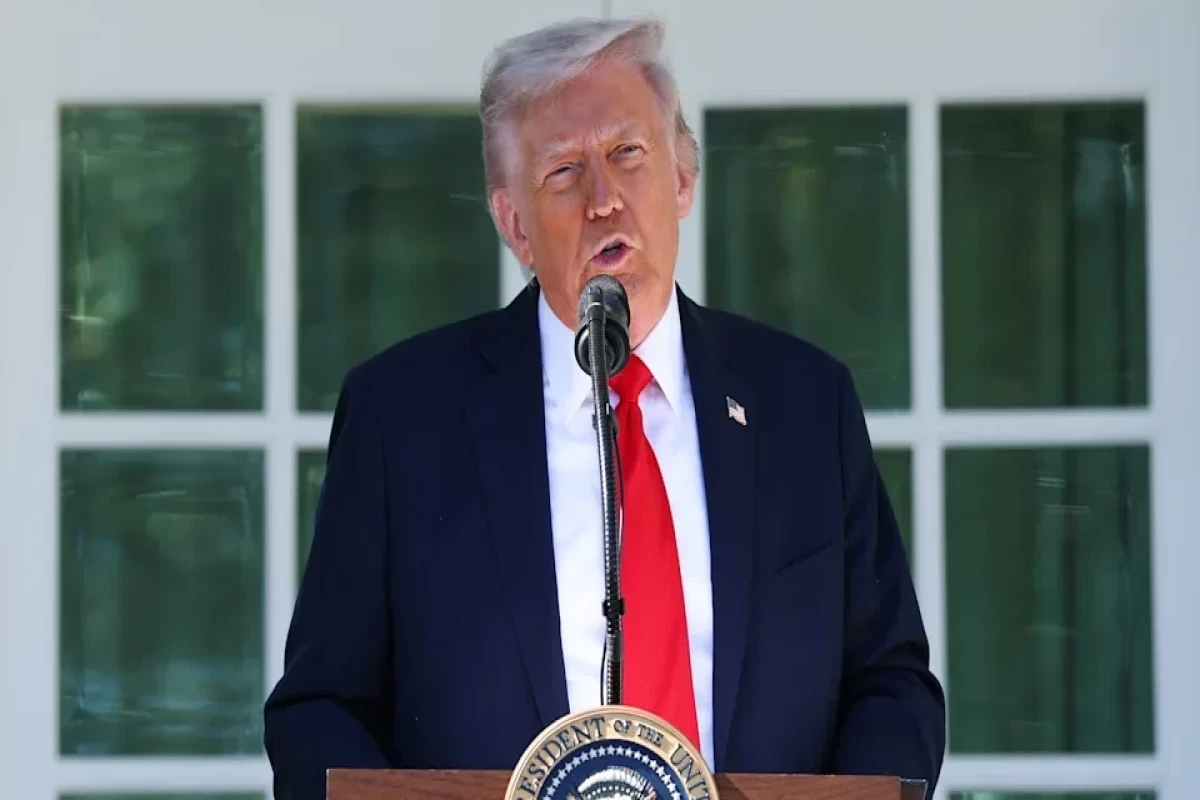
Trump says U.S. will use Iranian funds to buy wheat, soybeans and corn
09:12
26 June 2026
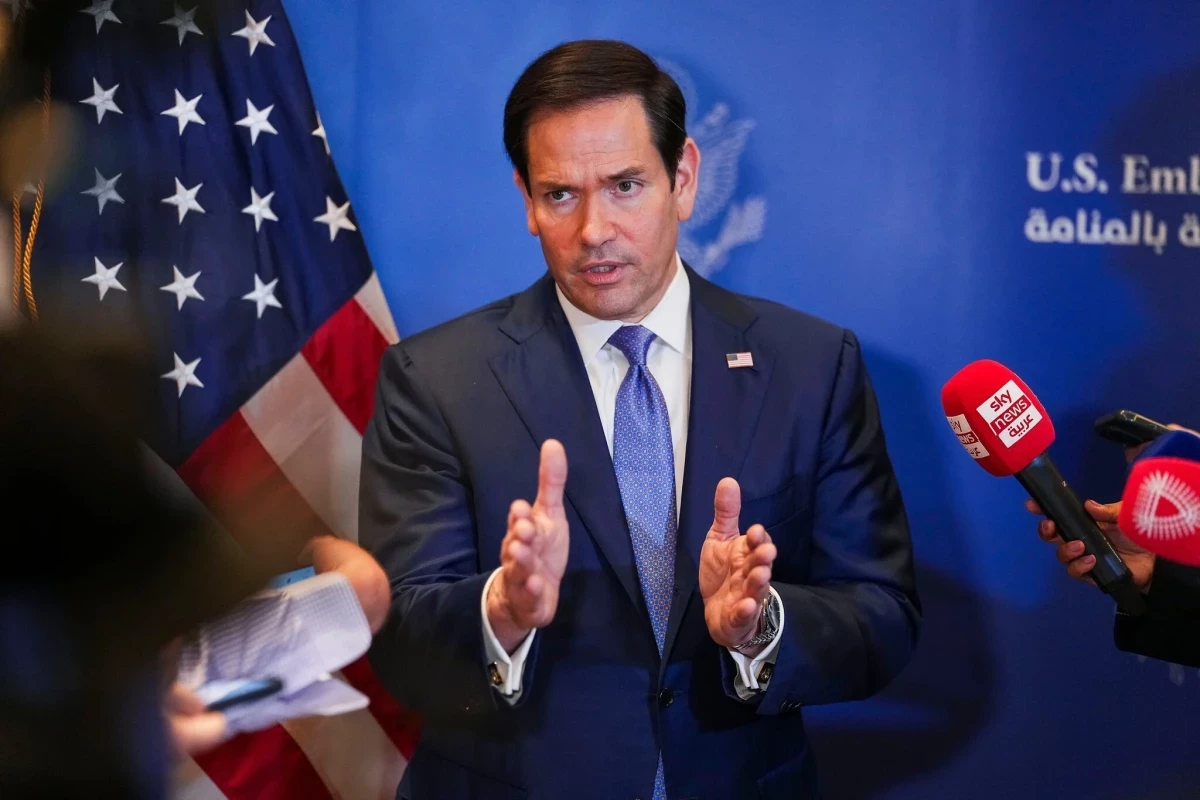
Rubio believes no final agreements reached in Anchorage
18:10
25 June 2026
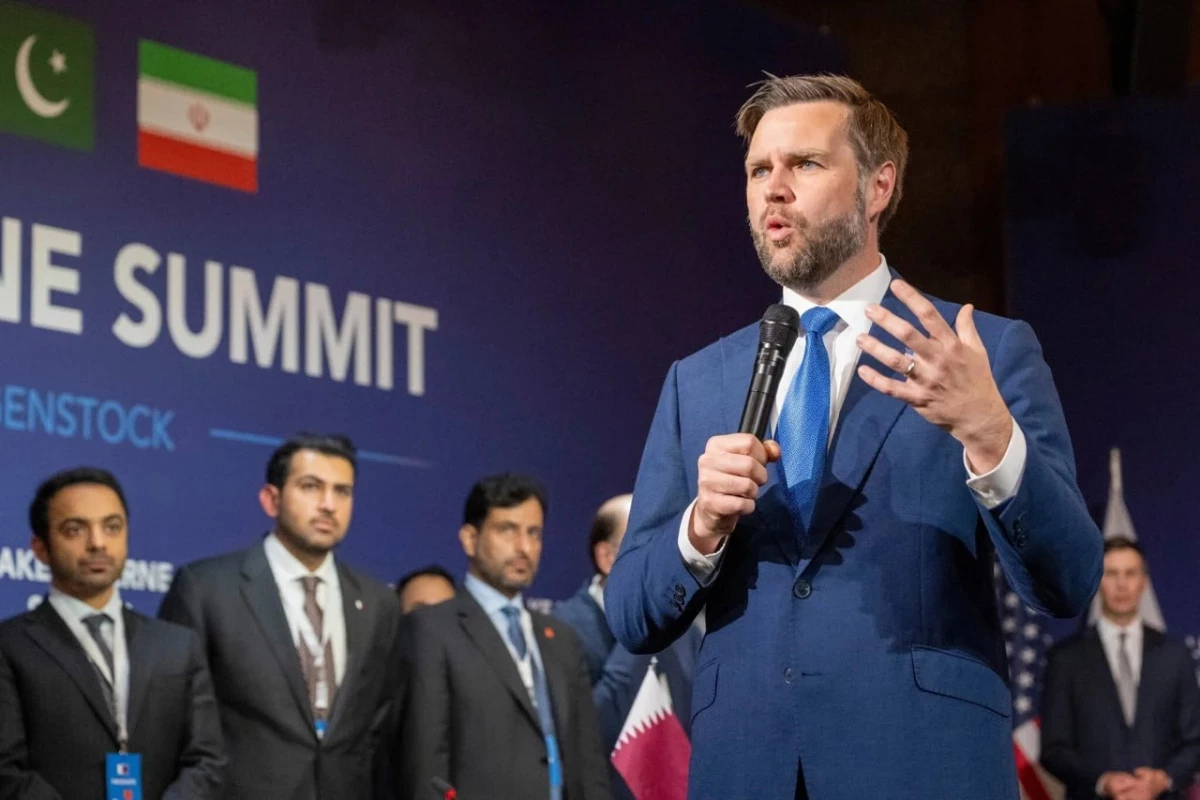
US, Iran agree in principle to establish direct military communication channel, Vance says
18:09
25 June 2026

NEWS FEED
Death toll from Venezuela earthquake rises to 589 - UPDATED - 4 - VIDEO
16:56
26 June 2026
Azerbaijan and Italian foreign ministers hold phone conversation
16:54
26 June 2026
Senior military ranks presented to servicemen of the Azerbaijan Ministry of Defense - PHOTO
16:23
26 June 2026
CIS Secretary General: Armenia is not considering leaving the CIS
16:16
26 June 2026
Former Russian Defense Minister Sergei Ivanov dies at 73
16:08
26 June 2026
European Commission President Ursula von der Leyen to visit Azerbaijan next week
16:03
26 June 2026
Leadership of the Ministry of Defense visits Alley of Honor, Victory Park, and Military Memorial Cemetery - PHOTO
16:00
26 June 2026
CIS Economic Council meeting held in Moscow, Armenia does not send high-level representative - PHOTO
15:54
26 June 2026
Russia and Ukraine conduct prisoner exchange
15:40
26 June 2026
Proposal made to lower the age of criminal responsibility to 12 in Russia
14:50
26 June 2026
Iran, South Korea discuss regional developments and diplomacy
14:42
26 June 2026
Hormuz shipping depends on coordination with Tehran, Iran deputy FM says
14:30
26 June 2026
State of emergency declared in Crimea and Sevastopol
14:27
26 June 2026
Peskov: It cannot be said that the U.S. is completely neutral in the Ukraine conflict
14:10
26 June 2026
Lavrov responds to Rubio's remarks on Alaska talks
14:06
26 June 2026
Military marches held in Baku, Khankendi, Shusha and five other cities - PHOTO - UPDATED
14:02
26 June 2026
Moldova's ambassador summoned to Russian Foreign Ministry
13:59
26 June 2026
Astrakhan vice governor: We are friends of Azerbaijan and will always stand by it
13:39
26 June 2026
Kazakhstan may begin importing aviation fuel from Azerbaijan
13:10
26 June 2026
Russian delegation inspects construction progress at kindergarten in Gubadli - PHOTO
13:05
26 June 2026
State Duma proposes death penalty for corrupt officials undermining Russia's defense
12:55
26 June 2026
Turkish Ministry of National Defense congratulates Azerbaijan on Armed Forces Day
12:37
26 June 2026
Russia says it shot down 660 Ukrainian drones overnight
12:10
26 June 2026
AZAL plans to expand its fleet to 50 aircraft by 2032 - VIDEO
12:05
26 June 2026
NATO special representative: Azerbaijani Army has a high level of interoperability with NATO standards
11:39
26 June 2026
Ambassador: UK committed to further strengthening partnership with Azerbaijan
11:20
26 June 2026
Montenegro police, FBI arrest Iranian wanted by US for hacking
11:15
26 June 2026
Azerbaijani oil price rises
10:56
26 June 2026
18 railcars of gasoline and 8 railcars of diesel fuel sent from Azerbaijan to Armenia - PHOTO
10:52
26 June 2026
Military march accompanied by military band begins in Nakhchivan - PHOTO
10:49
26 June 2026
17-year-old detained in Dagestan for planning school attacks around the world
10:42
26 June 2026
Magdalena Grono: EU will continue its support for the Azerbaijan-Armenia peace process
10:30
26 June 2026
Military march is held in Khankendi to mark 108th anniversary of Azerbaijan's Armed Forces - PHOTO
10:20
26 June 2026
Military march is held in Ganja to mark 108th anniversary of Azerbaijan's Armed Forces - PHOTO
10:14
26 June 2026
IAEA chief says ‘very strong’ verification system needed for Iran nuclear program
10:00
26 June 2026
Gold, silver futures decline on COMEX
09:56
26 June 2026
Natural gas futures decline to $3.28 on NYMEX
09:30
26 June 2026
Oil prices decline on global markets
09:29
26 June 2026
Russia expands restrictions on imports of fish products from Armenia
09:20
26 June 2026
World Cup 2026: Turkiye beat US 3-2
09:18
26 June 2026
Trump says U.S. will use Iranian funds to buy wheat, soybeans and corn
09:12
26 June 2026
France, Italy seek multinational coalition to support Lebanon after UNIFIL withdrawal
09:02
26 June 2026
Ecuador advances to knockout rounds at World Cup, beating Germany 2-1
03:02
26 June 2026
Iran warns vessels against unauthorized Hormuz routes after ship attack
01:52
26 June 2026
Rutte said he wants to convince Trump of NATO's usefulness at the Ankara summit
01:23
26 June 2026
IDF helicopter carrying Israeli president makes emergency landing after bird strike
00:43
26 June 2026
First Vice-President Mehriban Aliyeva shared post on Armed Forces Day
00:25
Audio
26 June 2026
Azerbaijan marks 108th anniversary of the establishment of its Armed Forces
00:00
26 June 2026
President Ilham Aliyev’s social media accounts featured video dedicated to the Azerbaijani Army
23:05
Audio
25 June 2026
US, Gulf countries reject possibility of tariffs in Strait of Hormuz
22:38
25 June 2026


