










Baku-APA. With a blunt remark that grated on Mexicans, Washington’s top diplomat was merely echoing a growing concern about the alarming violence and instability being caused by Mexico’s war on drug cartels, APA reports quoting news.yahoo.com website.
Mexican officials publicly disputed on Thursday the declaration by U.S. Secretary of State Hillary Rodham Clinton the previous day that Mexico is "looking more and more like Colombia looked 20 years ago."
Clinton’s assessment is nevertheless shared by the crime-fighters who dismantled Colombia’s killer cartels and have been offering Mexican officials, police and prosecutors advice and training for more than two years.
Critics say Mexican President Felipe Calderon’s government has been too slow to heed that advice.
Colombia’s police director, Gen. Oscar Naranjo, and others who fended off a criminal takeover in the Andean nation believe Mexico is on the cusp of a battle royale in which politicians, police and judges will increasingly be targeted and terror used against civilians — just as Pablo Escobar and his Medellin cocaine cartel did in their country.
"They are headed there," Naranjo said in a recent interview.
Organized crime analyst Edgardo Buscaglia in Mexico says the escalation of cartel violence in this country mirrors Colombia’s experience because it is "directly related to the weakness of the state." It differs, he says, in that it arises mostly as rival gangs fight to put their own people in key jobs at the provincial and local level — such as mayor, prison warden, police chief.
The cartel assault on Colombia’s national government was initially mounted by Escobar himself — atop a single organized crime group — when then-Justice Minister Rodrigo Lara outed him as a narco.
Before police gunned him down in 1993, Escobar and his henchmen waged a decade-long reign of terror. They killed hundreds of police, judges, journalists and politicians, starting with Lara.
The successor Cali cartel kept up Escobar’s battle against extradition of traffickers to face U.S. charges — but less violently, choosing instead to buy off much of Colombia’s Congress.
Naranjo was chief of police intelligence in the 1990s when Washington lavished aid on his boss, Gen. Rosso Jose Serrano, as he purged and professionalized the force. With close cooperation from Washington — and the passage of extradition, money-laundering and asset forfeiture laws, Colombia dismantled its major cartels.
Traffickers compartmentalized their business to better shield themselves. They handed over U.S. distribution networks to Mexican cartels, and Colombia’s illegal armed groups — leftist rebels and far-right paramilitaries — got deeply involved in cocaine production.
This year, Naranjo was able to scratch off the last name from a list of the country’s top 28 fugitive drug traffickers that he drew up in May 2004. All had been been captured.
Among suggestions Naranjo and a brain trust of Colombian crime-fighters and allies have offered to the Calderon government:
• Create an elite, uncorruptible counterdrug unit in the national police, as Colombia did, and protect delicate narcotics investigations by compartmentalizing information.
• Attack money-laundering and political corruption with legislation that makes it easier to track drug money, freeze narco assets and seize traffickers’ property.
• Offer better protection to news organizations to encourage more robust and independent reporting on traffickers.
Calderon hasn’t moved fast enough to implement such initiatives, many analysts say.
A special investigative unit trained by Colombians and other foreign experts was only recently deployed to the violent border city of Ciudad Juarez — that city’s first real investigative police. And last month, the government announced the firing of 3,200 federal police this year for failing tests designed to root out corruption.
A raft of obstacles unique to Mexico explain the slow pace.
Mexico has more than 1,600 separate state and local police agencies, while all policing in Colombia is handled by its national force.
"It’s an enormous disadvantage," Calderon said in a radio interview last month, noting Mexico has about 33,000 federal police officers compared to 430,000 state and local cops.
Jorge Castaneda, a former foreign minister, is among Mexicans advocating the creation of a single national force. Calderon has instead proposed eliminating all municipal forces and replacing them with a single state force in each of Mexico’s 31 states and federal capital district.
Then there is Calderon’s decision to put the military in charge of his war against the cartels, which has led to killings of noncombatants and other abuses. Human rights groups aren’t the only critics of such a strategy.
"The military is trained to kill people. The military isn’t trained to do criminal investigations. The military shoots first and asks questions later," said Thomas Cash, a former top U.S. drug agent for the region.
Cash was also hard on Calderon for not doing enough about Mexico’s rampant money laundering.
"They have been no significant laws that even define money laundering," he said, as well as a weak and splintered judicial system where provincial judges barely make a living wage.
Calderon, who has just two years left in office and is barred by law from running for re-election, didn’t make good on a promise to introduce money-laundering legislation until last month.
Mexican officials have long argued that their country is nowhere near as violent as Colombia, where leftist insurgents have been battling the state for nearly a half century. Mexico’s murder rate last year was 14 per 100,000 — well below Colombia’s rate of 39 per 100,000.
Mexican officials answered Clinton sharply.
Alejandro Poire, the chief security spokesman, said Calderon’s government is attacking the problem before it reaches the magnitude it did in Colombia.
"We think the most important (difference) is that we are acting in time," Poire said.
Time may be running out.
Ciudad Juarez has become one of the world’s deadliest cities, with more than 4,000 people killed there in last two years. And while Mexico’s cartels have not staged anything approaching the scale of the Medellin cartel’s 1989 downing of a domestic airliner, which killed 110 people, they are increasingly experimenting with terror.
In July, the Juarez cartel staged the first successful car-bombing in Mexico, killing three people.
More than 2,000 Mexican police and nearly 200 soldiers have been killed since Calderon took office in late 2006. The vast majority of 28,000 drug war victims have died in battles between drug gangs, but mayors and police chiefs have been assassinated and ambushes staged against security officials — and their families. Three mayors in northeastern Mexico have been killed in the past month alone.
Mexico has far surpassed Colombia as the most dangerous country in the Americas for journalists. Twenty-two have been killed since Calderon took office, according to the New York-based Committee to Protect Journalists. In Colombia, one journalist was killed last year and none in 2008.
Mexico’s news media have, with a few exceptions, balked at taking on the cartels. Many regional newspapers and broadcasters don’t even cover the drug war. And CPJ director Joel Simon says cartels in some Mexican cities are paying off journalists.
That contrasts with Colombia, where journalists in the Medellin cartel’s heyday boldly took on the narcos, often serving as a proxy for a justice system crippled by cartel attacks.
To protect reporters from assassination, Colombia’s news media would often share and publish the same information simultaneously and without bylines.
In Mexico, that’s not happening.


 Follow us on Telegram
 t.me/apanewsaz
 Follow us on Instagram
 Follow us on TikTok
 Follow us on Facebook
 Follow us on X
Americas
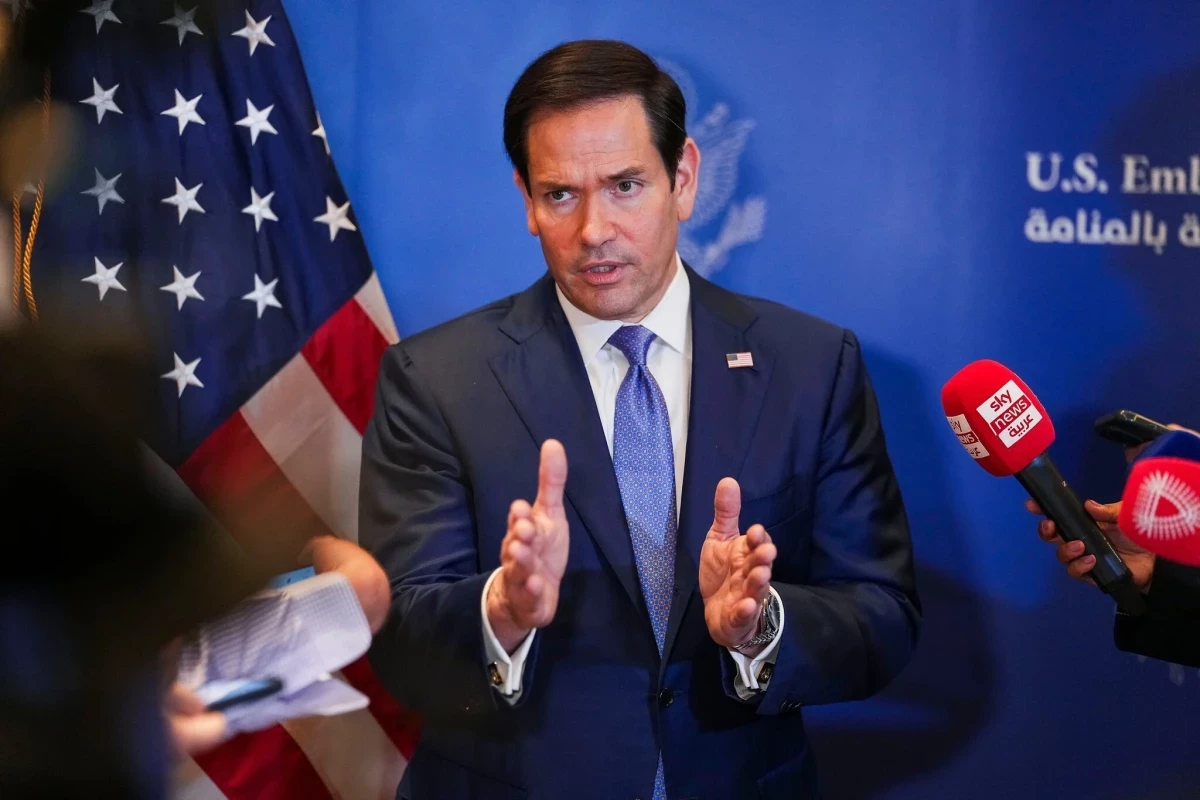
Rubio believes no final agreements reached in Anchorage
 18:10
18:10
 25 June 2026
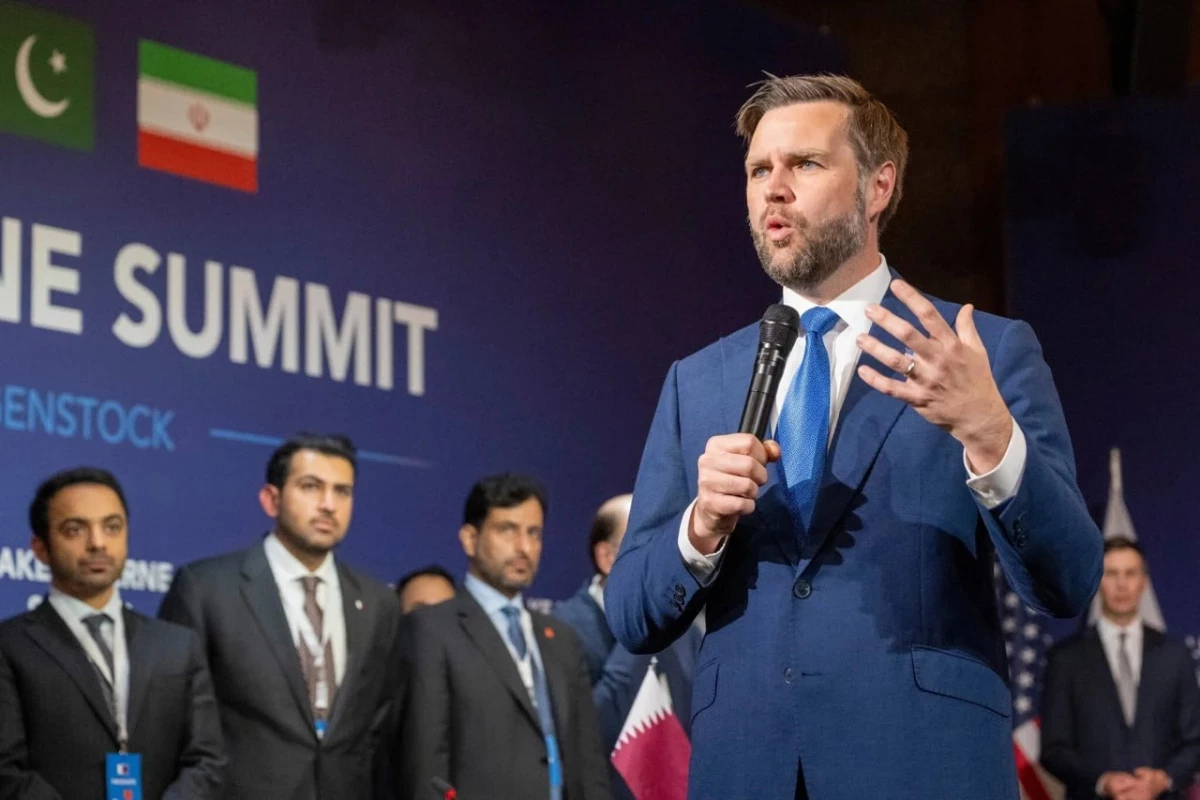
US, Iran agree in principle to establish direct military communication channel, Vance says
18:09
25 June 2026
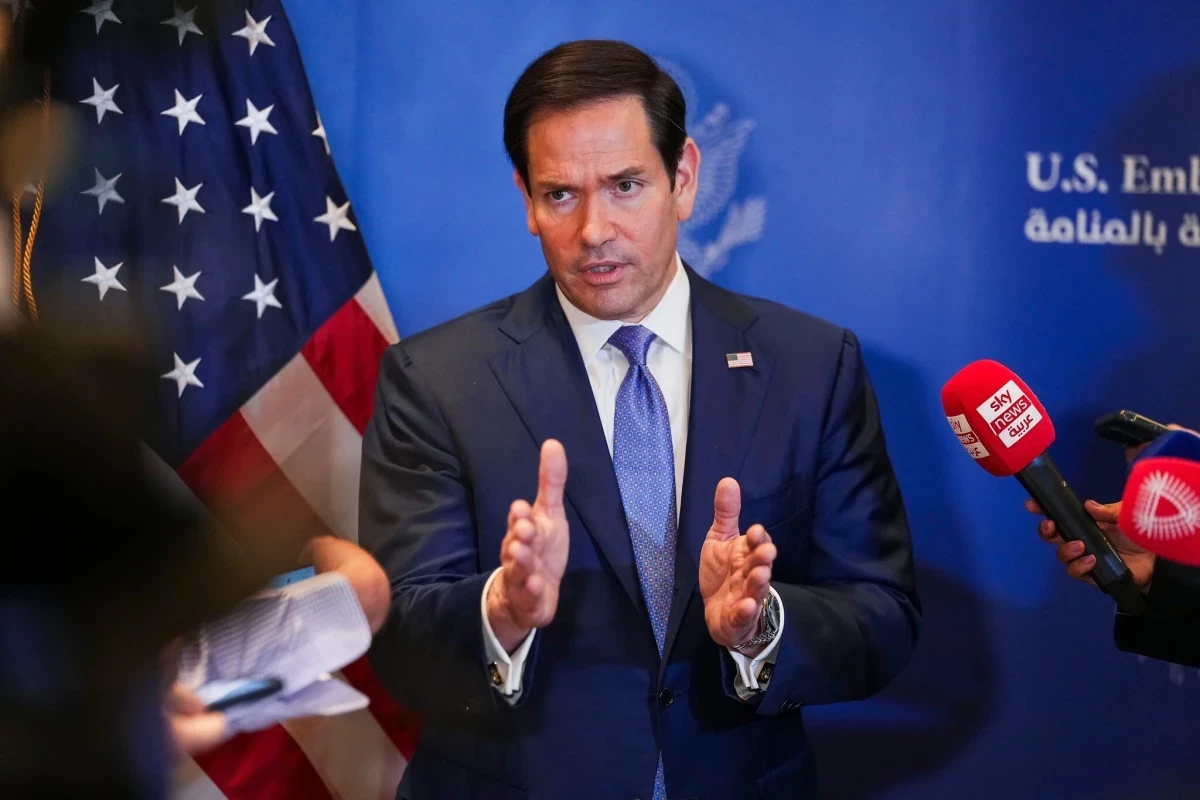
Rubio believes no final agreements reached in Anchorage
18:03
25 June 2026
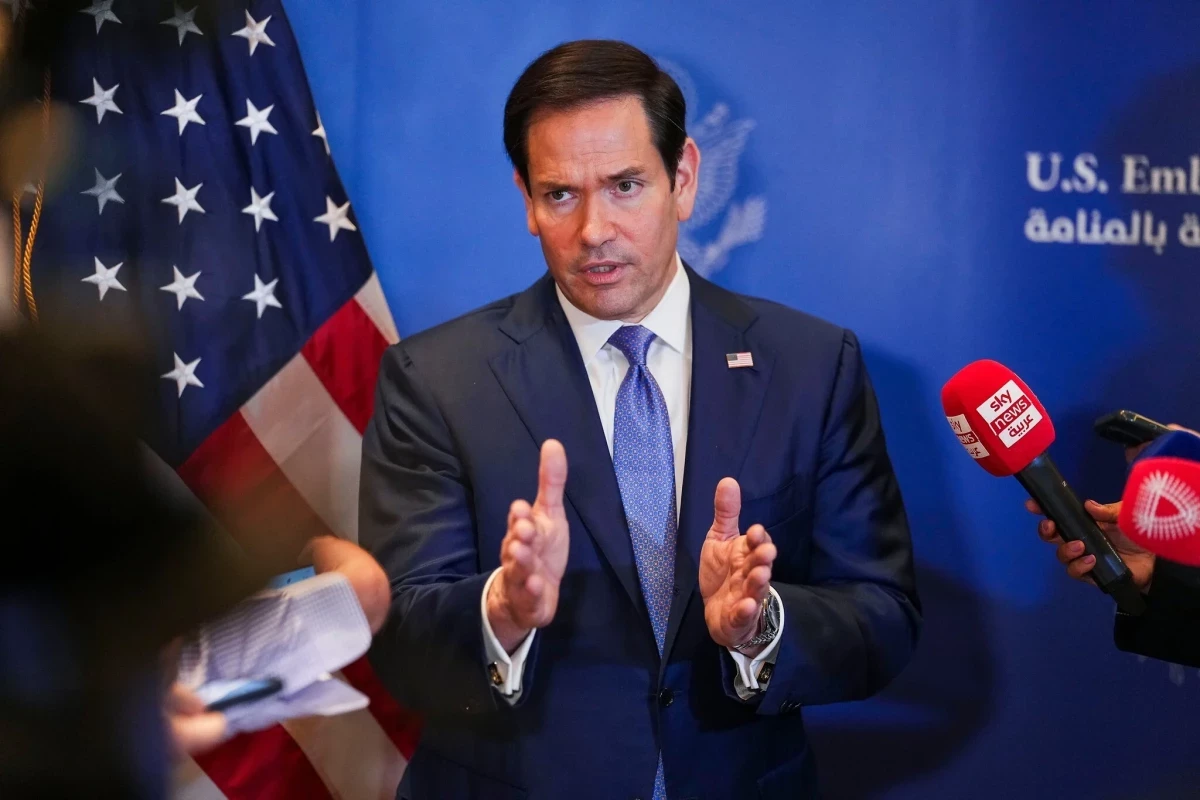
Rubio says Israel, Lebanon close to commitment of intent
17:18
25 June 2026

NEWS FEED
Telephone conversation held between Azerbaijani, Turkmen Presidents
20:37
25 June 2026
Vice-President of the Heydar Aliyev Foundation Leyla Aliyeva meets with Head of the Vatican Apostolic Library and Apostolic Archive
20:14
25 June 2026
Ziya Öztürkler praises Azerbaijan's continued support for the TRNC
19:50
25 June 2026
Apple says removal of VK apps from App Store is due to sanctions compliance
19:34
25 June 2026
Ruben Rubinyan elected as candidate for Speaker of the National Assembly of Armenia
19:26
25 June 2026
Missile alert declared in Moscow region-UPDATED
19:16
25 June 2026
Hikmat Hajiyev discusses Azerbaijan–NATO partnership with Secretary General's Special Representative
18:59
25 June 2026
Armenian Prosecutor General's Office petitions CEC to authorize criminal prosecution of Gagik Tsarukyan
18:55
25 June 2026
Venezuela's foreign minister thanks Azerbaijan for solidarity following earthquake
18:16
25 June 2026
Azerbaijan and Kazakhstan agree on full transition to electronic permit system
18:10
25 June 2026
Rubio believes no final agreements reached in Anchorage
18:10
25 June 2026
US, Iran agree in principle to establish direct military communication channel, Vance says
18:09
25 June 2026
Rubio believes no final agreements reached in Anchorage
18:03
25 June 2026
Azerbaijan Army servicemen participate in Anatolian Eagle-2026 International Exercise-VIDEO
18:01
25 June 2026
Leadership of the Ministry of Defense visits Central Clinical Hospital - PHOTO
17:52
25 June 2026
Eight Azerbaijani cities to host military marches marking Armed Forces Day
17:45
25 June 2026
Azerbaijan MFA: Existing opportunities should be used to finalize peace process with Armenia
17:30
25 June 2026
Rubio says Israel, Lebanon close to commitment of intent
17:18
25 June 2026
Lukashenko: Peoples of Belarus, Russia, and Ukraine will be together sooner or later
17:09
25 June 2026
Romanian ambassador leaves Russian Foreign Ministry without comment
17:08
25 June 2026
Rubio: Iran's support for regional proxies should be addressed in memorandum talks
17:07
25 June 2026
Azerbaijan and Ukraine discuss current cooperation agenda
17:06
25 June 2026
Azerbaijan-Israel innovation dialogue held at Shimon Peres Center - PHOTO
17:02
25 June 2026
Iran, Oman stress need for coordination on Strait of Hormuz traffic in foreign minister call
16:44
25 June 2026
Ghalibaf criticizes US over claims regarding Iran's unfrozen assets
16:43
25 June 2026
Iraqi Oil Ministry denies reports of potential OPEC exit, urges output quota reassessment-UPDATED
16:39
25 June 2026
President Ilham Aliyev signs order awarding Defense Ministry servicemen
16:31
25 June 2026
Azerbaijan's President awards fallen servicemen posthumously
16:31
25 June 2026
Military Institute named after Heydar Aliyev holds another graduation ceremony - PHOTO - VIDEO
16:26
25 June 2026
Azerbaijan establishes "Intellectual Customs" information system
16:24
25 June 2026
President Ilham Aliyev awards major general rank to five Defense Ministry servicemen
16:23
25 June 2026
Ashura blood donation campaign concludes in Azerbaijan, 1,269.45 liters of blood collected -PHOTO-UPDATED-1
16:21
25 June 2026
Rubio: No Gulf country supports charging fees for passage through the Strait of Hormuz
16:14
25 June 2026
Hikmat Hajiyev, Macron's adviser review state of Azerbaijan-France relations
16:10
25 June 2026
Azerbaijani cadet awarded Italy's "Sword of Honor"
16:00
25 June 2026
Azerbaijan establishes budget-funded organizations based on several public legal entities - DECREE
16:00
25 June 2026
Defense minister: Azerbaijani Armed Forces are among the strongest militaries in the region
15:56
25 June 2026
US sends search and rescue teams to Venezuela after deadly earthquake
15:55
25 June 2026
Citizens of Kyrgyzstan and Tajikistan graduate with honors from Heydar Aliyev Military Institute
15:53
25 June 2026
More than 90 kg of marijuana found in truck carrying cauliflower from Iran to Russia - PHOTO
15:47
25 June 2026
Azerbaijan's Foreign Minister attends Ukraine Recovery Conference in Poland
15:38
25 June 2026
Azerbaijan joins International Convention on the Control of Harmful Anti-Fouling Systems on Ships
15:25
25 June 2026
Charter of the State Medical Insurance and Expertise Agency approved-DECREE
15:24
25 June 2026
Azercell launches “Əsgərcell” offer on the occasion of 26 June – Armed Forces Day
15:23
25 June 2026
Financial results of "AzerGold" CJSC and its subsidiaries for year-end 2025 announced
15:14
25 June 2026
Azerbaijan recalls ambassador to Uzbekistan
15:14
25 June 2026
Azerbaijani delegation explores advanced pediatric rehabilitation practices in Israel
15:08
25 June 2026
Kremlin urges Russians to switch to Android and "national systems" after VK app removed from App Store
15:06
25 June 2026
Russia says nearly 170,000 Ukrainian drones shot down since war began
14:57
25 June 2026
Kremlin comments on Zelenskyy's statement about Belarusian retransmitters
14:54
25 June 2026


