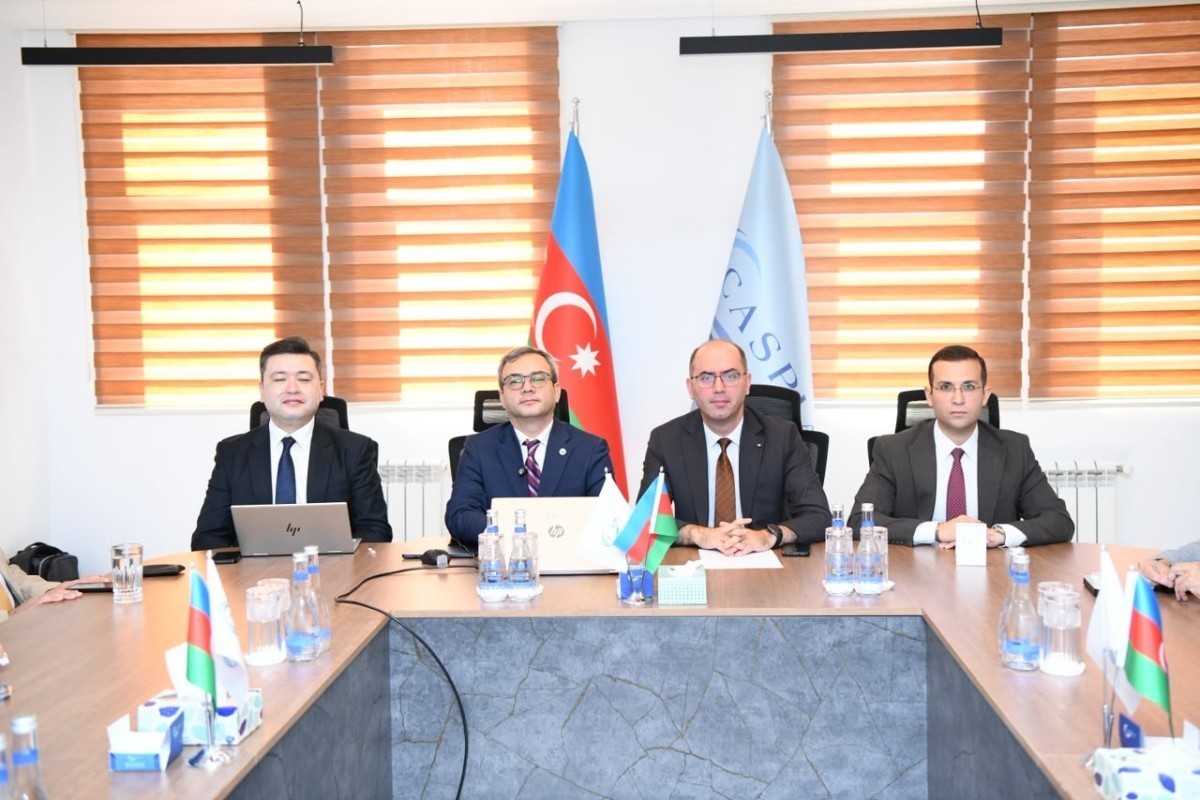


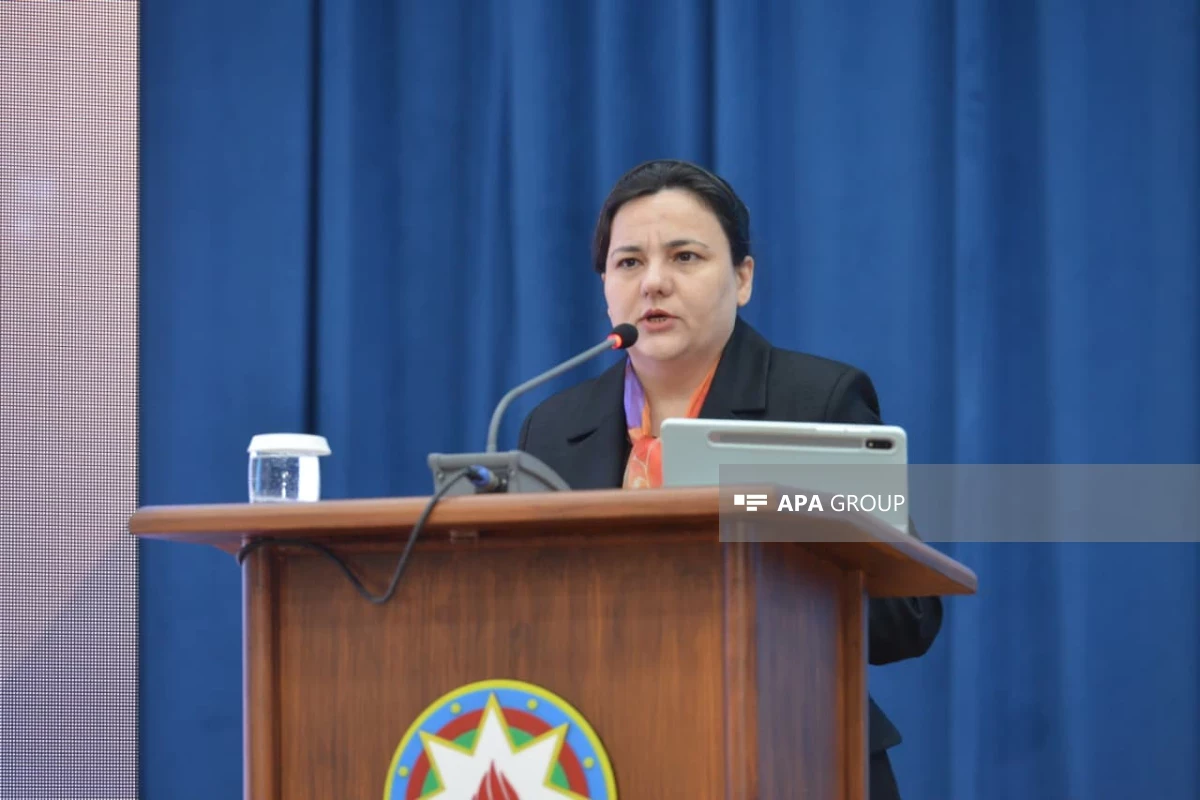


One of the most important directions of the “State Program for 2026-2030 on the Development of Agricultural, Fisheries and Aquaculture Production and Processing Sectors,” approved by the Order of President of the Republic of Azerbaijan Ilham Aliyev dated May 25, 2026, is increasing wheat production and improving productivity, Deputy Minister of Agriculture Ilhama Gadimova said at a regional meeting for the Gazakh-Tovuz economic region in Shamkir dedicated to the discussion of the “State Program for 2026–2030 on the Development of Agricultural, Fisheries and Aquaculture Production and Processing Sectors in the Republic of Azerbaijan,” APA reports.
She stated that the approach in this area is now being shaped in a more targeted manner. Districts are being grouped according to their potential, irrigation opportunities, agropark infrastructure and laser land-leveling capabilities:
“Twenty-two districts have been identified as target districts for wheat production. These districts provide a large share of the grain produced in the country, and they have greater irrigated areas, modern irrigation potential, agropark infrastructure and laser land-leveling opportunities. The districts of Shamkir and Tovuz are included in the list of these 22 districts.
It is planned to increase average productivity in the target districts to 50 centners per hectare, while in rain-fed districts, which include Aghstafa and Gadabay, it is planned to reach 30 centners per hectare. In prospective districts, which include the Gazakh district, the productivity target is set at 50 centners per hectare after 2029.
Several key measures are envisaged to achieve these targets. First, the implementation of modern irrigation systems will be expanded. Second, the provision of machinery will be improved. Third, the application of laser land-leveling technology will be expanded. Fourth, state support for the development of wheat production will be increased. Fifth, supervision over agrotechnical maintenance activities will be strengthened and necessary land reclamation measures will be implemented.
One of the support mechanisms that should be particularly highlighted here is the subsidization of loan interest rates. It is envisaged that the portion of the annual interest rate on loans provided by banks to farmers for the production of annual crops that does not exceed 19% will be paid from the state budget. This is an important support measure in terms of reducing farmers’ financial burden and enabling them to attract funds for crop production more easily.”
Ilhama Gadimova added that another important support measure concerns laser land leveling:
“It is envisaged that an additional product subsidy will be applied both to the farmer and the mill for every ton of product produced by farmers using laser land leveling and delivered to mills. This mechanism encourages farmers to use the technology and also strengthens the link between producers and processing enterprises.
Subsidies alone are not sufficient to increase productivity in wheat production. Seeds must be selected correctly, soil analysis must be conducted, sowing must be carried out within the optimal period, fertilizer application rates must be determined according to the actual composition of the soil, irrigation must be carried out on time, and action against diseases and pests must not be delayed.”


 Follow us on Telegram
 t.me/apanewsaz
 Follow us on Instagram
 Follow us on TikTok
 Follow us on Facebook
 Follow us on X