









Baku – APA. Kidnap and ransom premiums paid to insure against Somali piracy have slumped since the BBC Trinidad was hijacked in the Gulf of Aden in August 2008 as escalating attacks spurred more companies to offer coverage, APA reports quoting “Bloombergâ€.
Buying $5 million of coverage now costs as little as $15,000 per voyage, half the peak rate in 2008, said William Miller, divisional director of Willis Group Holding Plc’s Kidnap and Ransom, or K&R, unit in London.
“Piracy is a peak risk with a relatively low probability of happening, but with an immensely high damage potential,†said Niels Stolberg, head of Bremen, Germany-based Beluga Shipping GmbH, the Trinidad’s owner. The company now buys kidnap and ransom coverage for every ship crossing “this dangerous passage,†after paying a $1.1 million ransom to release the vessel and its 13 crew from the pirate haven of Eyl, he said.
Kidnap and ransom premiums climbed to $100 million last year as pirate attacks on the 25,000 ships passing through the Gulf of Aden rose 70 percent. That prompted more insurers, including Aspen Insurance Holdings Ltd., Ascot Underwriting Ltd. and Chubb Corp., to offer marine K&R coverage, a policy first developed to address kidnapping in South America.
The insurance covers the ransom of the ship and its crew, including negotiations with pirates and hiring ex-special forces teams to deliver the money. With Somali pirates usually returning hijacked vessels undamaged, kidnap and ransom plugs a gap in war-risk insurance that only covers damage to a ship and its cargo, said Stolberg.
Ransoms Increase
The average ransom has almost doubled to between $3.5 million and $4 million since Chubb entered the market 22 months ago, said K&R Manager Greg Bangs, adding that the company expects to expand its piracy business further.
“At first the rates were a little higher than they should have been and then over time insurers realized they could reduce their rates and still make money,†said Bangs.
The decline in rates has deterred Ascot from writing any policies since being authorized to offer kidnap and ransom coverage last November, said Andrew Moulton, a marine underwriter at the Lloyd’s of London arm of American International Group Inc.
“Traditional carriers have been cutting each other so much to get the premium in that the price has fallen off the end of a cliff,†said Moulton, adding that in the current economic climate, most ship owners won’t buy kidnap and ransom insurance as they view it as “icing on the cake†rather than core coverage.
‘Big Problem’
Pirates are currently holding 18 ships and 379 hostages, up from 11 ships and 261 hostages at the beginning of the year, according to the International Maritime Bureau. When the summer monsoon in the Indian Ocean ends this month, attacks may rise as pirates venture from lairs such as Garacad, Hobyo and Harardhere on the Somali coast, said bureau Director Pottengal Mukundan.
“It’s a big problem,†said Per Gullestrup, chief executive officer of Clipper Ferries. He arranged for a $1.7 million cash ransom to be parachuted to pirates that used AK-47s and rocket-propelled grenades to hijack the CEC Future in November 2008. “The Somali pirates have shown they are quite good at adapting to the situation.â€
Pirates are being encouraged by the ransoms and the ease with which they capture ships, said Sven Gerhard, global product leader of marine hull & liabilities at Allianz SE’s corporate and specialty unit. Ship owners must also pay as much as $2.5 million to negotiators and security firms that fly the ransom to a drop-off point, he said.
‘Taking More Risks’
While the presence of the Combined Maritime Forces in the Gulf of Aden cut attacks by 18 percent to 196 in the first half of this year, incidents in the surrounding Somali basin and Indian Ocean rose 14 percent to 51 as the pirates used larger mother ships to widen their range toward the Maldives and as far south as the Mozambique Channel, according to the maritime bureau.
Attacks have been reported as far as 1,000 miles from shore.
“They’re going further and they’re taking more risks than before,†said Guillaume Bonnissent at Hiscox Ltd. in London, the world’s largest underwriter for piracy coverage.
Premiums depend on the ship’s speed, height of its deck above sea level and measures taken to protect the vessel, said Sean Woollerson, a partner at Jardine Lloyd Thompson Group Plc, the U.K.’s biggest publicly traded insurance broker.
While most insurers advise ship owners to deploy razor wire and train sailors how to legally fend off attacks, Woollerson also aims to raise funds for a fleet of escort ships to shepherd vessels through the Gulf of Aden. That may push rates down further, he said.
‘Private Navy’
“We are working on a unique concept to create a legitimate private navy for the shipping industry to complement the existing naval forces to stop this kind of piracy escalating,†said Woollerson, who estimates start-up costs of $15 million. “This is the only way we’re ever going to stem these attacks.â€
For the moment, Beluga Shipping deploys high-pressure hoses and cardboard dummies called “soldiers†to deter boarders, after the Trinidad was captured by nine pirates using two speedboats, said Stolberg.
“Sending armed teams aboard is a last resort,†said Mark Hankey, a spokesman for Maritime & Underwater Security Consultants, which gives shipping lines transit advice from its basement control center opposite London’s Royal Courts of Justice. Using arms involves the risk of “massive escalation,†he said.
When the company does employ guards on cargo vessels it stations three to four former British Royal Marines or Royal Navy personnel to escort ships through pirate waters, said Hankey.
No Guarantees
The naval task force is no longer effective after the pirates expanded the scope of their operations, said Jan-Thiess Heitmann, head of the legal department at the German Ship Owners’ Association. While the association is against arming crew members or hiring armed security guards, it’s in talks with the German government on installing soldiers on merchant ships.
“The number of forces is never going to be enough to guarantee protection,†a spokesman for the 24-nation Combined Maritime Forces said in an e-mailed statement. “Pirates are opportunists who will seek the easiest target available.â€
The naval force deploys as many as 25 vessels in counter- piracy operations along a recommended transit corridor that runs from close to the Bab-el-Mandeb at the southern end of the Red Sea through the Gulf of Aden to a point north of the Yemeni island of Socotra. The corridor carries about a fifth of the world’s trade.
Gullestrup says a set of best practices, introduced by the naval task force, have helped keep the rest of Clipper’s fleet safe. Still, he says the only long-term solution to piracy is to help Somalia, a country that has lacked a central government since the overthrow of former dictator Mohamed Siad Barre in 1991, develop its own security and coastguard infrastructure.
“All the money would be much better spent in assisting the Somalis in capacity building,†he said.
Somali Pirate Attacks Sink Premiums as Insurers Leap Aboard

 03 August 2010 04:59 (UTC +04:00)


 İDMAN XƏBƏR
 Follow us on Telegram
 t.me/apanewsaz
 Follow us on Instagram
 Follow us on TikTok
 Follow us on Facebook
 Follow us on X
Africa
Two killed, five injured in shooting in S. Africa
16:09
 14 October 2026
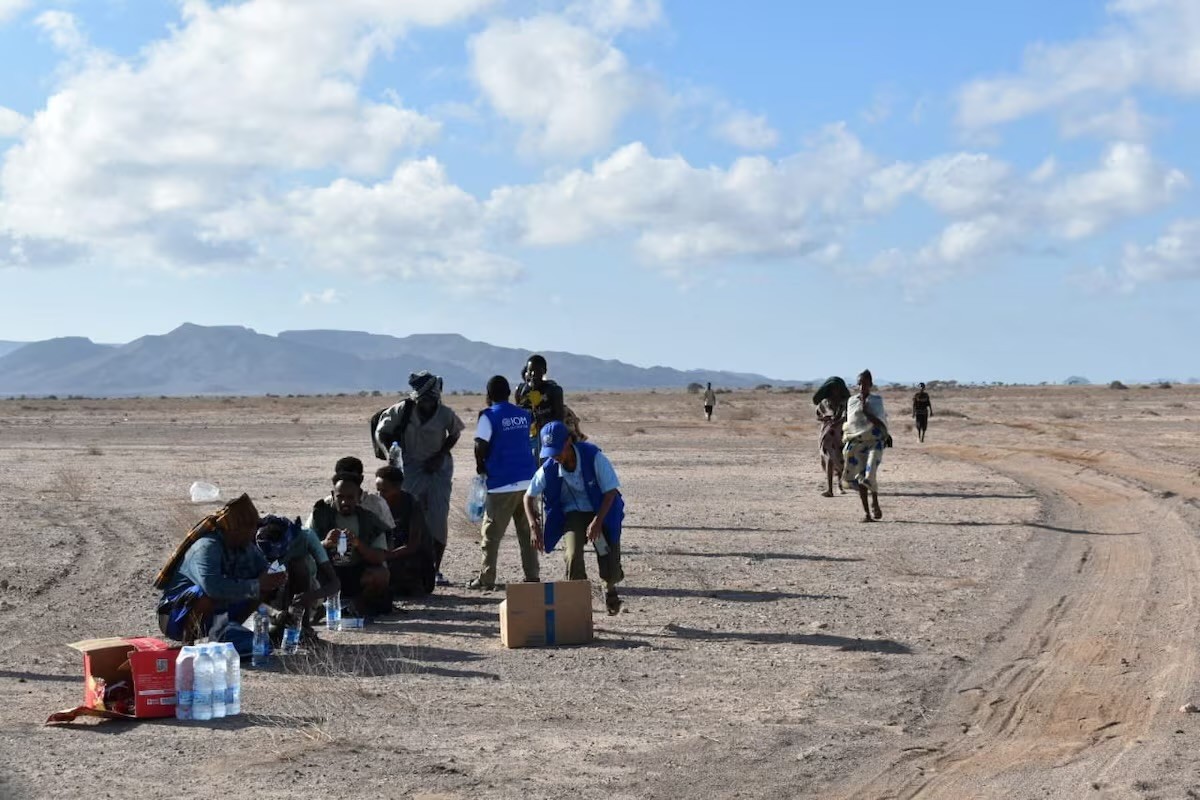
At least 139 migrants dead, including some children, after boat from Djibouti to Yemen capsizes, UN agency says
21:17
11 October 2026

Central African Republic foils planned large-scale militant attack
07:04
11 October 2026
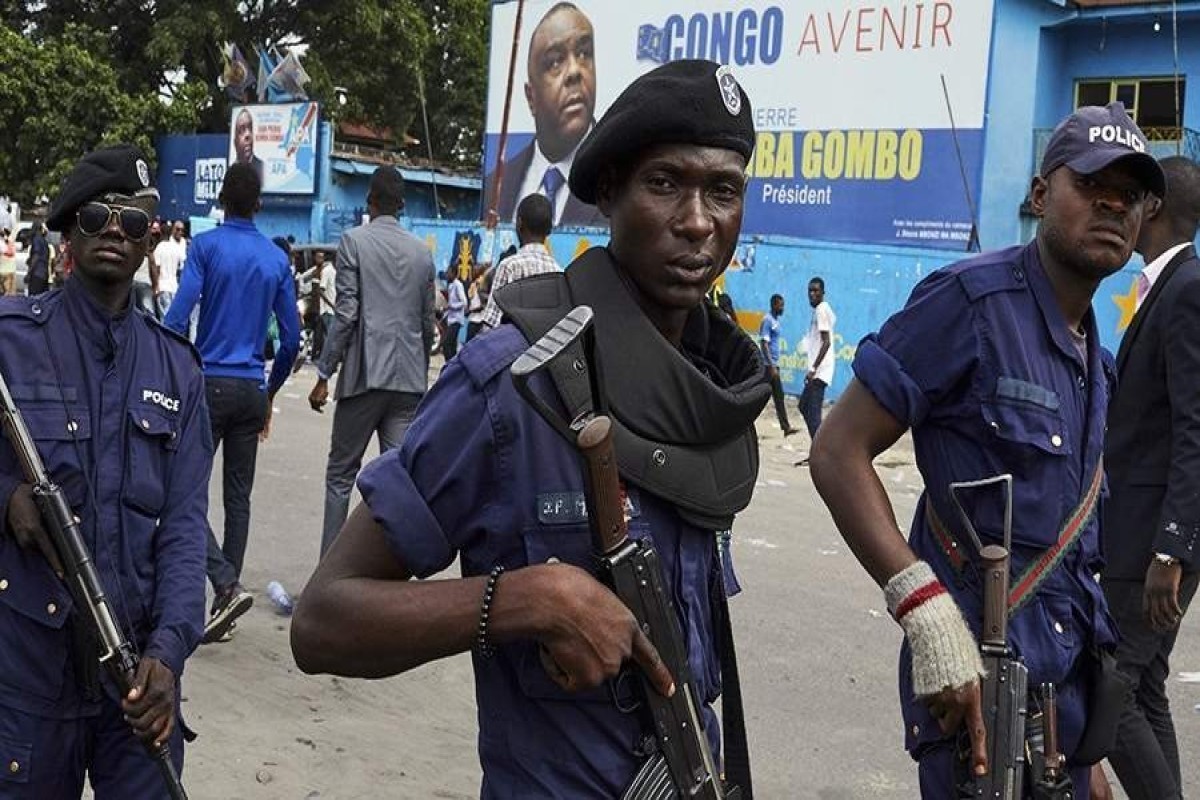
Rebel attack kills 11 civilians in DR Congo
05:16
11 October 2026

NEWS FEED
Azerbaijan refines 4.5 million tons of oil this year
10:45
15 October 2026
Azerbaijan increases natural gas exports
10:42
15 October 2026
Azerbaijan's daily oil and condensate production figures announced
10:35
15 October 2026
Volume of oil and gas produced from ACG and Shah Deniz fields to date announced
10:24
15 October 2026
Delegation from Italy visits Azerbaijan
10:10
15 October 2026
Georgian FM: Joint projects of Georgia, Azerbaijan and Türkiye serve as a solid foundation
10:08
15 October 2026
IMF: South Caucasus and Central Asia show resilience to Middle East crisis
10:05
15 October 2026
Investments in Middle Corridor open new opportunities for South Caucasus - Director
10:01
15 October 2026
Trump says government officials who leak to the media ‘should be shot’
09:55
15 October 2026
Azerbaijani oil sold above $124 per barrel
09:46
15 October 2026
Gold and silver prices rise in commodity markets
09:32
15 October 2026
Brent oil price falls below $105
09:25
15 October 2026
FM Bayramov meets Chinese FM - UPDATED
09:02
15 October 2026
US considers easing sanctions on shadow fleet vessels to cut freight rates, official says
09:00
15 October 2026
President of Turkmenistan arrives in Azerbaijan
08:57
15 October 2026
Eight US states sue OpenAI, claiming ChatGPT harms young users
08:44
15 October 2026
US proposes partial unfreezing of Russian assets to revive Ukraine talks — FT
07:02
15 October 2026
More than 40 flights to Istanbul have been diverted to other airports
04:09
15 October 2026
Houthis claim hit on Saudi fighter jet
03:41
15 October 2026
US destroys Iran-linked ship in Gulf of Oman
02:37
15 October 2026
Aston Villa beat Fenerbahce 6-0 in Champions League clash at Villa Park
02:10
15 October 2026
Media and Broadcasting Council and Ministry of Health release joint statement
01:37
15 October 2026
Trump: Canada will end up being 51st state
01:14
15 October 2026
Istanbul roads collapse, traffic hits 90% as flooding continues
00:52
15 October 2026
Banks, buildings burn as Albania's capital Tirana erupts into student violence
00:26
15 October 2026
Six years pass since Armenian army's shelling of Terter cemetery
00:00
15 October 2026
Haberturk: Teenager dies from electric shock during heavy rain in Istanbul
23:45
14 October 2026
Ukrainian President rules out resigning, holding elections
23:39
Audio
14 October 2026
FBI denies Patel's visit to Russia
23:16
14 October 2026
Britain will develop military equipment for Ukraine
23:00
14 October 2026
Dinner hosted on behalf of President Ilham Aliyev in honor of participants of 7th CICA Summit
22:44
14 October 2026
French President to visit Gulf states from October 19 to 21
22:34
14 October 2026
President Ilham Aliyev met with President of Tajikistan
22:18
14 October 2026
President Ilham Aliyev met with President of Uzbekistan-UPDATED
21:50
14 October 2026
US plans to deploy hundreds of thousands of kamikaze drones
21:41
14 October 2026
Zelenskyy says he feels 'betrayed' by Trump's actions
21:25
14 October 2026
FBI Director Patel visits in Russia
20:37
14 October 2026
Iranian FM, Lebanese President discuss developments in Lebanon and the region
20:27
14 October 2026
Le Pen and Melenchon gain momentum ahead of French 2027 election, poll shows
20:11
14 October 2026
Amir of Qatar arrives in Azerbaijan
19:35
14 October 2026
Hakan Fidan arrives in Baku - UPDATED
19:13
14 October 2026
President Ilham Aliyev met with President of Israel
19:11
14 October 2026
President Ilham Aliyev receives Bahrain’s Foreign Minister
19:09
14 October 2026
President Ilham Aliyev receives member of Political Bureau of CPC Central Committee
19:09
14 October 2026
Georgia not invited to EU forum
19:08
14 October 2026
President of Azerbaijan receives Sri Lankan minister
19:06
14 October 2026
President Ilham Aliyev met with Vietnamese Vice President
19:06
14 October 2026
State Migration Service: More than 30 Azerbaijani citizens readmitted from Germany
18:48
14 October 2026
MP from Pashinyan’s party denied entry to Russia
18:32
14 October 2026
Shavkat Mirziyoyev arrives in Baku - UPDATED
18:30
14 October 2026