












Baku – APA. The U.S. government has never been shy to criticize Iran over its dismal human-rights record, particularly since Tehran launched a crackdown on opposition voices following last summer’s election, APA reports quoting time.com web-page. But the U.S. stance remains considerably more subdued when Egypt, Washington’s biggest Arab ally in the region, exercises similar bad behavior. And the months ahead will test just how subdued it intends to be.
For Egypt, which receives an annual $1.3 billion in U.S. military aid, the equivalent of Iran’s election drama hasn’t unfolded yet. Parliamentary elections are still several months away, and presidential elections aren’t slated until next year. But there are signs of an imminent crackdown on opposition groups. U.S. silence on the issue suggests that Cairo may be able to avoid the international spotlight in a way that Tehran did not.
On Feb. 8, for example, Egyptian security forces arrested 16 members of the Muslim Brotherhood, Egypt’s most popular opposition group. Those arrested included three senior members, including the deputy leader, Mahmoud Ezzat. More than 30 others had been arrested in the two weeks prior to that. "They were arrested having done nothing except calling for reform and freedom and for adopting a moderate approach which Egypt needs the most at this time," read a statement posted on the Muslim Brotherhood website on Feb. 9.
This isn’t anything new for the Brotherhood. The group has been banned since 1954, but its popularity — derived mainly through Islamic charity work, calls for political reform and appeals to Muslim religiosity — makes it especially threatening to the authoritarian regime of President Hosni Mubarak. Even so, the Brotherhood has been tolerated to varying degrees over the years, the state having found a way to keep its members in check through a system of arbitrary arrests and detentions that rights groups say are illegal under international law. "It’s a repeated situation," says Taha Ali, a political analyst at the Ibn Khaldun Center for Development Studies, a Cairo NGO. "But this time, we’re going to see the parliamentary election in the upcoming period, so it’s a historical moment for the regime and the Brotherhood."
Indeed, the state has previously detained hundreds of Brotherhood members in the run-up periods before elections, but the upcoming polls (the upper-house vote is scheduled for May, the more important lower-house vote is in November) — and the arrests, detentions and trials that come with them — could set a new historical precedent for two reasons.
First, the Muslim Brotherhood is unlikely to see anything close to the electoral success it enjoyed during the 2005 parliamentary elections, in which the group, whose members run as independent candidates to get around the ban, swept a stunning 20% of the seats in the lower house of parliament, making it the largest opposition bloc to face off against Mubarak’s ruling National Democratic Party. The regime now seems ready to make sure that doesn’t happen again. Three senior leaders among the 16 Brotherhood members arrested earlier this month, including the deputy leader of the group, are, according to Reuters, being charged with setting up training camps to plan terror attacks as well as setting up an internal body that heeds militant Islamist ideals preached by a firebrand Brotherhood intellectual who was executed in 1966. The Brotherhood, however, renounced violence in the 1970s and still calls for establishing a state based on Islamic law via peaceful, democratic means.
The government crackdown appears to have been triggered by the Brotherhood’s own selection of more conservative leaders who have offered their fellow members a more conciliatory approach toward the regime. Joshua Stacher, a political scientist and Egypt expert at Kent State University, says the move likely served to signal that regardless of who leads the group, the government will continue to beat it down. The government, says Stacher, does "not want them participating in legislative elections or syndicate elections or generally," and it would rather see the Brotherhood "withdraw." "They would ideally like the same thing from the Brotherhood that they’ve been able to achieve with most other sectors of society and the other remaining opposition: complete acquiescence to their terms."
Analysts say the 2005 electoral reforms that allowed for such a large Brotherhood win were induced, at least in some part, by pressure from the Bush Administration — a policy that many say strained relations between the two countries. The new U.S. Administration is playing its cards differently. "I think it’s indisputable that there was significant domestic pressure inside of Egypt [in 2005], and that the United States under the Bush Administration, and Europe, both sort of supported those demands in Egypt for freer and fairer elections — and that had an impact," says Michele Dunne, editor of the Arab Reform Bulletin at the Carnegie Endowment for International Peace. The first round of the parliamentary elections in 2005 constituted the freest and most transparent election Egypt has ever experienced. But, Dunne adds, "Up till now, I see very little interest on the part of the Obama Administration in raising these issues."
Egypt ranks low on the Obama Administration’s list of regional priorities. The war in Iraq, the Arab-Israeli peace process and a growing al-Qaeda threat in Yemen are all outranking concerns. And the Administration has also sought to distance itself from some of the more aggressive policies of its predecessor, which Dunne says damaged bilateral relations with important allies like Egypt. "But I don’t think they realize that there is real, observable backward movement when it comes to democratization and human rights in Egypt right now," she says. "And I think that the Obama Administration is going to bear some of the blame for this if they don’t get engaged in these issues."
Egypt’s Crackdown: When a U.S. Ally Does the Repressing

 25 February 2010 03:18 (UTC +04:00)


 İDMAN XƏBƏR
 Follow us on Telegram
 t.me/apanewsaz
 Follow us on Instagram
 Follow us on TikTok
 Follow us on Facebook
 Follow us on X
Africa
Two killed, five injured in shooting in S. Africa
16:09
 14 October 2026
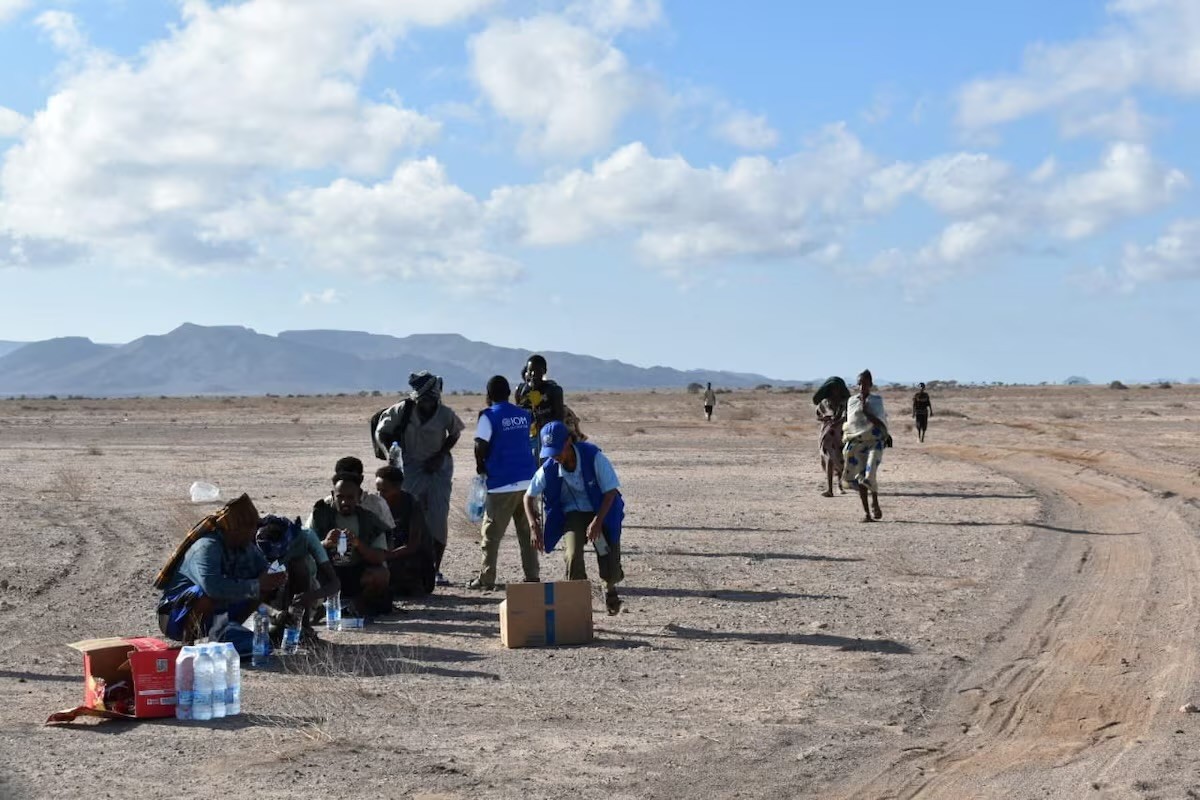
At least 139 migrants dead, including some children, after boat from Djibouti to Yemen capsizes, UN agency says
21:17
11 October 2026
Central African Republic foils planned large-scale militant attack
07:04
11 October 2026
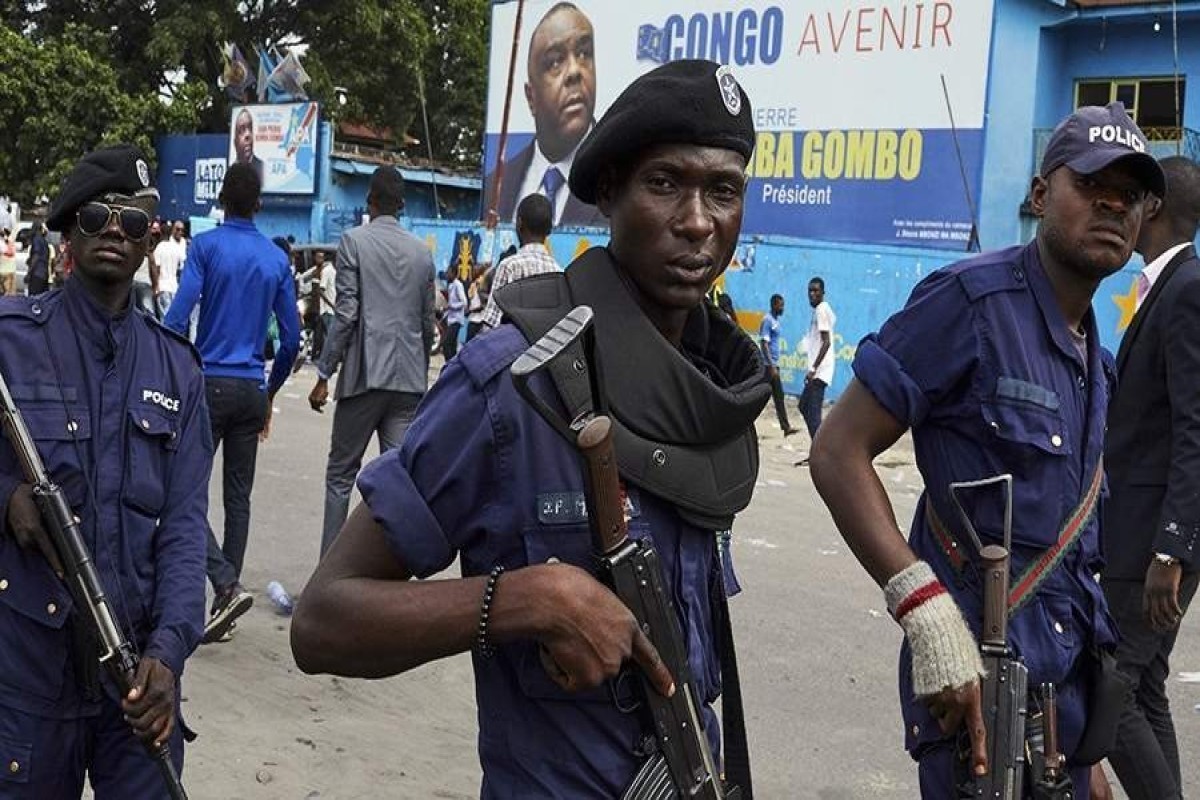
Rebel attack kills 11 civilians in DR Congo
05:16
11 October 2026

NEWS FEED
More than 40 flights to Istanbul have been diverted to other airports
04:09
15 October 2026
Houthis claim hit on Saudi fighter jet
03:41
15 October 2026
US destroys Iran-linked ship in Gulf of Oman
02:37
15 October 2026
Aston Villa beat Fenerbahce 6-0 in Champions League clash at Villa Park
02:10
15 October 2026
Media and Broadcasting Council and Ministry of Health release joint statement
01:37
15 October 2026
Trump: Canada will end up being 51st state
01:14
15 October 2026
Istanbul roads collapse, traffic hits 90% as flooding continues
00:52
15 October 2026
Banks, buildings burn as Albania's capital Tirana erupts into student violence
00:26
15 October 2026
Six years pass since Armenian army's shelling of Terter cemetery
00:00
15 October 2026
Haberturk: Teenager dies from electric shock during heavy rain in Istanbul
23:45
14 October 2026
Ukrainian President rules out resigning, holding elections
23:39
Audio
14 October 2026
FBI denies Patel's visit to Russia
23:16
14 October 2026
Britain will develop military equipment for Ukraine
23:00
14 October 2026
Dinner hosted on behalf of President Ilham Aliyev in honor of participants of 7th CICA Summit
22:44
14 October 2026
French President to visit Gulf states from October 19 to 21
22:34
14 October 2026
President Ilham Aliyev met with President of Tajikistan
22:18
14 October 2026
President Ilham Aliyev met with President of Uzbekistan-UPDATED
21:50
14 October 2026
US plans to deploy hundreds of thousands of kamikaze drones
21:41
14 October 2026
Zelenskyy says he feels 'betrayed' by Trump's actions
21:25
14 October 2026
FBI Director Patel visits in Russia
20:37
14 October 2026
Iranian FM, Lebanese President discuss developments in Lebanon and the region
20:27
14 October 2026
Le Pen and Melenchon gain momentum ahead of French 2027 election, poll shows
20:11
14 October 2026
Amir of Qatar arrives in Azerbaijan
19:35
14 October 2026
Hakan Fidan arrives in Baku - UPDATED
19:13
14 October 2026
President Ilham Aliyev met with President of Israel
19:11
14 October 2026
President Ilham Aliyev receives member of Political Bureau of CPC Central Committee
19:09
14 October 2026
President Ilham Aliyev receives Bahrain’s Foreign Minister
19:09
14 October 2026
Georgia not invited to EU forum
19:08
14 October 2026
President of Azerbaijan receives Sri Lankan minister
19:06
14 October 2026
President Ilham Aliyev met with Vietnamese Vice President
19:06
14 October 2026
State Migration Service: More than 30 Azerbaijani citizens readmitted from Germany
18:48
14 October 2026
MP from Pashinyan’s party denied entry to Russia
18:32
14 October 2026
Shavkat Mirziyoyev arrives in Baku - UPDATED
18:30
14 October 2026
Azerbaijani delegation familiarizes itself with operations of Kazakhstan’s leading ports and terminals
18:22
14 October 2026
Azerbaijani and Kyrgyz delegations hold meeting - VIDEO
18:15
14 October 2026
“Falcons Meet - 2026” joint tactical flight exercise continues - VIDEO
18:14
14 October 2026
Trump did not invite OSCE observers to the U.S. midterm elections
18:10
14 October 2026
Chinese and Russian foreign ministers meet in Baku
18:08
14 October 2026
Emomali Rahmon arrives in Azerbaijan
18:03
14 October 2026
Kyrgyz President arrives in Azerbaijan
17:47
14 October 2026
NATO Secretary General: No need for idea of unified European army
17:32
14 October 2026
Prime Ministers of Azerbaijan and Cambodia meet in Baku
17:29
14 October 2026
Kanak politician: We cannot allow France to continue its colonial policy
17:26
14 October 2026
Azerbaijan-Laos investment and business forum held in Baku - PHOTO - UPDATED
17:26
14 October 2026
Kazakh President begins visit to Azerbaijan
17:23
14 October 2026
Agreement reached on draft documents to be adopted at 7th CICA Summit in Baku tomorrow
17:19
14 October 2026
Assessment of OPEC+ countries’ production capacities to be ready by year-end
17:15
14 October 2026
Azerbaijani and Kyrgyz delegations hold meeting - VIDEO
17:11
14 October 2026
Russian FM arrives in Azerbaijan - UPDATED
16:58
14 October 2026
Novak: Diesel agreement with US will increase oil production in Russia
16:56
14 October 2026


