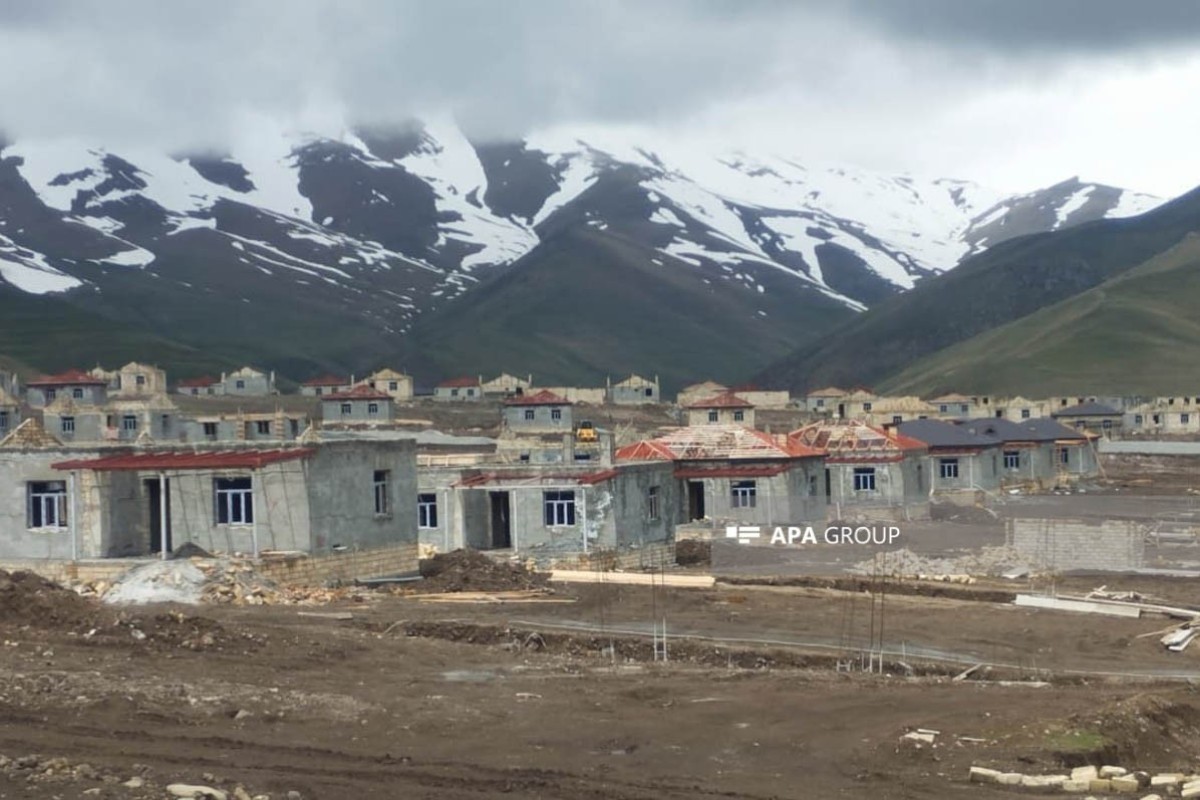


The return of residents to Zar village in Kalbajar is planned by the end of this year, Bashir Hajiyev, Special Representative of the President of the Republic of Azerbaijan in Kalbajar district, said during the event titled “Lachin & Kalbajar: From Urbicide to Post-Conflict Reconstruction” held within the framework of WUF13, APA reports.
He also stated that all reconstruction and development work being carried out today is rooted in the severe destruction, vandalism and ecological terror that Kalbajar endured for many years.
“During the occupation period, the district’s residential settlements were completely destroyed, social infrastructure was ruined, and the living environment built by people over many years was devastated. Acts of vandalism were committed against our historical and cultural heritage. Historical monuments, cemeteries and cultural heritage sites were subjected to severe destruction.
At the same time, Kalbajar’s rich natural resources and ecological environment were ruthlessly exploited. Forests were destroyed, natural resources were looted, and serious damage was inflicted on water resources and biodiversity. The district’s economic potential, tourism opportunities and social infrastructure formed over many years were devastated. People were forcibly displaced from their native lands.
Therefore, the projects being implemented in Kalbajar today are not only a process of construction and reconstruction, but also represent the restoration of historical justice and the return of life to native lands once again.
Following the 44-day Patriotic War and the liberation of our territories, large-scale and targeted reconstruction and development work has been carried out under the instructions of the President of the Republic of Azerbaijan. These projects support the rapid revival of the Karabakh and East Zangazur economic regions, ensure sustainable settlement of the population, preserve sustainable economic activity and create a solid foundation for transforming these territories into highly developed regions.
At the same time, the ongoing processes are of particular importance in eliminating the destruction, acts of vandalism, and damage inflicted on the ecological environment and cultural heritage in our territories during the occupation period.”


 Follow us on Telegram
 t.me/apanewsaz
 Follow us on Instagram
 Follow us on TikTok
 Follow us on Facebook
 Follow us on X