







Azerbaijan's future ambitions for its young people depend directly on what happens in schools. We want to raise a generation of graduates who can think independently, possess high levels of knowledge and skills, and contribute to the diversification of our economy. To achieve this, we must pay closer attention to how children experience education and to the pressures and challenges that prevent them from benefiting fully from it.
UNICEF's "Turn Down the Noise" campaign, launched in October this year, once again highlights the loneliness experienced by many young people and the difficulties they face in seeking help. According to the World Health Organization, one in seven adolescents experiences a mental health disorder. Many of these conditions go undetected and untreated. Under such circumstances, schools cannot treat mental health as a secondary concern.
At the European Azerbaijan School (EAS), we are implementing various measures to support young people during this challenging period. Psychologists and counselors working at the school help students facing academic pressure, relationship difficulties, and personal problems. Crucially, our approach is not limited to intervention after problems arise. Regular wellbeing sessions cover social and emotional learning, mindfulness practices, and emotional regulation. Initiatives such as Mental Health Day encourage students to speak openly about their feelings and experiences.
In addition, a dedicated committee oversees the school's child protection policy. All staff members undergo relevant training every year to ensure that student safety and wellbeing become a shared responsibility. We encourage students to complete most of their assignments during the school day and restrict phone use through special lockable pouches. All these measures are complemented by psychological support, regular wellbeing assessments, and ongoing communication with parents.
However, introducing new school mechanisms alone is not enough to address this problem. To tackle it effectively, we must first understand the causes of the existing mental health crisis. Academic pressure, bullying, social isolation, and socioeconomic difficulties are among the main factors contributing to deteriorating psychological well-being. In Europe, 25 percent of students report experiencing bullying, while 13 percent of adolescents say they feel lonely at school.
Digital technologies also contribute to this problem. As I have noted in my previous articles, alongside the pressures created by social media, excessive smartphone use can disrupt sleep patterns, weaken concentration, and negatively affect overall wellbeing. Research conducted in Azerbaijan also indicates a link between academic burnout and psychological distress. This confirms the importance of addressing pressures both inside and outside schools.
So, what needs to be done? Encouragingly, some progress is being made in this direction. Efforts to strengthen psychological support in Azerbaijani schools are increasing. Since 2020, UNICEF programs have equipped 80,000 children and education professionals with relevant knowledge and skills to strengthen emotional resilience.
Education systems worldwide are also increasingly recognizing the importance of integrating mental health into school life. This covers a wide range of measures, from improving teacher training to incorporating wellbeing into curricula. Dubai provides a positive example in this regard. Dubai's Knowledge and Human Development Authority places greater emphasis on student wellbeing when evaluating school performance, recognizing that education should foster not only academic achievement but also emotional and social development.
However, we should not stop there. Some may argue that schools are already overburdened. Yet this perspective overlooks the fact that preventive mental health support makes it possible to address problems before they escalate and prevent them from negatively affecting the educational process.
I consider three main steps to be priorities in this direction.
First, we must strengthen mental health awareness and parental involvement. Age-appropriate lessons, training for teachers and school staff, and regular meetings with parents should help children express their difficulties and enable adults to respond sensitively. Parents must understand the pressures their children face, particularly the effects of social media, and be able to recognize warning signs at home in a timely manner. Singapore's age-specific recommendations on children's screen time provide a good example of how governments can offer families practical and accessible information.
Second, we must make schools safer environments by limiting digital distractions and ensuring access to professional support. The government should encourage restrictions on smartphone use during school hours and measures to prevent excessive social media use. International experience in this area already exists. For example, England's guidance promoting phone-free school days provides a useful model. Alongside these measures, opportunities should be created for sports, reading, and friendships based on face-to-face interaction, while students should have clear and accessible pathways to support from psychologists and other professionals.
Third, preventive measures should be based on students' experiences and international best practices. Children themselves should also participate in shaping this approach. In the United Arab Emirates, Dubai's wellbeing census initiative gathers students' views on their psychological state, relationships, and school experiences. This information helps schools identify key problems and priorities. Azerbaijan could also benefit from this experience by combining anonymous student feedback with national research to address bullying, academic stress, and barriers to psychological support more effectively. Schools such as EAS can contribute by sharing their experiences and helping identify which approaches are most effective.
Implementing all these measures properly is of great importance for Azerbaijan's future. To build a stronger and more diversified economy, we need young people who think independently, adapt to change, and overcome challenges with confidence. The importance of intellectual and academic skills is beyond doubt. However, we must now devote equal attention to developing the social skills and psychological resilience that young people need to succeed in the face of changing and uncertain pressures.
The message to teachers, governments, and parents around the world is clear: We owe our children happier and more fulfilling lives.
It is our responsibility to make this a reality.
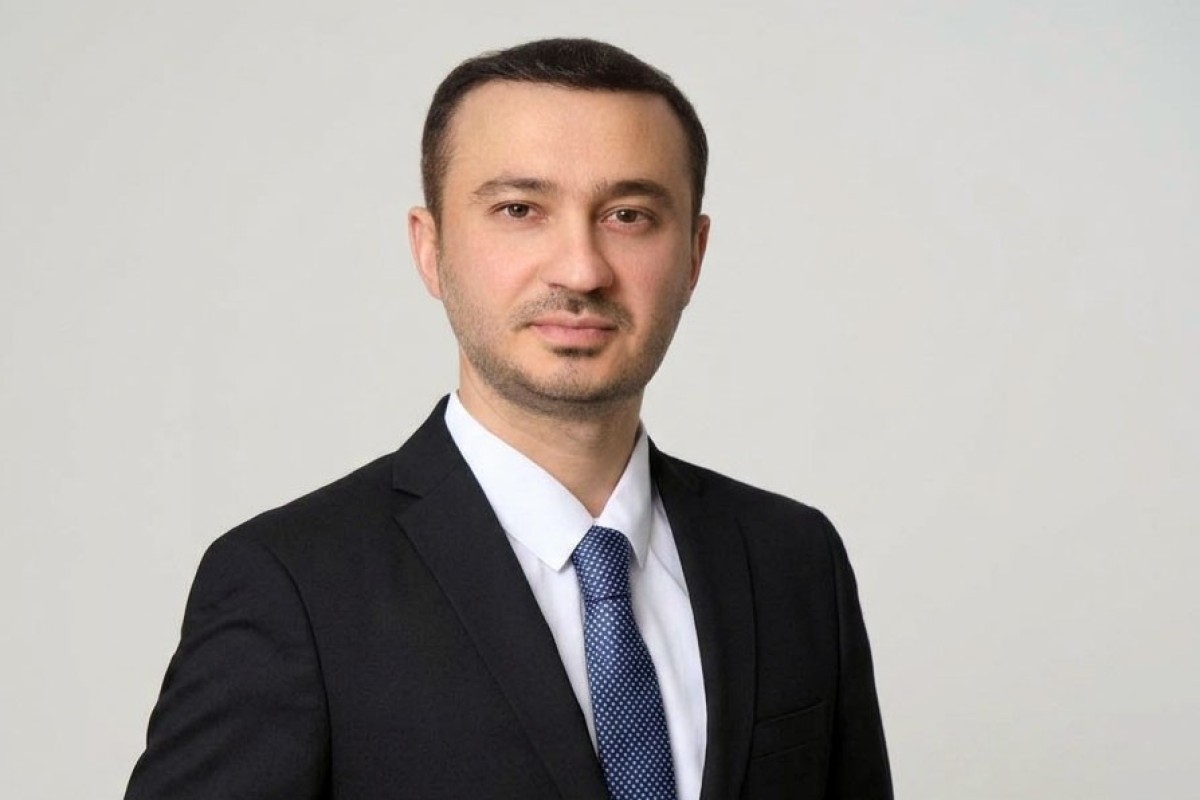
Tale Heydarov
Founder of the European Azerbaijan School (EAS)


 Follow us on Telegram
 t.me/apanewsaz
 Follow us on Instagram
 Follow us on TikTok
 Follow us on Facebook
 Follow us on X

 PHOTO -