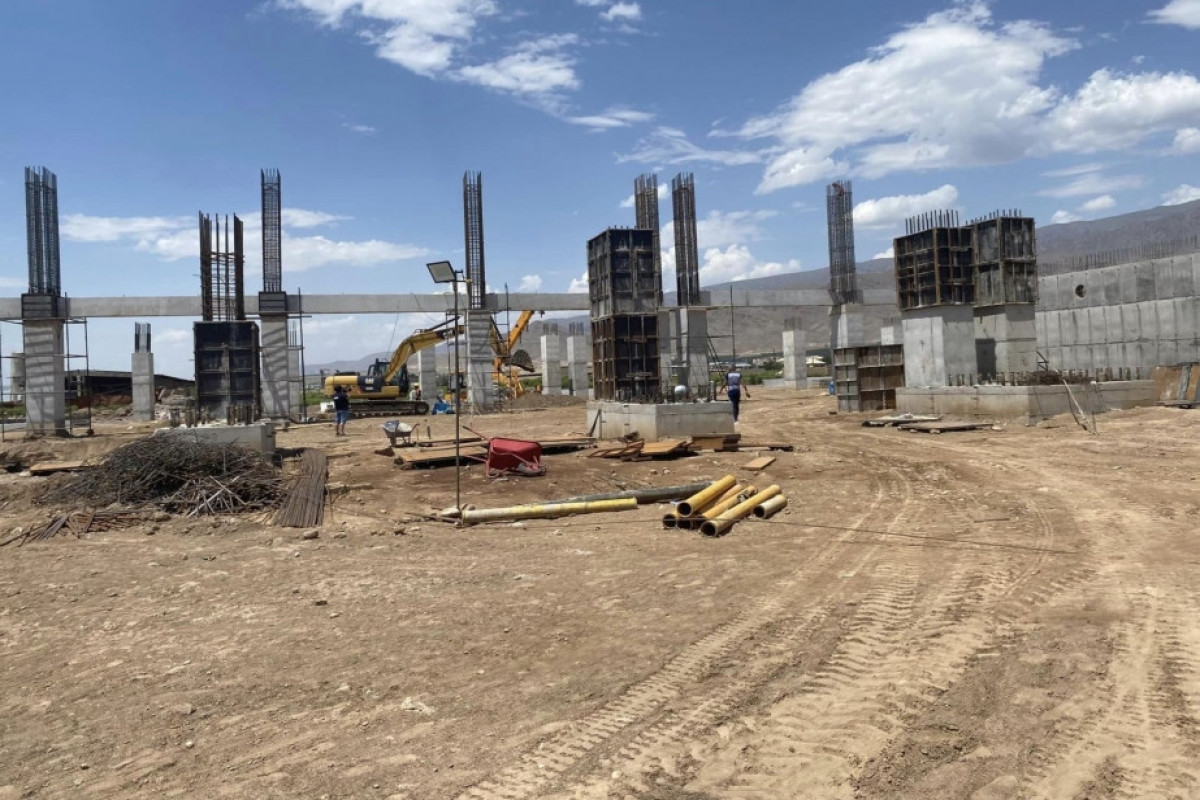


"The threat of the discharge of waste from the metallurgical plant built by Armenia in Arazdeyen, located on the border with Azerbaijan, into the Araz River is causing concern in terms of the wildlife in the river, as well as the farms that use the Araz River for irrigation purposes," Indian human rights activist Mohammad Husain told APA.
He said that the petition signed by more than 30 civil society activists, experts and eco-activists will help bring the issue to the attention of the international community, and the adopted statement will be sent to UN agencies, international environmental and human rights organizations:
It is very good to sign such a collective statement, we must understand that money is not everything. The construction of such a plant harms people and the planet. Considering its large-scale effects on human health, the environment, and sustainability, the construction of this plant is a red line for civil society organizations. The potential impacts of toxic chemical waste from the metallurgical plant on the local ecosystem will be enormous. This environmental impact will inevitably have negative effects on human health and safety, flora, fauna, soil, air and water structures. The potential for the discharge of the plant's waste into the Araz River is a concern for wildlife in the river, as well as for farms that use the Araz River for irrigation. Damage to drinking water supplies can lead to the spread of infectious diseases in border villages, harming people's health and water security. This could potentially create a serious public health crisis for both Azerbaijan and Armenia."
Mohammad Husain called on civil society organizations of Armenia, especially public health and anti-tuberculosis campaigners, to take immediate action and protest against the construction of this plant in Arazdeyen.
"Its construction will undoubtedly have major negative effects on the ecological situation of Armenia itself," he said.


 Follow us on Telegram
 t.me/apanewsaz
 Follow us on Instagram
 Follow us on TikTok
 Follow us on Facebook
 Follow us on X

 UPDATED'>