

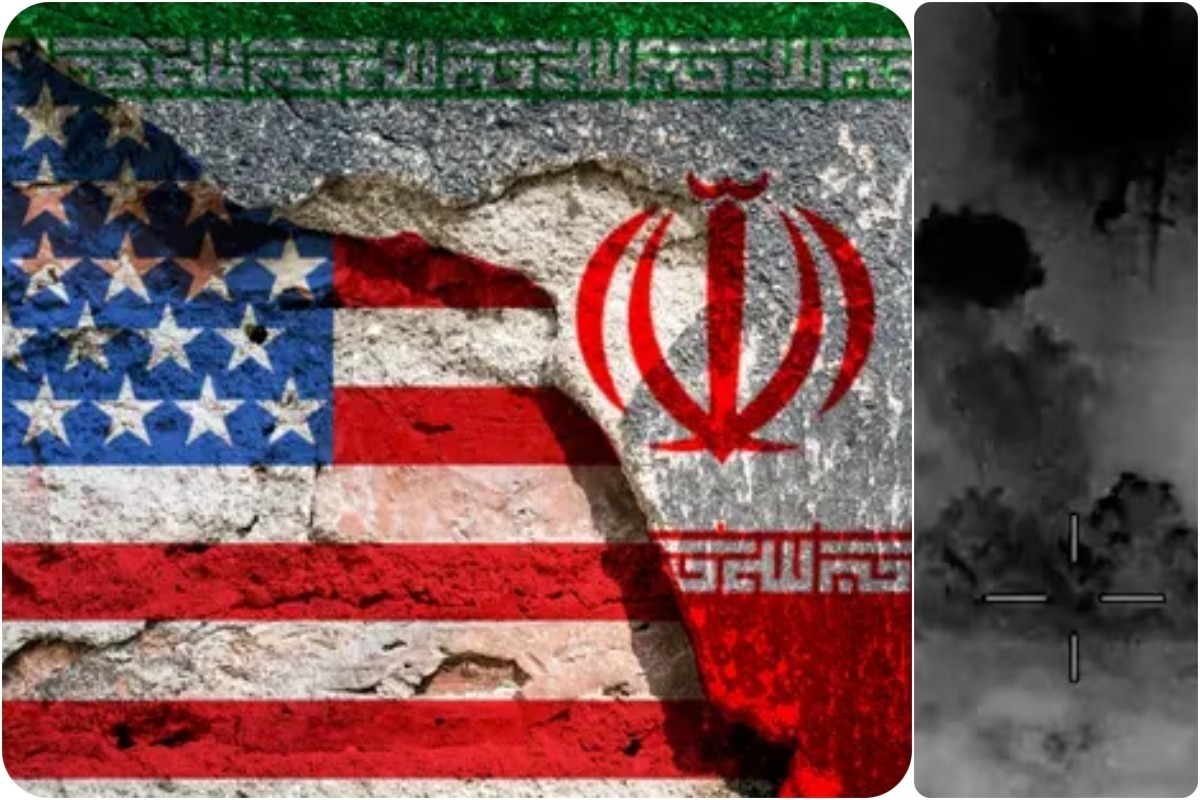


Iran and the United States have continued to engage in attacks in the Gulf, with each side accusing the other of violating a temporary agreement signed less than two weeks ago that was supposed to end the four-month-old war.
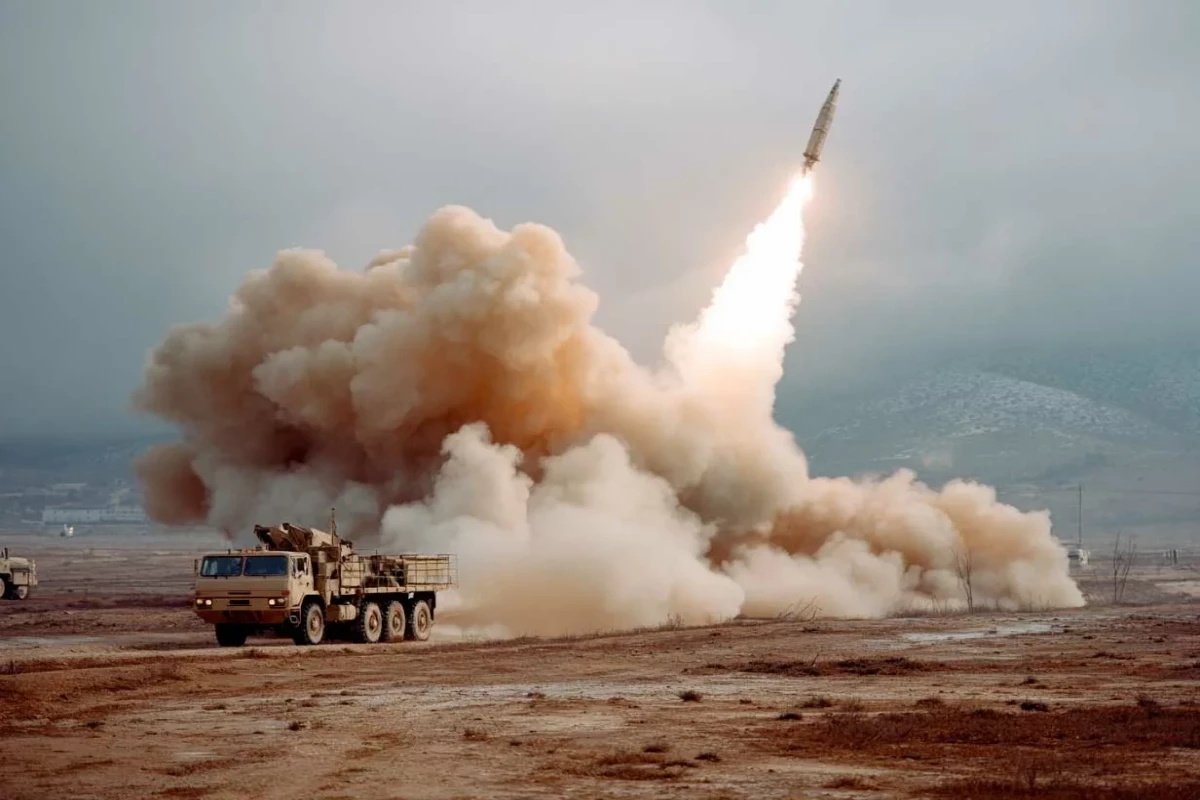
Iran launched missiles and drone strikes on US military facilities in Kuwait and Bahrain on Sunday morning, shortly after US President Donald Trump warned that his country could "get the job done militarily," Reuters reported, adding to a series of attacks that have further escalated tensions.
Beyond the Gulf, Israel announced it had struck members of the Iranian-backed Hezbollah in southern Lebanon, a region Tehran sees as crucial to a peace deal with Washington.
The US military earlier said it had launched new strikes against Iran hours after the tanker was hit in the Strait of Hormuz. The Strait of Hormuz is the world's most important energy shipping route and Iran had severely restricted traffic through it for much of the conflict.
Iran's Islamic Revolutionary Guard Corps said its naval and air forces carried out missile and drone operations targeting US military facilities in Kuwait and Bahrain in response to recent US strikes.
The Corps said in a statement that the US strikes violated the ceasefire and would lead to a complete halt to all diplomatic processes. The Corps' naval command said that American bases in the region would "experience hell in the coming days."
A US official confirmed the attacks on US facilities and said there were no reports of casualties or serious damage to US facilities in the Middle East. However, the situation was still evolving.
A few hours later, a second wave of warnings sounded in Bahrain. Authorities said an Iranian attack had damaged a residential building in Muharraq province but caused no injuries. Bahrain called for an emergency meeting of the UN Security Council to hold Iran accountable.
The Kuwaiti army said two ballistic missiles were neutralized, with no damage or casualties.
US Central Command previously announced that it had launched new strikes after a Panamanian-flagged tanker was attacked by an Iranian drone on Saturday.
The command statement said that Iran was given the opportunity to comply with the ceasefire agreement, but Tehran chose not to do so. The US strikes were carried out in direct response to Iran's ongoing aggression against commercial shipping, and the targets were Iranian military observation, communications, air defense, drone storage and mine-laying facilities.
Iranian state television reported that explosions were heard in the Sirik region in the south of the country, but gave no details. The Islamic Revolutionary Guard Corps said that the American "blind firing" on Sirik would not eliminate Iran's dominance over the Strait of Hormuz. They added that the firing on "violators" would remind other ships of the passage route.
The Galapagos container ship left the strait on Sunday morning, despite continued attacks, in what the shipping company called "an important milestone in the context of a complex and constantly vigilant regional situation."
In Lebanon, Israel said on Sunday it had killed Hezbollah members armed with rocket-propelled grenades and struck a rocket launcher in the Nabatiyeh region. Hezbollah did not immediately respond to a request for comment.
Iran accuses the United States of violating its commitment to maintain a ceasefire in Lebanon under a peace deal. US ally Israel entered Lebanon in March to pursue Hezbollah.
Israel and Lebanon, which are not parties to the US-Iran deal, have agreed to several US-brokered ceasefires, the most recent on Friday. But the impact of these agreements has been limited. Israel says it will not withdraw from the Lebanese territories it has seized, while Hezbollah rejects calls to hand over its weapons as long as Israeli troops remain there.


 Follow us on Telegram
 t.me/apanewsaz
 Follow us on Instagram
 Follow us on TikTok
 Follow us on Facebook
 Follow us on X