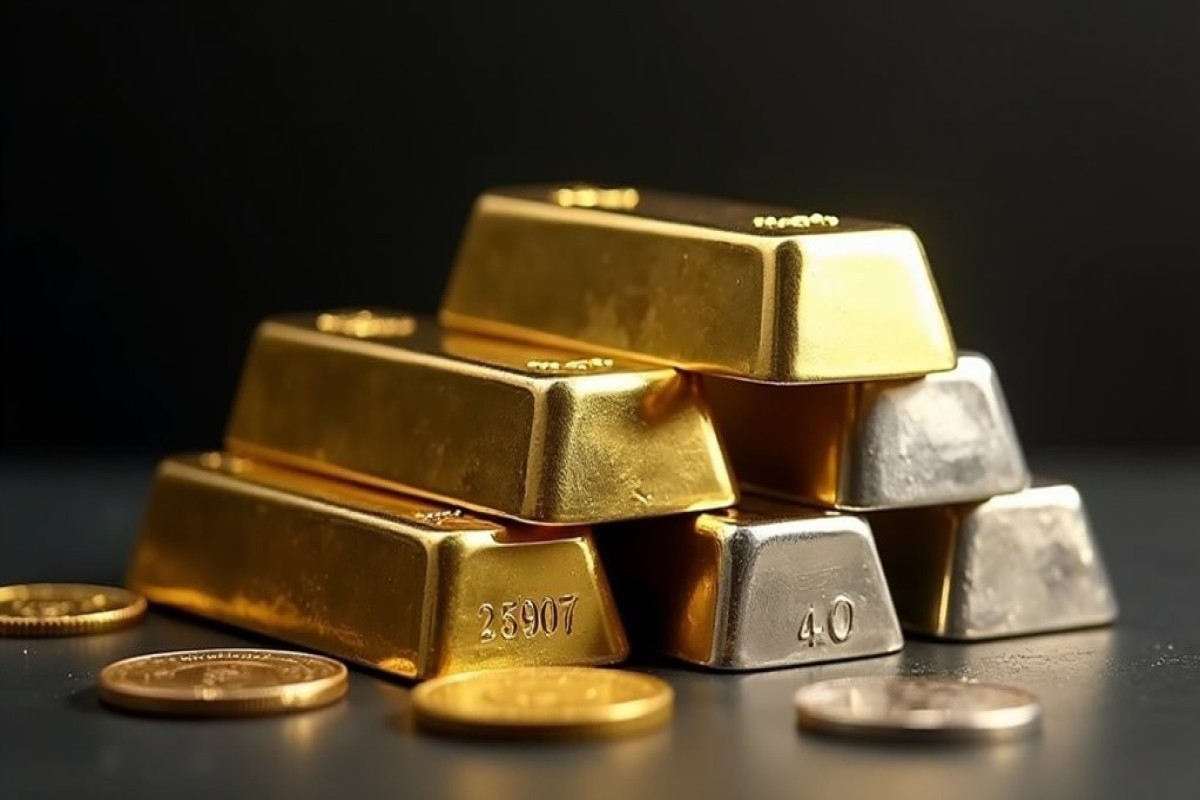






In the third quarter of 2026, global gold demand, including the over-the-counter (OTC) market, decreased by 1% year-on-year to 1,369 tons, stated in a report by the World Gold Council, APA-Economics reports.
However, global demand reached 3,881 tons in January–September, approaching the record figure of 3,884 tons recorded in 2025.
According to the report, the value of gold demand reached a record high of USD 566 billion during the reporting period.
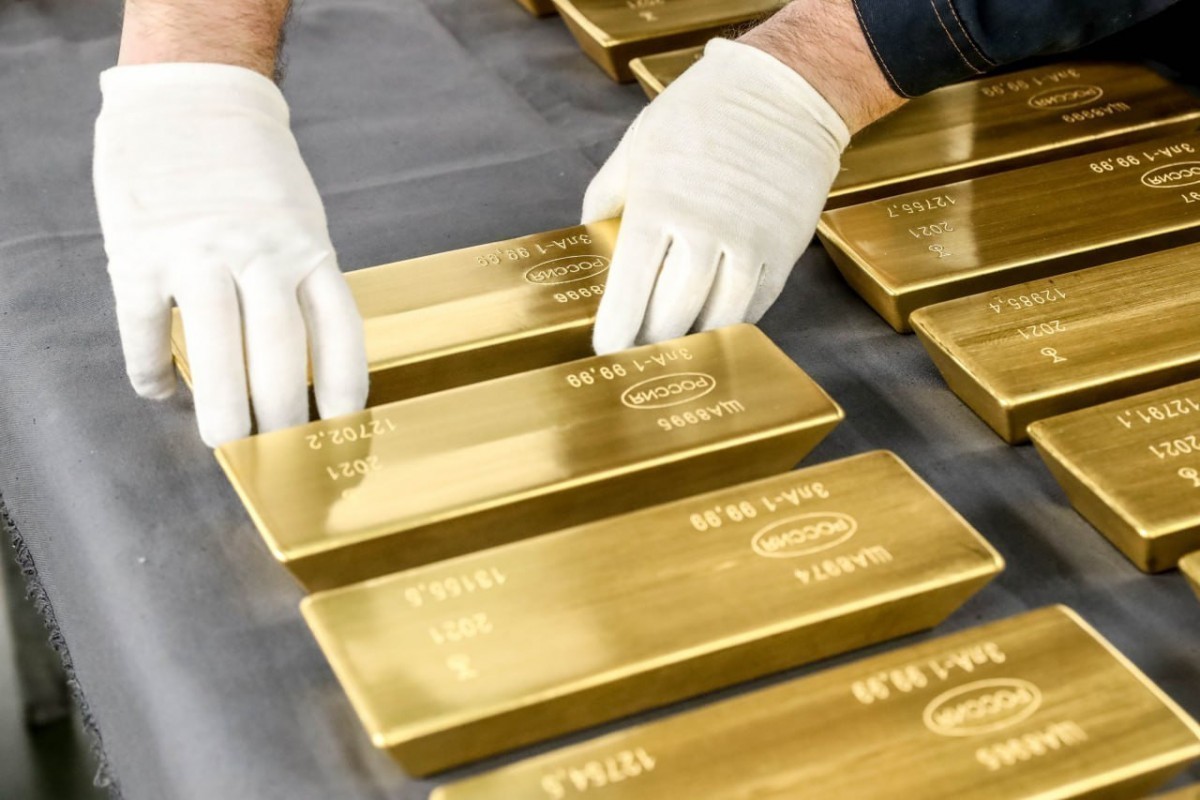
Central bank gold purchases increased sharply in the third quarter, reaching 321 tons. This figure exceeded the typical quarterly purchase volumes recorded in recent periods. Thus, central bank gold purchases reached 675 tons in January–September, an increase of 6% compared to the same period last year.
Following net outflows recorded in the second quarter, inflows into gold-backed exchange-traded funds (ETFs) resumed. The gold holdings of these funds increased by 211 tons in the third quarter. The inflows are believed to be linked to growing concerns about public finance sustainability and inflation, as well as other factors.
Investors in gold bars and coins, meanwhile, acted more cautiously. Amid investors waiting for a clearer picture of future price movements, global demand in this category decreased by 19% year-on-year to 268 tons.
Gold demand for jewelry declined by 17% year-on-year to 313 tons. This was the lowest figure recorded for a third quarter in the entire period of observation. High prices continued to limit demand across all markets. Nevertheless, the value of jewelry demand increased by 2% year-on-year to USD 43 billion.
The volume of gold used in the technology sector increased by 3% year-on-year in the third quarter. Rising demand from artificial intelligence-related manufacturing industries outweighed the restrictive impact of high gold prices.


 Follow us on Telegram
 t.me/apanewsaz
 Follow us on Instagram
 Follow us on TikTok
 Follow us on Facebook
 Follow us on X