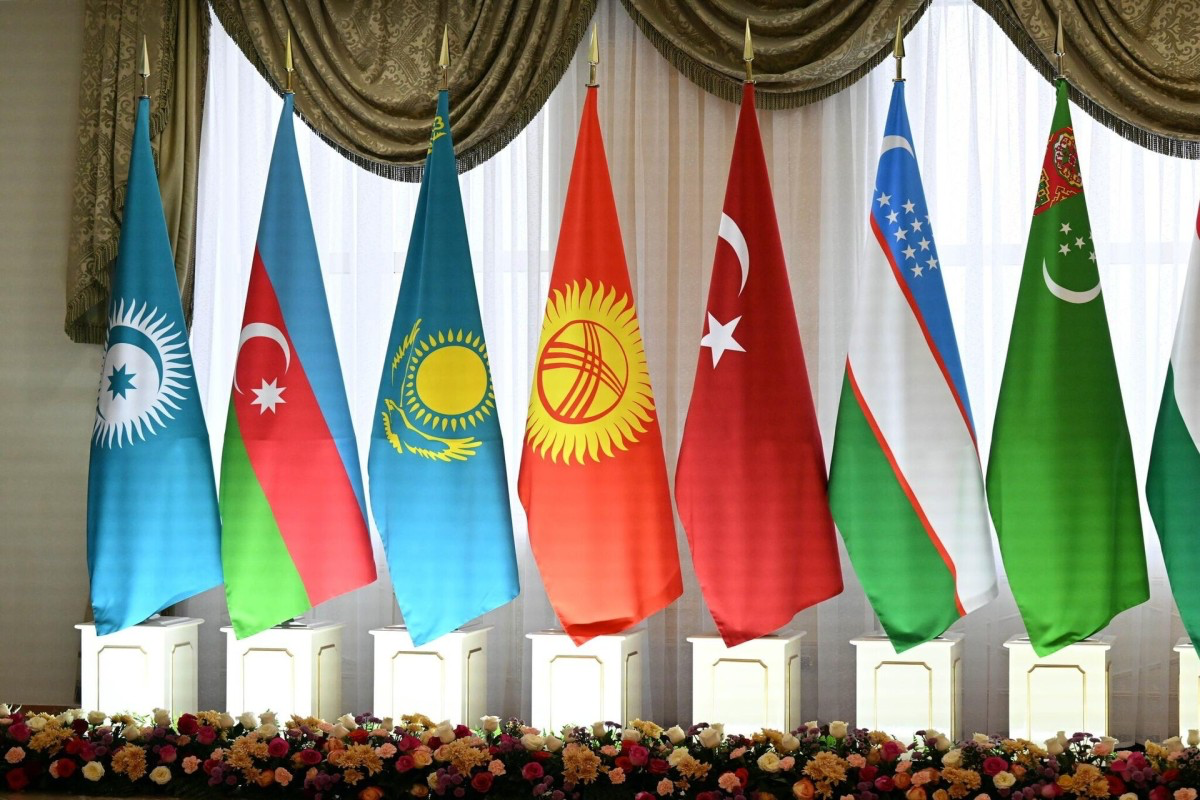


It is impossible to define Azerbaijan's geopolitical identity within the confines of a single regional space. Just as Azerbaijan is an integral part of the Turkic world in historical, cultural, and political terms, it is also a key state in the Caucasus from geographical, political, and security perspectives. It is precisely this dual affiliation that constitutes a crucial feature—and a strategic advantage—of Azerbaijan's regional policy.
In this context, the unity of the Turkic world and unity within the Caucasus should not be presented as mutually exclusive geopolitical projects. Deepening Azerbaijan's integration with the Turkic world does not imply distancing itself from the Caucasus, nor does establishing a regional cooperation system in the South Caucasus entail a weakening of Baku's strategic ties with Turkic states. On the contrary, the uniqueness of Azerbaijan's geopolitical position lies in its presence within both spheres and its capacity to align their respective interests.
Integration in the Turkic world: Azerbaijan's strategic position
For Azerbaijan, the Turkic world represents more than just a realm of ethnic, linguistic, and cultural affinity. The intensification of political dialogue, the expansion of economic ties, and the growing prominence of transport, energy, and security issues within the framework of the Organization of Turkic States in recent years signal that integration within the Turkic world has entered a new phase. Azerbaijan is a key political pillar and an active participant in this process. Alliance relations with Türkiye, the expanding strategic partnership with the Turkic states of Central Asia, and the development of transport and energy links across the Caspian Sea strengthen Azerbaijan's role as a key state connecting the western and eastern parts of the Turkic world.
Caucasus Unity: A New Political Perspective for Regional Cooperation
However, the Caucasus represents the second fundamental dimension of Azerbaijan's political geography. Azerbaijan is not an external actor in this region; it is one of the three states with a direct stake in its future. Consequently, the nature of the security, economic cooperation, and political relations that take shape in the South Caucasus is a matter of strategic importance for Azerbaijan's long-term national interests.
It is precisely in this context that the concept of "Caucasus unity" acquires special significance. This does not imply a unification of Azerbaijan, Georgia, and Armenia into a single foreign policy entity or a military-political bloc; such an approach would not align with current geopolitical realities. Rather, Caucasus unity can be understood primarily as the regional states taking ownership of their own geography, cooperating on the basis of mutual interests, and strengthening the principle of regional responsibility in addressing issues concerning the region's future.
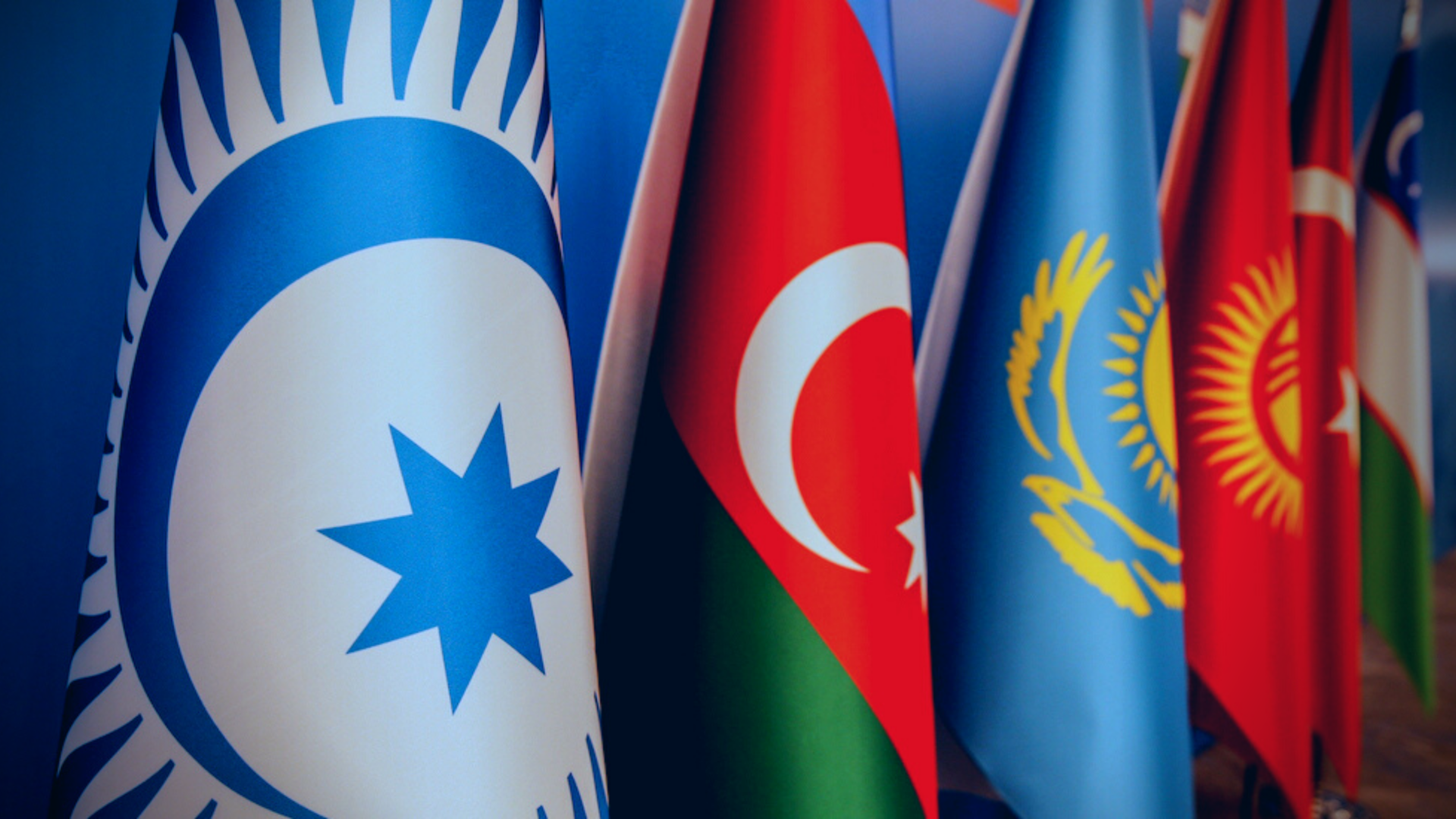
The normalization of Azerbaijan-Armenia relations is of decisive importance in this regard. Achieving lasting peace could serve as a starting point not only for ending the conflict between the two countries but also for establishing a new system of political relations across the South Caucasus. Cooperation based on mutual interests among Azerbaijan, Georgia, and Armenia—spanning transport, trade, energy, the environment, and other sectors—could enable the region to move beyond its status as a fragmented geopolitical space.
Two geopolitical spheres, a unified strategic path: Azerbaijan’s role as a bridge
In this context, Azerbaijan’s affiliation with the Turkic world acts not as an obstacle to Caucasus unity, but as an additional opportunity. This is because, alongside fostering cooperation within the Caucasus, Azerbaijan can link the region to the economic and transport capabilities of the broader Turkic world. At the same time, a stable Caucasus open to cooperation would create a more favorable geopolitical environment for expanding the Turkic world’s ties toward Turkey and Europe.
In other words, the unity of the Turkic world can strengthen Azerbaijan’s strategic depth, while Caucasus unity can bolster the stability of the region in which it is situated. The intersection of these two dimensions creates a unique position for Azerbaijan within its regional policy.
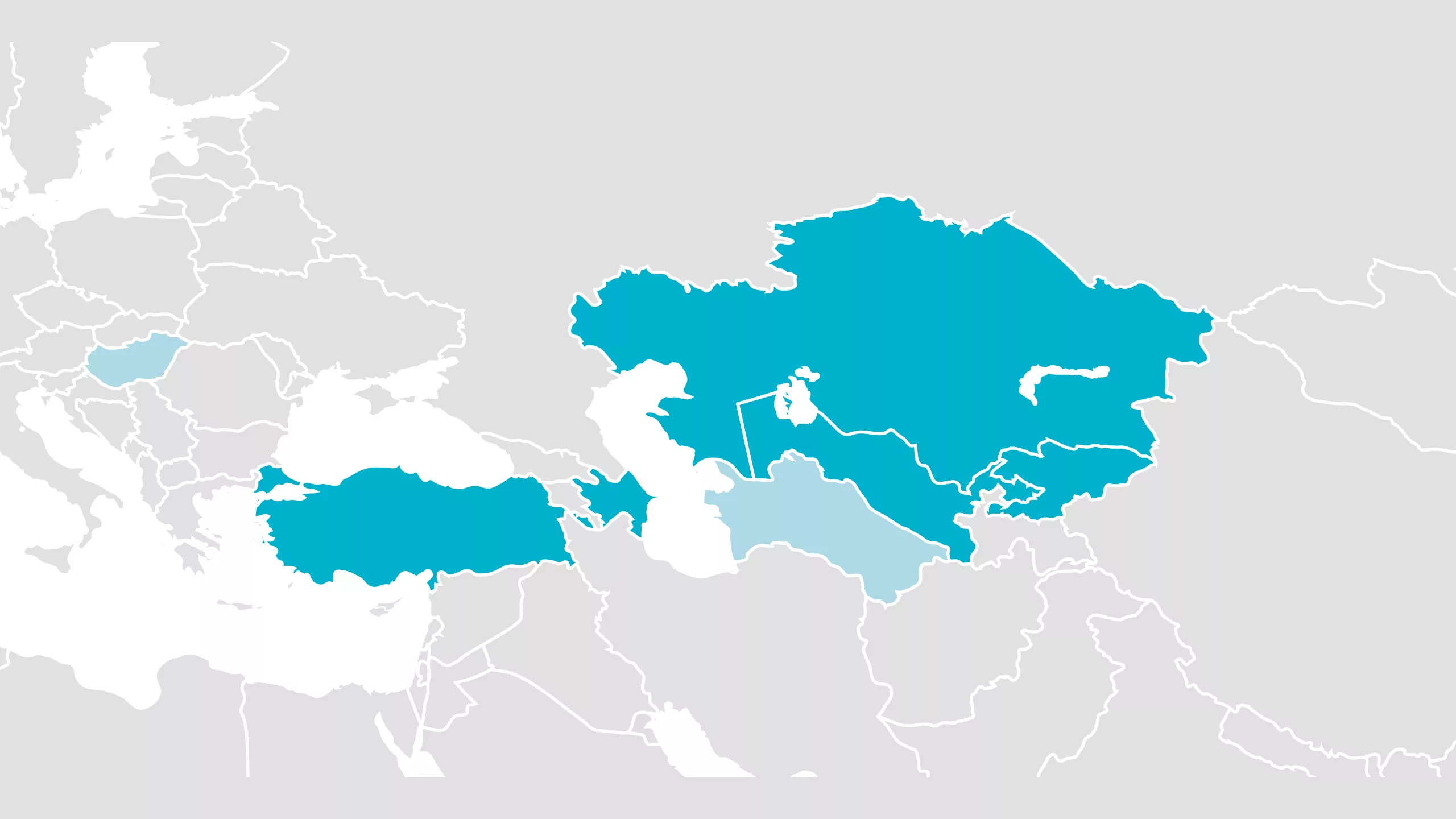
Azerbaijan’s advantage also lies in the fact that it is not compelled to build one of these two identities at the expense of the other. While deepening strategic ties with Ankara, Astana, Tashkent, and other Turkic capitals, Baku can simultaneously develop a long-term partnership with Tbilisi and establish a new system of relations with Yerevan based on peace and normalization. Such an approach integrates Azerbaijan’s position within the Turkic world and its regional role in the Caucasus into a unified foreign policy concept.
From this perspective, Azerbaijan’s future geopolitical weight will not be determined solely by its transit capabilities, energy resources, or military-political potential. The key factor is the extent to which Baku can harmonize the opportunities offered by the two regional spheres to which it belongs.
Azerbaijan is the Turkic world’s state in the Caucasus, as well as one of the Caucasus’s primary representatives within the Turkic world. This dual politico-geographic identity enables Baku to play an active role both in deepening integration within the Turkic world and in establishing a new model of regional cooperation in the South Caucasus.
The strengthening of the Turkic world and the formation of regional unity in the Caucasus are not mutually exclusive; provided the right political architecture is established, they can become mutually reinforcing processes. Azerbaijan, as a natural component of both spheres, stands at the key political juncture where these two directions intersect. Baku’s strategic advantage lies not in making a choice, but rather in transforming its dual affiliation into a source of strength for a unified regional policy.



 Follow us on Telegram
 t.me/apanewsaz
 Follow us on Instagram
 Follow us on TikTok
 Follow us on Facebook
 Follow us on X