

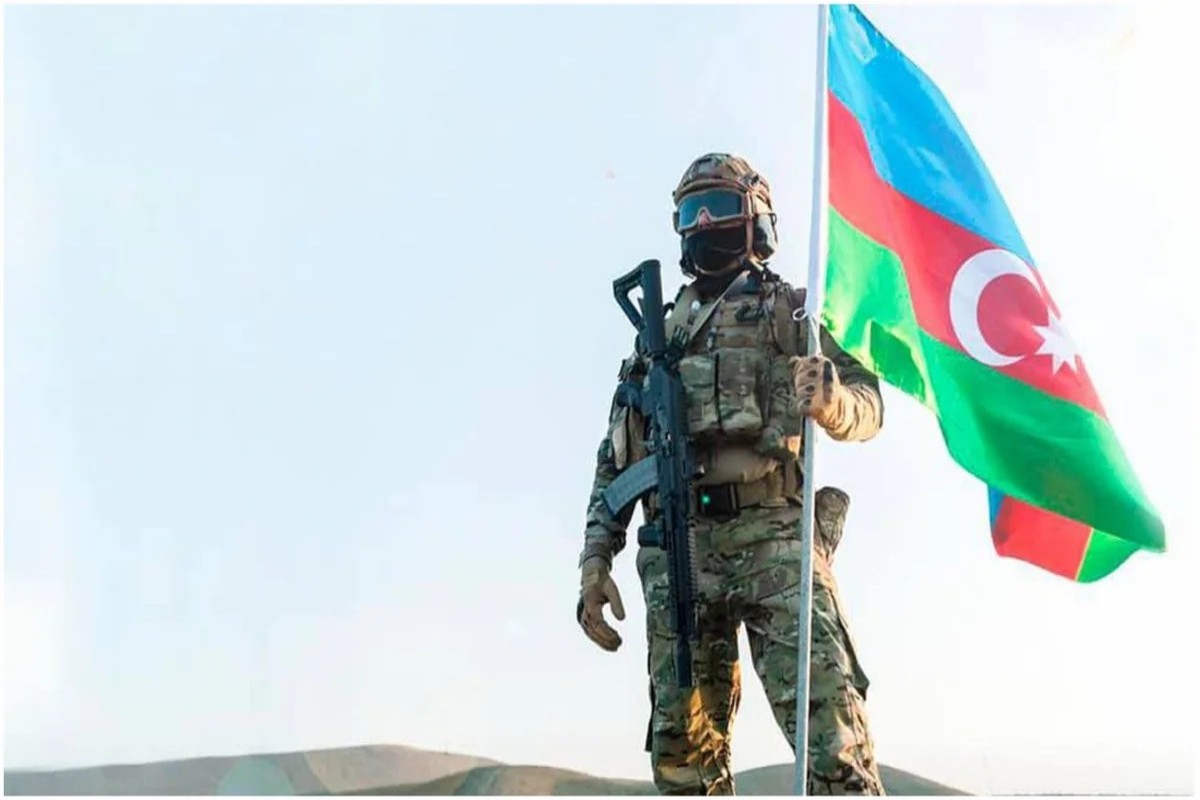


The local anti-terror measures launched in Karabakh on September 19, 2023, were not merely another military operation in Azerbaijan’s history, but a decisive stage that brought an end to the military and political reality created by a conflict that had lasted for decades. As a result of the operation, which lasted less than 24 hours, Azerbaijan was able to restore its constitutional order throughout its entire sovereign territory. Therefore, the historical significance of the events of September 19–20 cannot be measured solely by the results achieved on the battlefield. The operation holds particular significance as it completed the restoration of territorial integrity achieved during the 2020 Patriotic War by ensuring the full exercise of state sovereignty.
In fact, the road to September 2023 had begun much earlier. For many years, Azerbaijan sought to resolve the Karabakh conflict through negotiations, but no result was achieved. Although UN Security Council Resolutions 822, 853, 874 and 884, adopted in 1993, contained demands concerning the withdrawal of forces from the occupied territories, a political settlement of the conflict remained unattainable for decades. Mediation conducted within the framework of the OSCE Minsk Group also failed to result in a final peace agreement.
Following Nikol Pashinyan’s rise to power in Armenia in 2018, new disagreements emerged in the negotiation process. Pashinyan’s initiatives to change the format of the negotiations were viewed by Baku as an attempt to depart from the existing negotiation framework. His statement in Khankendi in August 2019 that “Artsakh is Armenia, period” further hardened the political rhetoric surrounding the confrontation. President Ilham Aliyev responded at the Valdai Forum in October of that year with the words: “Karabakh is Azerbaijan, and an exclamation mark.”
This was followed by heavy fighting in July 2020 in the Tovuz direction of the Azerbaijan-Armenia state border. Just two months later, on September 27, large-scale hostilities began, and the 44-day Patriotic War fundamentally changed the balance of power in the region.
The Azerbaijani Army liberated extensive territories, including Fuzuli, Jabrayil, Zangilan, Gubadli and Shusha. Under the Trilateral Statement of November 10, 2020, the districts of Aghdam, Kalbajar and Lachin were also returned to Azerbaijan. This brought an end to the previous military reality of the Armenia-Azerbaijan conflict that had taken shape over decades.
However, although the November 10 Statement ended the war, it did not resolve all of the security issues facing Azerbaijan. Armed formations and separatist administrative structures continued to exist in Karabakh. Citing Paragraph 4 of the November 10 Statement, Baku demanded the complete withdrawal of Armenian armed forces from the territory.
From the 44-Day Victory to September 19
Between 2020 and 2023, Azerbaijan gradually strengthened its military-strategic positions in Karabakh and Eastern Zangezur. In this regard, the developments in the Farrukh direction, the “Revenge” operation conducted in August 2022, and the establishment of Azerbaijani Army control over a number of strategic heights represented important stages.
During the “Revenge” operation, the Girkhgiz height, Saribaba and several important commanding heights along the Karabakh mountain range were brought under control. This expanded the Azerbaijani Army’s operational capabilities and further strengthened its control over the military situation in the region.
During this period, the situation surrounding the Lachin road also became one of the main points of disagreement between Baku and Yerevan. The road was used to maintain connections between the Armenian residents of Karabakh and Armenia. Azerbaijan, however, stated that the route was also being used for military shipments and for transporting weapons, ammunition and mines. The Azerbaijani side cited, among the evidence supporting these claims, mines discovered in the Saribaba direction in 2022 bearing markings indicating that they had been manufactured in Armenia in 2021.
The establishment of a border checkpoint on the Azerbaijan-Armenia state border in the Lachin direction on April 23, 2023, fundamentally changed the situation. Azerbaijan thereby established direct control over that section of its state border. The continued presence of illegal armed formations inside Karabakh, however, remained the principal obstacle to the full exercise of state sovereignty throughout the country’s territory.
Another dimension of the issue was the reintegration of the Armenian residents of Karabakh into Azerbaijani society. Baku stated that this process should be carried out in accordance with the Constitution and laws of Azerbaijan. Armenia, meanwhile, raised the issue of the “rights and security” of the Karabakh Armenians during negotiations. In May 2023, Pashinyan stated that Armenia recognized Azerbaijan’s territorial integrity within an area of 86,600 square kilometers, including Karabakh, while also advocating the establishment of a dialogue mechanism between Baku and representatives of the Karabakh Armenians.
Against this backdrop, Ruben Vardanyan’s arrival in Karabakh in 2022 added further political tension to the process. The Azerbaijani leadership viewed Vardanyan’s activities as an obstacle to direct dialogue with the Armenian residents of Karabakh and to their reintegration. Instead of maintaining the separatist structure, Baku proposed establishing direct contacts with the Armenian residents.
In the summer of 2023, the humanitarian situation also became the subject of serious political confrontation. The Armenian side and representatives of the Karabakh Armenians described shortages of food and other essential supplies in the region as a humanitarian crisis. Azerbaijan, meanwhile, proposed using the Aghdam-Khankendi road for the delivery of humanitarian cargo and stated that the issue was being internationalized for political purposes.
These developments were accompanied by what was presented as a contradiction in Pashinyan’s political approach to the Karabakh issue. On the one hand, the Armenian leader had declared that he recognized Azerbaijan’s territorial integrity, including Karabakh. On the other hand, on September 2, 2023, the separatist entity in Karabakh issued a statement marking the anniversary of its self-proclaimed “declaration of independence,” prompting a strong reaction from Baku. This was followed by the holding of a so-called “presidential election” within the separatist entity, which Azerbaijan regarded as an act against the country’s sovereignty.
Thus, by September 2023, a paradoxical situation had emerged: Armenia’s leadership was declaring internationally that it recognized Azerbaijan’s territorial integrity, while an armed and political structure that did not recognize the authority of the Azerbaijani state continued to operate in Karabakh.
The 23-hour operation
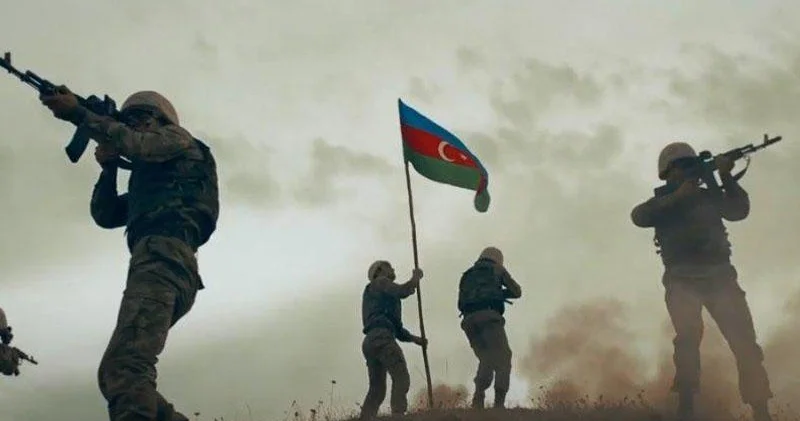
On September 19, the situation reached a critical stage. According to Azerbaijan’s Ministry of Foreign Affairs, civilians and servicemen of the Ministry of Internal Affairs were killed in mine explosions on the Ahmadbayli-Fuzuli-Shusha road. It was also reported that positions of the Azerbaijani Army had come under fire. Azerbaijan subsequently announced the launch of local anti-terror measures in the Karabakh economic region.
Specific military objectives were set: to neutralize the combat capabilities of the armed formations, disable their military infrastructure, disarm them and restore the constitutional order of the Republic of Azerbaijan.
The contrast between the scale of the operation and its duration demonstrated the combat capabilities possessed by the Azerbaijani Army at that stage. Given Karabakh’s complex mountainous terrain and the fortifications, positions and military infrastructure built over many years, accomplishing the stated objectives in less than 24 hours required a high level of intelligence, coordination, precision fire and operational command.
In statements issued during the operation, Azerbaijan’s Ministry of Defense reported that combat positions, artillery systems, surface-to-air missile systems, electronic warfare equipment and other military facilities had been neutralized. On September 20, it was announced that more than 90 combat positions and a number of strategic heights had come under the control of Azerbaijani units.
Another important feature of the operation was the official emphasis placed on the principle of distinction between military targets and civilians. Azerbaijan’s Ministry of Defense stated that civilians and civilian infrastructure were not being targeted and that only legitimate military targets were being struck with high-precision weapons.
It was reported that SMS messages were sent to the Armenian residents of Karabakh warning them to stay away from military facilities, while warnings were also issued through loudspeakers and information leaflets. The Azerbaijani side also announced the establishment of humanitarian corridors and reception points for the evacuation of civilians.
This approach was one of the key elements defining the nature of the operation. The stated objective was not to fight the Armenian population of Karabakh, but to end the activities of an armed structure operating on Azerbaijani territory outside the authority of the state.
Laying down arms and a new reality
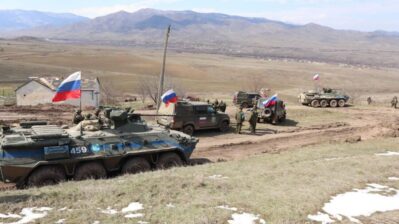
Within a very short period, the operation transitioned from a military outcome to a political one. On September 20, following an appeal by representatives of the Karabakh Armenians through the Russian peacekeeping contingent, an agreement was reached on a cessation of hostilities, and the anti-terror measures were halted as of 1:00 p.m.
The main terms of the agreement included the disarmament of armed formations, their withdrawal from combat positions, and the surrender of weapons, ammunition and heavy military equipment. Thus, the Azerbaijani Army achieved its principal military objective without entering into prolonged, large-scale hostilities.
Just one day later, on September 21, a meeting was held in Yevlakh between representatives of the Azerbaijani authorities and representatives of the Armenian residents of Karabakh. One of the main topics discussed was the reintegration of the Karabakh Armenians on the basis of the Constitution and laws of the Republic of Azerbaijan, as well as social and humanitarian issues. The meeting also demonstrated that the separatist military-political structure that had previously stood in the way of direct dialogue between Baku and the local Armenian residents no longer possessed its former capabilities.
It is precisely here that the strategic outcome of September 19–20 should be sought. The principal result of the operation was not the number of pieces of military equipment destroyed or positions captured. The fundamental change was the removal of the last armed obstacle preventing Azerbaijani state authority from being exercised throughout the country’s entire territory.
From territorial integrity to full sovereignty
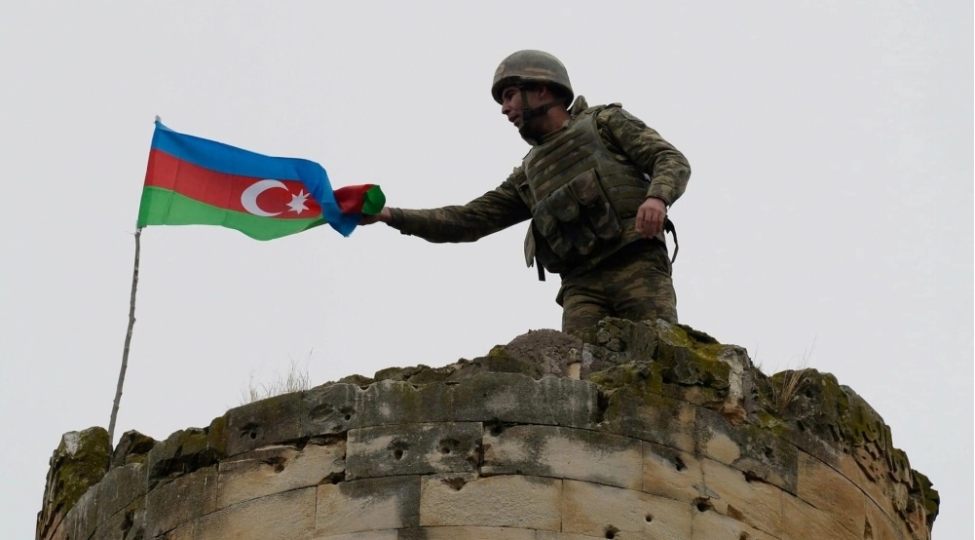
The September 19–20 operation can be viewed not as an isolated event, but as the final stage of a continuous process that began in the autumn of 2020. The 44-day Patriotic War largely eliminated the reality of occupation and created a new situation in the region. Subsequent local operations strengthened Azerbaijan’s military-strategic positions. The establishment of the Lachin border checkpoint ensured control over the state border. In September 2023, the existence of a separate armed structure operating within the country was brought to an end.
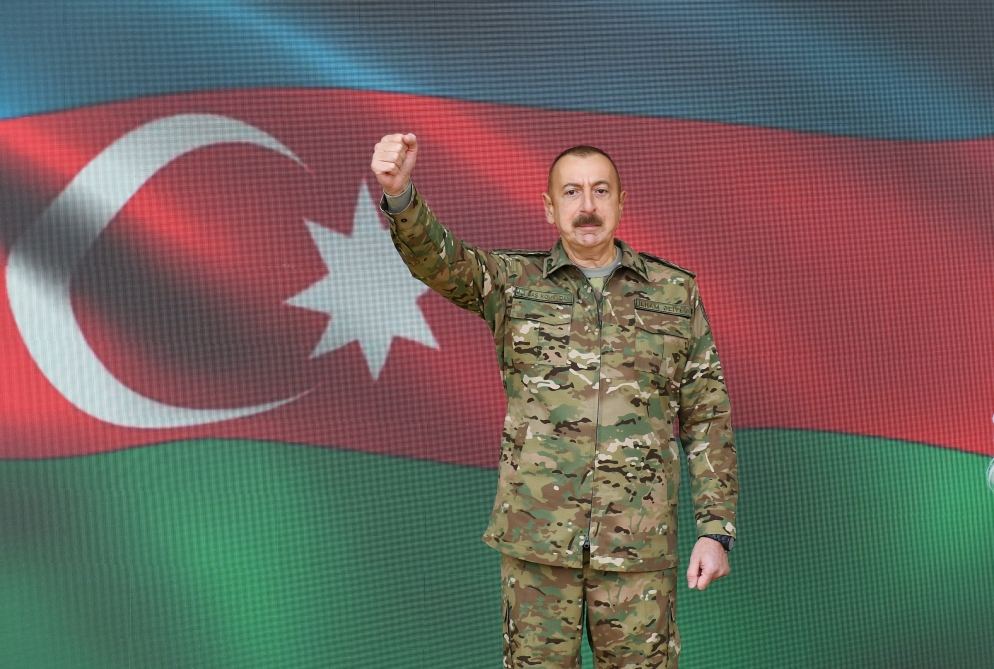
This sequence of developments can be viewed as the result of a strategy pursued under the leadership of President of Azerbaijan and Commander-in-Chief Ilham Aliyev, in which diplomatic and military instruments were employed in parallel. While continuing negotiations with Armenia, Azerbaijan was simultaneously and gradually strengthening its positions on matters of security and sovereignty.
The four years between Pashinyan’s 2019 statement in Khankendi that “Artsakh is Armenia, period” and his recognition in 2023 of Azerbaijan’s territorial integrity within 86,600 square kilometers demonstrated the extent to which the political and military reality in the region had changed. The September 19–20 operation became the decisive stage of this transformation.
In the developments that followed, Azerbaijani state administration was established in Khankendi, Khojaly, Aghdara and other areas. President Ilham Aliyev’s raising of the Azerbaijani national flag in Khankendi on October 15, 2023, became one of the principal political symbols of this new stage.
The designation of September 20 as State Sovereignty Day in Azerbaijan in 2024 also formally enshrined the historical and political significance of the event at the state level.
Thus, the most significant outcome of the September 19–20 operation extended far beyond a tactical military success. The process that began in 2020 reached its logical conclusion in September 2023: Azerbaijan moved from being a state that had restored its territorial integrity to one that effectively exercised sovereign authority throughout its entire territory.


 Follow us on Telegram
 t.me/apanewsaz
 Follow us on Instagram
 Follow us on TikTok
 Follow us on Facebook
 Follow us on X