












Baku. Konul Jafarli – APA. Amnesty International issued a statement on murder of Azerbaijani writer and journalist Rafig Tagi, APA reports. The 2006 fatwa by a senior Iranian cleric calling for the killing of Rafiq Tagi, a writer and journalist in the Republic of Azerbaijan and a statement by his son applauding Rafiq Tagi’s recent killing in Baku by an unknown person highlight the urgent need for reform of the Iranian Penal Code, said Amnesty International. The statement reads: “Rafiq Tagi published an article in a newspaper in November 2006 entitled ‘Europe and Us’. The article compared Islam and Christianity in terms strongly favouring the latter, and argued for Azerbaijan’s identity to be seen, in an ethical and philosophical sense, as closely linked to Europe. The publication of the article was quickly followed by demonstrations in the Azerbaijani village of Nardaran, in which demonstrators reportedly made death threats against Rafiq Tagi and the newspaper’s editor Samir SÉ™dÉ™qÉ™toglu. The protests spread to Iran, which has a substantial ethnic Azerbaijani minority, and culminated in the issuing of the fatwa by Grand Ayatollah Fazel Lankarani, stating that the killing of both the article’s author and the editor was “necessaryâ€. Two other Iranian clerics, Ayatollah Morteza Bani Fazl and Ayatollah Mohsen Mojtahed Shabestari, also reportedly called for Rafiq Tagi’s killing. The Iranian authorities never condemned these fatwas, which appear to be an incitement to murder, nor have they clarified that anyone suspected of inciting, planning, carrying out or aiding attacks on Rafiq Tagi or Samir SÉ™dÉ™qÉ™toglu should be brought to justice.
A similar fatwa by Ayatollah Khomeini, the Founder of the Islamic Republic of Iran, was issued against British writer Salman Rushdie in 1989 and has never been rescinded. In 1998, the Iranian authorities stated that they would "neither support nor hinder assassination operations on Rushdie," as a precondition to restoring diplomatic relations with the UK. Under Article 226 of the Iranian Penal Code, committing intentional murder will incur a sentence of “retribution†(qesas-e nafs) – in other words, execution – “provided the murdered person did not deserve to die [mahdour al-dam] in accordance with Islamic Lawâ€. This defence has been used in Iran by individuals accused of murder who have claimed in court that their victim had deserved to die. The existence of fatwas calling for the killing of an individual could be used as the basis of such a defence. The UN Human Rights Committee, which oversees the implementation of the International Covenant on Civil and Political Rights (ICCPR) to which Iran is a state party, recently expressed concern about this provision in Article 226 when examining Iran’s Third Periodic Report to the Committee. In its Concluding Observations, the Committee recommended removing “the “mahdoor-ol-dam†(deserving of death) definition, applied to victims, so as to ensure that perpetrators are prosecuted and brought to justice for their crimesâ€. Amnesty International is urging the Iranian authorities to ensure that this provision is excluded from the revised Penal Code currently under discussion in the Majles, Iran’s parliament; to ensure that a concept of “deserving of death†cannot be used as a justification for murder; and that anyone suspected of inciting, planning, committing or aiding murder, whether the killing takes place in Iran or elsewhere, is brought to justice in a trial which fully meets international fair trial standards, without recourse to the death penalty.
Amnesty International welcomes the opening of a criminal investigation in Azerbaijan and calls on the Azerbaijani authorities to ensure it is thorough and effective, and that the perpetrator/s are prosecuted and brought to trial in a trial which meets international fair trial standards.
Amnesty International also calls on the Iranian authorities to provide all necessary cooperation to the Azerbaijani authorities during the investigationâ€.
Rafiq Tagi was stabbed by an unknown person on 19 November 2011 and died four days later in hospital.
Amnesty International issues statement on Rafig Tagi’s murder

 02 December 2011 12:04 (UTC +04:00)



 İDMAN XƏBƏR
 Follow us on Telegram
 t.me/apanewsaz
 Follow us on Instagram
 Follow us on TikTok
 Follow us on Facebook
 Follow us on X
Incident
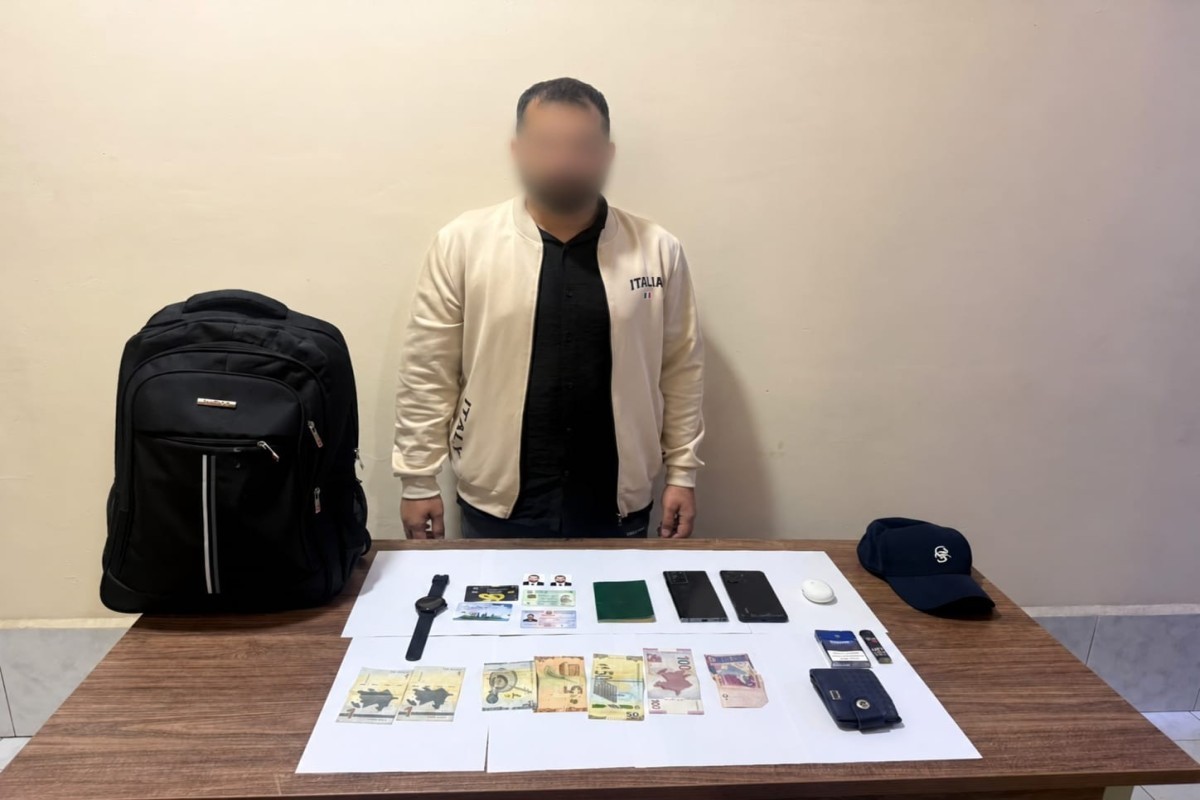
Pakistani citizen detained while attempting to cross Azerbaijan-Russia border illegally - PHOTO
13:11
 20 October 2026
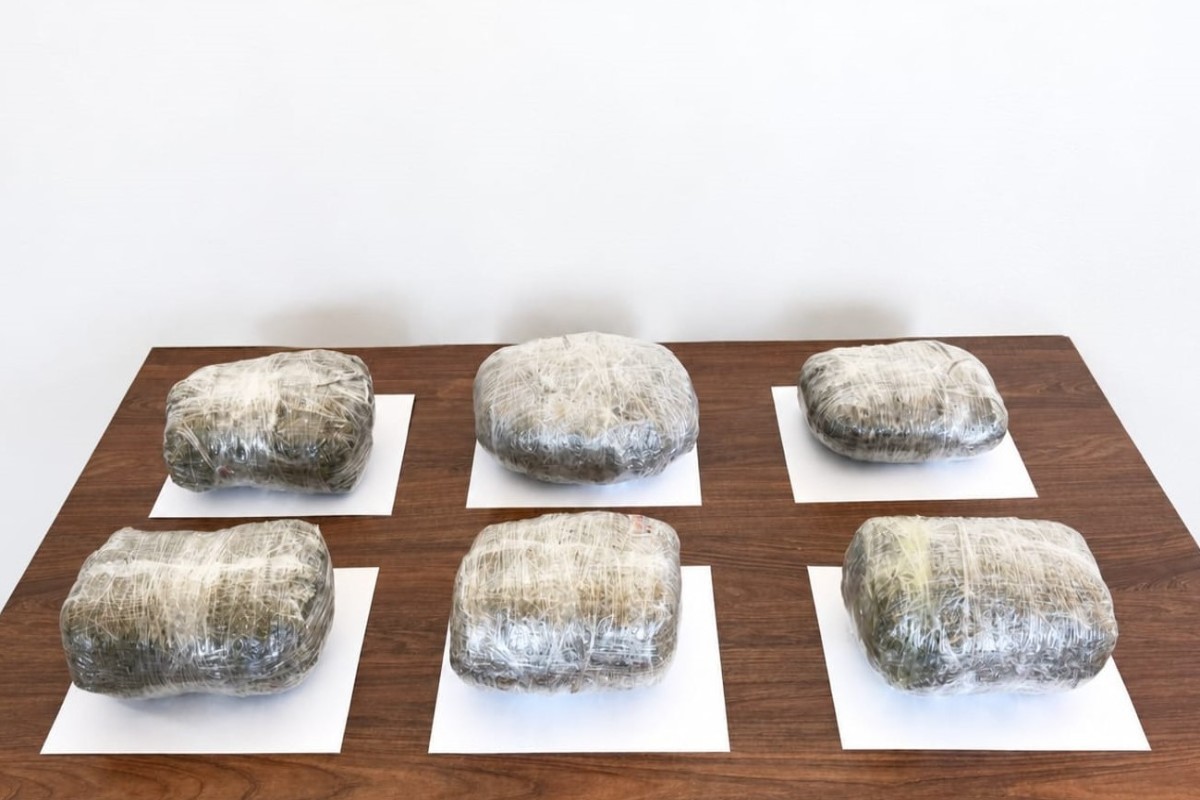
Drug smuggling from Iran into Azerbaijan prevented - PHOTO
11:23
20 October 2026

SWISS flight aircraft en route Zurich-Shanghai made emergency landing in Baku
20:45
19 October 2026
Seven people suspected of calling for violent seizure of power in Azerbaijan placed on international wanted list
18:28
19 October 2026

NEWS FEED
US, Ukraine and Russia could hold new peace talks in November, Zelenskyy says
01:42
22 October 2026
Real Madrid thrashed Leipzig in the Champions League match
01:30
22 October 2026
Bayern Munich 2-2 Arsenal: Declan Rice and Harry Kane shine in Champions League draw
01:18
22 October 2026
Pope Leo's doctors say no further treatment needed
00:31
22 October 2026
Manchester United suffered their first defeat to a Champions League debutant in 24 years, losing to Como
23:42
21 October 2026
Trump says Ukraine war settlement 'closer than ever'
23:29
21 October 2026
Galatasaray beat Lille 4-2 for first points of Champions League league phase
23:09
21 October 2026
Leyla Aliyeva tours Eternal City complex in Samarkand
22:58
21 October 2026
Families of Azerbaijani missing persons were received at the EU for first time -PHOTO
22:45
21 October 2026
Kyiv hopes for talks with US, Russia by 'early November'
22:18
21 October 2026
AFP: Four people killed in drone strike in Ethiopia
22:00
21 October 2026
Araghchi says Iran ready to give diplomacy ‘another chance’
21:45
21 October 2026
US envoy describes meeting with Putin as constructive
21:30
21 October 2026
Witkoff: Trump is committed to comprehensive peace agreement on Ukraine
21:17
21 October 2026
A phone call from Ankara: Political implications of the Erdoğan–Ilham Aliyev conversation – ANALYSIS
21:05
21 October 2026
US imposes new Iran-related sanctions
20:40
21 October 2026
Leyla Aliyeva explores activities of centers established for children with special needs in Samarkand-PHOTO
20:25
21 October 2026
Swiss Ambassador: UN activities are of great importance for international cooperation
20:07
21 October 2026
UN Resident Coordinator: Azerbaijan is a valued partner of the UN
19:48
21 October 2026
Turkish President Erdoğan makes phone call to President Ilham Aliyev
19:44
21 October 2026
Yalchin Rafiyev: Azerbaijan contributes to implementation of UN global agenda
19:38
21 October 2026
Leyla Aliyeva highlights importance of international cooperation in fight against childhood cancer
19:21
21 October 2026
Netanyahu: Tehran hasn’t ‘learned its lesson’; Katz: ‘If Iran attacks Israel, Iran will burn’
19:00
21 October 2026
Defense Minister: Iran may carry out attacks to influence elections in Israel
18:48
21 October 2026
New round of trilateral talks between Russia, US and Ukraine may be held in Abu Dhabi
18:43
21 October 2026
Russian Presidential Aide: Conflict in Ukraine is nearing its end
18:35
21 October 2026
Kremlin 'ready' to resume trilateral peace talks with US, Ukraine, Putin claims- UPDATED
18:19
21 October 2026
Iranian president calls for lifting sanctions and threats to enable dialogue
17:33
21 October 2026
Mirzoyan: Armenian railways need modernization
17:19
21 October 2026
Agreement on international road transport between Azerbaijan and Kyrgyzstan approved
17:16
21 October 2026
President approves Host Country Agreement on Secretariat of Non-Aligned Movement Youth Organization
17:14
21 October 2026
Treaty on allied relations between Azerbaijan and Kyrgyzstan approved
17:11
21 October 2026
President Ilham Aliyev signs Order establishing Azikh-Taghlar Archaeological Park State Reserve
17:04
21 October 2026
Potential demand for digital gold could reach $700 billion
17:03
21 October 2026
Azerbaijan's State Statistical Committee undergoes structural and personnel changes
16:51
21 October 2026
Armenia wants Russia's import restrictions to be recognized as economic barrier
16:48
21 October 2026
Trump urges UK to expand North Sea oil drilling and remove wind turbines
16:45
21 October 2026
Nine killed in sedan-tractor collision in SE Iran
16:41
21 October 2026
Media: Governor of National Bank of Ukraine resigns
16:22
21 October 2026
Zelenskyy calls on 9.5 million Ukrainians to return to their country
16:12
21 October 2026
Military aircraft crashes in Russia's Kaliningrad region, pilots eject
16:10
21 October 2026
Meeting between Putin and Witkoff concludes in St. Petersburg - UPDATED
16:08
21 October 2026
Zelenskyy says Ukraine ready to freeze conflict along current front line, move to diplomacy
15:57
21 October 2026
Opportunities for Croatian companies to participate in projects in Azerbaijan discussed
15:55
21 October 2026
Natural gas spot prices in Europe rose by more than 130% last month
15:54
21 October 2026
Araghchi: State of war continues, peace has not been achieved
15:49
21 October 2026
GECF: Natural gas consumption declines in Europe, rises in US last month
15:42
21 October 2026
AzerGold establishes its first foreign subsidiary, AzerGold Uzbekistan
15:31
21 October 2026
Georgia declares it will not recognize self-proclaimed "republics" of Abkhazia and South Ossetia
15:30
21 October 2026
Putin's meeting with Witkoff continues for over two hours
15:07
21 October 2026


