











Baku – APA. I have interviewed many victims of Arab autocrats over the years. It was usually done secretly, at an obscure restaurant or by telephone, APA reports quoting “Reutersâ€.
I never thought I might witness their suffering in real time. But in Muammar Gaddafi’s Libya, anything is possible.
One day last month, I joined the victims. At one point, when I was hauled out of a vehicle at a deserted farmyard, I heard the rifle catches click and thought I was about to be killed.
Reuters photographer Chris Helgren and I were in Libya at the invitation of the government. It previously kept journalists out but changed tack as it fought an uprising. Officials had told us publicly that we could travel wherever we wanted, to see their side of the story. The reality was rather different.
Chris and I, however, took them at their word and on March 5 we found a taxi to take us the 200 km (130 miles) east to the city of Misrata, where rebels said they had taken over.
As we approached the outskirts, our trouble began. We were stopped at a checkpoint by a group of militiamen and soldiers.
Hoping to relax them, I said I was Egyptian, a fellow Arab. Stupid move. Egyptians are now detested by Gaddafi loyalists, since the revolution in Cairo inspired Libyans to rebel.
Then I said I had an American passport, hoping that might impress them. It didn’t. The official government document identifying us as journalists didn’t work either.
We were made to drive back toward Tripoli under a series of escorts until we reached a police station on the outskirts.
There, a smartly dressed army officer in a brand new sport utility vehicle without license plates told us to follow him. Some minutes later he pulled in off the highway and came over.
"Michael you have nothing to worry about at all. Don’t be scared," he said. It wasn’t reassuring.
There was a problem with our documents, he said. They had to check we were telling the truth about being journalists. He said: "May I ask you to step into this vehicle, please?."
Chris and I and our very nervous taxi driver climbed into a police wagon. It sped away. A few minutes later I noticed we were driving by what seemed to be a military base, or a prison.
The wagon stopped nearby at an abandoned farmyard. Then we heard guns being locked and loaded. I was terrified. I looked at Chris for reassurance.
The door opened. The officer said: "Out. You alone out." I got out. A pistol and an AK-47 assault rifle were pointed at me.
"THEY’LL KILL US"
One especially aggressive soldier pushed me into a long passenger compartment on a truck that looked as if it had been used for transporting prisoners. It looked like it had been sitting there idle for years.
Then Chris got the same treatment. The driver was eventually brought in, too -- unlike us foreigners, he was handcuffed. A soldier slowly ground the lock of the truck compartment shut.
We sat quietly. I turned to Chris, a London-based Canadian I had worked with in Iraq. I said I thought they would kill us.
A soldier opened the lock and the rear door swung open again. We looked down at the back of a station wagon which had been opened up to reveal some blankets. I thought they would perhaps drive us away. Maybe they were going to free us?
But a closer look showed feet poking under the blankets.
Soldiers then pulled aside the coverings and hauled three handcuffed young men up and in beside us. When we were locked in again, they told us they were Libyan university students.
Later, several soldiers came in. "Who are you?" one asked me. We are Reuters journalists, I said. He is our driver. We have permission. We were invited here by your government.
The soldier shook his head. "Bad time to be a journalist in Libya." Reporters were part of a foreign conspiracy against Libya, he said. But then he made it clear that if they decided we were not journalists but spies, that would be worse.
"If you tell us the truth, it should be fine, God willing. But if we catch you lying, oh we will show no mercy. None."
He left. It wasn’t a comfortable time to think. I looked at the students, whom the soldiers had referred to as "dogs."
"Why do you think you were picked up?" I asked.
"We were just driving and they arrested us," whispered one. "You see what Gaddafi does to his people?" another said.
A few minutes later, another new batch of detainees was hauled in. A militiaman demanded: "Who are the dogs? You will see what we will do to you. Get the blindfolds."
It was a time to reflect on how Libyans have lived in fear, day in and day out, during Gaddafi’s 41-year rule. This was the type of treatment any critic of Gaddafi might face, a kind of treatment common across many of the states of the Arab world.
In an instant, people can simply disappear into an abyss.
COURAGE TO CHANGE
In that moment, I remember thinking how it was all the more amazing than many foreigners realize that people in Tunisia and Egypt had found the courage to stand up and sweep away the systems of fear that they had become so used to.
The door opened. "You, Egyptian, come here," said one of the more excitable soldiers from earlier. I thought he had calmed down because he had handed out orange juice and bottled water.
But for me, he pushed his AK-47 muzzle into the small of my back and ordered: "Go to that small office." As I got out and walked, I noticed skins of sheep that had been slaughtered.
I walked in to the office and found the officer there. He politely asked me to sit down: "Are you sure you are a journalist and not a spy?," he asked.
My mobile phone started ringing. They had taken my glasses away (as well as the large sum of cash we had been carrying) but I was just able to make out the incoming number.
"Okay," I said to him. "This is proof. That is the Reuters North Africa bureau chief calling. Christian Lowe."
"That is an Algiers code I see," said the interrogator calmly. "Michael, do you know who has a presence in Algeria?"
I saw what he was getting at. Gaddafi has said his enemies are in league with radical Islamists. Al Qaeda has a presence in Algeria, I replied.
Maybe it was the right answer. He sent me back to the truck.
About an hour went by. From the truck, I could see a familiar face -- one of our government "minders," security men whose job it was to keep an eye on the journalists at our hotel. I was called over to him. My nerves eased. It seemed unlikely that he would be there if they were going to dispose of us.
Just as I was relaxing, another militiaman strolled over. "So," he said, "You’re Egyptian." I didn’t like his tone so I replied: "I’m an American." There was no right answer, though.
He said: "We burn American dogs with chemical weapons."
Still, the ordeal was ending and we would fairly soon be back -- alive and healthy though $700 poorer -- in the unreal world of the luxury hotel in Tripoli.
I spent another three weeks there under government supervision, being told things few would believe about Libya.
Only after I was expelled this week -- quite why, I still don’t know -- did I feel free to write about our brief trip that day into the frightening world that for many Libyans is reality.
Witness: Falling into security abyss in Gaddafi’s Libya

 02 April 2011 00:13 (UTC +04:00)


 İDMAN XƏBƏR
 Follow us on Telegram
 t.me/apanewsaz
 Follow us on Instagram
 Follow us on TikTok
 Follow us on Facebook
 Follow us on X
Incident
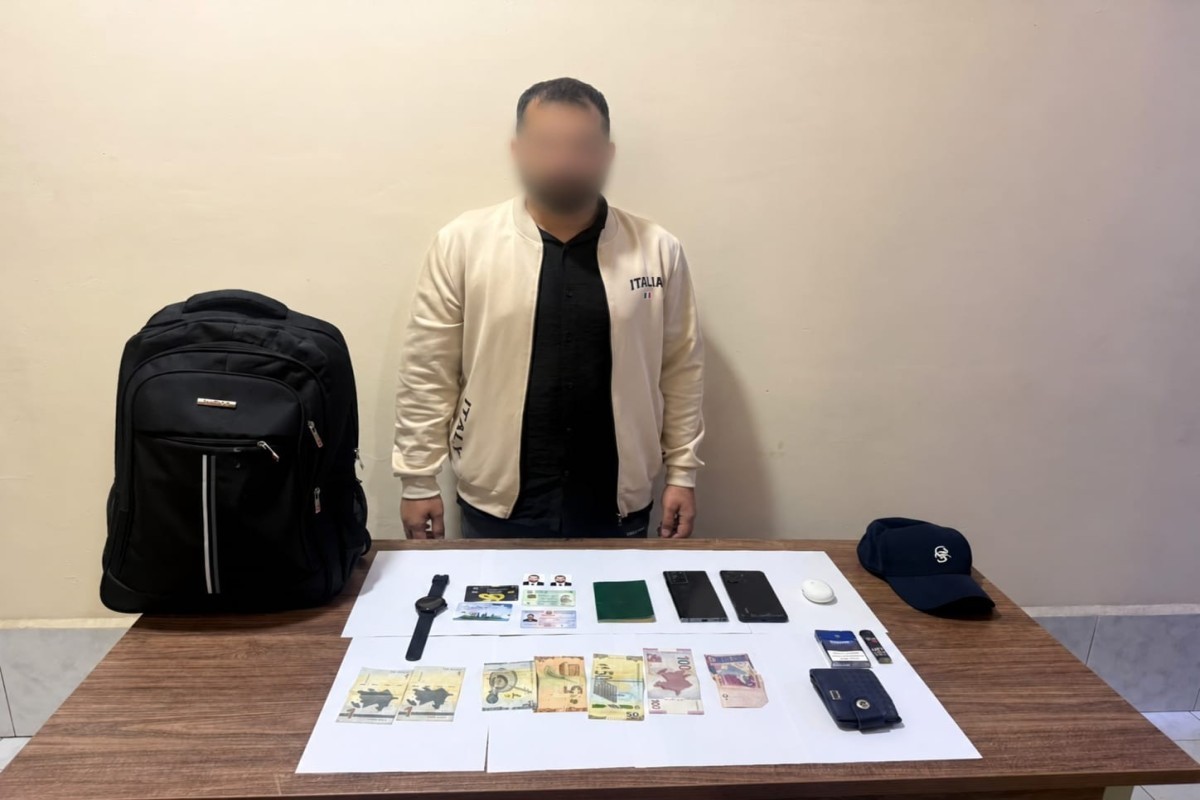
Pakistani citizen detained while attempting to cross Azerbaijan-Russia border illegally - PHOTO
13:11
 20 October 2026
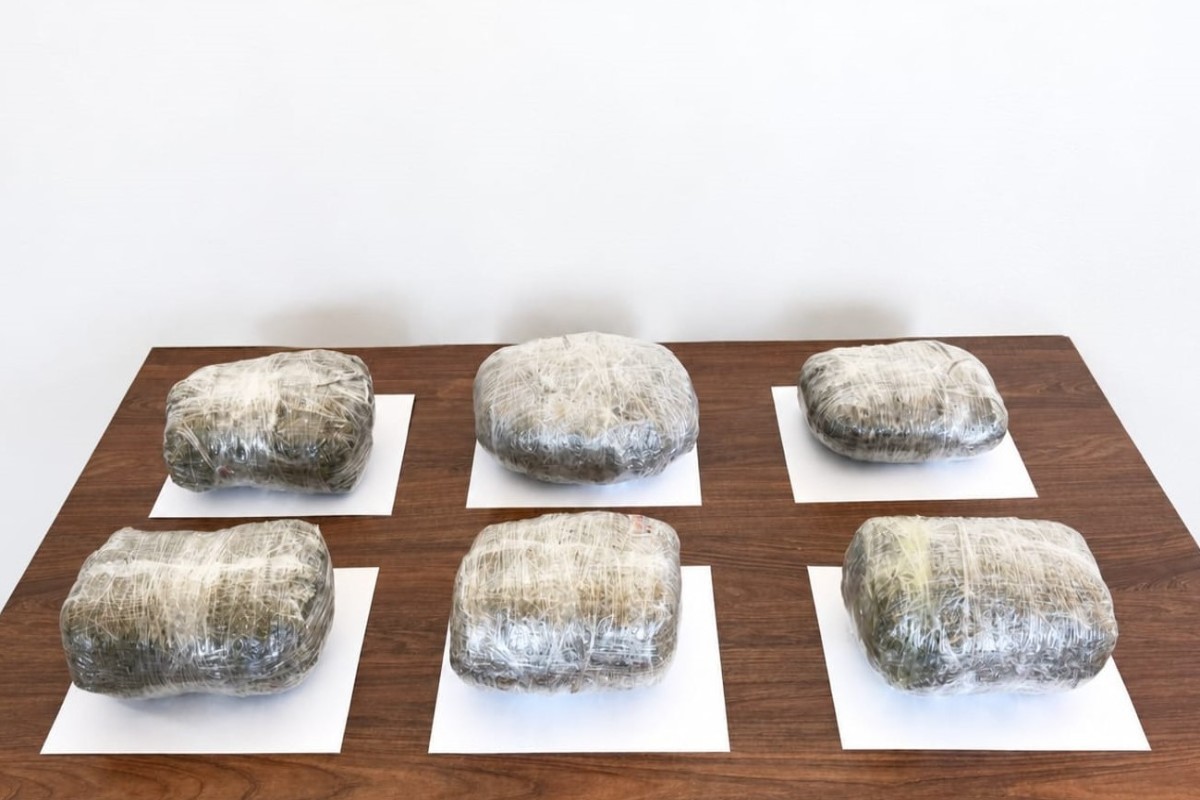
Drug smuggling from Iran into Azerbaijan prevented - PHOTO
11:23
20 October 2026
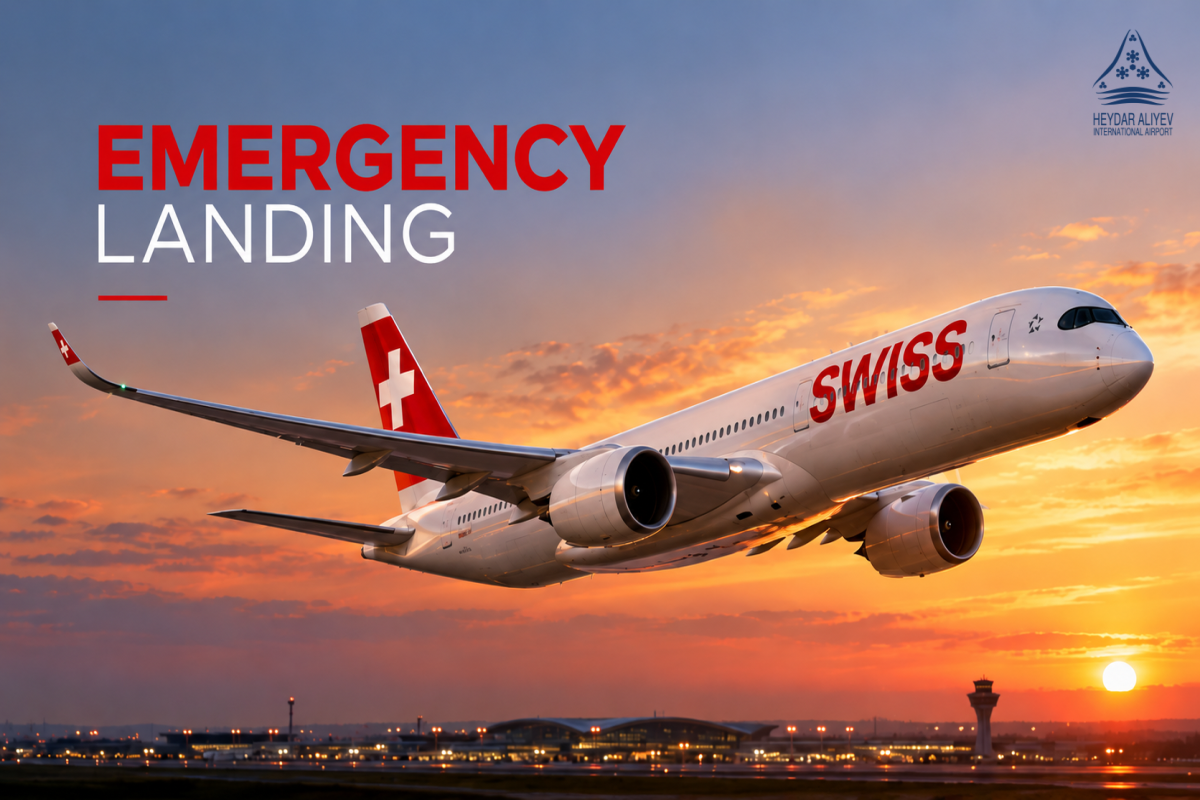
SWISS flight aircraft en route Zurich-Shanghai made emergency landing in Baku
20:45
19 October 2026
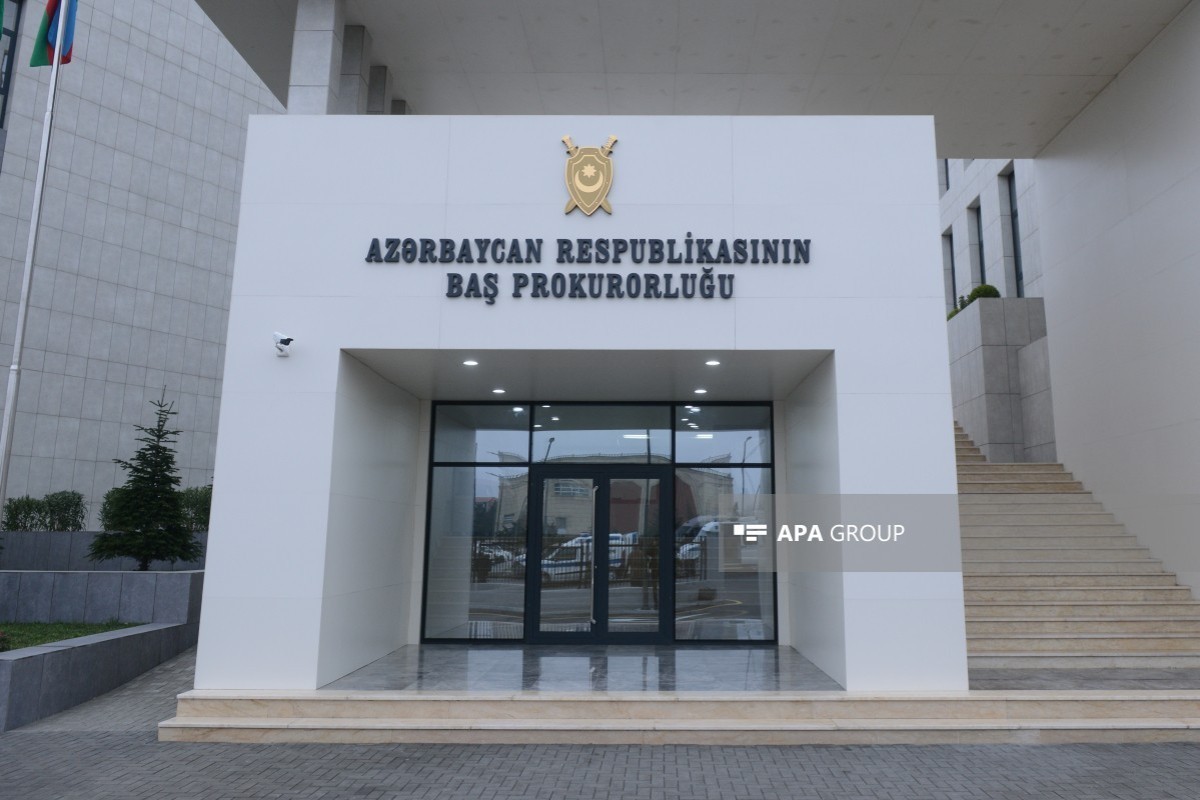
Seven people suspected of calling for violent seizure of power in Azerbaijan placed on international wanted list
18:28
19 October 2026

NEWS FEED
Fenerbahce throw away two-goal lead in 2-2 Champions League draw with Slavia Prague
00:35
21 October 2026
US to offer Putin meeting with Trump, Zelenskyy
00:18
21 October 2026
Qatar and Pakistan have offered to transfer interest on $6 billion to Iran
23:52
20 October 2026
Trump: Ukraine and Zelenskyy must strive to resolve the conflict
23:20
20 October 2026
IRGC Navy says supertanker exploded after hitting mine south of Hormuz
22:55
20 October 2026
UEFA Champions League: Germany’s Borussia Dortmund defeat Azerbaijan’s FC Sabah
22:39
20 October 2026
Witkoff’s plans to visit Russia on October 21 confirmed
22:36
20 October 2026
Iranian President: United States must lift pressure, threats and sanctions before any negotiations
22:32
20 October 2026
Ghalibaf rejects change in demands during talks with Pakistan army chief
22:03
20 October 2026
Russia ready to listen to US proposals, rules out political concessions — Lavrov
21:31
20 October 2026
Kallas claims that the US has been "pushing Ukraine toward capitulation" for 1.5 years
21:13
20 October 2026
Iran tells Munir it won't allow any enriched nuclear material to leave country
21:09
20 October 2026
Ambassador: Hungarian companies have invested USD 2 billion in Azerbaijan's economy
20:50
20 October 2026
Baku hosted event on the occasion of National Day of Hungary-PHOTO
20:42
20 October 2026
Day of Zangilan City celebrated in the city for first time -PHOTO-UPDATED
20:36
20 October 2026
Families of missing Azerbaijanis held protest in front of the European Parliament-PHOTO
20:28
20 October 2026
Turkish Presidency: Claims of attempt to lower Turkish flag in Azerbaijan are disinformation
19:53
20 October 2026
Kremlin considers Trump's actions a step toward Russia's victory over Ukraine
19:42
20 October 2026
Tanker violating regulations catches fire in southern corridor of Strait of Hormuz
19:07
20 October 2026
BP: Offshore construction work begins on Shah Deniz Compression project
18:51
20 October 2026
Azerbaijan urges citizens to avoid travel to France amid widespread unrest
18:31
20 October 2026
MAMA “Mother Nature” international art exhibition opens in Ashgabat - PHOTO
18:23
20 October 2026
Leyla Aliyeva visits Turkmen Carpet Museum in Ashgabat
18:21
20 October 2026
Political consultations held between Azerbaijan and Croatia
18:14
20 October 2026
Katz: Hezbollah will be dealt a heavy blow if it joins Iran's attack on Israel
18:14
20 October 2026
Azerbaijani parliament announces date and agenda of next session
18:06
20 October 2026
Zelenskyy: "Putin’s emergence from isolation has already begun"
17:45
20 October 2026
Zelenskyy says Ukraine may accept an alternative to NATO, but only under one condition
17:27
20 October 2026
TRIPP Fund director: US company acquires Armenia's second-largest copper mine
17:24
20 October 2026
Russia-Türkiye consultations held in Moscow
17:20
20 October 2026
UK to deploy Typhoon jets to help defend Saudi Arabia from Houthi attacks
17:10
20 October 2026
12 killed, 30 injured in bus-truck collision in Egypt
17:05
20 October 2026
Israel and Lebanon to hold ‘working level’ talks in Florida today, US official says
16:36
20 October 2026
Azerbaijani Parliament speaker addresses TURKPA meeting
16:29
20 October 2026
149 people sentenced to prison for participating in riots in France
16:25
20 October 2026
Moscow confirms dialogue with Washington on prisoner releases
16:23
20 October 2026
Moscow condemns US arrest warrant for Raul Castro
16:16
20 October 2026
Reuters: Witkoff travels to Norway for talks on Ukraine
16:13
20 October 2026
Memorandum of Understanding between Azerbaijan and UN approved
16:00
20 October 2026
Iran prolongs talks in stalemate to influence US midterms, officials say
15:57
20 October 2026
Ganja Memorial Complex established under Ministry of Culture
15:55
20 October 2026
Karabakh National Park established - ORDER
15:53
20 October 2026
Swedish ambassador meets with Hikmat Hajiyev
15:38
20 October 2026
Russia to increase penalties for calls for mass riots
15:34
20 October 2026
“Falcons Meet – 2026” exercise holds Distinguished Visitors’ Day - VIDEO
15:32
20 October 2026
Armenia could lose more than half of remittances from Russia
15:22
20 October 2026
Armenia's trade turnover with EAEU countries could fall by 55.6% if membership is suspended
15:13
20 October 2026
Azerbaijan adopts new state standards for railway and road transport
15:03
20 October 2026
Armenia's gas import costs could rise by 69% if it leaves EAEU
14:55
20 October 2026
Türkiye appoints Sergen Yalcin as national football team coach
14:50
20 October 2026


