












Baku – APA. Syrian President Bashar al-Assad defied expectations and dashed widespread hopes during an anticipated nationally televised speech Wednesday when he made no mention of lifting a state of emergency, APA reports quoting CNN.
In his rambling 45-minute speech to the National Assembly, he acknowledged that Syrians want reform and that the government has not met their needs.
"Although President al-Assad did acknowledge the need for reform, his failure to address head-on the lifting of the state of emergency smacks of procrastination," said Philip Luther, Amnesty International’s deputy director for the Middle East and Africa. "He could declare this tomorrow if he wanted."
"He should have immediately ordered his security forces to stop using unwarranted force and announced steps towards implementing key human rights reforms."
But al-Assad made few concrete promises, after weeks of anti-government demonstrations that have left 73 people dead, according to Human Rights Watch.
At least one person was killed after the speech in clashes in the city of Latakia, which has been a center of unrest and the site of ongoing protests for the last few days, human rights activists told CNN.
Protesters went out into the streets in anger after the speech but went home in the face of security forces’ gunfire "like rain falling" that left many injured and dead, a witness in the city told CNN, asking not to be named for security reasons.
Another eyewitness said protests erupted in the city of Jasem, northwest of the southern flashpoint city of Daraa, with thousands of demonstrators in the town square. He said he also heard about demonstrations in other nearby towns.
One expert anticipated violence soon after the speech ended.
"My initial instinct is that this is not going to go down very well," said Stephen Walt, of Harvard’s Kennedy School of Government, from Syria. "We may see more violence."
Al-Assad spoke a day after the Syrian cabinet resigned amid an unusual wave of unrest across the nation. Simmering tensions heightened after the speech in Damascus when a woman approached the president’s car and waved her hand at its occupants.
Several people walking alongside the car -- apparently security officers -- took hold of and restrained the woman as others in the crowd surged forward.
An image of the incident aired on state-run Syrian TV, but the screen faded to black within seconds. The woman’s intentions were not immediately clear.
Syria is the latest in a string of Arabic-speaking nations beset with discontent over economic and human rights issues.
Syria’s protests began in and spread from Daraa, near the Jordanian border and located in the impoverished country’s agricultural region, where security forces and anti-government protesters have sporadically clashed for nearly two weeks.
In his speech, al-Assad said Syria’s government will not fall like a domino in a string of Arab revolutions, saying that instead Syria had kicked the dominoes of the "conspirators" and that they had fallen instead.
Al-Assad also blamed unrest in his country on "enemies ... working daily and scientifically to undermine the stability of Syria." He said they were "stupid in choosing to target Syria."
He referred obliquely to the anti-government demonstrations, calling them "a test of our unity."
But al-Assad said, "we can’t say that everybody who went out was part of the conspiracy. That wouldn’t be accurate."
Legislators in the People’s Assembly cheered the president when he arrived to begin the speech.
The state-run SANA news agency had reported that al-Assad’s speech would "tackle the internal affairs and the latest events in Syria" and "reassure the Syrian people."
Al-Assad did make a passing reference to the emergency law, in place for almost 50 years.
"Sometimes we can postpone a certain suffering that may be caused by the emergency law or any other law or necessary measures that the citizen endures, but we cannot postpone the suffering of a child whose father cannot treat him because he doesn’t have the money for his medication or when the state does not have this drug or this treatment," he said.
Reem Haddad, a spokeswoman for the Syrian Information Ministry, has told CNN that the emergency law "will be lifted," but she could not say when.
The law allows the government to make preventive arrests and override constitutional and penal code statutes. In effect since 1963, it also bars detainees who haven’t been charged from filing court complaints or from having a lawyer present during interrogations.
Ihssan Zouabi, a protester in Daraa, called the president’s speech a disappointment because he didn’t address demands, including lifting the emergency law.
"We were hopeful prior to the speech but after, everyone was shocked. We were expecting much, much more," he said.
Syrian rights activist Malath Aumran, who uses this alias for security reasons, said he and other Syrians are disappointed. He said people are dying for freedom but the "martyrs" weren’t mentioned.
"For me now, at this time ... actually he said nothing, he did nothing for us, all of what he said was that we are traitors, that we are working for foreign conspiracies against our country, ... that the United States is behind this, what is going on in Syria."
He said more protests are planned for Friday.
"People were saying no fear any more. Syrian people have been in fear for 48 years. Now we are saying we cannot live in fear any more, we need to live in liberty, in dignity. ... People who live in fear do not live in dignity."
Amnesty’s Luther said "pinning the blame for ongoing unrest on a foreign "conspiracy" is a snub to "the many Syrians who are bravely calling for reform."
"It is also a dangerous diversion. He should be addressing the real problem -- which is that his security forces have been firing live ammunition on protesters, killing dozens over the last month," he said.
Luther said the group is "disturbed by reports that security forces could already be shooting on demonstrators in Latakia who have been protesting against his speech."
On Tuesday, tens of thousands of pro-government demonstrators poured onto the streets of Damascus. State media reported a much higher national turnout.
"Millions of people around Syria rallied in the cities’ main squares to express loyalty to homeland and underline its national unity," SANA reported. "Syrian people gathered on Tuesday to stress the importance of maintaining security and stability and to support the massive reform program led by President Bashar al-Assad."
Tuesday’s pro-government rally followed violent clashes between protesters and security forces in the cities of Daraa and Latakia in recent days.
Many demonstrators at the pro-government rally in Damascus held posters of the president. Others waved Syrian flags, while some painted their faces and chests in national colors.
Crowds filled the square in front of the Central Bank and jammed all roads leading to it, aerial pictures on state TV showed.
There were also pro-government rallies in the cities of Aleppo, Hama and Hasaka, the broadcaster said.


 Follow us on Telegram
 t.me/apanewsaz
 Follow us on Instagram
 Follow us on TikTok
 Follow us on Facebook
 Follow us on X
Incident
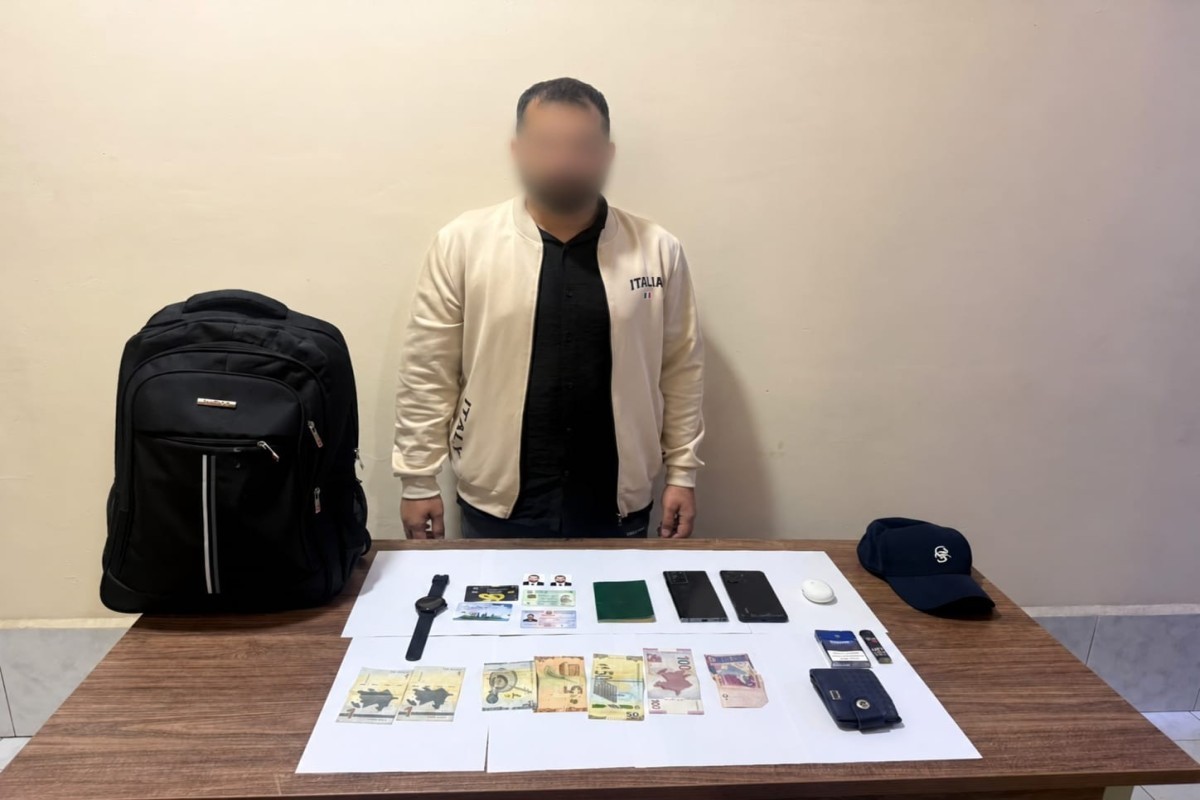
Pakistani citizen detained while attempting to cross Azerbaijan-Russia border illegally - PHOTO
 13:11
13:11
 20 October 2026
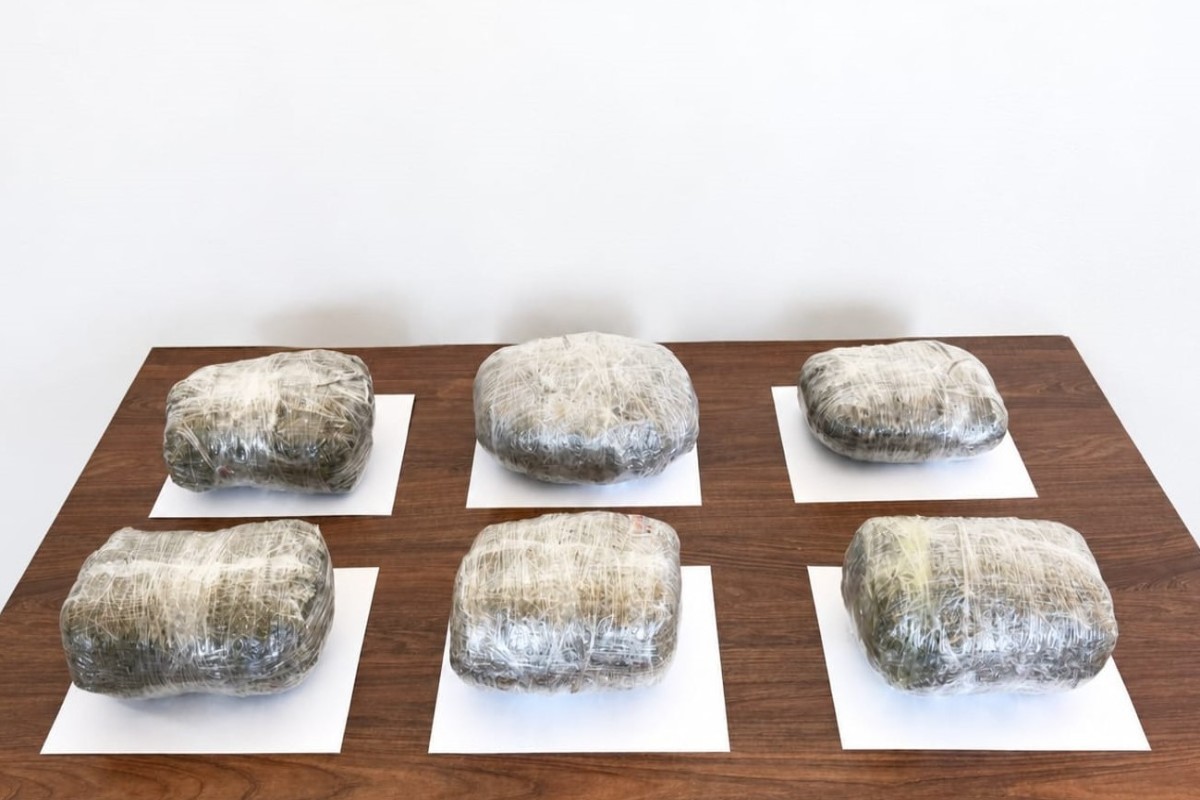
Drug smuggling from Iran into Azerbaijan prevented - PHOTO
11:23
20 October 2026
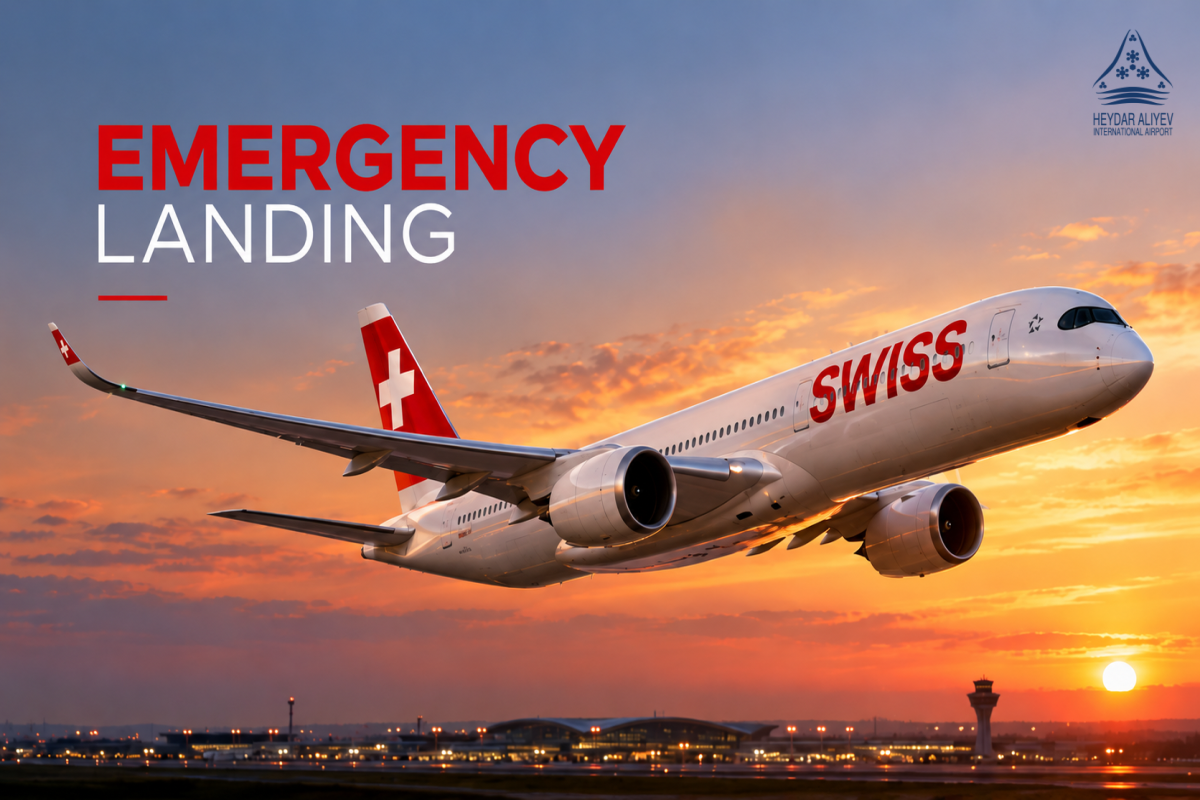
SWISS flight aircraft en route Zurich-Shanghai made emergency landing in Baku
20:45
19 October 2026
Seven people suspected of calling for violent seizure of power in Azerbaijan placed on international wanted list
18:28
19 October 2026

NEWS FEED
Qatar and Pakistan have offered to transfer interest on $6 billion to Iran
23:52
20 October 2026
Trump: Ukraine and Zelenskyy must strive to resolve the conflict
23:20
20 October 2026
IRGC Navy says supertanker exploded after hitting mine south of Hormuz
22:55
20 October 2026
UEFA Champions League: Germany’s Borussia Dortmund defeat Azerbaijan’s FC Sabah
22:39
20 October 2026
Witkoff’s plans to visit Russia on October 21 confirmed
22:36
20 October 2026
Iranian President: United States must lift pressure, threats and sanctions before any negotiations
22:32
20 October 2026
Ghalibaf rejects change in demands during talks with Pakistan army chief
22:03
20 October 2026
Russia ready to listen to US proposals, rules out political concessions — Lavrov
21:31
20 October 2026
Kallas claims that the US has been "pushing Ukraine toward capitulation" for 1.5 years
21:13
20 October 2026
Iran tells Munir it won't allow any enriched nuclear material to leave country
21:09
20 October 2026
Ambassador: Hungarian companies have invested USD 2 billion in Azerbaijan's economy
20:50
20 October 2026
Baku hosted event on the occasion of National Day of Hungary-PHOTO
20:42
20 October 2026
Day of Zangilan City celebrated in the city for first time -PHOTO-UPDATED
20:36
20 October 2026
Families of missing Azerbaijanis held protest in front of the European Parliament-PHOTO
20:28
20 October 2026
Turkish Presidency: Claims of attempt to lower Turkish flag in Azerbaijan are disinformation
19:53
20 October 2026
Kremlin considers Trump's actions a step toward Russia's victory over Ukraine
19:42
20 October 2026
Tanker violating regulations catches fire in southern corridor of Strait of Hormuz
19:07
20 October 2026
BP: Offshore construction work begins on Shah Deniz Compression project
18:51
20 October 2026
Azerbaijan urges citizens to avoid travel to France amid widespread unrest
18:31
20 October 2026
MAMA “Mother Nature” international art exhibition opens in Ashgabat - PHOTO
18:23
20 October 2026
Leyla Aliyeva visits Turkmen Carpet Museum in Ashgabat
18:21
20 October 2026
Katz: Hezbollah will be dealt a heavy blow if it joins Iran's attack on Israel
18:14
20 October 2026
Political consultations held between Azerbaijan and Croatia
18:14
20 October 2026
Azerbaijani parliament announces date and agenda of next session
18:06
20 October 2026
Zelenskyy: "Putin’s emergence from isolation has already begun"
17:45
20 October 2026
Zelenskyy says Ukraine may accept an alternative to NATO, but only under one condition
17:27
20 October 2026
TRIPP Fund director: US company acquires Armenia's second-largest copper mine
17:24
20 October 2026
Russia-Türkiye consultations held in Moscow
17:20
20 October 2026
UK to deploy Typhoon jets to help defend Saudi Arabia from Houthi attacks
17:10
20 October 2026
12 killed, 30 injured in bus-truck collision in Egypt
17:05
20 October 2026
Israel and Lebanon to hold ‘working level’ talks in Florida today, US official says
16:36
20 October 2026
Azerbaijani Parliament speaker addresses TURKPA meeting
16:29
20 October 2026
149 people sentenced to prison for participating in riots in France
16:25
20 October 2026
Moscow confirms dialogue with Washington on prisoner releases
16:23
20 October 2026
Moscow condemns US arrest warrant for Raul Castro
16:16
20 October 2026
Reuters: Witkoff travels to Norway for talks on Ukraine
16:13
20 October 2026
Memorandum of Understanding between Azerbaijan and UN approved
16:00
20 October 2026
Iran prolongs talks in stalemate to influence US midterms, officials say
15:57
20 October 2026
Ganja Memorial Complex established under Ministry of Culture
15:55
20 October 2026
Karabakh National Park established - ORDER
15:53
20 October 2026
Swedish ambassador meets with Hikmat Hajiyev
15:38
20 October 2026
Russia to increase penalties for calls for mass riots
15:34
20 October 2026
“Falcons Meet – 2026” exercise holds Distinguished Visitors’ Day - VIDEO
15:32
20 October 2026
Armenia could lose more than half of remittances from Russia
15:22
20 October 2026
Armenia's trade turnover with EAEU countries could fall by 55.6% if membership is suspended
15:13
20 October 2026
Azerbaijan adopts new state standards for railway and road transport
15:03
20 October 2026
Armenia's gas import costs could rise by 69% if it leaves EAEU
14:55
20 October 2026
Türkiye appoints Sergen Yalcin as national football team coach
14:50
20 October 2026
Azerbaijan reveals total oil output from East Azeri platform
14:26
20 October 2026
Kyrgyz President receives Azerbaijani Parliament speaker
14:12
20 October 2026


