












Baku – APA. Japan ordered an immediate safety upgrade at its 55 nuclear power plants on Wednesday in its first acknowledgement that standards were inadequate when an earthquake and tsunami wrecked a facility nearly three weeks ago, sparking the worst nuclear crisis since Chernobyl in 1986, APA reports quoting “Reutersâ€.
As operators struggle to regain control of the damaged Daiichi nuclear reactors 240 km (150 miles) north of Tokyo, radiation leakage continued, with radioactive iodine in the sea off the damaged plant at record levels. The state nuclear safety agency said the amounts were 3,355 times the legal limit.
Smoke was reported coming from a second damaged nuclear plant site in Fukushima on Wednesday, with authorities citing an electric distribution board as the problem.
It is not known how serious the problem was at the Daini plant, which has been put into cold shutdown and is several miles from the stricken Daiichi power facility.
Anger at Japan’s nuclear crisis saw more than 100 people, chanting "stop nuclear power", protest outside the Tokyo headquarters of nuclear plant operator Tokyo Electric Power (TEPCO) on Wednesday.
"We don’t want to use electric power that can kill people," said Waseda University student Mina Umeda.
A Reuters investigation showed Japan and TEPCO repeatedly played down dangers at its nuclear plants and ignored warnings, including a 2007 tsunami study from the utility’s senior safety engineer.
The research paper concluded there was a roughly 10 percent chance that a tsunami could test or overrun the defenses of the Fukushima Daiichi nuclear power plant within a 50-year span based on the most conservative assumptions.
The new safety steps, to be completed by the end of April, include preparing back-up power in case of loss of power supply, and having fire trucks with hoses ready at all times to intervene and ensure cooling systems for both reactors and pools of used fuel are maintained, the Trade Ministry said.
Other measures such as building higher protective sea walls would be studied after a full assessment of the Fukushima disaster, officials said.
The immediate measures do not necessarily require nuclear plant operations to be halted, Minister of Economy, Trade and Industry Banri Kaieda told a news conference.
"These are the minimum steps we can think of right now that should be done immediately," said Kaieda.
"We shouldn’t wait until a so-called overhaul or a comprehensive revision -- something major that would take a long time -- is prepared. We should do whatever we can if and when there is something (which safety authorities agree is) viable and necessary," he said.
Before the disaster, Japan’s nuclear reactors had provided about 30 percent of the nation’s electric power. The percentage had been expected to rise to 50 percent by 2030, among the highest in the world.
NO END IN SIGHT
The government and TEPCO conceded there was no end in sight to Japan’s nuclear crisis.
"We are not in a situation where we can say we will have this under control by a certain period," Chief Cabinet Secretary Yukio Edano told a news briefing.
The discovery of highly toxic plutonium in soil at Daiichi had raised alarm over the disaster, which has overshadowed the humanitarian calamity triggered by the earthquake and tsunami, which left 27,500 people dead or missing.
TEPCO will test sprinkling synthetic resin in some areas of the Daiichi complex to prevent radioactive dust from flying into the air or being washed into the ocean by rain. The resin is water-soluble, but when the water evaporates, it becomes sticky and contains the dust.
Pollution of the ocean is a serious concern for a country where fish is central to the diet. Experts say the vastness of the ocean and a powerful current should dilute high levels of radiation, limiting the danger of marine contamination.
However, just how radiation is spilling into the ocean is unclear and controlling leakage from the plant could take weeks or months, making precise risk assessments difficult.
Tokyo Electric said it would take a "fairly long time" to stabilize overheating reactors, adding four of the six reactors would need to be decommissioned. Meanwhile, the head of the company was in hospital due to high blood pressure, adding to the disarray at Asia’s largest utility.
Prime Minister Naoto Kan, whose government faces mounting criticism for its handling of the crisis, won assurances of American support in a telephone conversation on Wednesday with President Barack Obama.
The United States has already agreed to send some radiation-detecting robots to Japan to help explore the reactor cores and spent fuel pools at the stricken nuclear plant.
French President Nicolas Sarkozy, who chairs the G20 and G8 blocs of nations, is due to visit Tokyo on Thursday. He will be the first foreign leader in Japan since the disaster.
In further support, France flew in two experts from its state-owned nuclear reactor maker Areva and its CEA nuclear research body to assist TEPCO.
DRAG ON ECONOMY
Hundreds of engineers have been toiling for nearly three weeks to cool the plant’s reactors and avert a catastrophic meltdown of fuel rods, although the situation appears to have moved back from that nightmare scenario.
Jesper Koll, director of equity research at JPMorgan Securities in Tokyo, said a drawn-out battle to bring the plant under control and manage the radioactivity being released would perpetuate the uncertainty and act as a drag on the economy.
"The worst-case scenario is that this drags on not one month or two months or six months, but for two years, or indefinitely," he said. "Japan will be bypassed. That is the real nightmare scenario."
Japan’s main stock index has fallen about 9 percent since the tsunami while TEPCO shares have fallen almost 80 percent. The government is considering a tax increase to pay for the damage it estimates at $300 billion in what could be the world’s costliest natural disaster.
Already criticized for weak leadership during Japan’s worst crisis since World War Two, Kan has been blasted by the opposition for his handling of the disaster and for not widening the exclusion zone beyond 20 km (12 miles) around Fukushima.
Kan said he was considering that step, which would force 130,000 people to move, in addition to 70,000 already displaced.
Hundreds of thousands whose homes and livelihoods were wiped away by the tsunami that obliterated cities on the northeast coast have heard next to nothing from the government about whether it will help them to rebuild.
About 175,000 were living in shelters on high ground above the vast plains of mud-covered debris with temporary housing for only a few hundred currently under construction.
Japan orders immediate safety upgrade at nuclear plants

 30 March 2011 19:46 (UTC +04:00)



 İDMAN XƏBƏR
 Follow us on Telegram
 t.me/apanewsaz
 Follow us on Instagram
 Follow us on TikTok
 Follow us on Facebook
 Follow us on X
Incident

Pakistani citizen detained while attempting to cross Azerbaijan-Russia border illegally - PHOTO
13:11
 20 October 2026
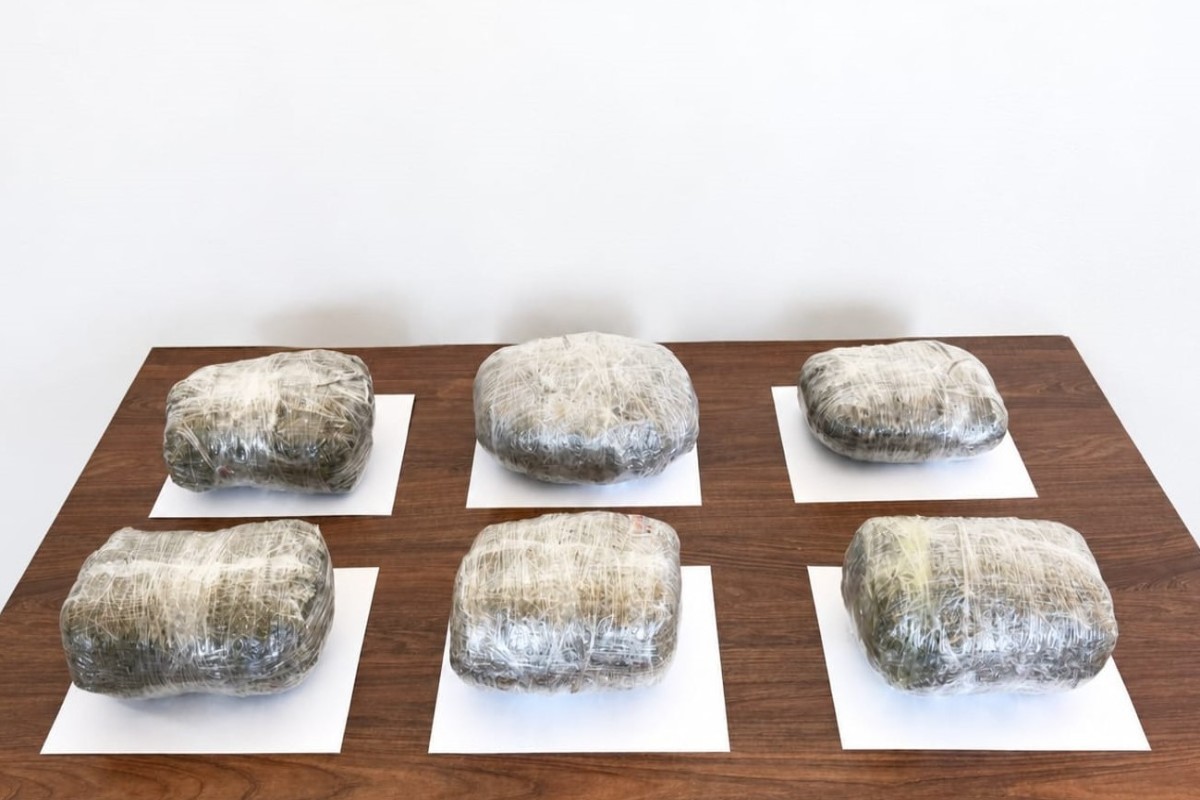
Drug smuggling from Iran into Azerbaijan prevented - PHOTO
11:23
20 October 2026

SWISS flight aircraft en route Zurich-Shanghai made emergency landing in Baku
20:45
19 October 2026
Seven people suspected of calling for violent seizure of power in Azerbaijan placed on international wanted list
18:28
19 October 2026

NEWS FEED
Qatar and Pakistan have offered to transfer interest on $6 billion to Iran
23:52
20 October 2026
Trump: Ukraine and Zelenskyy must strive to resolve the conflict
23:20
20 October 2026
IRGC Navy says supertanker exploded after hitting mine south of Hormuz
22:55
20 October 2026
UEFA Champions League: Germany’s Borussia Dortmund defeat Azerbaijan’s FC Sabah
22:39
20 October 2026
Witkoff’s plans to visit Russia on October 21 confirmed
22:36
20 October 2026
Iranian President: United States must lift pressure, threats and sanctions before any negotiations
22:32
20 October 2026
Ghalibaf rejects change in demands during talks with Pakistan army chief
22:03
20 October 2026
Russia ready to listen to US proposals, rules out political concessions — Lavrov
21:31
20 October 2026
Kallas claims that the US has been "pushing Ukraine toward capitulation" for 1.5 years
21:13
20 October 2026
Iran tells Munir it won't allow any enriched nuclear material to leave country
21:09
20 October 2026
Ambassador: Hungarian companies have invested USD 2 billion in Azerbaijan's economy
20:50
20 October 2026
Baku hosted event on the occasion of National Day of Hungary-PHOTO
20:42
20 October 2026
Day of Zangilan City celebrated in the city for first time -PHOTO-UPDATED
20:36
20 October 2026
Families of missing Azerbaijanis held protest in front of the European Parliament-PHOTO
20:28
20 October 2026
Turkish Presidency: Claims of attempt to lower Turkish flag in Azerbaijan are disinformation
19:53
20 October 2026
Kremlin considers Trump's actions a step toward Russia's victory over Ukraine
19:42
20 October 2026
Tanker violating regulations catches fire in southern corridor of Strait of Hormuz
19:07
20 October 2026
BP: Offshore construction work begins on Shah Deniz Compression project
18:51
20 October 2026
Azerbaijan urges citizens to avoid travel to France amid widespread unrest
18:31
20 October 2026
MAMA “Mother Nature” international art exhibition opens in Ashgabat - PHOTO
18:23
20 October 2026
Leyla Aliyeva visits Turkmen Carpet Museum in Ashgabat
18:21
20 October 2026
Katz: Hezbollah will be dealt a heavy blow if it joins Iran's attack on Israel
18:14
20 October 2026
Political consultations held between Azerbaijan and Croatia
18:14
20 October 2026
Azerbaijani parliament announces date and agenda of next session
18:06
20 October 2026
Zelenskyy: "Putin’s emergence from isolation has already begun"
17:45
20 October 2026
Zelenskyy says Ukraine may accept an alternative to NATO, but only under one condition
17:27
20 October 2026
TRIPP Fund director: US company acquires Armenia's second-largest copper mine
17:24
20 October 2026
Russia-Türkiye consultations held in Moscow
17:20
20 October 2026
UK to deploy Typhoon jets to help defend Saudi Arabia from Houthi attacks
17:10
20 October 2026
12 killed, 30 injured in bus-truck collision in Egypt
17:05
20 October 2026
Israel and Lebanon to hold ‘working level’ talks in Florida today, US official says
16:36
20 October 2026
Azerbaijani Parliament speaker addresses TURKPA meeting
16:29
20 October 2026
149 people sentenced to prison for participating in riots in France
16:25
20 October 2026
Moscow confirms dialogue with Washington on prisoner releases
16:23
20 October 2026
Moscow condemns US arrest warrant for Raul Castro
16:16
20 October 2026
Reuters: Witkoff travels to Norway for talks on Ukraine
16:13
20 October 2026
Memorandum of Understanding between Azerbaijan and UN approved
16:00
20 October 2026
Iran prolongs talks in stalemate to influence US midterms, officials say
15:57
20 October 2026
Ganja Memorial Complex established under Ministry of Culture
15:55
20 October 2026
Karabakh National Park established - ORDER
15:53
20 October 2026
Swedish ambassador meets with Hikmat Hajiyev
15:38
20 October 2026
Russia to increase penalties for calls for mass riots
15:34
20 October 2026
“Falcons Meet – 2026” exercise holds Distinguished Visitors’ Day - VIDEO
15:32
20 October 2026
Armenia could lose more than half of remittances from Russia
15:22
20 October 2026
Armenia's trade turnover with EAEU countries could fall by 55.6% if membership is suspended
15:13
20 October 2026
Azerbaijan adopts new state standards for railway and road transport
15:03
20 October 2026
Armenia's gas import costs could rise by 69% if it leaves EAEU
14:55
20 October 2026
Türkiye appoints Sergen Yalcin as national football team coach
14:50
20 October 2026
Azerbaijan reveals total oil output from East Azeri platform
14:26
20 October 2026
Kyrgyz President receives Azerbaijani Parliament speaker
14:12
20 October 2026


