












Baku – APA. Radiation fears escalated in Japan on Friday after workers suffered burns as they tried to cool an earthquake-crippled nuclear power station, while the government sowed confusion over whether it was widening an evacuation zone around the plant, APA reports quoting “Reutersâ€.
Prime Minister Naoto Kan, making his first public statement on the crisis in a week, said the situation at the Fukushima nuclear complex north of Tokyo was "nowhere near the point" of being resolved.
"We are making efforts to prevent it from getting worse, but I feel we cannot become complacent," he told reporters. "We must continue to be on our guard."
The comments reflected a spike of unease in Japan after several days of slow but steady progress in containing the nuclear accident, which was triggered by a devastating earthquake and tsunami two weeks ago.
The 9.0 magnitude quake and giant waves it triggered left more than 10,000 people dead and 17,500 missing.
As shocking as that toll is, much attention since the March 11 disaster has been on the possibility of a catastrophic meltdown at Fukushima, 240 km (150 miles) north of Tokyo.
The government prodded tens of thousands of people living in a 20 km-30 km (12-18 mile) zone beyond the stricken complex to leave, but insisted it was not widening a 20 km evacuation zone.
China, meanwhile, said two Japanese travelers arriving in the country were found to have very high levels of radiation.
Three workers trying to cool one of the most critical reactors at the plant were exposed to radiation levels 10,000 times higher than normal, raising the possibility of a leak of radioactive material through a crack in the core’s container.
That would mean a serious reversal following slow progress in getting the plant back under control.
The reactor, No. 3 of six, is the only one to use plutonium in its fuel mix which is more toxic than the uranium used in the other reactors. The government called for an investigation into why such high levels of radiation had suddenly appeared.
More than 700 engineers have been working in shifts to stabilize the plant but they pulled back from some parts when the workers were hurt on Thursday. Two of the men suffered radiation burns when contaminated water seeped over their shoes.
Nuclear agency official Hidehiko Nishiyama said there was a possibility of damage to the reactor but he later told reporters: "It could be from venting operations and there could be some water leakage from pipes or from valves, but there is no data suggesting a crack."
Hideo Morimoto, director at the Agency for Natural Resources and Energy, also played down fears.
"I feel if the pressure vessel has been seriously damaged, then far more radiation would have leaked," he said.
U.N. nuclear watchdog IAEA said a total of 17 workers had received elevated levels of radiation since the operations began, but the other 14 did not suffer burns.
Two of the reactors are now seen as safe but the other four are volatile, occasionally emitting steam and smoke. But work is advancing to restart water pumps to cool their fuel rods.
Authorities have been using seawater to cool the rectors but that is not ideal as it corrosive and leaves salt deposits that constrict the amount of water that can cool the rods.
Plant operator Tokyo Electric Power Co (TEPCO) said it started injecting freshwater into the pressure vessels of reactors No.1 and No.3 and expected to start injecting freshwater into No. 2 soon.
The United States has offered to help with two barges with 525,000 gallons (2.0 million liters) of freshwater.
RADIATION IN TRAVELLERS
Chinese authorities said two travelers who arrived in the eastern city of Wuxi from Tokyo were found to have levels of radiation that "seriously exceeded the limit" although they presented no risk to others.
Up to now, no one in Japan except workers at the stricken plant has been found with seriously elevated radiation levels, and departing airline passengers are not being screened.
Japan’s chief cabinet secretary said 130,000 people living in an outer circle around Fukushima should consider leaving, although he insisted it was because of the difficulties in getting them supplies and was not an evacuation order.
"Given how prolonged the situation has become, we think it would be desirable for people to voluntarily evacuate," Yukio Edano said.
Japan cleared about 70,000 people from a 20-km (12-mile) zone around the plant soon after the earthquake and tsunami.
Edano has maintained there was no need to expand the evacuation zone, but an official at the Science Ministry confirmed that daily radiation levels in an area 30 km (18 miles) northwest of the plant had exceeded the annual limit.
FEAR OVER FOOD
Alarm about radiation is spreading at home and beyond.
Vegetable and milk shipments from near the plant have been stopped, and Tokyo’s 13 million residents were told this week not to give tap water to babies after contamination from rain put radiation at twice the safety level.
It dropped back to safe levels the next day, and the city governor cheerily drank tap water in front of cameras.
Experts say radiation from the plant is still generally below levels of exposure from flights or medical X-rays.
Nevertheless, South Korea, Taiwan, Singapore, Australia, the United States and Hong Kong are restricting food and milk imports from the zone. Other nations are screening Japanese food, and German shipping lines are simply avoiding the country.
In Japan’s north, more than a quarter of a million people are in shelters. Exhausted rescuers are still sifting through the wreckage of towns and villages, retrieving bodies.
Amid the suffering, though, there was a sense that Japan was turning the corner. Aid flowed to refugees, and phone, electricity, postal and bank services have resumed, though the can still be patchy.
Owners of small businesses have begun cleaning up.
"Everybody on this block has the firm belief that they are going to bring this thing back again," said Maro Kariya in the town of Kamaishi, as he cleared debris from a family coffee shop.
The estimated $300 billion damage makes it the world’s costliest natural disaster. Global financial market jitters over the crisis have calmed, though supply disruptions are affecting the automobile and technology sectors.
Foreigner investor buying of Japanese shares actually reached a record high in the week after the disaster, data showed, as bargain-hunters jumped in on an initial plunge.
Radiation fears mount again in Japan after plant workers hurt

 25 March 2011 18:12 (UTC +04:00)



 İDMAN XƏBƏR
 Follow us on Telegram
 t.me/apanewsaz
 Follow us on Instagram
 Follow us on TikTok
 Follow us on Facebook
 Follow us on X
Incident

Pakistani citizen detained while attempting to cross Azerbaijan-Russia border illegally - PHOTO
13:11
 20 October 2026
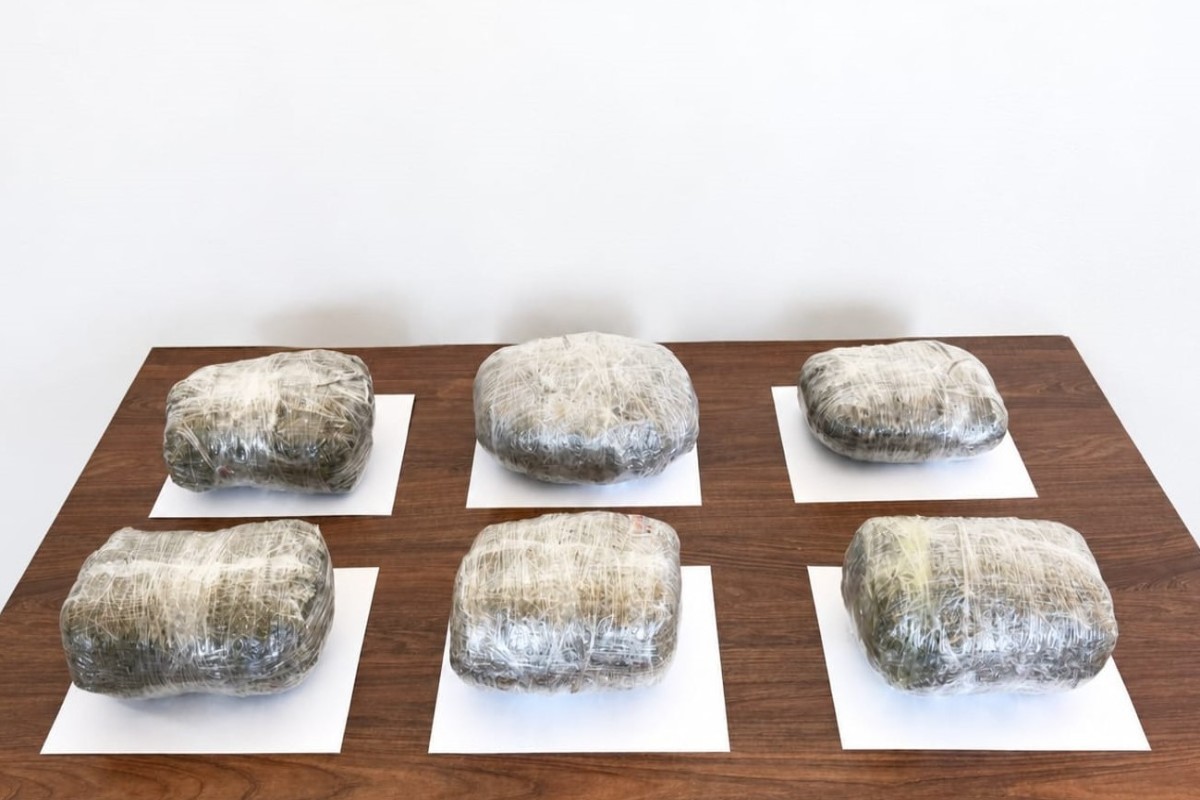
Drug smuggling from Iran into Azerbaijan prevented - PHOTO
11:23
20 October 2026

SWISS flight aircraft en route Zurich-Shanghai made emergency landing in Baku
20:45
19 October 2026
Seven people suspected of calling for violent seizure of power in Azerbaijan placed on international wanted list
18:28
19 October 2026

NEWS FEED
Trump: Ukraine and Zelenskyy must strive to resolve the conflict
23:20
20 October 2026
IRGC Navy says supertanker exploded after hitting mine south of Hormuz
22:55
20 October 2026
UEFA Champions League: Germany’s Borussia Dortmund defeat Azerbaijan’s FC Sabah
22:39
20 October 2026
Witkoff’s plans to visit Russia on October 21 confirmed
22:36
20 October 2026
Iranian President: United States must lift pressure, threats and sanctions before any negotiations
22:32
20 October 2026
Ghalibaf rejects change in demands during talks with Pakistan army chief
22:03
20 October 2026
Russia ready to listen to US proposals, rules out political concessions — Lavrov
21:31
20 October 2026
Kallas claims that the US has been "pushing Ukraine toward capitulation" for 1.5 years
21:13
20 October 2026
Iran tells Munir it won't allow any enriched nuclear material to leave country
21:09
20 October 2026
Ambassador: Hungarian companies have invested USD 2 billion in Azerbaijan's economy
20:50
20 October 2026
Baku hosted event on the occasion of National Day of Hungary-PHOTO
20:42
20 October 2026
Day of Zangilan City celebrated in the city for first time -PHOTO-UPDATED
20:36
20 October 2026
Families of missing Azerbaijanis held protest in front of the European Parliament-PHOTO
20:28
20 October 2026
Turkish Presidency: Claims of attempt to lower Turkish flag in Azerbaijan are disinformation
19:53
20 October 2026
Kremlin considers Trump's actions a step toward Russia's victory over Ukraine
19:42
20 October 2026
Tanker violating regulations catches fire in southern corridor of Strait of Hormuz
19:07
20 October 2026
BP: Offshore construction work begins on Shah Deniz Compression project
18:51
20 October 2026
Azerbaijan urges citizens to avoid travel to France amid widespread unrest
18:31
20 October 2026
MAMA “Mother Nature” international art exhibition opens in Ashgabat - PHOTO
18:23
20 October 2026
Leyla Aliyeva visits Turkmen Carpet Museum in Ashgabat
18:21
20 October 2026
Katz: Hezbollah will be dealt a heavy blow if it joins Iran's attack on Israel
18:14
20 October 2026
Political consultations held between Azerbaijan and Croatia
18:14
20 October 2026
Azerbaijani parliament announces date and agenda of next session
18:06
20 October 2026
Zelenskyy: "Putin’s emergence from isolation has already begun"
17:45
20 October 2026
Zelenskyy says Ukraine may accept an alternative to NATO, but only under one condition
17:27
20 October 2026
TRIPP Fund director: US company acquires Armenia's second-largest copper mine
17:24
20 October 2026
Russia-Türkiye consultations held in Moscow
17:20
20 October 2026
UK to deploy Typhoon jets to help defend Saudi Arabia from Houthi attacks
17:10
20 October 2026
12 killed, 30 injured in bus-truck collision in Egypt
17:05
20 October 2026
Israel and Lebanon to hold ‘working level’ talks in Florida today, US official says
16:36
20 October 2026
Azerbaijani Parliament speaker addresses TURKPA meeting
16:29
20 October 2026
149 people sentenced to prison for participating in riots in France
16:25
20 October 2026
Moscow confirms dialogue with Washington on prisoner releases
16:23
20 October 2026
Moscow condemns US arrest warrant for Raul Castro
16:16
20 October 2026
Reuters: Witkoff travels to Norway for talks on Ukraine
16:13
20 October 2026
Memorandum of Understanding between Azerbaijan and UN approved
16:00
20 October 2026
Iran prolongs talks in stalemate to influence US midterms, officials say
15:57
20 October 2026
Ganja Memorial Complex established under Ministry of Culture
15:55
20 October 2026
Karabakh National Park established - ORDER
15:53
20 October 2026
Swedish ambassador meets with Hikmat Hajiyev
15:38
20 October 2026
Russia to increase penalties for calls for mass riots
15:34
20 October 2026
“Falcons Meet – 2026” exercise holds Distinguished Visitors’ Day - VIDEO
15:32
20 October 2026
Armenia could lose more than half of remittances from Russia
15:22
20 October 2026
Armenia's trade turnover with EAEU countries could fall by 55.6% if membership is suspended
15:13
20 October 2026
Azerbaijan adopts new state standards for railway and road transport
15:03
20 October 2026
Armenia's gas import costs could rise by 69% if it leaves EAEU
14:55
20 October 2026
Türkiye appoints Sergen Yalcin as national football team coach
14:50
20 October 2026
Azerbaijan reveals total oil output from East Azeri platform
14:26
20 October 2026
Kyrgyz President receives Azerbaijani Parliament speaker
14:12
20 October 2026
Two tankers catch fire after hitting sea mines in Strait of Hormuz
14:00
20 October 2026


