













Baku – APA. An international team of former diplomats called Wednesday on the Obama administration and its Afghan partners to push now for a negotiated settlement with the Taliban, as US-led forces near a peak, APA reports quoting AFP.
A task force led by Thomas Pickering, a former number three at the US State Department, and Lakhdar Brahimi, a former UN special representative for Afghanistan, said Afghan President Hamid Karzai’s US-backed government has as strong a hand as it will get.
In a New York Times column timed with the release of the team’s report, Pickering and Brahimi said Washington "has been holding back from direct negotiations, hoping the ground war will shift decisively in its favor.
"But we believe the best moment to start the process toward reconciliation is now, while (US-led) force levels are near their peak," the pair wrote, nearly 10 years after the United States launched its war in Afghanistan.
The report itself argued that "neither side can expect to vanquish the other militarily in the foreseeable future," as some of its authors, like Lawrence Korb, said the US-led military surge has stopped Taliban momentum.
"This growing sense of stalemate helps to set the stage for the beginning of a political phase to conclude the conflict," according to the report published by its sponsors, The Century Foundation.
Besides the military stalemate, other factors suggest the time is right for negotiations, the task force said.
For one thing, public support is waning within western countries which have contributed troops to Afghanistan. And in Afghanistan, people are weary of the decade-old war.
Meanwhile, the Taliban have met increasing resistance to their efforts to reimpose their puritanical rule on areas beyond their "most dedicated base."
Moreover, because of inflows of international aid, Afghans who live in areas outside Taliban control enjoy far higher standards of living than those who live inside them.
Brahimi, an Algerian who met the Taliban’s spiritual leader Mullam Omar before the September 2001 attacks, and other members of the task force met Taliban leaders whom they found open to the idea of negotiations.
"We think the Taliban will be interested in exploring the possibility of negotiations," Brahimi told a dinner audience late Tuesday before the report’s formal release.
James Dobbins, a task force member and a former US special envoy to Afghanistan, told the same audience that the Taliban had to be pragmatic as "they realize that winning is not so certain as it used to be."
The task force called for finding an international facilitator, "designated through the United Nations," to explore the possibility for negotiations with all the potential parties.
The talks themselves would be highly complex, it said. At one level, they would involve the Karzai government, the Taliban and other players in the country, including Uzbek, Tajik and Hazara leaders.
At another level, they would bring in the United States and Pakistan. Iran, India and neighboring Central Asian states would be involved. Others would include Russia, China, and the European Union as well as Japan and Turkey.
In a major speech on Afghanistan policy on February 18, Secretary of State Hillary Clinton said the US military surge would split the Taliban from Al-Qaeda, laying the groundwork for a political solution in Afghanistan.
She did not mention a timeline.
The chief US diplomat reaffirmed US plans to start reducing troops in July and complete the drawdown by the end of 2014 as Afghans take charge of their war-torn country.
In October, Karzai inaugurated a peace council appointed to broker peace with the Taliban and other insurgents.


 Follow us on Telegram
 t.me/apanewsaz
 Follow us on Instagram
 Follow us on TikTok
 Follow us on Facebook
 Follow us on X
Incident
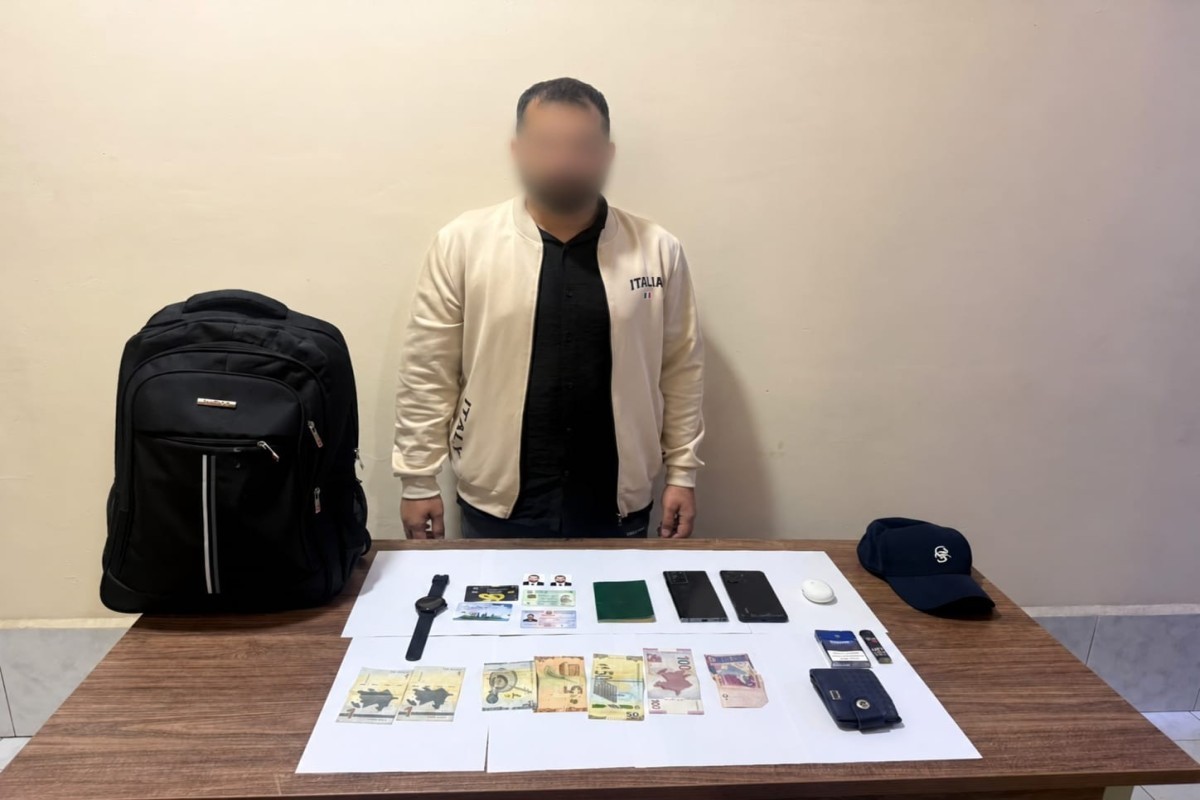
Pakistani citizen detained while attempting to cross Azerbaijan-Russia border illegally - PHOTO
 13:11
13:11
 20 October 2026
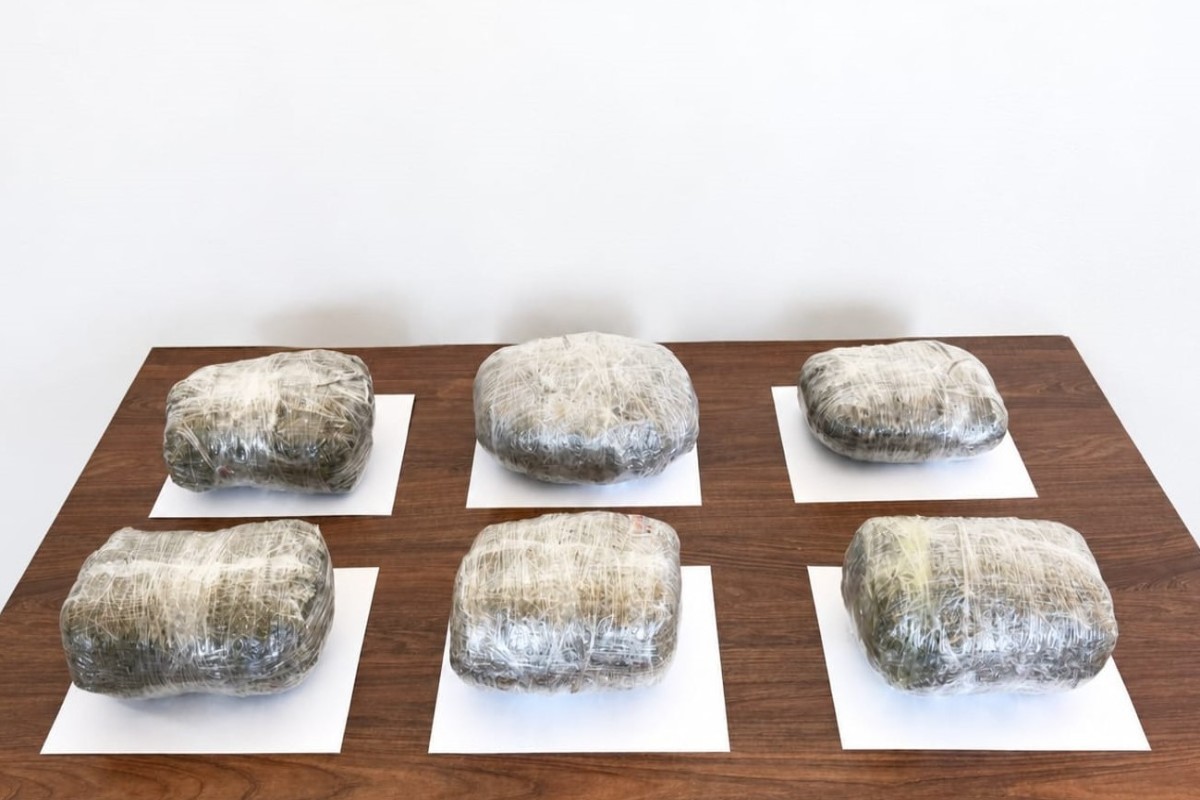
Drug smuggling from Iran into Azerbaijan prevented - PHOTO
11:23
20 October 2026
SWISS flight aircraft en route Zurich-Shanghai made emergency landing in Baku
20:45
19 October 2026
Seven people suspected of calling for violent seizure of power in Azerbaijan placed on international wanted list
18:28
19 October 2026

NEWS FEED
Trump: Ukraine and Zelenskyy must strive to resolve the conflict
23:20
20 October 2026
IRGC Navy says supertanker exploded after hitting mine south of Hormuz
22:55
20 October 2026
UEFA Champions League: Germany’s Borussia Dortmund defeat Azerbaijan’s FC Sabah
22:39
20 October 2026
Witkoff’s plans to visit Russia on October 21 confirmed
22:36
20 October 2026
Iranian President: United States must lift pressure, threats and sanctions before any negotiations
22:32
20 October 2026
Ghalibaf rejects change in demands during talks with Pakistan army chief
22:03
20 October 2026
Russia ready to listen to US proposals, rules out political concessions — Lavrov
21:31
20 October 2026
Kallas claims that the US has been "pushing Ukraine toward capitulation" for 1.5 years
21:13
20 October 2026
Iran tells Munir it won't allow any enriched nuclear material to leave country
21:09
20 October 2026
Ambassador: Hungarian companies have invested USD 2 billion in Azerbaijan's economy
20:50
20 October 2026
Baku hosted event on the occasion of National Day of Hungary-PHOTO
20:42
20 October 2026
Day of Zangilan City celebrated in the city for first time -PHOTO-UPDATED
20:36
20 October 2026
Families of missing Azerbaijanis held protest in front of the European Parliament-PHOTO
20:28
20 October 2026
Turkish Presidency: Claims of attempt to lower Turkish flag in Azerbaijan are disinformation
19:53
20 October 2026
Kremlin considers Trump's actions a step toward Russia's victory over Ukraine
19:42
20 October 2026
Tanker violating regulations catches fire in southern corridor of Strait of Hormuz
19:07
20 October 2026
BP: Offshore construction work begins on Shah Deniz Compression project
18:51
20 October 2026
Azerbaijan urges citizens to avoid travel to France amid widespread unrest
18:31
20 October 2026
MAMA “Mother Nature” international art exhibition opens in Ashgabat - PHOTO
18:23
20 October 2026
Leyla Aliyeva visits Turkmen Carpet Museum in Ashgabat
18:21
20 October 2026
Katz: Hezbollah will be dealt a heavy blow if it joins Iran's attack on Israel
18:14
20 October 2026
Political consultations held between Azerbaijan and Croatia
18:14
20 October 2026
Azerbaijani parliament announces date and agenda of next session
18:06
20 October 2026
Zelenskyy: "Putin’s emergence from isolation has already begun"
17:45
20 October 2026
Zelenskyy says Ukraine may accept an alternative to NATO, but only under one condition
17:27
20 October 2026
TRIPP Fund director: US company acquires Armenia's second-largest copper mine
17:24
20 October 2026
Russia-Türkiye consultations held in Moscow
17:20
20 October 2026
UK to deploy Typhoon jets to help defend Saudi Arabia from Houthi attacks
17:10
20 October 2026
12 killed, 30 injured in bus-truck collision in Egypt
17:05
20 October 2026
Israel and Lebanon to hold ‘working level’ talks in Florida today, US official says
16:36
20 October 2026
Azerbaijani Parliament speaker addresses TURKPA meeting
16:29
20 October 2026
149 people sentenced to prison for participating in riots in France
16:25
20 October 2026
Moscow confirms dialogue with Washington on prisoner releases
16:23
20 October 2026
Moscow condemns US arrest warrant for Raul Castro
16:16
20 October 2026
Reuters: Witkoff travels to Norway for talks on Ukraine
16:13
20 October 2026
Memorandum of Understanding between Azerbaijan and UN approved
16:00
20 October 2026
Iran prolongs talks in stalemate to influence US midterms, officials say
15:57
20 October 2026
Ganja Memorial Complex established under Ministry of Culture
15:55
20 October 2026
Karabakh National Park established - ORDER
15:53
20 October 2026
Swedish ambassador meets with Hikmat Hajiyev
15:38
20 October 2026
Russia to increase penalties for calls for mass riots
15:34
20 October 2026
“Falcons Meet – 2026” exercise holds Distinguished Visitors’ Day - VIDEO
15:32
20 October 2026
Armenia could lose more than half of remittances from Russia
15:22
20 October 2026
Armenia's trade turnover with EAEU countries could fall by 55.6% if membership is suspended
15:13
20 October 2026
Azerbaijan adopts new state standards for railway and road transport
15:03
20 October 2026
Armenia's gas import costs could rise by 69% if it leaves EAEU
14:55
20 October 2026
Türkiye appoints Sergen Yalcin as national football team coach
14:50
20 October 2026
Azerbaijan reveals total oil output from East Azeri platform
14:26
20 October 2026
Kyrgyz President receives Azerbaijani Parliament speaker
14:12
20 October 2026
Two tankers catch fire after hitting sea mines in Strait of Hormuz
14:00
20 October 2026


