












Baku – APA. A faulty part or design issue may have caused the severe damage to an engine that forced a Qantas Airways Airbus A380 to make an emergency landing in Singapore, Qantas’s boss said on Friday, APA reports quoting “Reutersâ€.
Separately, a European Union air safety body confirmed it told airlines in August to make checks after finding "wear, beyond engine manual limits" on the type of Rolls-Royce engines fitted to the Qantas jet and some other A380s.
And less than 48 hours after the A380 incident, a Qantas Boeing 747 flying the same Sydney route returned to Singapore, also as a result of engine trouble.
The A380 engine failure on Thursday, which scattered debris over an Indonesian island, was the biggest incident to date for the world’s largest passenger plane, in service only since 2007.
The incident saw Qantas ground its fleet of six A380s pending safety checks which will take 24-48 hours, and led other airlines to check their own A380s. All A380s have four engines.
"We believe this is probably most likely a material failure or some sort of design issue," Joyce told a news conference in Sydney. "If we don’t find any adverse findings in those checks the aircraft will resume operations.."
The Australian Transport Safety Bureau said there was no indication foul play had contributed to the incident on the Sydney-bound flight.
Singapore Airlines resumed flying its A380s on Friday, lifting a grounding order imposed after the Qantas incident.
Singapore’s clearance of its 11 A380s -- the second largest fleet after Emirates -- will be a relief for European planemaker Airbus and British enginemaker Rolls-Royce, which lost over $1.5 billion in combined market value on Thursday.
EADS shares were flat on Friday, after Thursday’s 4 percent fall, while Rolls-Royce shares fell a further 3.3 percent to 601 pence after a 5 percent slide the previous day.
German airline Lufthansa said it had withdrawn an A380 from a Frankfurt-Johannesburg flight because it had not had enough time to check the engines before departure.
British A380 engine maker Rolls-Royce told A380 operators to perform safety checks on Trent 900 engines.
EADS also told A380 operators using Rolls-Royce engines to have them inspected.
Speaking to Reuters in Paris on Thursday at a ceremony where Chinese buyers were signing to buy Airbus planes, sales chief John Leahy said he had not received pressure from airlines about the A380’s safety.
"No concerns whatsoever," he said, asked if Airbus customers had expressed safety worries following the engine scare, adding: "We have to find out the reason for the engine failure."
One passenger aboard flight QF32 reported hearing a "massive bang" while photographs of the engine showed its outer, rear casing had been torn apart.
"The fact that it survived the damage is a credit to the design. Twenty years ago that would probably have taken the aircraft out of the sky," said John Page, senior lecturer in Aerospace Engineering at the University of New South Wales.
Passengers also reported a second engine on the stricken Qantas aircraft failed to shut down once on the tarmac, sparking fears it could ignite spilling fuel from the failed engine.
SECOND ENGINE PROBLEM
Joyce confirmed the other engine had failed to shut down after landing but said it could have been affected by the mishap to the first engine which caused parts to fly off. "We are still investigating the causes," he said.
Passengers said after landing they had been told of the dangers of using any electronic device as fire fighters sprayed the aircraft which was leaking fuel from a hole in the wing.
"Obviously in the back of your mind you are concerned about a very hot engine next to leaking fuel," passenger Christopher Lee said. "Obviously, you are in a state of anxiety."
Qantas said its engineers, along with those from Airbus and Rolls-Royce, were working to determine what went wrong.
"Rolls-Royce have identified a number of potential areas," said Joyce. "This issue does not relate to maintenance."
Rolls-Royce has maintained the engines since they were installed on the aircraft, he said. The company gets a goodly proportion of its revenues from such service contracts.
Qantas shares ended down 1 percent at A$2.86 on Friday, underperforming the broader market which advanced 1.2 percent to a six-month high.
Commonwealth Bank aviation analyst Matt Crowe said there was unlikely to be long-term reputational damage, as investors had tended to move on from previous safety incidents which have never resulted in a fatal crash for Qantas.
Joyce said it was too early to assess the financial impact of grounding its six A380s, but Crowe estimated the grounding could cost up to A$20 million ($20.3 million) in revenues if the planes remained on the ground for a week.
By comparison, the volcanic ash cloud that disrupted European air travel in April this year lasted about two weeks and cost Qantas A$46 million in costs and lost revenue.
Qantas says A380 engine failure may be "design issue"

 06 November 2010 01:57 (UTC +04:00)



 İDMAN XƏBƏR
 Follow us on Telegram
 t.me/apanewsaz
 Follow us on Instagram
 Follow us on TikTok
 Follow us on Facebook
 Follow us on X
Incident
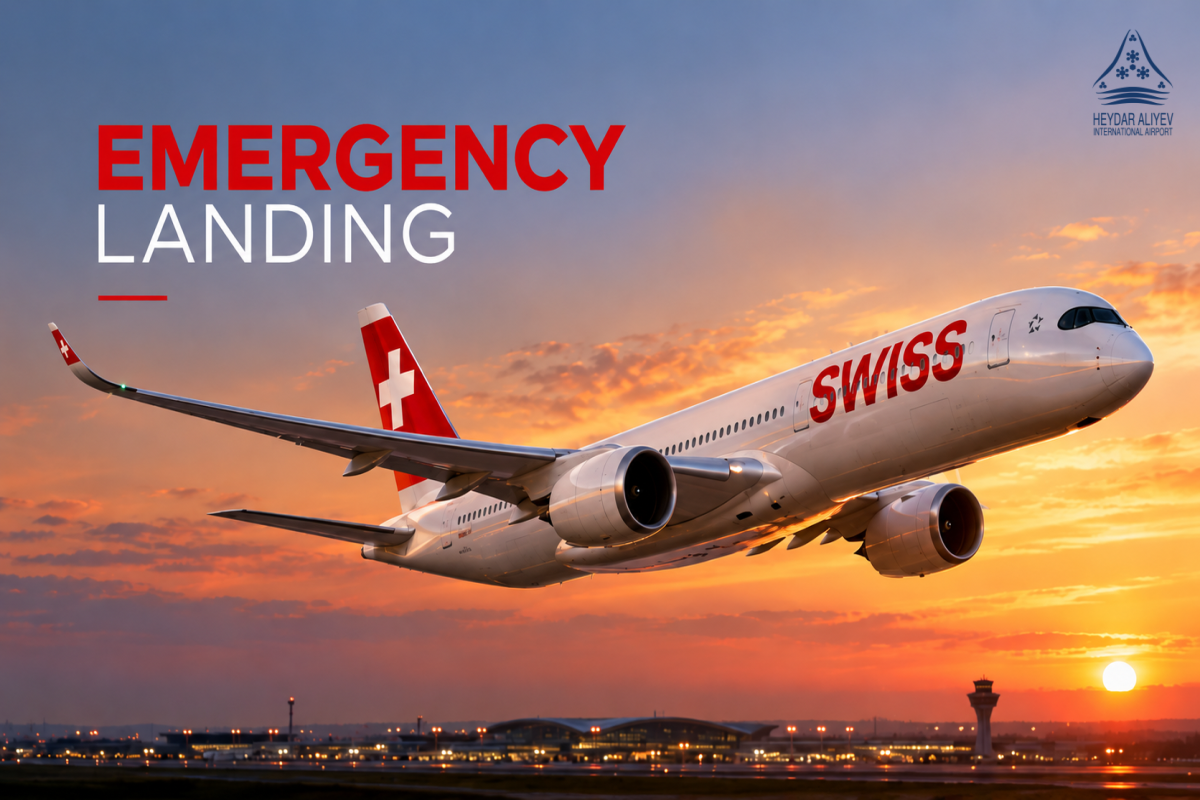
SWISS flight aircraft en route Zurich-Shanghai made emergency landing in Baku
20:45
 19 October 2026
Seven people suspected of calling for violent seizure of power in Azerbaijan placed on international wanted list
18:28
19 October 2026

State Security Service detains organizer of car arson attacks in Masazir abroad
17:38
19 October 2026
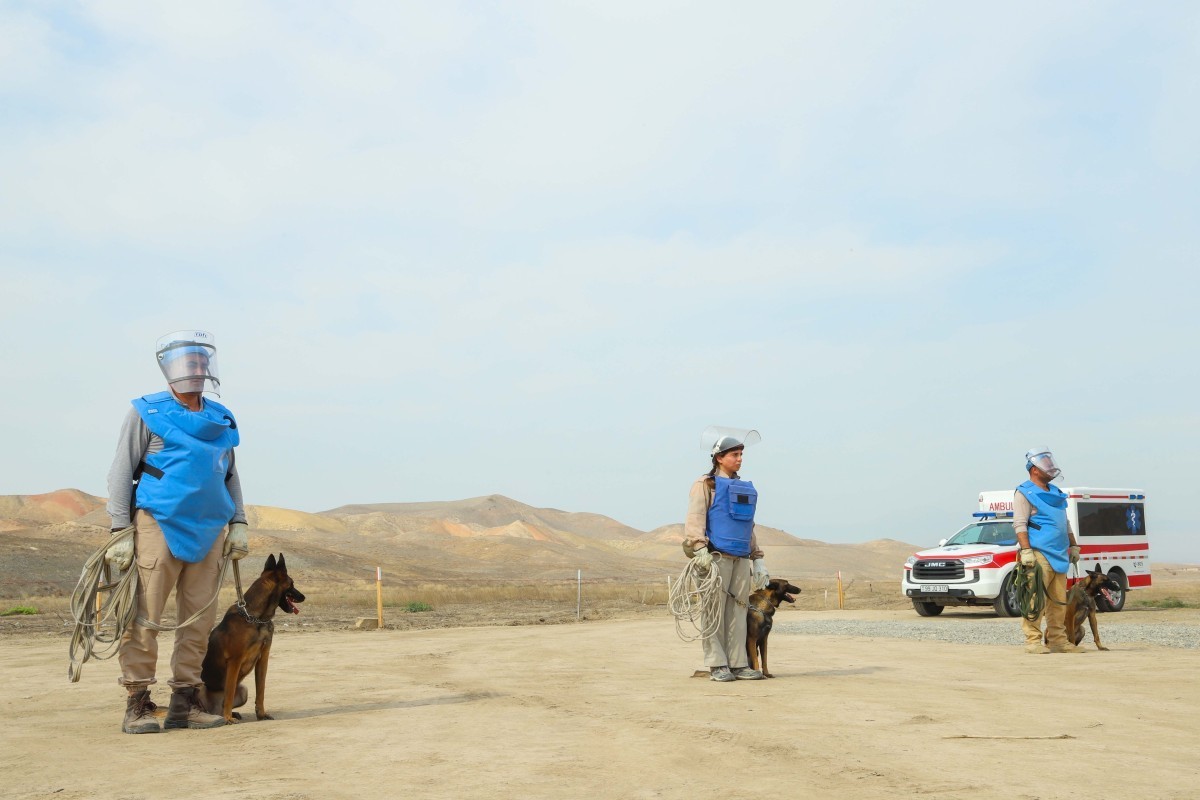
308,945 hectares cleared of mines in Jabrayil, Gubadli and Zangilan
15:37
19 October 2026

NEWS FEED
Pentagon chief makes secret visit to Israel
09:08
20 October 2026
Bitcoin price falls below $82,000
09:06
20 October 2026
Gold prices edge up after decline
09:02
20 October 2026
Oil prices rise on global markets
09:00
20 October 2026
Major indices decline across global stock markets
08:59
20 October 2026
Witkoff hopes to visit Russia after meeting Zelensky in Oslo — Axios reporter
08:56
20 October 2026
Trump: US could end military confrontation with Iran right now
08:45
20 October 2026
57% of Bavarian respondents want Merz to resign immediately, poll finds
07:59
20 October 2026
North Korea may deploy additional strike systems along border with South Korea
06:33
20 October 2026
US has not approved Patriot missile deliveries to Ukraine — WP
05:52
20 October 2026
Trump says he wants to know who ordered Starlink shutdown in Ukraine
05:32
20 October 2026
Vance believes Trump would back him in potential 2028 presidential bid
05:07
20 October 2026
Death toll from Colombia gold mine collapse rises to 14
05:06
20 October 2026
Vance opposes NATO membership for Ukraine
04:58
20 October 2026
US hopes increased Russian diesel supplies will ease global price pressures
04:27
20 October 2026
Lithuania to seek NATO approval to shoot down drones without visual confirmation
04:16
20 October 2026
Trump warns Europe faces serious crisis unless migration policies change
03:48
20 October 2026
Iran warns it could target undersea internet cables in Strait of Hormuz
03:15
20 October 2026
Witkoff and Kushner to visit Norway for Ukraine talks
02:56
20 October 2026
At least nine people have died in mine collapse in Colombia
02:19
20 October 2026
Shooting occurred at mosque in Ohio
02:00
20 October 2026
Trump says he will tighten sanctions against Russia at any moment
01:45
20 October 2026
FT: Protests in France have exposed the authorities' impotence
00:56
20 October 2026
US President says he is open to joining trilateral meeting with Xi, Putin
00:31
20 October 2026
Trump: It's time for Ukraine to put someone in the negotiating chair instead of Zelenskyy
00:18
Audio
20 October 2026
Azerbaijan marks six years since liberation of Zangilan city
00:00
20 October 2026
Pope calls Zelenskyy following talks with Putin, details of discussion emerge
23:38
19 October 2026
Ashgabat hosts concert of State Symphony Orchestra of Turkmenistan
23:19
19 October 2026
Pakistan's top general to visit Tehran on Tuesday - IRGC
23:03
19 October 2026
Leyla Aliyeva watches performance of Turkmen iconic Galkynysh national equestrian group in Arkadag city
22:52
19 October 2026
Leyla Aliyeva visits Children’s Health and Rehabilitation Center in Arkadag city-PHOTO
22:46
19 October 2026
Leyla Aliyeva meets with Oguljahan Atabayeva in Arkadag
22:40
19 October 2026
Uzbekistan, U.S. sign agreements worth $12 bln
22:04
19 October 2026
BFMTV: France imposes curfew on several streets in Paris
21:46
19 October 2026
Houthis claim strikes on Aramco site, Saudi oil field
21:36
19 October 2026
President: We did not stoop to the level of the barbarians and child-killers who caused so much suffering for our people
21:10
19 October 2026
Iranian president holds meeting with Russian foreign minister
21:00
19 October 2026
SWISS flight aircraft en route Zurich-Shanghai made emergency landing in Baku
20:45
19 October 2026
Russia, Iran discuss cooperation between Tehran and EAEU
20:21
19 October 2026
US court issues arrest warrant for former Cuban leader Raul Castro
19:51
19 October 2026
Russian strike on park in Kharkiv region kills six - UPDATED
19:37
19 October 2026
13-year-old boy suspected of stabbing teacher and pupil in Romania after TikTok posts
19:24
19 October 2026
Azerbaijan and UAE Air Force Commanders meet - PHOTO
19:13
19 October 2026
Five cases of mpox confirmed in St. Petersburg
18:56
19 October 2026
Ukrainian army strikes Russian radar station and ammunition depots
18:38
19 October 2026
Lavrov: Russia ready to help find solutions to Iran-US conflict
18:29
19 October 2026
Seven people suspected of calling for violent seizure of power in Azerbaijan placed on international wanted list
18:28
19 October 2026
Russia’s Lavrov discusses US war and regional security during Tehran visit
18:22
19 October 2026
Leyla Aliyeva pays visit to Turkmenistan
18:08
19 October 2026
Difficult tactical manoeuvres are performed during “Falcons Meet – 2026” exercise - VIDEO
18:06
19 October 2026


