












Baku-APA. Later this year, Portugal will begin laying high-speed rail tracks toward the Spanish border to help connect this tiny Atlantic promontory to the rest of Europe, APA reports AOL News.
But despite billions of dollars in EU investment for such projects, Portugal’s economy can’t quite connect. Ever since it emerged from military dictatorship in the mid-1970s, Portugal has struggled to integrate -- let alone compete -- with the rest of Europe.
And even if this humble little country were content to sit at the bottom of Western Europe’s economic ranks, others are increasingly uneasy about that, especially in light of what’s happened in Greece. Athens’ debt crisis has many Europeans realizing that economic disparity in Europe -- the economic engine of the north versus the south, scrambling to catch up -- leaves everyone vulnerable.
Economists warn that all five little PIIGS -- Portugal, Ireland, Italy, Greece and Spain -- are vulnerable to economic collapse. All of them have high debt and yawning deficits, and have struggled to use the influx of EU money they’ve received since the 1980s to modernize their lagging economies. They’ve also been hardest hit by the global recession.
The collapse of even one of them -- let alone all of them in quick succession -- could threaten the unity of the European Union and its common currency, the euro. For the U.S., with its billions of dollars in debts to China, a European collapse could increase interest burdens and shed an unwelcome light on Washington’s huge deficits.
Greece, of course, is in the worst shape, with its prime minister calling last week for a joint European-IMF bailout before his country is forced to restructure its debt at a loss to investors. Greek unemployment is near 20 percent, and the country’s national debt is expected to grow to more than $400 billion this year -- more than its entire annual economic output. Its budget deficit is 13.6 percent, which is more than four times what EU rules allow.
But Portugal isn’t much better, with the ratio of its debt to gross domestic product near 80 percent, and its budget deficit at 9.4 percent. The Standard & Poor’s rating agency this week downgraded Portuguese government bonds two notches from A+ to A-, an indication that investors are losing confidence in Portugal’s ability to meet its financial obligations. Greece’s bonds were downgraded to "junk" status, and Spain’s were also knocked down a notch. Thus interest rates for all three have shot up, making it more expensive for their governments to borrow money on international markets.
A Portuguese rail strike earlier this week didn’t grab big headlines like those in recent months in Greece, but it could be a harbinger of labor unrest to come. Unemployment is hovering around 10 percent, which is half that of Greece, but still the highest Portugal has seen in 25 years. And with markets reeling from Greece’s woes, more scrutiny is falling on Lisbon as anxious investors wonder who’ll be the next domino to fall.
"On its own, Portugal may not have attracted so much attention from markets, but with trouble in Greece, it was inevitable that markets turned to other potential hazards, including Portugal," said Vanessa Rossi, an economist at London’s Chatham House think tank.
But Rossi said Portugal isn’t quite in the same category as Greece. "Although Portugal does face a persistent problem to find a sustainable economic growth path and reduce fiscal pressure, it has been working on reducing its deficit and debt under scrutiny by Brussels for some time, and has shown a greater awareness of the need to redress the public finances problem," she said.
Until the 17th century, Portugal was Europe’s economic leader, with a vast empire of holdings stretching from China to Africa and South America. It held onto its African colonies until 30 years ago. But now Portugal’s inability to mesh old with new, and modernize its economy, could prove its downfall.
The Portuguese standard of living stagnated during 40 years of military dictatorship, despite impressive economic growth during that time, when industries were nationalized and conscripts were sent abroad to fight expensive wars in Africa. When Portugal joined the European Union in 1986, entitling it to billions of dollars in EU subsidies, citizens’ quality of life leaped forward and the country’s economic growth burgeoned.
But some problems also took root, according to Joao Luis Cesar das Neves, an economics professor at the Catholic University of Portugal.
"We weren’t able to contain ourselves in a situation of easy credit. Entering the euro for us meant a drastic reduction in interest rates, so we had almost free credit," Neves said. "We weren’t able to control ourselves."
Government and household debt soared. In response, the government has imposed Greek-style austerity measures, freezing public sector wages and docking the pensions of workers who take early retirement. Pay raises through 2013 will lag behind inflation.
S&P’s downgrade has sent Prime Minister Jose Socrates scrambling to pull forward belt-tightening measures that were slated for 2011, affecting unemployment benefits and social security.
One thing Portugal has on its side, analysts said, is that it’s more trusted by the international community.
"In Portugal there is no evidence of meddling with accounting rules to the extent practiced in Greece," said Jose Tavares, an economics professor at the New University of Lisbon. "Clearly Greece has been wayward," said Chatham House’s Rossi. Greece "lacks any internal understanding or agreement on how to face its problems ... there is no trust there," she said.
Others put it more bluntly. "The Portuguese did not lie," French Budget Minister Francois Baroin told reporters this week in Paris. The previous Greek government, which left office in October, has been accused of doctoring the country’s accounts to hide the fiscal problems that now threaten its economy.
Another good sign for Portugal came Wednesday, when the country’s largest opposition party said it’ll cooperate with Socrates to ensure Portugal meets its fiscal goals. The leader of the Social Democratic Party, Pedro Passos Coelho, made a rare appearance alongside the Socialist prime minister "to demonstrate to the international markets our intention to place the nation’s interests first," he said.
"We decided to work together to answer the baseless speculative attack on the euro and Portuguese sovereign debt," Socrates said. He was re-elected last year but lost an outright majority -- meaning he needs opposition support to pass austerity measures and other legislation.
The two also pledged to work together to reduce Portugal’s deficit to 2.8 percent of GDP by 2013. Last year’s deficit was 9.4 percent.
Contrast that avowed cooperation with the situation in Greece, where Prime Minister George Papandreou has consistently blamed the previous government for mismanaging the country’s finances and fudging statistics in its reports to the EU. "We inherited a ship that was ready to sink. A country bereft of prestige and credibility, which had even lost the respect of its friends and partners," Papandreou told Greek TV last week.
To get that credibility back, along with some cash, Greece is turning in part to the Washington-based International Monetary Fund, which some European leaders initially believed would be embarrassing for the eurozone so early in its history. France and Germany in particular have invested heavily in the prestige and strength of the 9-year-old currency.
The EU is also fashioning a bailout plan. But while northern Europe fared better in the recent economic downturn, it isn’t prosperous enough to compensate for all of southern Europe’s debts. So going cap-in-hand to the IMF may be Greece’s best option.
For the economist Neves, that’s not a bad thing -- and wouldn’t be for Portugal, either.
"We should have gone to the IMF long ago -- Portugal, Greece and Italy all. All the rules are the same for everybody," Neves said. "Unfortunately there’s this pride about going to the IMF, like we’re Third World countries or something. But we’re here languishing. That’s just stupid."


 Follow us on Telegram
 t.me/apanewsaz
 Follow us on Instagram
 Follow us on TikTok
 Follow us on Facebook
 Follow us on X
Incident
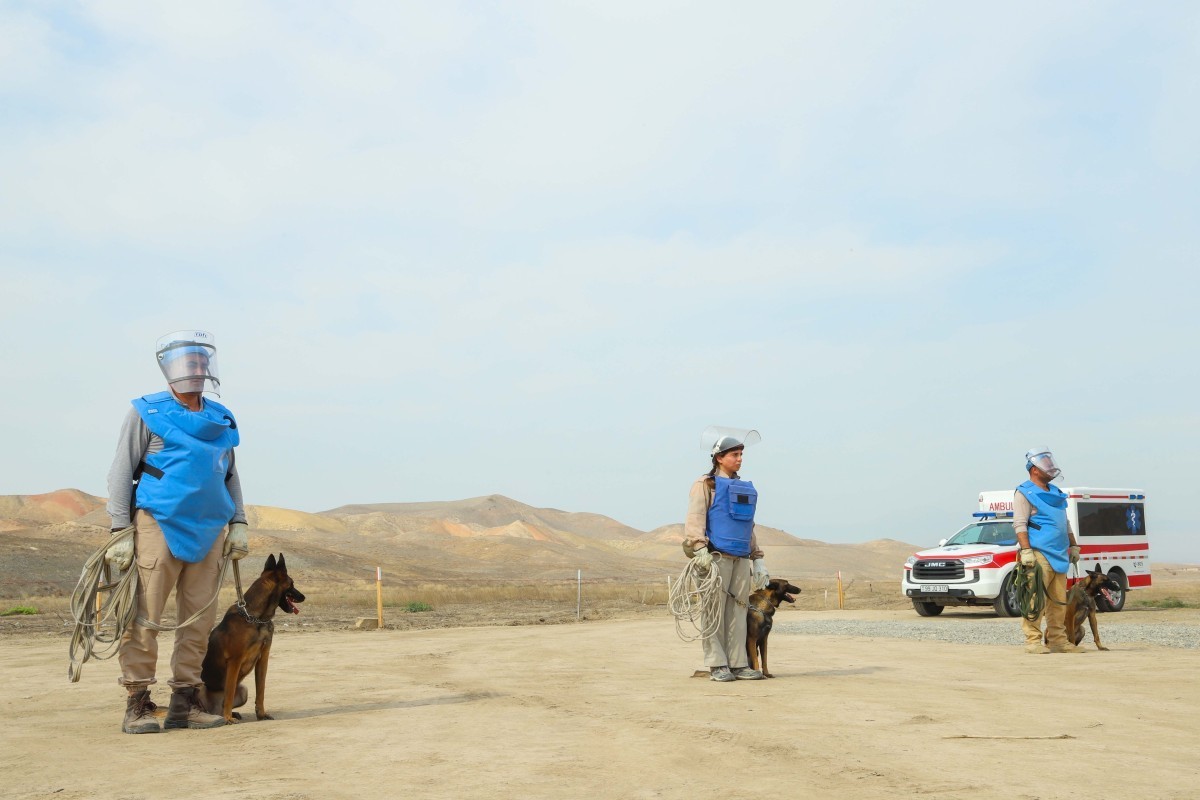
308,945 hectares cleared of mines in Jabrayil, Gubadli and Zangilan
 15:37
15:37
 19 October 2026
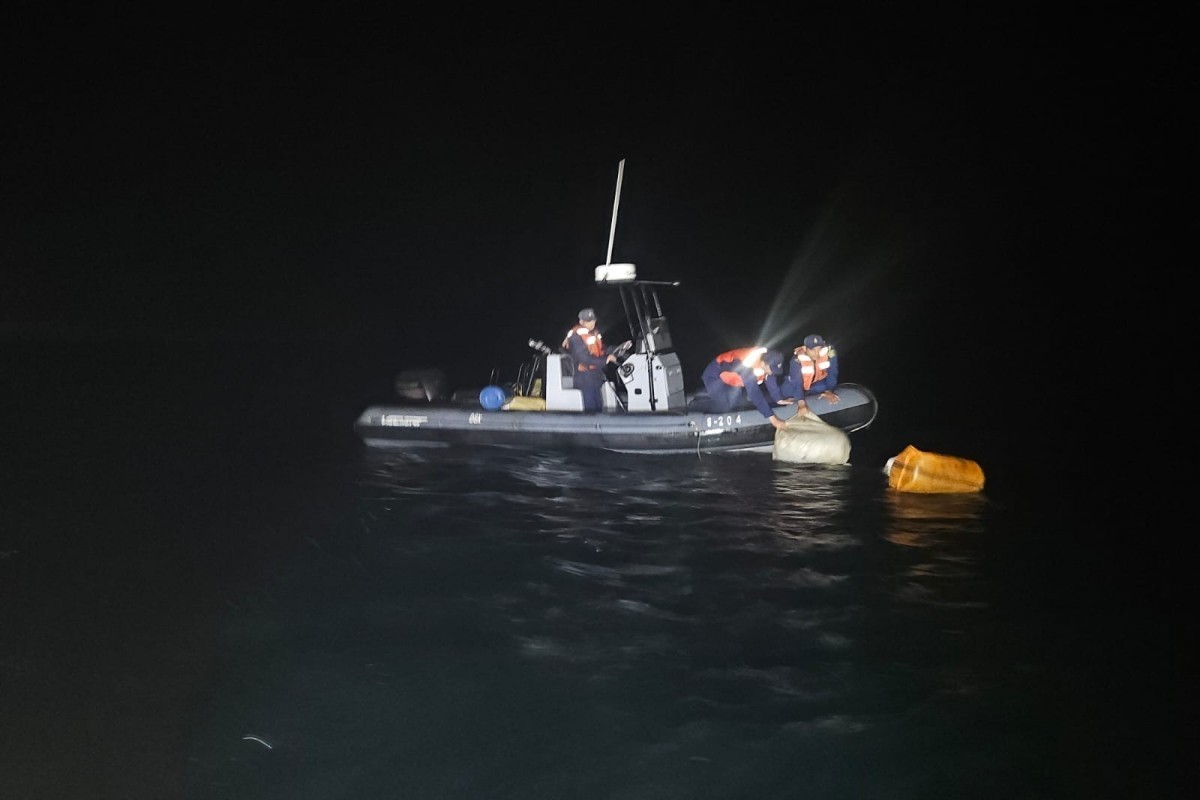
Contraband discovered in Azerbaijani sector of Caspian Sea - PHOTO
14:58
19 October 2026
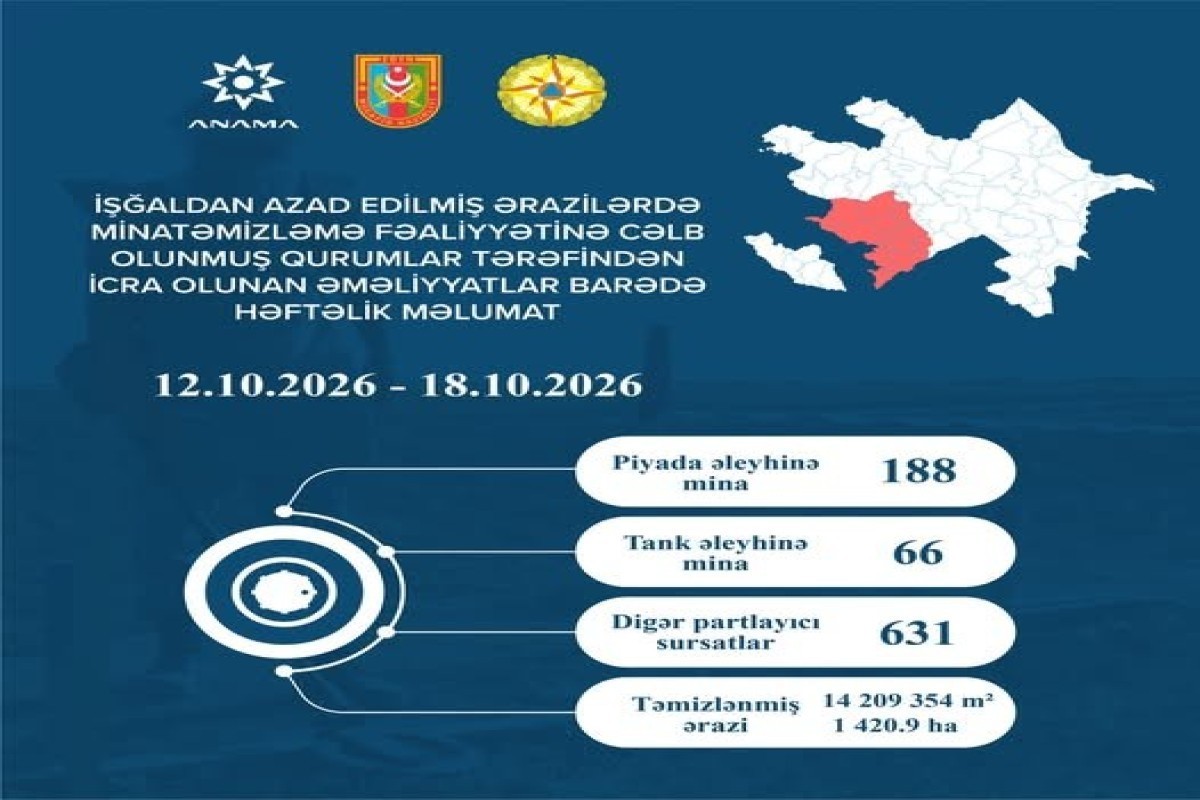
Azerbaijan discovers 254 mines and 631 UXO in liberated territories
14:32
19 October 2026
Earthquake hits Azerbaijan's Ismayilli district
12:26
19 October 2026

NEWS FEED
Georgia's trade turnover with Azerbaijan exceeds $1 billion this year
16:30
19 October 2026
Iranian and Russian foreign ministers meet in Tehran
16:28
19 October 2026
ANAS to consider removing Ramiz Mehdiyev from full membership - ANAS President
16:20
19 October 2026
Germany summons Iranian envoy over alleged attack plots against pro-Israel figures
16:16
19 October 2026
Azerbaijani citizens purchase 70 apartments in Türkiye last month
16:12
19 October 2026
Fitch Ratings CEO: Azerbaijan's financial resources support stability of manat exchange rate - INTERVIEW
16:09
19 October 2026
Qatar warns of risk of further deepening global energy crisis
15:59
19 October 2026
German ambassador visits Sumgayit
15:56
19 October 2026
Trump urges France to close its borders immediately
15:47
19 October 2026
European Commission rejects US proposal to resume gas purchases from Russia
15:39
19 October 2026
308,945 hectares cleared of mines in Jabrayil, Gubadli and Zangilan
15:37
19 October 2026
Around 40 killed, injured in Houthi missile attack in Yemen’s Shabwa - UPDATED
15:36
19 October 2026
Working Group on mine and unexploded ordnance clearance holds meeting in Jabrayil
15:32
19 October 2026
French premier calls for localized curfews starting Monday evening amid unrest
15:28
19 October 2026
Lavrov visits Iran
15:12
19 October 2026
Azerbaijani Parliament speaker meets Kyrgyz parliament speaker - PHOTO
15:02
19 October 2026
Contraband discovered in Azerbaijani sector of Caspian Sea - PHOTO
14:58
19 October 2026
OIC updates four resolutions on Azerbaijan, Baghdad Declaration reflects normalization with Armenia
14:45
19 October 2026
Official Moscow: Unrest in Europe is heading towards chaos
14:39
19 October 2026
Inclusive Training and Education Center opens in Baku - PHOTO
14:34
19 October 2026
Azerbaijan discovers 254 mines and 631 UXO in liberated territories
14:32
19 October 2026
Peskov: Final agreement cannot be reached without Kyiv's participation
14:29
19 October 2026
Peskov says possible meeting between Putin, Trump and Xi Jinping has not been discussed in detail
14:22
19 October 2026
Number of Azerbaijani-invested companies in Georgia exceeds 5,500
14:20
19 October 2026
President Ilham Aliyev awards group of energy sector workers
14:18
19 October 2026
Cinema Agency warns: Those who record "44" film without permission may face legal liability
14:12
19 October 2026
Azerbaijan earns over $400,000 from silk exports this year
14:06
19 October 2026
Sybiha comments on Putin's proposal to meet with Trump and Xi Jinping to discuss war
13:35
19 October 2026
Death toll from floods in Türkiye rises to 9
13:33
19 October 2026
Twelve migrants, including infant, drown as boats capsize off Greek islands - UPDATED
13:24
19 October 2026
Georgia proposes establishing joint expert group with Azerbaijan
12:37
19 October 2026
Russian plane that issued distress signal over Kazakhstan lands at Omsk airport - UPDATED
12:29
19 October 2026
Earthquake hits Azerbaijan's Ismayilli district
12:26
19 October 2026
Georgian Patriarchate: Our relations with Azerbaijan are based on mutual respect
12:21
19 October 2026
Zelenskyy: We received no early warning from our partners about Russia's attacks last night
12:01
19 October 2026
Georgian analyst: Tbilisi and Baku should turn the region into a capable geopolitical player
11:59
19 October 2026
Qatar to announce new regional military partnership
11:58
19 October 2026
Earthquake occurs in Caspian Sea
11:56
19 October 2026
Ambassador: Strong political dialogue established between Azerbaijan and Georgia
11:30
19 October 2026
President Ilham Aliyev appoints Anar Bayramov as Azerbaijan's health minister
11:28
19 October 2026
Azerbaijan dismisses Health Minister Teymur Musayev
11:26
19 October 2026
Azerbaijan transfers TABIB to Ministry of Health
11:22
19 October 2026
France's Macron declines interior minister's offer to resign
11:21
19 October 2026
Reshuffle expected in Russian government
11:16
19 October 2026
Azerbaijan exports nearly $9 billion worth of oil to more than 10 countries this year - LIST
11:08
19 October 2026
Azerbaijan imports nearly 700 electric vehicles in nine months
11:05
19 October 2026
Araghchi urges Macron to listen to French public's demands for change
11:01
19 October 2026
Azerbaijan's total exports to Armenia over nine months revealed
10:54
19 October 2026
World Bank to increase funding for Baku to $500 million
10:48
19 October 2026
Azerbaijan's foreign trade surplus increases nearly sixfold
10:43
19 October 2026


