










Washington. Isabel Levine – APA. APA’s Washington DC correspondent’s interview with Thomas Ambrosio, US analyst on South Caucasus issues, an Associate Professor of political science at North Dakota State University
-According to some analysts, the OSCE summit in Astana brought kind of hopelessness on Nagorno-Karabakh negotiations. What is the OSCE’s role in the conflict resolution? What are the prospects of resolving the Nagorno-Karabakh issue today?
- The OSCE’s role in the resolution of the Nagorno-Karabakh conflict has been to support the ‘peace process’ through the Minsk Group. In a decade and a half, this has produced no substantive moves toward a peace treaty, despite numerous plans, meetings, and statements. One could argue that as long as Baku and Yerevan are talking to each other they are not fighting, and this alone is a reason to continue with what appears to be a futile process. That is fine. However, one should not expect any breakthroughs.
The real problem is that the core elements to resolving the conflict are contradictory. The three ‘legs’ of the Helsinki Principles emphasized by the summit’s attendees – territorial integrity, the non-use of force, and the right to self-determination – cannot all be accepted by the parties. One cannot preserve Azerbaijan’s territorial integrity without the Armenians believing that they are giving up the right to self-determination, since they define this as the right to independence. Similarly, one cannot allow the Armenians to legally secede without violating Azerbaijan’s territorial integrity. Finally, given that Azeri territory is currently under occupation, a firm commitment to the non-use of force simply reinforces the status quo, which, of course, benefits the Armenian position. Thus, any ‘solution’ to the conflict will be seen as unacceptable to one of the sides, given their current positions and interests.
- How does the publication of the US diplomatic cables on WikiLeaks influence international politics?
- The release will make US diplomacy more difficult. Thus far, the documents do not reveal dramatic wrongdoings by the United States – any comparison to the Pentagon Papers is, simply put, nothing more than hype. While this has been incredibly embarrassing for the US -- having the private analysis by its embassies exposed will make certain relationships awkward – the real impact will likely be seen on two fronts.
First, these documents do, in some cases, indicate that the public proclamations and the private statements of certain governments are not the same. Two quick examples, one regarding the US and one non-US case. The cables from Turkey show that those on the ground are not as comfortable with the policies and worldview of the government in Ankara as US officials are in public. The claim that Turkey is a close ally, a secular democracy, and ‘on the path to Europe’ is contradicted by the cables which express alarm at the growing Islamization of the government, an increasing shift away from the West, and the limited worldview of the top leadership. Similarly, but with a non-US case, the cables coming out of the Persian Gulf show that the Arab states are far more in favor of the US taking military actions against Iran than they are in public. Some of the statements were quite striking and could easily have been written by Israeli officials. This will not make life any easier for these regimes.
Second, the release of these cables will make it more difficult for the US to engage in effective diplomacy with their counterparts overseas. Rather than being candid with American diplomats, officials from other countries will always be worried about whether what they say will be released to the public.
While embarrassing, one needs to put some of these ‘revelations’ in perspective. Governments know that their diplomatic cables, if released, could also be problematic. They, themselves, read their own cables and probably would not want them released. I think that Secretary of State Hillary Clinton was correct when she related a conversation that she had with a counterpart: “Well, don’t worry about it, you should see what we say about you.â€
- What has caused the Wikileaks scandal and what are its possible implications for Azerbaijan?
- This is really two separate questions. What allowed this to happen as the information-sharing within the US government which has taken place since 9/11 and inadequate security procedures. However, the cause of the scandal is the policy preferences and worldview of Assange and his followers. They are clearly anti-American and seek to undermine American policy, power, and diplomacy throughout the world. Otherwise why release these documents? These documents are, as I said above, mostly embarrassing and do not show any real wrong-doings: they are nothing like cables that have been release (or have yet to be released) from US policy in Southeast Asia or Latin America. Diplomacy is kept secret for a reason. Governments need to have secure channels to each other to provide information, signal policy preferences, and conduct analysis. WikiLeaks appears to have as its mission to undermine this process. While sunlight can be used for good, sometimes it can be too much. What appears to be happening here is that Assange believes that the US is a force of evil around the world and these releases will weaken the prestige of the US, as well as make it more difficult for the different parts of its government to work effectively together.
The implications for Azerbaijan are unclear at the present time. Some news agencies, especially in Turkey, have seemingly overreacted to some of the cables. In terms of relations between Baku and Washington, I do not see much of a problem. Again, one needs to put it all in perspective:
The comments about the Azerbaijani President, though in some cases not very nice or polite.
Azerbaijan is in a precarious predicament: approximately one-seventh of its territory is under occupation; it has energy resources which need to be transmitted to the outside world and can be contested (e.g., in the Caspian Sea) by other states in the region; it is a relatively small country in a neighborhood with much larger countries (Turkey, Iran, and Russia), all of which it has either ethnic, religious, or historical ties; and it is allied with a power outside of the region (the US) which some within the region see as a threat to their interests.
The release of these documents, and the fact that they touch on Baku’s relations with Washington, Ankara, Tehran, and Moscow, will not make life easier for the diplomats abroad.
Associate Professor at North Dakota State University Thomas Ambrosio: The real problem is that the core elements to resolving the Nagorno Karabakh conflict are contradictory – INTERVIEW

 08 December 2010 10:35 (UTC +04:00)


 İDMAN XƏBƏR
 Follow us on Telegram
 t.me/apanewsaz
 Follow us on Instagram
 Follow us on TikTok
 Follow us on Facebook
 Follow us on X
Foreign
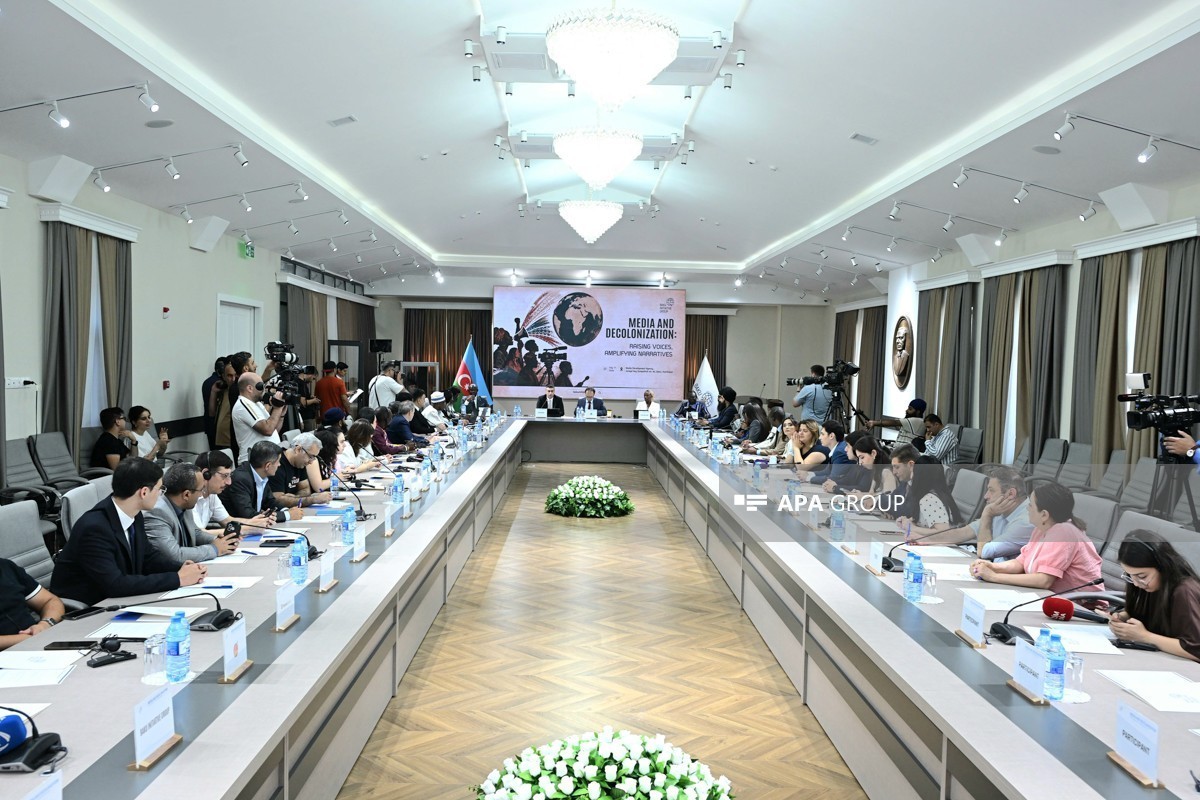
International conference on media and decolonization held in Baku - PHOTO
13:35
 11 July 2026
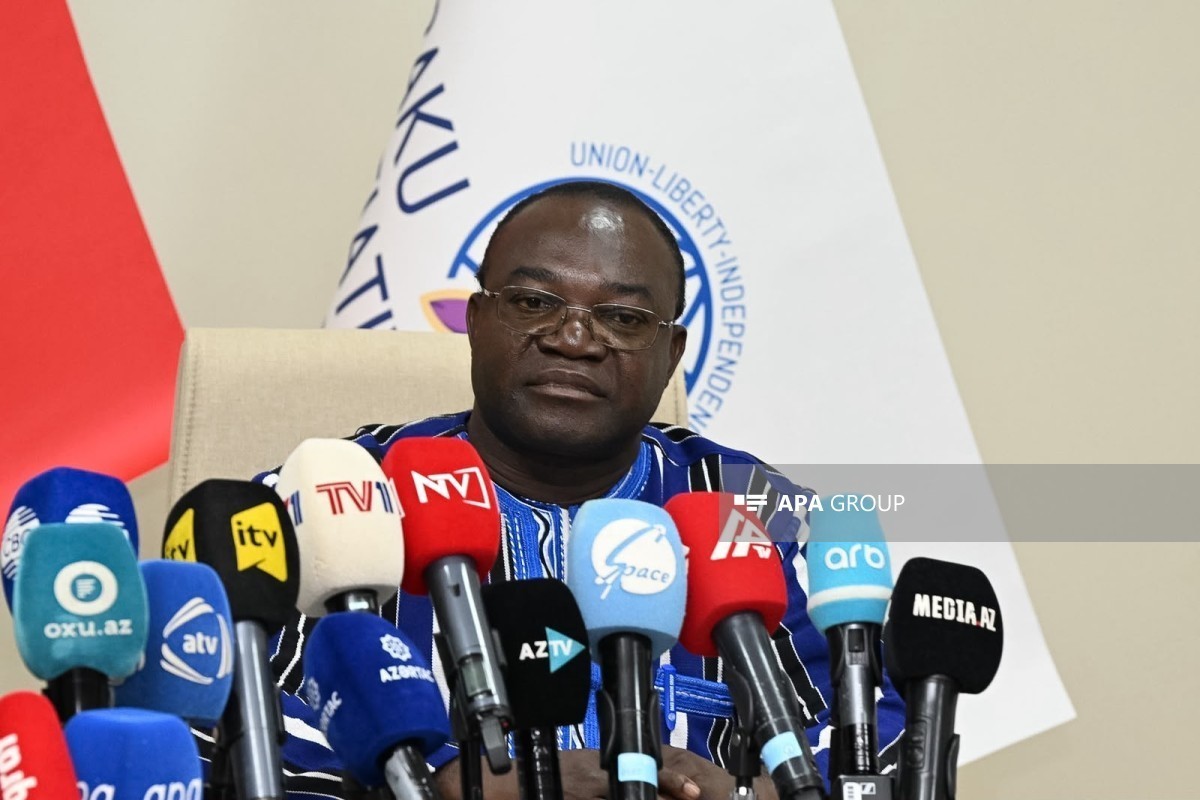
Burkina Faso official: Memorandum with BTG marks start of long-term cooperation
13:19
11 July 2026
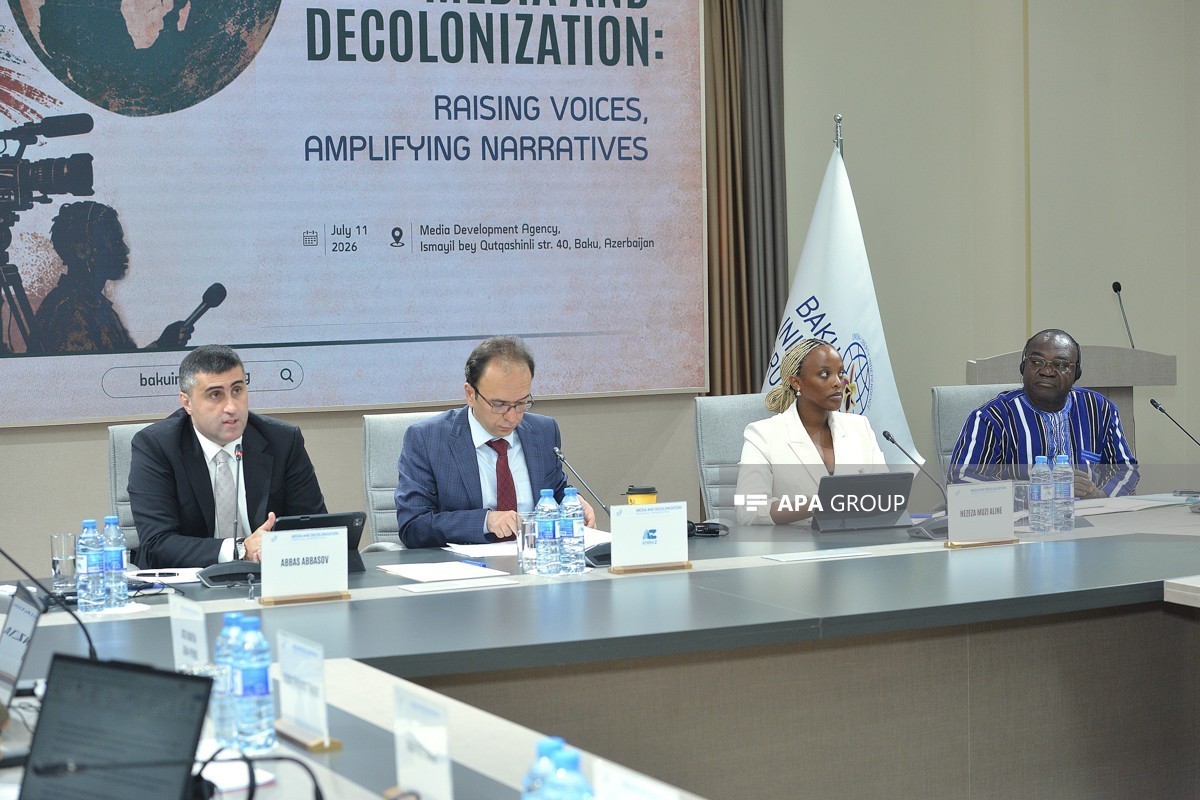
BTG signs first cooperation deal with foreign state institution
13:13
11 July 2026
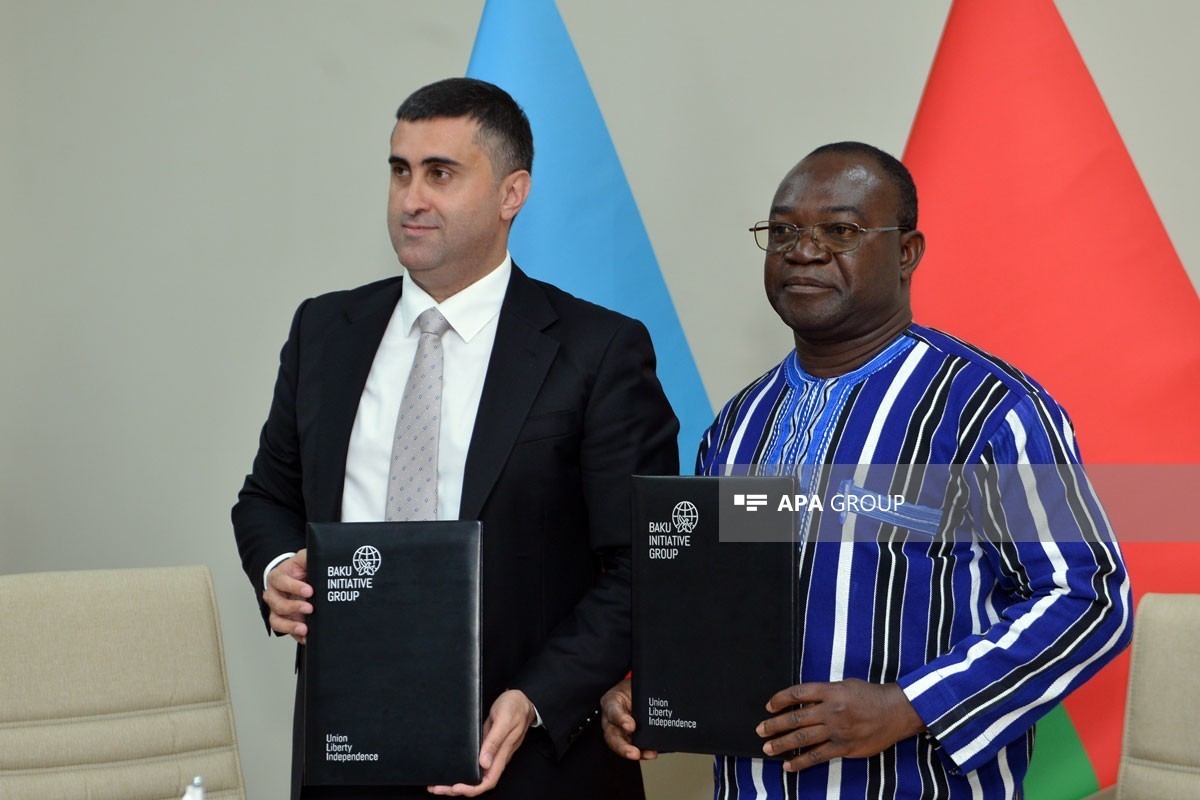 PHOTO'>
BTG signs memorandum with Burkina Faso Foreign Ministry's research institute - PHOTO
12:54
11 July 2026

NEWS FEED
President Ilham Aliyev extends condolences to Amir of Qatar
16:17
12 July 2026
Why did Israel stop its initiative to recognize the Armenian genocide?
12:54
12 July 2026
IRGC: Second ship violating rules in the Strait of Hormuz hit
11:45
12 July 2026
Iran launches missile and drone attacks on Gulf countries in response to US attack-UPDATED
11:08
12 July 2026
CENTCOM: Third airstrike of the week against Iran completes, 140 military targets hit-UPDATED
08:19
12 July 2026
Bus overturn in Azerbaijan leaves more than 30 injured-PHOTO-UPDATED
07:40
12 July 2026
Toronto active shooter incident leaves 5 people injured, 2 dead, police say
07:36
12 July 2026
Report: Ukraine's air defences struggling to intercept Russia's latest attacks
06:25
12 July 2026
Iran declares Strait of Hormuz closed after firing warning shot at vessel
03:23
Audio
12 July 2026
Cuba's President calls US threat due to the island's energy collapse
02:48
12 July 2026
Guardian: Europe may agree to pay Hormuz toll
02:14
12 July 2026
US military officials discuss plan in Beirut to deploy the Lebanese army to “pilot zones”
02:00
12 July 2026
Oman proposes new Hormuz traffic plan as Trump sets deadline for Iran deal
01:50
12 July 2026
Death toll from Venezuela earthquake rises to 4,333
01:24
12 July 2026
No US officials attending consultations on Iran in Oman
00:14
12 July 2026
Six years pass since Tovuz battles
00:00
12 July 2026
Araghchi discusses Strait of Hormuz, diplomatic efforts with Omani foreign minister
23:30
11 July 2026
Trump claims he 'aced' his latest cognitive test
22:35
11 July 2026
Noskova beats Muchova, takes Wimbledon title
22:17
11 July 2026
Israeli Air Force attacks Hezbollah stronghold in Al-Mansouri in southern Lebanon
21:16
11 July 2026
President Ilham Aliyev’s social media accounts shared post on his meeting with residents of Guzeykhirman and Guneykhirman villages of Khojavend
20:56
11 July 2026
Rubio: Trump and I want better future for Cuba
20:44
11 July 2026
President Ilham Aliyev visited Guzeykhirman village in Khojavend district-UPDATED
20:15
11 July 2026
President: Every time I visit Garabagh and East Zangezur and see this beautiful development, my heart rejoices
19:54
11 July 2026
President of Azerbaijan: Our state is strong, our Army is strong, our will is firm
19:52
11 July 2026
President Ilham Aliyev: For the past 5-6 years, our people have rightfully lived with a sense of pride
19:50
11 July 2026
President: Every time former displaced persons return to their ancestral lands, it is a celebration for all of us
19:48
11 July 2026
Russian strikes on Sumy kill 5, including child, injure 30 - UPDATED
19:34
11 July 2026
President Ilham Aliyev attended opening of Khankendi Hotel - PHOTO
18:02
11 July 2026
President Ilham Aliyev’s social media accounts shared video from Kichik Galaderesi village in Shusha
17:39
11 July 2026
Historic oil pumping station in Kurdamir may be added to cultural heritage list
16:37
11 July 2026
President Ilham Aliyev reviewed new buildings of “Yasaman” Hotel in Shusha
16:02
11 July 2026
President Ilham Aliyev reviewed progress under public-private partnership project on Garabagh Street in Shusha
15:32
11 July 2026
Iran's Supreme Leader pledges revenge for Ali Khamenei's death, says people worldwide will help
15:22
11 July 2026
Sadigjan House opened after restoration in Shusha
15:10
11 July 2026
Russia launched a missile strike on Odesa - two dead, one wounded
14:32
11 July 2026
Boat carrying tourists capsizes off Vietnam's Phu Quoc island, killing 15
14:29
11 July 2026
President Ilham Aliyev inspected restoration works in Shusha’s Kichik Galaderesi village and met with returning residents - PHOTO
14:06
11 July 2026
International conference on media and decolonization held in Baku - PHOTO
13:35
11 July 2026
Burkina Faso official: Memorandum with BTG marks start of long-term cooperation
13:19
11 July 2026
China evacuates over one million as Typhoon Bavi nears
13:16
11 July 2026
BTG signs first cooperation deal with foreign state institution
13:13
11 July 2026
Russian strikes on Kharkiv and Zaporizhzhia leave dead and injured
13:08
11 July 2026
BTG signs memorandum with Burkina Faso Foreign Ministry's research institute - PHOTO
12:54
11 July 2026
Qatari mediators visit Iran to ease tensions
12:51
11 July 2026
Romania says five sea drones neutralized in Black Sea
12:43
11 July 2026
Azerbaijani oil trades at $77.91
12:17
11 July 2026
Ukraine creates new command to intensify long-range strikes against Russia
12:09
11 July 2026
Abbas Abbasov: BTG has succeeded in placing decolonization on the agenda of international organizations
11:47
11 July 2026
Suspect in murder of Azerbaijani citizen detained at Batumi airport, Georgian Interior Ministry says - PHOTO - VIDEO
11:39
11 July 2026


