










By Alexander Jackson
Caucasus Update No. 82, November 11, 2010
Caucasian Review of International Affairs
http://cria-online.org/Caucasus_Update.html
Published in the framework of APA-CRIA partnership
There are just a few days to go until the NATO Summit in Lisbon. Amongst the many challenges facing the Alliance are the fallout from the war in Afghanistan; building a better relationship with a recalcitrant Russia; and agreeing a plan for a ballistic missile defense (BMD) system.
From Ankara’s perspective, NATO’s plan for a joint missile shield is by far the most contentious item on the agenda. Turkish fears that the shield will be directed against Iran (Turkey’s neighbor and one of its key economic partners) have laid bare much deeper questions over the country’s continuing commitment to NATO, and – more profoundly – whether its future lies east or west.
The BMD scheme represents the evolution of George W Bush’s plan to deploy interceptors and radar systems in Eastern Europe. Ostensibly designed to prevent an Iranian nuclear attack on Europe, the choice of Poland and the Czech Republic as basing sites suggested that Russia was the target, provoking a furious reaction in Moscow.
As part of his reset of relations with the Kremlin, President Barack Obama put a more multilateral face on the project by rebranding it as a NATO initiative based further south, in the Aegean and potentially on Turkish soil (Guardian, April 18). To an extent this was to mollify Moscow, but also to satisfy Ankara. Turkish officials have stated that they are not opposed to missile defense per se, but have insisted that it is defensive, does not target Iran, and is under NATO and not American auspices (Today’s Zaman, October 27).
Having got what it wanted, Turkey is now seeking a higher price for its involvement. In late October Israeli media reported that Ankara had conditioned its involvement in the BMD shield “on a guarantee that no information collected by the system be transferred to Israel†(Haaretz, October 26).
Given the dire state of Ankara-Tel Aviv relations, this is plausible. It would certainly help to dampen domestic opposition in Turkey, and would also go a little way (only a little) towards reassuring Tehran. But it does not get Prime Minister Recep Tayyip Erdogan out of his tight spot.
To consent to a missile defense shield based in Turkish territory would be a blow to Mr. Erdogan’s growing stature in the Muslim world and severely damage ties with Iran. To veto it would be a critical blow in Turkey’s relationship with NATO and the West.
Both views have been aired with undiplomatic candor. Senior Western officials have apparently told Ankara “that missile-defense is an acid test of its commitment to the collective security arrangements it has with its western allies†(Telegraph, October 29). Mr Erdogan, for his part, said to French President Nicolas Sarkozy: “My advice to those who want to locate the missile shield system to my own country: Let them locate it on your own territory first†(Today’s Zaman, November 3). In an attempt to allow Turkey to save face, NATO has begun avoiding any mention of Iran when discussing missile defense plans (New York Times, November 2). But no-one is under any illusions.
Ankara’s unwillingness to antagonize Tehran stems partly from their deepening economic relationship. Turkey’s booming economy needs new markets, and it needs gas. Iran has plenty. But the relationship goes much deeper than the pragmatism of pipelines; it also involves Turkey’s re-emerging desire to be a leading state in the Muslim world.
Turkey’s attitude towards its eastern neighbor is therefore a litmus test of its stance towards the wider Middle East. Turkish support for a missile shield would undermine its explicitly non-confrontational foreign policy, which Ankara maintains even though it agrees with its western allies that an Iranian nuclear capability is undesirable.
The difference is one of threat perception. NATO’s primary concern is the risk to the Alliance’s own territory. The defense shield is, after all, intended to protect European territory, not the wider Middle East.
Turkey, on the other hand, opposes an Iranian nuclear weapon for the same reasons it opposes Israel’s– they are regionally destabilising and threaten a new wave of nuclear-armed powers. But it does not see the threat of an Iranian nuclear strike against Istanbul as realistic enough to warrant a provocative missile shield on Turkish territory.
As if to demonstrate this point, on November 2 details of Turkey’s new national security white paper were leaked. The paper removes all Turkey’s neighbors –including Iran, Russia and Syria – from the list of potential threats, neatly fulfilling the government’s “zero problems with neighbors†mantra (Defense News, November 2). If Iran is not a threat, then Turkey has no reason to support measures targeted at it.
Given these factors, we are likely to see Turkish opposition to a missile defense shield in Lisbon. This is despite concessions which other NATO states are almost certain to make: avoiding overt discussion of Iran as the target; limiting information-sharing with Israel; and – critically – accepting that none or few of the shield’s components will be based on Turkish territory.
However the idea of a diplomatic ‘grand bargain’ proposed by some commentators, in which Turkey accedes in exchange for progress and US backing on its long EU accession process, is simplistic (Hurriyet, October 18). France and Germany would rather live without missile defense and deny Turkey’s EU aspirations. US bargaining power is limited in Brussels, which justifiably asks what right Washington has to declare who should join the EU (Economist, June 17).
Claims of Turkey ‘turning East’ or being forced to choose are somewhat overblown (Caucasus Update, November 2 2009). Nonetheless there are occasions when binary choices occur. One way will anger NATO, another will anger Iran. This is clearly one of them. And for all Ankara’s misgivings about Iran’s nuclear aspirations, this time it is likely to risk alienating its allies, rather than its neighbors.
Turkey in a Tight Spot on Missile Defense - ANALYSIS

 12 November 2010 08:24 (UTC +04:00)


 İDMAN XƏBƏR
 Follow us on Telegram
 t.me/apanewsaz
 Follow us on Instagram
 Follow us on TikTok
 Follow us on Facebook
 Follow us on X
Foreign
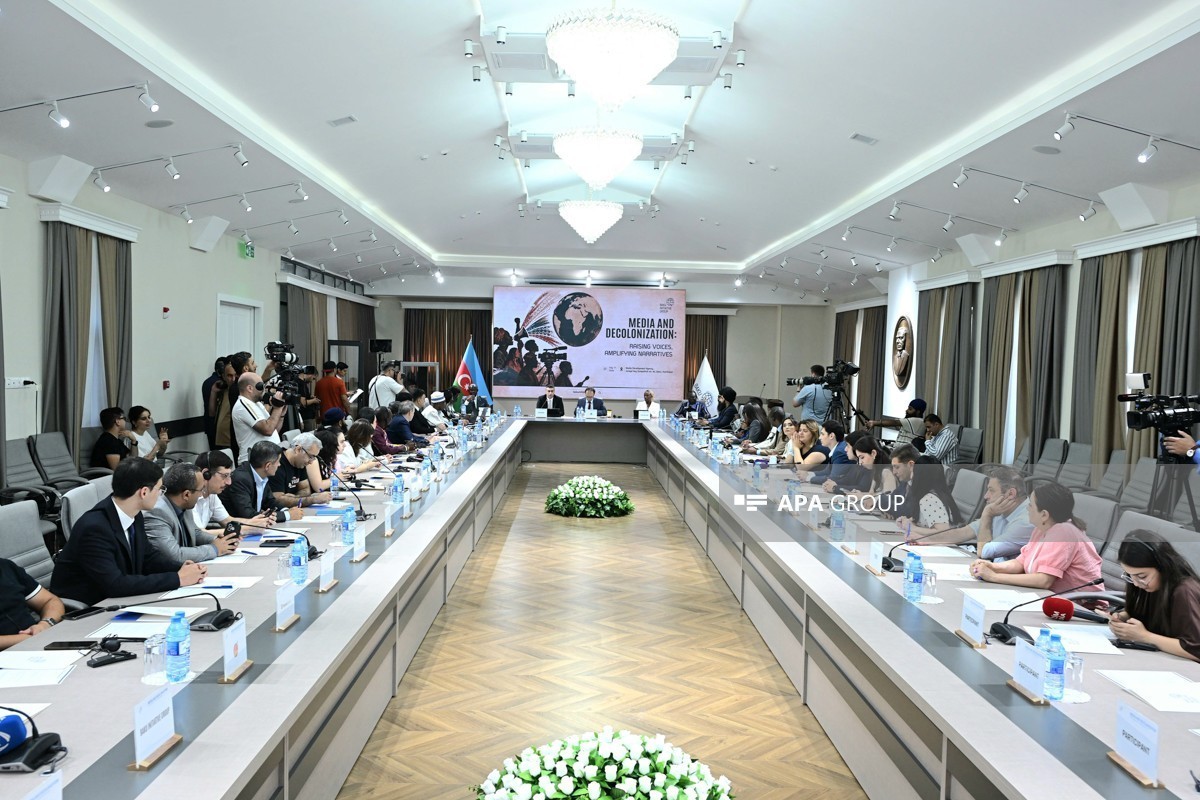
International conference on media and decolonization held in Baku - PHOTO
13:35
 11 July 2026
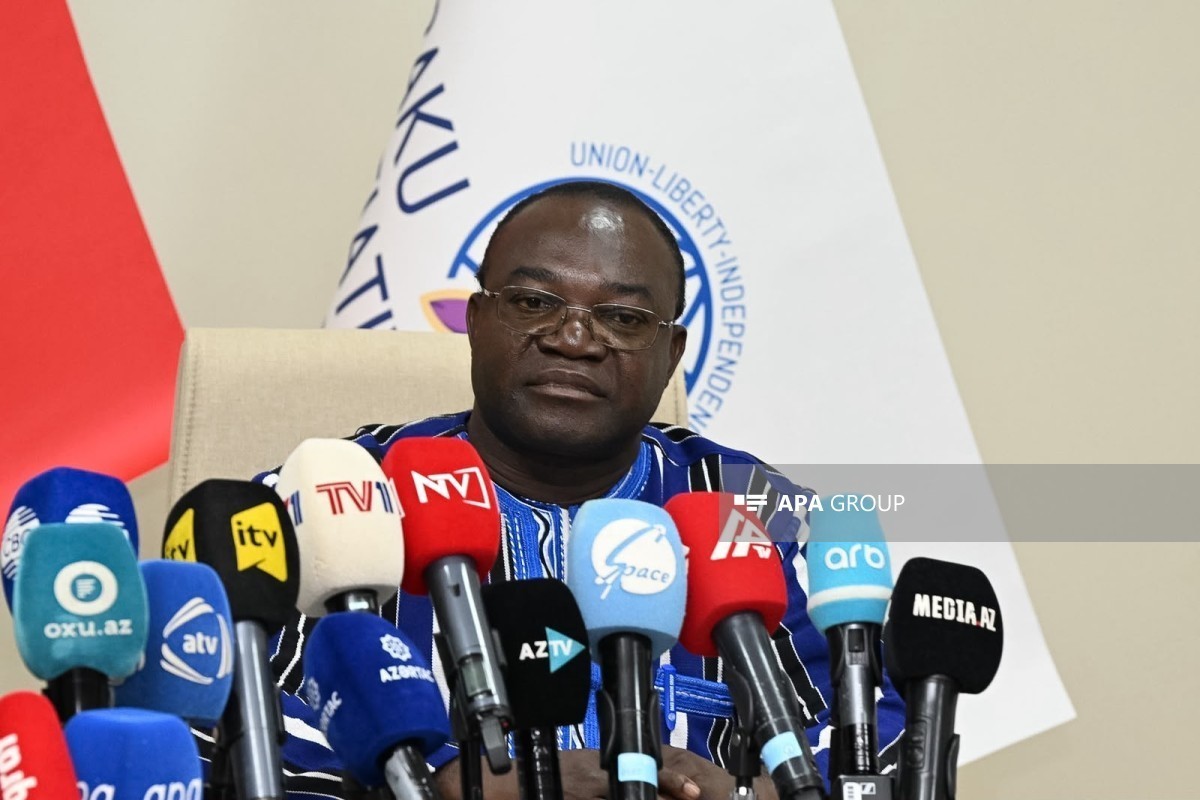
Burkina Faso official: Memorandum with BTG marks start of long-term cooperation
13:19
11 July 2026
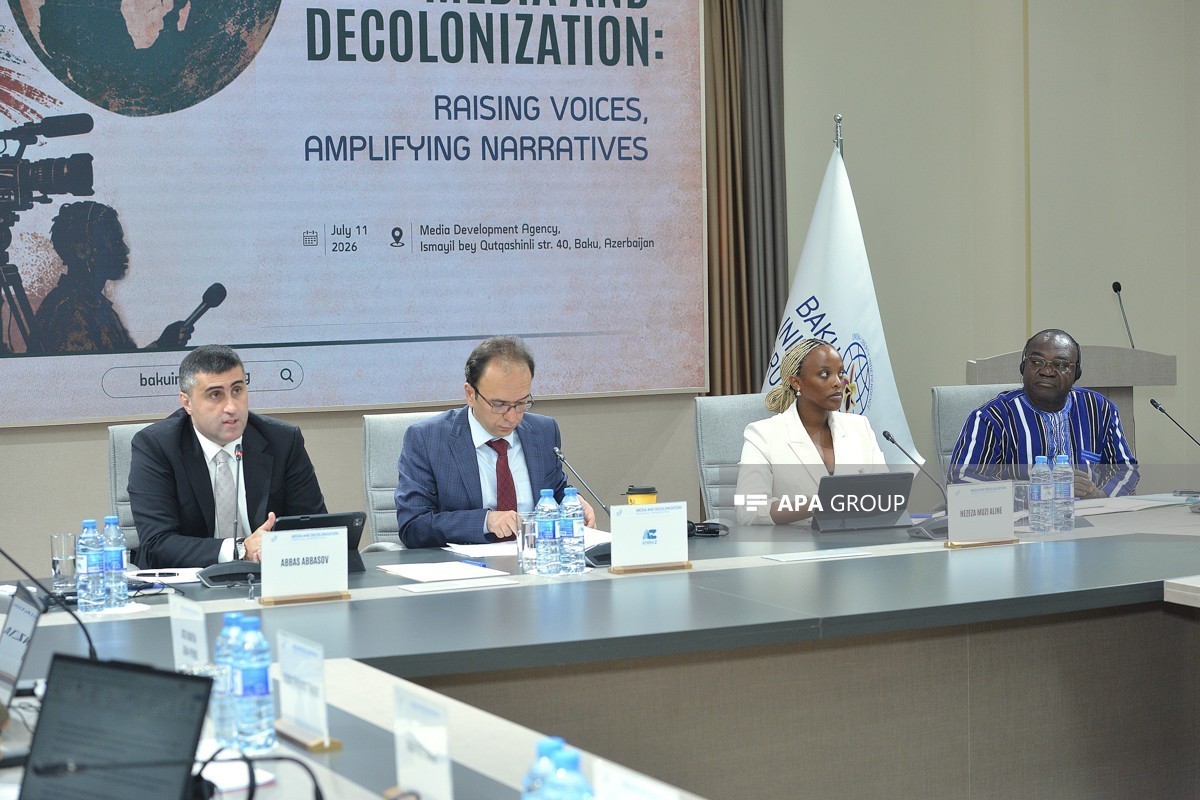
BTG signs first cooperation deal with foreign state institution
13:13
11 July 2026
 PHOTO'>
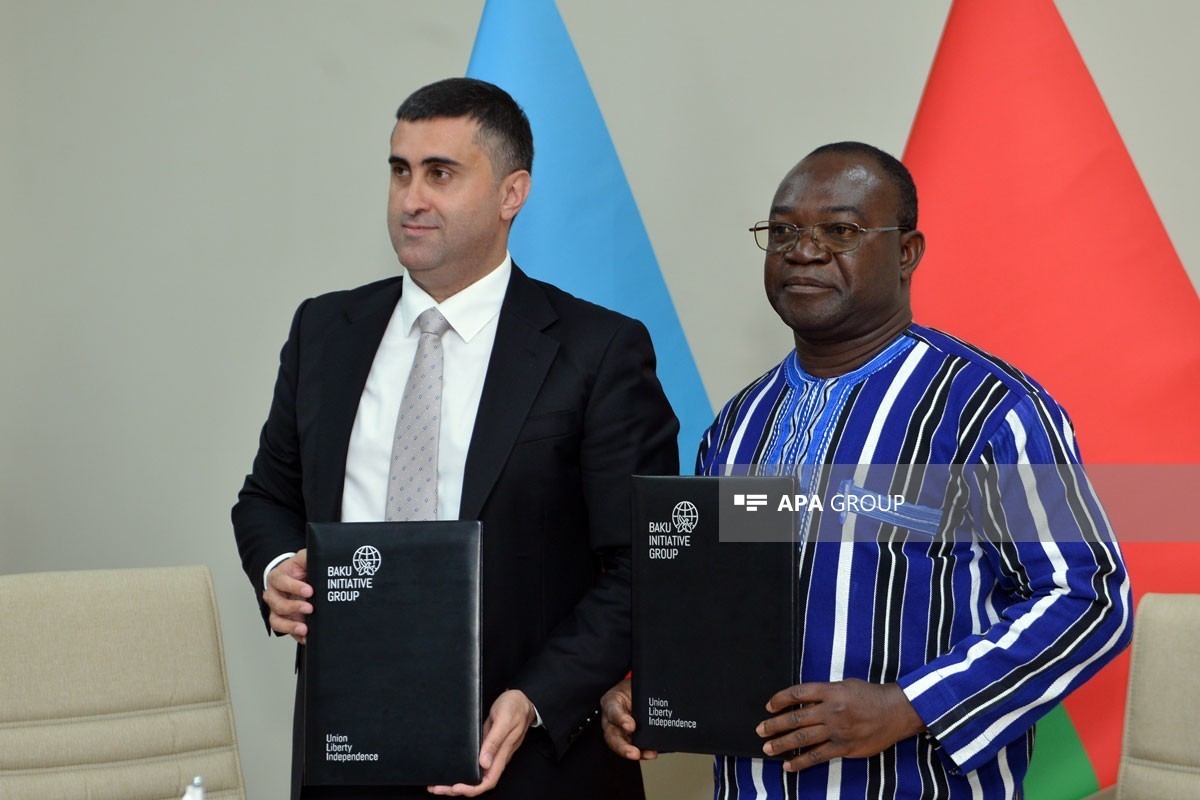
BTG signs memorandum with Burkina Faso Foreign Ministry's research institute - PHOTO
12:54
11 July 2026

NEWS FEED
Why did Israel stop its initiative to recognize the Armenian genocide?
12:54
12 July 2026
IRGC: Second ship violating rules in the Strait of Hormuz hit
11:45
12 July 2026
Iran launches missile and drone attacks on Gulf countries in response to US attack-UPDATED
11:08
12 July 2026
CENTCOM: Third airstrike of the week against Iran completes, 140 military targets hit-UPDATED
08:19
12 July 2026
Bus overturn in Azerbaijan leaves more than 30 injured-PHOTO-UPDATED
07:40
12 July 2026
Toronto active shooter incident leaves 5 people injured, 2 dead, police say
07:36
12 July 2026
Report: Ukraine's air defences struggling to intercept Russia's latest attacks
06:25
12 July 2026
Iran declares Strait of Hormuz closed after firing warning shot at vessel
03:23
Audio
12 July 2026
Cuba's President calls US threat due to the island's energy collapse
02:48
12 July 2026
Guardian: Europe may agree to pay Hormuz toll
02:14
12 July 2026
US military officials discuss plan in Beirut to deploy the Lebanese army to “pilot zones”
02:00
12 July 2026
Oman proposes new Hormuz traffic plan as Trump sets deadline for Iran deal
01:50
12 July 2026
Death toll from Venezuela earthquake rises to 4,333
01:24
12 July 2026
No US officials attending consultations on Iran in Oman
00:14
12 July 2026
Six years pass since Tovuz battles
00:00
12 July 2026
Araghchi discusses Strait of Hormuz, diplomatic efforts with Omani foreign minister
23:30
11 July 2026
Trump claims he 'aced' his latest cognitive test
22:35
11 July 2026
Noskova beats Muchova, takes Wimbledon title
22:17
11 July 2026
Israeli Air Force attacks Hezbollah stronghold in Al-Mansouri in southern Lebanon
21:16
11 July 2026
President Ilham Aliyev’s social media accounts shared post on his meeting with residents of Guzeykhirman and Guneykhirman villages of Khojavend
20:56
11 July 2026
Rubio: Trump and I want better future for Cuba
20:44
11 July 2026
President Ilham Aliyev visited Guzeykhirman village in Khojavend district-UPDATED
20:15
11 July 2026
President: Every time I visit Garabagh and East Zangezur and see this beautiful development, my heart rejoices
19:54
11 July 2026
President of Azerbaijan: Our state is strong, our Army is strong, our will is firm
19:52
11 July 2026
President Ilham Aliyev: For the past 5-6 years, our people have rightfully lived with a sense of pride
19:50
11 July 2026
President: Every time former displaced persons return to their ancestral lands, it is a celebration for all of us
19:48
11 July 2026
Russian strikes on Sumy kill 5, including child, injure 30 - UPDATED
19:34
11 July 2026
President Ilham Aliyev attended opening of Khankendi Hotel - PHOTO
18:02
11 July 2026
President Ilham Aliyev’s social media accounts shared video from Kichik Galaderesi village in Shusha
17:39
11 July 2026
Historic oil pumping station in Kurdamir may be added to cultural heritage list
16:37
11 July 2026
President Ilham Aliyev reviewed new buildings of “Yasaman” Hotel in Shusha
16:02
11 July 2026
President Ilham Aliyev reviewed progress under public-private partnership project on Garabagh Street in Shusha
15:32
11 July 2026
Iran's Supreme Leader pledges revenge for Ali Khamenei's death, says people worldwide will help
15:22
11 July 2026
Sadigjan House opened after restoration in Shusha
15:10
11 July 2026
Russia launched a missile strike on Odesa - two dead, one wounded
14:32
11 July 2026
Boat carrying tourists capsizes off Vietnam's Phu Quoc island, killing 15
14:29
11 July 2026
President Ilham Aliyev inspected restoration works in Shusha’s Kichik Galaderesi village and met with returning residents - PHOTO
14:06
11 July 2026
International conference on media and decolonization held in Baku - PHOTO
13:35
11 July 2026
Burkina Faso official: Memorandum with BTG marks start of long-term cooperation
13:19
11 July 2026
China evacuates over one million as Typhoon Bavi nears
13:16
11 July 2026
BTG signs first cooperation deal with foreign state institution
13:13
11 July 2026
Russian strikes on Kharkiv and Zaporizhzhia leave dead and injured
13:08
11 July 2026
BTG signs memorandum with Burkina Faso Foreign Ministry's research institute - PHOTO
12:54
11 July 2026
Qatari mediators visit Iran to ease tensions
12:51
11 July 2026
Romania says five sea drones neutralized in Black Sea
12:43
11 July 2026
Azerbaijani oil trades at $77.91
12:17
11 July 2026
Ukraine creates new command to intensify long-range strikes against Russia
12:09
11 July 2026
Abbas Abbasov: BTG has succeeded in placing decolonization on the agenda of international organizations
11:47
11 July 2026
Suspect in murder of Azerbaijani citizen detained at Batumi airport, Georgian Interior Ministry says - PHOTO - VIDEO
11:39
11 July 2026
CNN: Iran attempting to restore nuclear facilities
11:31
11 July 2026


