










Baku. Lachin Sultanova – APA. UK Ambassador to Azerbaijan Carolyn Browne gives interview to APA
- What results did the UK Minister for Europe David Lidington’s visit to Baku bring and is there any agreement about the new deals?
- David Lidington’s visit to Azerbaijan – the only country in the South Caucasus which he visited – had three aims. Firstly, to understand better UK / Azerbaijan areas of cooperation, why they are important, and what we can do to increase cooperation in these areas further. Secondly, to support Azerbaijan’s growing relationship with Europe – such as the recent launch of negotiations on a future EU Association Agreement which would open up new markets and greater people-to-people contacts. And thirdly to explore opportunities for UK businesses operating in the non-oil and gas sector. Mr Lidington was accompanied by a business delegation. They had a number of individual meetings with potential Azerbaijani clients, and I understand that there are several specific projects now under active discussion.
- How many British companies are working in Azerbaijan now and what spheres besides the oil sector they have invested in?
- The UK is by some way the largest foreign investor in Azerbaijan at 51%. Around 150 British businesses operate in Azerbaijan – from FTSE100 firms of international fame to small and medium size enterprises with specialist capabilities. Most of the latter work in, or support, BP’s supply chain. Priority sectors for UK Trade & Investment to develop further investment in and trade with Azerbaijan are oil and gas; financial services; construction, project management; design; education; and retail. There is growing interest from UK firms including those from the non-oil economic sectors in doing business in Azerbaijan. For example, we have another trade mission visiting later this month to promote vocational education. That will be the fourth trade mission so far this year – and there are more in the pipeline. Success by British companies in the non oil and gas sectors so far include involvement in the Port Baku project and the Absheron Marriott hotel; in the White City development; and in the new International Airport project. In addition, there has been the appearance in Baku of familiar UK high street names such as Mothercare, Debenhams, Accessorize and Austin Reed. We hope that more will follow.
- Is the humanitarian cooperation expected to be developed?
- No - your country is now in the “middle income country†bracket. You have the resources yourself to tackle the humanitarian challenges you face. My Government will continue to support your authorities’ efforts to decide how best to meet that challenge – for example, by offering specialist advice or by putting your authorities in touch with private sector expertise. But my Government’s humanitarian spending needs to be focused on much poorer countries.
- Did the student visa changes influence on the number of Azerbaijani students in UK?
- We don’t think so – but ask me again early next year, when we will have the full statistics for 2010 available. In 2009 the UK visa rules changed and the British Government introduced a “points-based system†(PBS) for student applicants. It is very important for applicants to read the relevant guidance we provide at http://www.ukba.homeoffice.gov.uk/visas. If applicants do not qualify for the points required on the basis of the information submitted we cannot issue a visa. In 2009, 350 visa applicants received PBS student visas to study in the UK. So far in 2010 we have issued visas to 295 PBS students. This is an increase on the same period last year. We have also issued 195 visas to those students following short courses in the UK.
- How many Azerbaijani students are studying in UK now and what universities they are studying?
- A growing number Azerbaijanis send their children to further their education in the UK and they can choose from over 100 world class universities. International and local organizations also sponsor their employees to further their studies through the wide range of courses offered by our universities and colleges. Furthermore, there is a growing number of young professionals choosing to further their education in the UK.
How many Azerbaijani students are in the UK right now? I’m afraid we can’t come up with an exact figure for you in the time available. But, as you can see from the number of visas we have issued, the answer is in the thousands.
- Will your embassy observe the parliamentary elections in Azerbaijan? Is the United Kingdom showing any technical assistance to these elections?
- We, together with others in the international community, are following the preparations for the elections on Sunday with interest. It was one of the subjects discussed by the UK Minister for Europe when he visited Baku earlier this month. And you will have seen that EU ambassadors in Baku recently issued a statement supporting the interim reports from the ODIHR/OSCE electoral monitoring mission. The UK has contributed two long-term observers and six short-term observers to the OSCE election monitoring mission. My Embassy has also contributed a further two short term observers to the ODIHR mission and we are organizing a further 12 volunteer observers from the international community here in Baku to help observe the electoral process on 7 November around the country, including in Naxchivan. I’m one of those 12 volunteer observers. Through the Embassy’s bilateral assistance programme we have also funded the training of 80 long-term and 400 short-term domestic (ie Azerbaijani) observers.
My Embassy has also provided support for a number of projects related to these elections, including on voter education about the election complaints system (that’s a project run by the ‘’Law and Development’’ Public Union) and training for short term domestic observers (that’s a project which was conducted for us by the Election Monitoring and Democracy Studies Centre). The latter project was designed by us to encourage the highest possible standards of impartial and accurate observation to be conducted during the electoral process. That was a point made to me by Central Election Commission Chairman Mr Panahov when I met him a few months ago. I share his emphasis on the need for observers to be professional, impartial, accurate and detailed. That’s exactly what we want to achieve through these projects. For example, my colleagues from this Embassy were in Naxchivan last week to see the final training sessions being held. I also accompanied Ambassador Bilge Cankorel, the head of the OSCE Office as part of his mission’s work organising information sessions for regional Executive Committee Chairmen entitled “illegal interference in the electoral process’’.
UK Ambassador to Azerbaijan: “The UK is by some way the largest foreign investor in Azerbaijan at 51%â€

 05 November 2010 14:26 (UTC +04:00)


 İDMAN XƏBƏR
 Follow us on Telegram
 t.me/apanewsaz
 Follow us on Instagram
 Follow us on TikTok
 Follow us on Facebook
 Follow us on X
Foreign
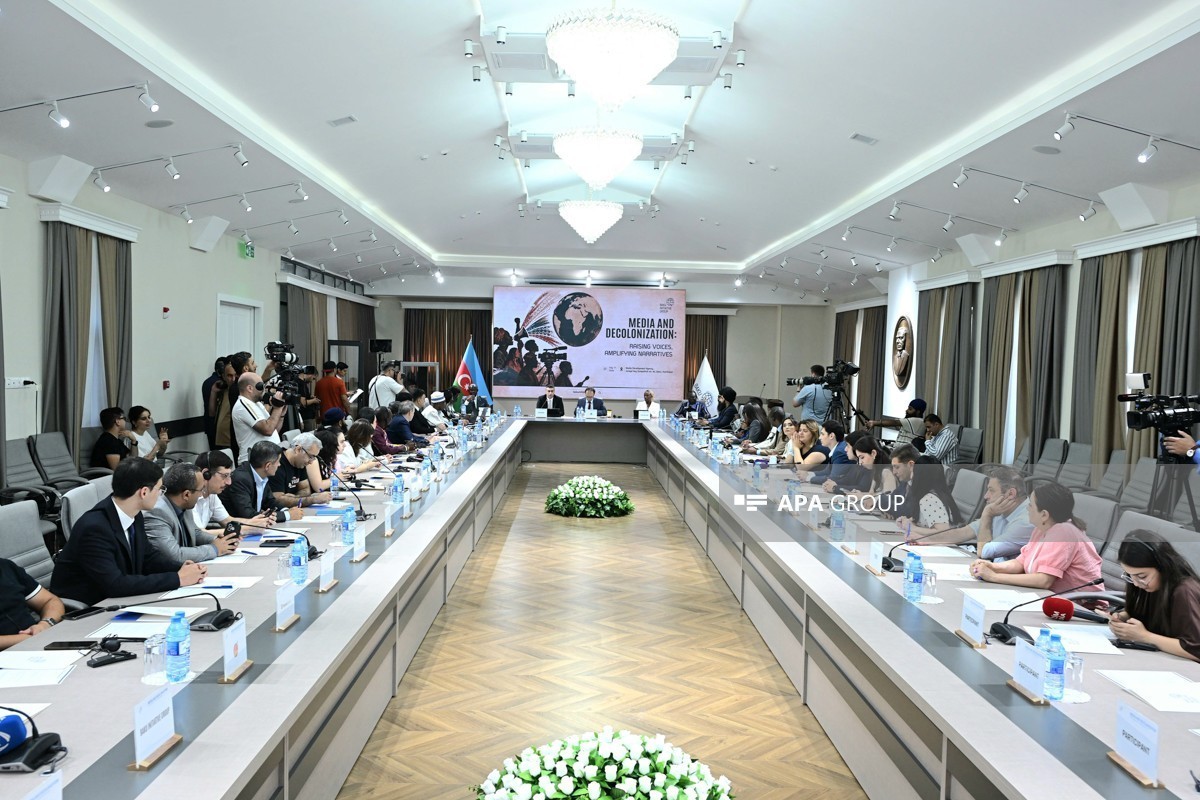
International conference on media and decolonization held in Baku - PHOTO
13:35
 11 July 2026
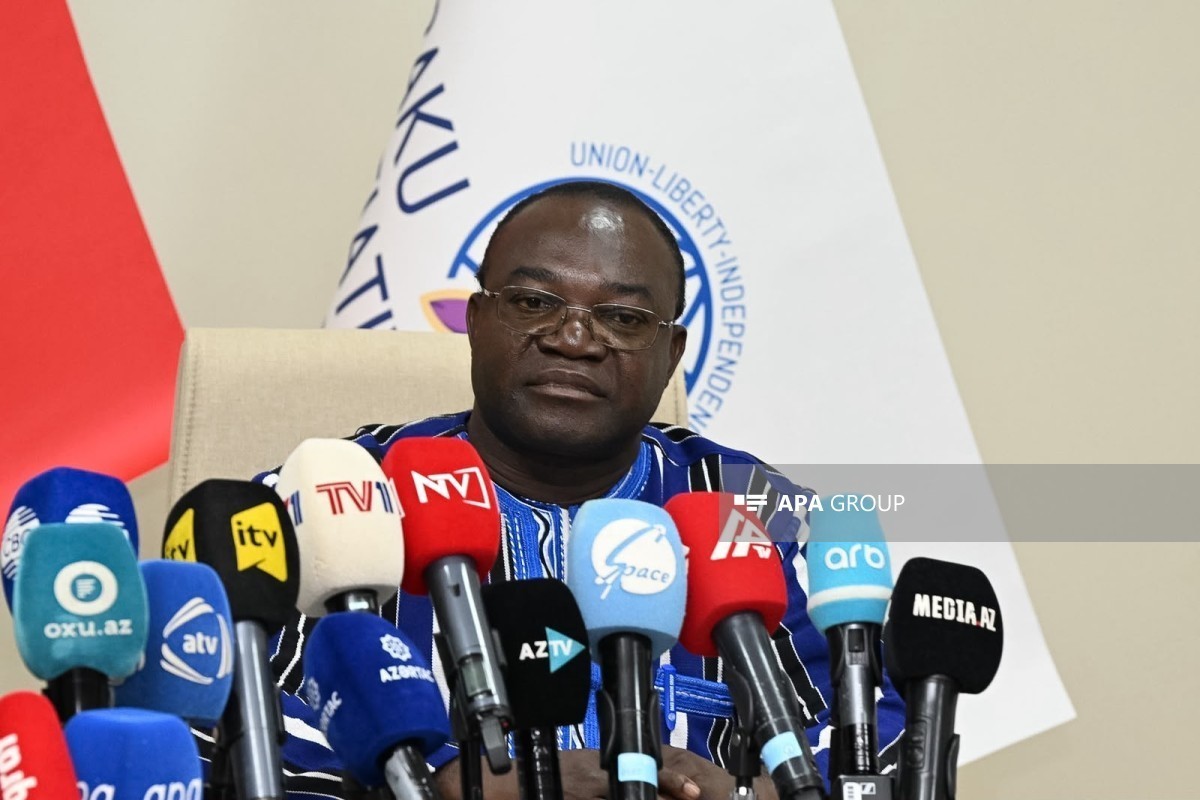
Burkina Faso official: Memorandum with BTG marks start of long-term cooperation
13:19
11 July 2026
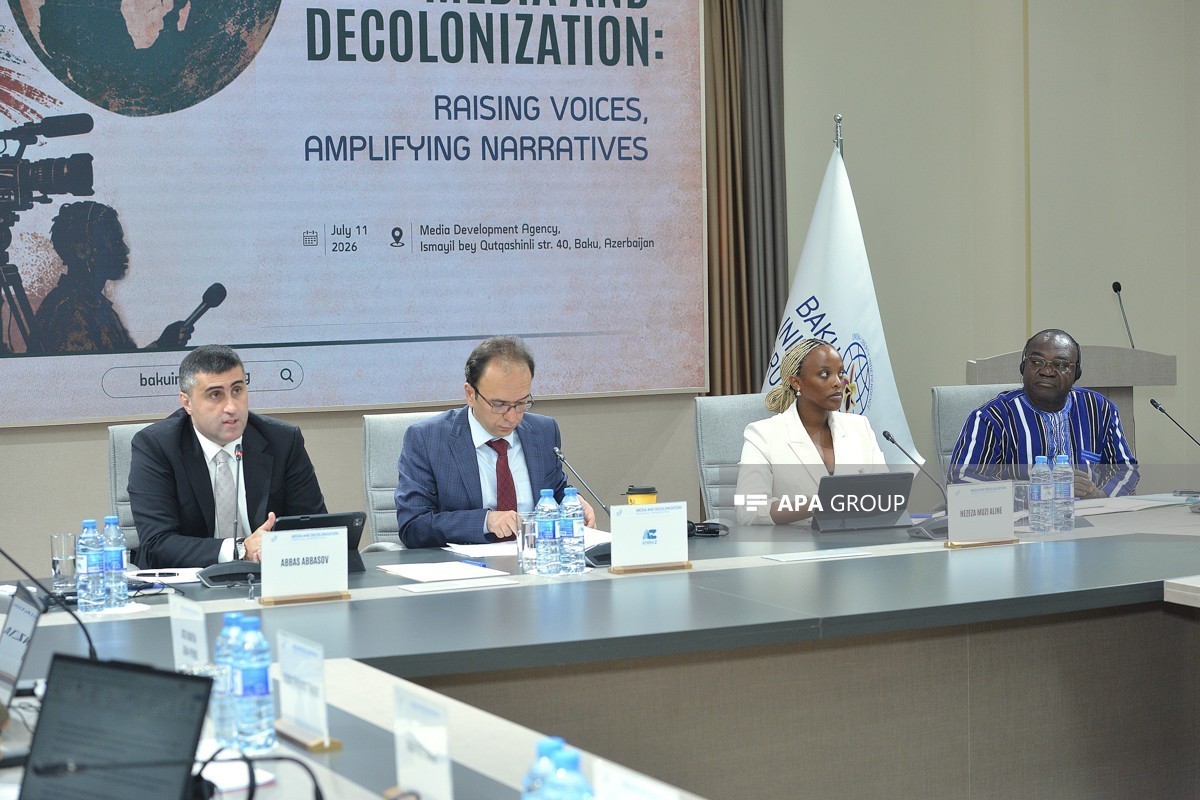
BTG signs first cooperation deal with foreign state institution
13:13
11 July 2026
 PHOTO'>
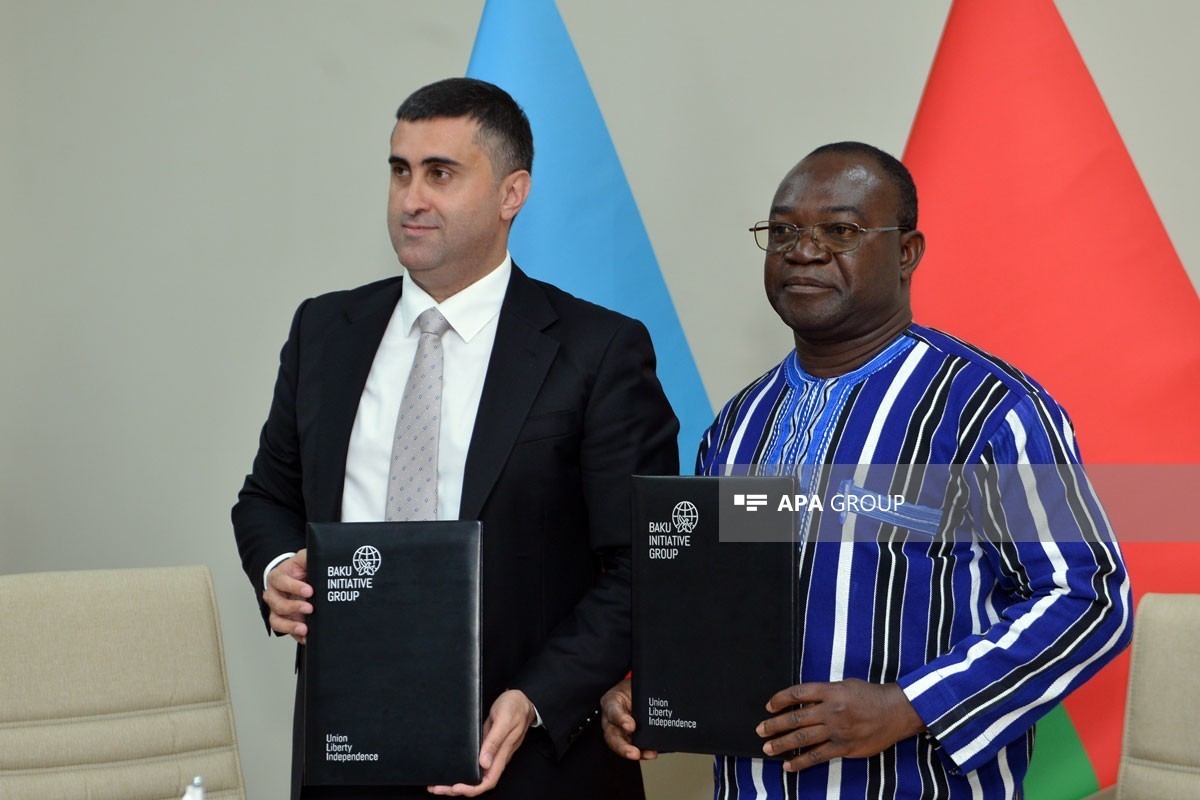
BTG signs memorandum with Burkina Faso Foreign Ministry's research institute - PHOTO
12:54
11 July 2026

NEWS FEED
Why did Israel stop its initiative to recognize the Armenian genocide?
12:54
12 July 2026
IRGC: Second ship violating rules in the Strait of Hormuz hit
11:45
12 July 2026
Iran launches missile and drone attacks on Gulf countries in response to US attack-UPDATED
11:08
12 July 2026
CENTCOM: Third airstrike of the week against Iran completes, 140 military targets hit-UPDATED
08:19
12 July 2026
Bus overturn in Azerbaijan leaves more than 30 injured-PHOTO-UPDATED
07:40
12 July 2026
Toronto active shooter incident leaves 5 people injured, 2 dead, police say
07:36
12 July 2026
Report: Ukraine's air defences struggling to intercept Russia's latest attacks
06:25
12 July 2026
Iran declares Strait of Hormuz closed after firing warning shot at vessel
03:23
Audio
12 July 2026
Cuba's President calls US threat due to the island's energy collapse
02:48
12 July 2026
Guardian: Europe may agree to pay Hormuz toll
02:14
12 July 2026
US military officials discuss plan in Beirut to deploy the Lebanese army to “pilot zones”
02:00
12 July 2026
Oman proposes new Hormuz traffic plan as Trump sets deadline for Iran deal
01:50
12 July 2026
Death toll from Venezuela earthquake rises to 4,333
01:24
12 July 2026
No US officials attending consultations on Iran in Oman
00:14
12 July 2026
Six years pass since Tovuz battles
00:00
12 July 2026
Araghchi discusses Strait of Hormuz, diplomatic efforts with Omani foreign minister
23:30
11 July 2026
Trump claims he 'aced' his latest cognitive test
22:35
11 July 2026
Noskova beats Muchova, takes Wimbledon title
22:17
11 July 2026
Israeli Air Force attacks Hezbollah stronghold in Al-Mansouri in southern Lebanon
21:16
11 July 2026
President Ilham Aliyev’s social media accounts shared post on his meeting with residents of Guzeykhirman and Guneykhirman villages of Khojavend
20:56
11 July 2026
Rubio: Trump and I want better future for Cuba
20:44
11 July 2026
President Ilham Aliyev visited Guzeykhirman village in Khojavend district-UPDATED
20:15
11 July 2026
President: Every time I visit Garabagh and East Zangezur and see this beautiful development, my heart rejoices
19:54
11 July 2026
President of Azerbaijan: Our state is strong, our Army is strong, our will is firm
19:52
11 July 2026
President Ilham Aliyev: For the past 5-6 years, our people have rightfully lived with a sense of pride
19:50
11 July 2026
President: Every time former displaced persons return to their ancestral lands, it is a celebration for all of us
19:48
11 July 2026
Russian strikes on Sumy kill 5, including child, injure 30 - UPDATED
19:34
11 July 2026
President Ilham Aliyev attended opening of Khankendi Hotel - PHOTO
18:02
11 July 2026
President Ilham Aliyev’s social media accounts shared video from Kichik Galaderesi village in Shusha
17:39
11 July 2026
Historic oil pumping station in Kurdamir may be added to cultural heritage list
16:37
11 July 2026
President Ilham Aliyev reviewed new buildings of “Yasaman” Hotel in Shusha
16:02
11 July 2026
President Ilham Aliyev reviewed progress under public-private partnership project on Garabagh Street in Shusha
15:32
11 July 2026
Iran's Supreme Leader pledges revenge for Ali Khamenei's death, says people worldwide will help
15:22
11 July 2026
Sadigjan House opened after restoration in Shusha
15:10
11 July 2026
Russia launched a missile strike on Odesa - two dead, one wounded
14:32
11 July 2026
Boat carrying tourists capsizes off Vietnam's Phu Quoc island, killing 15
14:29
11 July 2026
President Ilham Aliyev inspected restoration works in Shusha’s Kichik Galaderesi village and met with returning residents - PHOTO
14:06
11 July 2026
International conference on media and decolonization held in Baku - PHOTO
13:35
11 July 2026
Burkina Faso official: Memorandum with BTG marks start of long-term cooperation
13:19
11 July 2026
China evacuates over one million as Typhoon Bavi nears
13:16
11 July 2026
BTG signs first cooperation deal with foreign state institution
13:13
11 July 2026
Russian strikes on Kharkiv and Zaporizhzhia leave dead and injured
13:08
11 July 2026
BTG signs memorandum with Burkina Faso Foreign Ministry's research institute - PHOTO
12:54
11 July 2026
Qatari mediators visit Iran to ease tensions
12:51
11 July 2026
Romania says five sea drones neutralized in Black Sea
12:43
11 July 2026
Azerbaijani oil trades at $77.91
12:17
11 July 2026
Ukraine creates new command to intensify long-range strikes against Russia
12:09
11 July 2026
Abbas Abbasov: BTG has succeeded in placing decolonization on the agenda of international organizations
11:47
11 July 2026
Suspect in murder of Azerbaijani citizen detained at Batumi airport, Georgian Interior Ministry says - PHOTO - VIDEO
11:39
11 July 2026
CNN: Iran attempting to restore nuclear facilities
11:31
11 July 2026


