










Washington. Isabel Levine – APA. APA’s Washington DC correspondent’s interview with Scott Radnitz, Assistant Professor at the Jackson School of International Studies of University of Washington, who currently works on a project that includes a laboratory experiment on framing processes and historical narratives relating to the Nagorno-Karabakh War.
- How would you describe the security situation in the South Caucasus?
- Because the 2008 war (Russian-Georgia) was driven largely by the deterioration of the US-Russia relationship, especially on the issue of NATO enlargement, the security situation in the Caucasus is in general more stable since President Obama’s "reset" policy toward Russia has improved bilateral relations. Nonetheless there is always a risk of a renewal of low-scale violence while the "frozen" conflicts still remain unresolved.
- What it comes to Karabakh example, are the sides ready to reach an agreement? And what is needed to be done by the parties involved and world mediators?
- I would say resolving the conflict in a peaceful way in the near future is unlikely. There is obviously no overlap in the position as to the final status of Karabakh: Azerbaijan insists that it should remain part of Azerbaijan, while Armenia does not accept that position, insisting instead on a vote for independence. While this aspect of the negotiations remains unresolved--as it will most likely be for the foreseeable future - a resolution that encompasses more manageable issues, such as the return of refugees and IDPs and the withdrawal of Armenia from the seven regions of Azerbaijan that surround Karabakh, will be difficult to attain.
- Сan the Nagorno-Karabakh conflict be compared to other conflicts, such as Abkhazia, South Ossetia, the Israeli-Palestinian stand-off? In what ways are their road-maps similar?
- First, the ill-feeling generated during the conflict has a long-lasting impact on the possibilities for reconciliation between the warring sides. As memories of suffering are turned into narratives of victimization on both sides, people are unwilling to make even small concessions. Second, as a result of popular sentiment, politicians find it difficult to make deals with their adversary. Instead, they benefit politically by fanning the flames of resentment at home. Unfortunately, this has the effect of limiting their ability to make the concessions necessary for a long-term resolution of the conflict, as such moves would risk provoking a massive backlash from the populace. Resolution will take a combination of courageous leadership on both sides and a change in public opinion over time that involves a shift from a desire for retribution to a recognition of long-term interests. This is not an easy transition for any society, and Western mediators should reflect on the centuries of strife that Europe endured before elites internalized the importance of reconciliation and built institutions to manage conflict in peaceful ways.
- How important is the South Caucasus region for global affairs?
- The region is very important for surrounding countries--Russia, Turkey, and Iran for example. It is not terribly high in the agenda of Western Europe or the US, as it is overshadowed in strategic importance by China and the Middle East, among others. Nonetheless, both Europe and the US should continue to devote time and resources to the South Caucasus, by encouraging political reform and sustainable economic growth domestically, and facilitating cooperation between states in the region.
- But in what way can these countries become closer to the West, and for example, integrate into European–Atlantic structures?
- Strategic thinkers should seek ways to ensure that competition in the region is not zero-sum. South Caucasus states, rather than plan for a world in which Russia is an aggressor that needs to be balanced against, would be best served by getting their own houses in order, economically and politically. Since the Cold War has ended, NATO is no longer a bulwark against Russia. If Azerbaijan wants more engagement with the West, attracting western investment should be its goal. If successful, it could join the WTO or perhaps even one day be invited to join the European Union or its successor, which would provide far greater benefits to its society than joining a military alliance that has not yet figured out its own purpose.
American expert Scott Radnitz: As memories of suffering are turned into narratives of victimization on both sides, people are unwilling to make even small concessions

 03 November 2010 11:30 (UTC +04:00)


 İDMAN XƏBƏR
 Follow us on Telegram
 t.me/apanewsaz
 Follow us on Instagram
 Follow us on TikTok
 Follow us on Facebook
 Follow us on X
Foreign
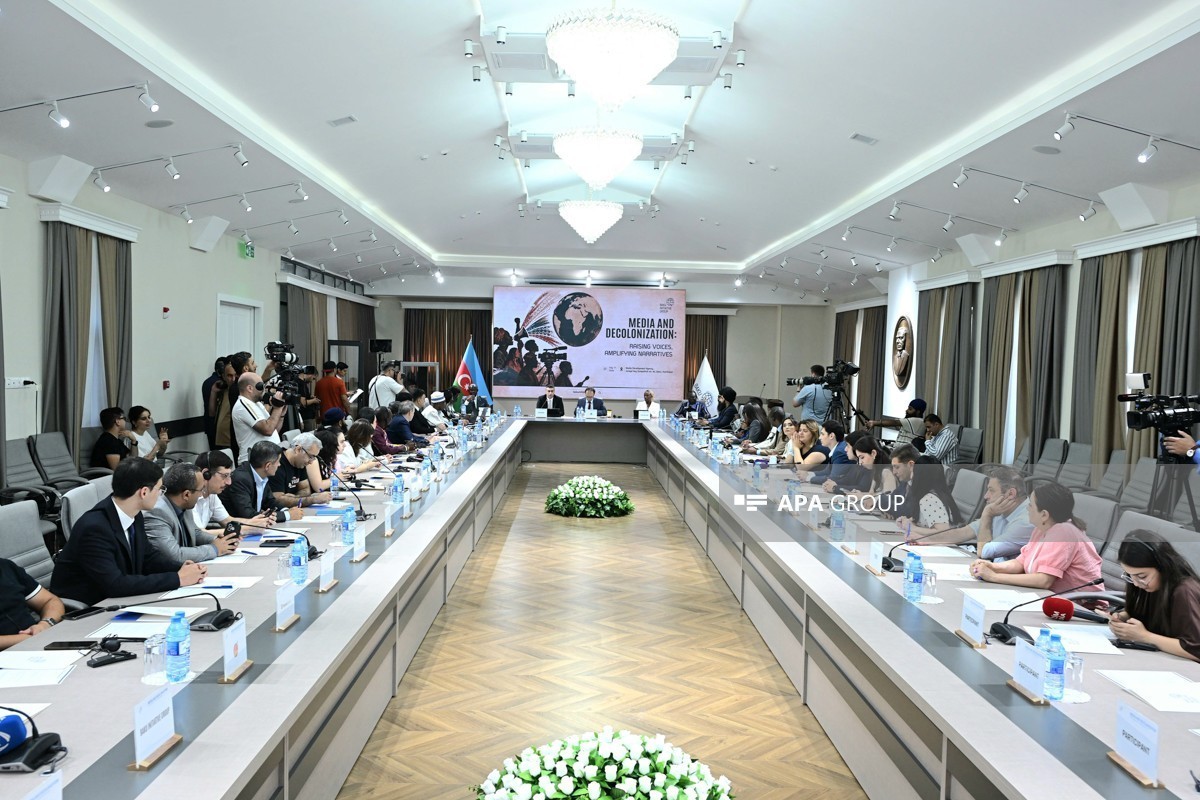
International conference on media and decolonization held in Baku - PHOTO
13:35
 11 July 2026
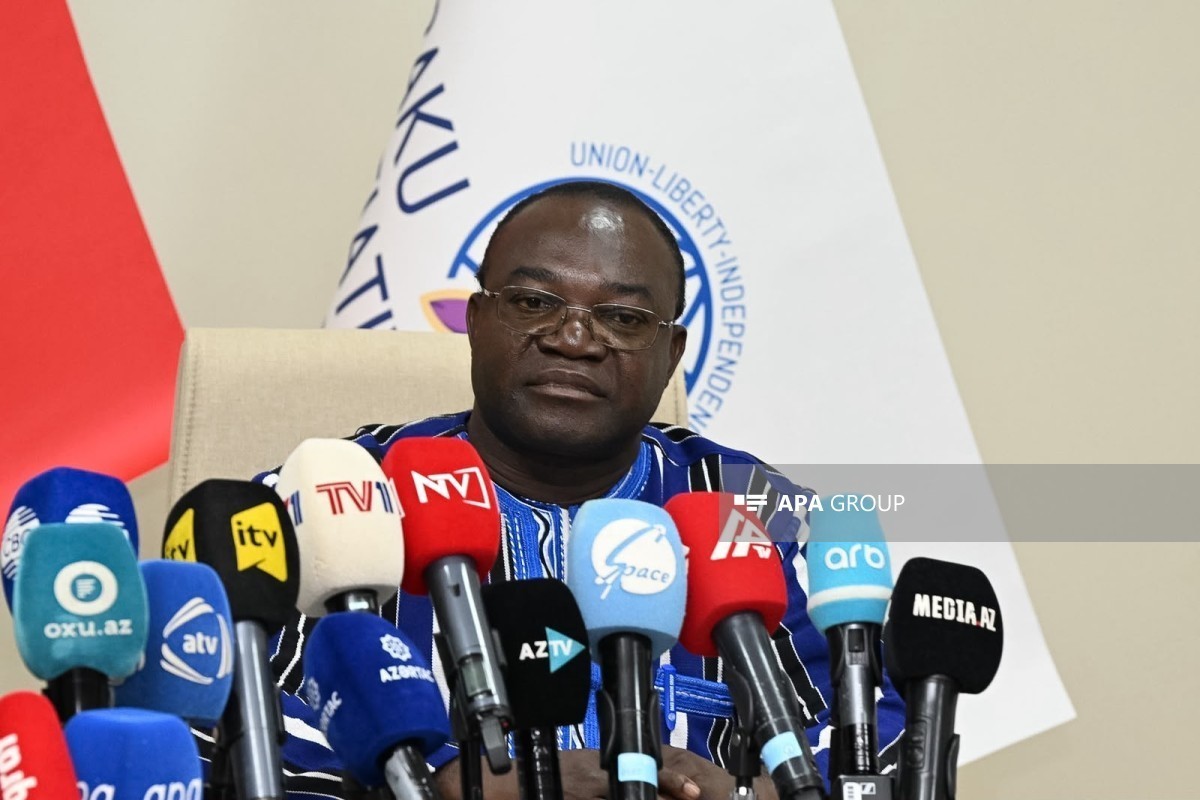
Burkina Faso official: Memorandum with BTG marks start of long-term cooperation
13:19
11 July 2026
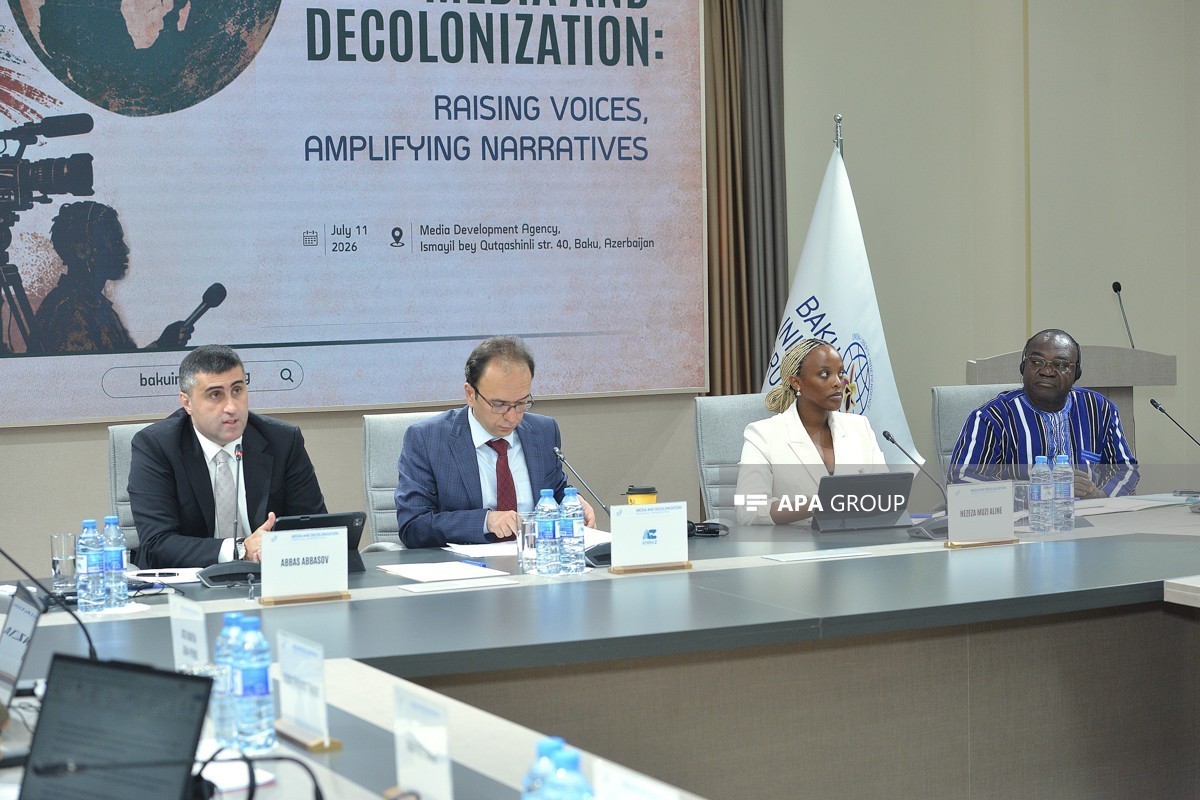
BTG signs first cooperation deal with foreign state institution
13:13
11 July 2026
 PHOTO'>
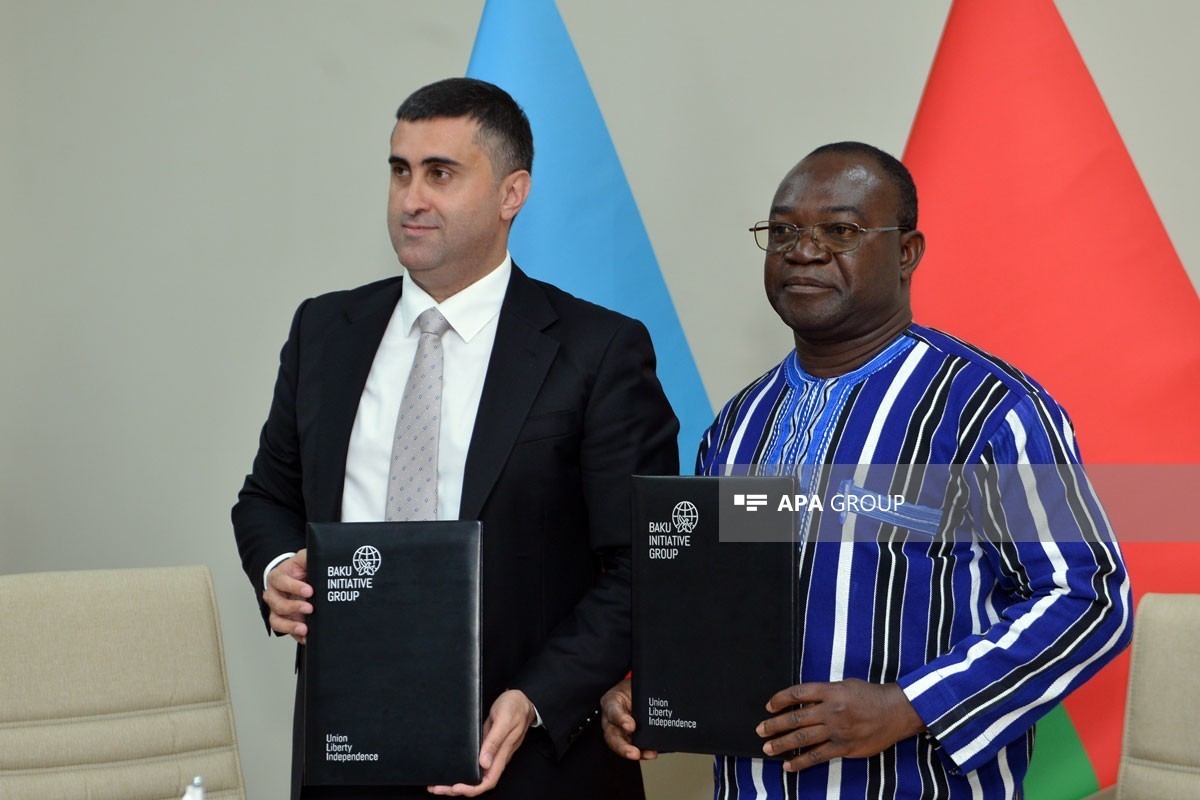
BTG signs memorandum with Burkina Faso Foreign Ministry's research institute - PHOTO
12:54
11 July 2026

NEWS FEED
Why did Israel stop its initiative to recognize the Armenian genocide?
12:54
12 July 2026
IRGC: Second ship violating rules in the Strait of Hormuz hit
11:45
12 July 2026
Iran launches missile and drone attacks on Gulf countries in response to US attack-UPDATED
11:08
12 July 2026
CENTCOM: Third airstrike of the week against Iran completes, 140 military targets hit-UPDATED
08:19
12 July 2026
Bus overturn in Azerbaijan leaves more than 30 injured-PHOTO-UPDATED
07:40
12 July 2026
Toronto active shooter incident leaves 5 people injured, 2 dead, police say
07:36
12 July 2026
Report: Ukraine's air defences struggling to intercept Russia's latest attacks
06:25
12 July 2026
Iran declares Strait of Hormuz closed after firing warning shot at vessel
03:23
Audio
12 July 2026
Cuba's President calls US threat due to the island's energy collapse
02:48
12 July 2026
Guardian: Europe may agree to pay Hormuz toll
02:14
12 July 2026
US military officials discuss plan in Beirut to deploy the Lebanese army to “pilot zones”
02:00
12 July 2026
Oman proposes new Hormuz traffic plan as Trump sets deadline for Iran deal
01:50
12 July 2026
Death toll from Venezuela earthquake rises to 4,333
01:24
12 July 2026
No US officials attending consultations on Iran in Oman
00:14
12 July 2026
Six years pass since Tovuz battles
00:00
12 July 2026
Araghchi discusses Strait of Hormuz, diplomatic efforts with Omani foreign minister
23:30
11 July 2026
Trump claims he 'aced' his latest cognitive test
22:35
11 July 2026
Noskova beats Muchova, takes Wimbledon title
22:17
11 July 2026
Israeli Air Force attacks Hezbollah stronghold in Al-Mansouri in southern Lebanon
21:16
11 July 2026
President Ilham Aliyev’s social media accounts shared post on his meeting with residents of Guzeykhirman and Guneykhirman villages of Khojavend
20:56
11 July 2026
Rubio: Trump and I want better future for Cuba
20:44
11 July 2026
President Ilham Aliyev visited Guzeykhirman village in Khojavend district-UPDATED
20:15
11 July 2026
President: Every time I visit Garabagh and East Zangezur and see this beautiful development, my heart rejoices
19:54
11 July 2026
President of Azerbaijan: Our state is strong, our Army is strong, our will is firm
19:52
11 July 2026
President Ilham Aliyev: For the past 5-6 years, our people have rightfully lived with a sense of pride
19:50
11 July 2026
President: Every time former displaced persons return to their ancestral lands, it is a celebration for all of us
19:48
11 July 2026
Russian strikes on Sumy kill 5, including child, injure 30 - UPDATED
19:34
11 July 2026
President Ilham Aliyev attended opening of Khankendi Hotel - PHOTO
18:02
11 July 2026
President Ilham Aliyev’s social media accounts shared video from Kichik Galaderesi village in Shusha
17:39
11 July 2026
Historic oil pumping station in Kurdamir may be added to cultural heritage list
16:37
11 July 2026
President Ilham Aliyev reviewed new buildings of “Yasaman” Hotel in Shusha
16:02
11 July 2026
President Ilham Aliyev reviewed progress under public-private partnership project on Garabagh Street in Shusha
15:32
11 July 2026
Iran's Supreme Leader pledges revenge for Ali Khamenei's death, says people worldwide will help
15:22
11 July 2026
Sadigjan House opened after restoration in Shusha
15:10
11 July 2026
Russia launched a missile strike on Odesa - two dead, one wounded
14:32
11 July 2026
Boat carrying tourists capsizes off Vietnam's Phu Quoc island, killing 15
14:29
11 July 2026
President Ilham Aliyev inspected restoration works in Shusha’s Kichik Galaderesi village and met with returning residents - PHOTO
14:06
11 July 2026
International conference on media and decolonization held in Baku - PHOTO
13:35
11 July 2026
Burkina Faso official: Memorandum with BTG marks start of long-term cooperation
13:19
11 July 2026
China evacuates over one million as Typhoon Bavi nears
13:16
11 July 2026
BTG signs first cooperation deal with foreign state institution
13:13
11 July 2026
Russian strikes on Kharkiv and Zaporizhzhia leave dead and injured
13:08
11 July 2026
BTG signs memorandum with Burkina Faso Foreign Ministry's research institute - PHOTO
12:54
11 July 2026
Qatari mediators visit Iran to ease tensions
12:51
11 July 2026
Romania says five sea drones neutralized in Black Sea
12:43
11 July 2026
Azerbaijani oil trades at $77.91
12:17
11 July 2026
Ukraine creates new command to intensify long-range strikes against Russia
12:09
11 July 2026
Abbas Abbasov: BTG has succeeded in placing decolonization on the agenda of international organizations
11:47
11 July 2026
Suspect in murder of Azerbaijani citizen detained at Batumi airport, Georgian Interior Ministry says - PHOTO - VIDEO
11:39
11 July 2026
CNN: Iran attempting to restore nuclear facilities
11:31
11 July 2026


