

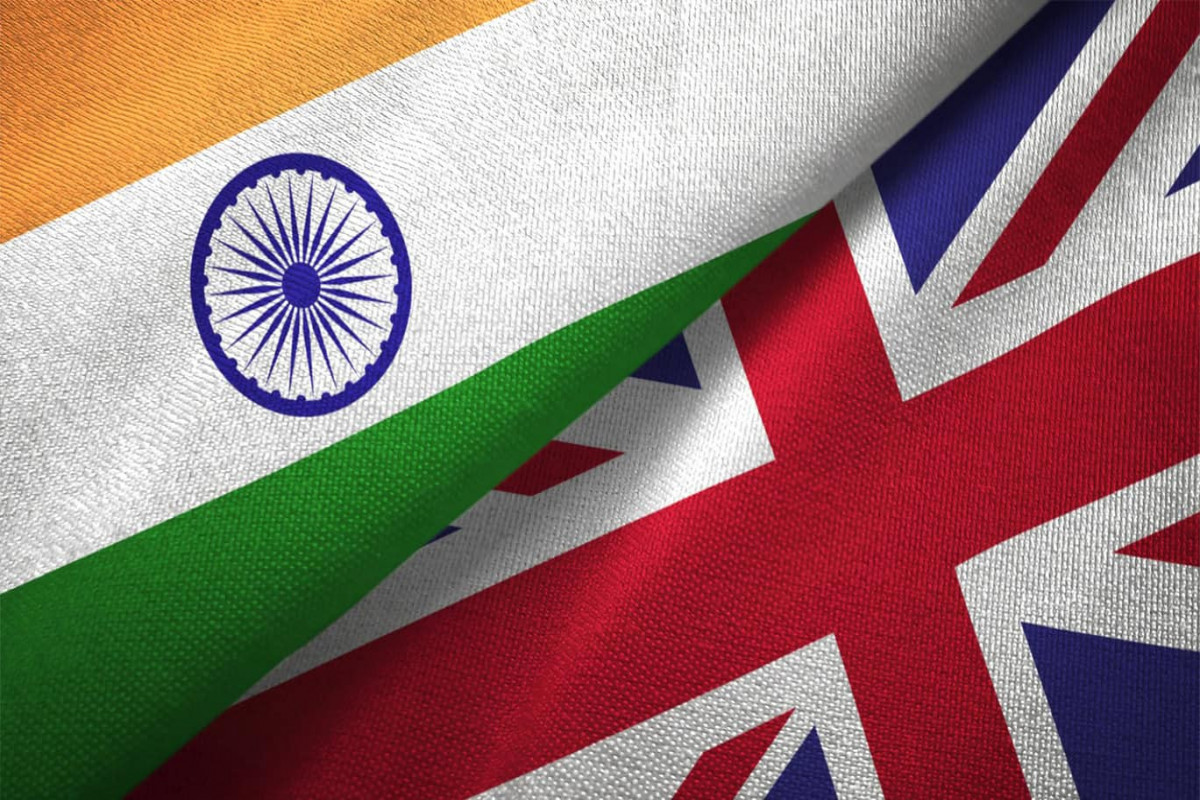


Indian Prime Minister Narendra Modi has signed a free trade deal with Prime Minister Sir Keir Starmer in a multi-billion pound export boost, APA reports citing BBC.
UK cars and whisky will be cheaper to export to India and Indian textiles and jewellery cheaper to export to the UK under the agreement.
The deal took three years to reach and also commits to a new India-UK plan to tackle illegal migration.
Opponents had warned the deal could undercut British workers due to extended social security terms, but UK Business Secretary Jonathan Reynolds said this was "completely wrong" and Indian workers on temporary secondment to the UK would get the same deal already offered to many other countries.
Speaking at the signing at the UK prime minister's country residence Chequers, Sir Keir said the UK-India agreement was "the biggest and most economically significant" trade deal Britain has made since Brexit.
"This deal is now signed, sealed, delivered," he said.
"The UK has been negotiating a deal like this for many years, but it is this government that got it done, and with it, we're sending a very powerful message that Britain is open for business, and that is already generating huge confidence."
The deal will create more than 2,200 British jobs across the country, said Sir Keir, as Indian firms expand their operations in the UK and British companies secure new business opportunities in India.
Sir Keir also said a trade deal was "not the extent or the limit of our collaboration with India" a country with which the UK has "unique bonds of history, of family and of culture, and we want to strengthen our relationship further".
Modi hailed what he called "a blueprint for our shared prosperity".
"On the one hand, Indian textiles, footwear, gems and jewellery, seafood, engineering goods will get better market access in the UK...
"On the other hand, people and industries in India will be able to access products made in the UK, such as medical devices and aerospace parts, at affordable and attractive prices."
The UK government says the deal - announced in May after years of negotiations - will boost the British economy by £4.8bn a year.
The agreement was okayed by the Indian cabinet earlier this week but has not yet been agreed by the UK parliament and is expected to take at least a year to come into effect.
The agreement includes lower tariffs on:
clothing and shoes
cars
food, including frozen prawns
jewellery and gems
The government also emphasised the benefit to economic growth and job creation from UK firms expanding exports to India.
UK exports that will see levies fall include:
gin and whisky
aerospace, electricals and medical devices
cosmetics
lamb, salmon, chocolates and biscuits
luxury cars
The UK already imports £11bn in goods from India but the lower tariffs agreed will make Indian exports cheaper, including for components used in advanced manufacturing.
Indian manufacturers are also expected to gain access to the UK market for electric and hybrid vehicles.
Average tariffs for UK exports to India will drop from 15% to 3%, making it easier for British companies to sell goods in India.
Whisky tariffs for exports to India have been slashed in half, from 150% to 75%, giving the UK an immediate advantage over international competitors in reaching the Indian market, and the tariff will drop to 40% by 2035.


 Follow us on Telegram
 t.me/apanewsaz
 Follow us on Instagram
 Follow us on TikTok
 Follow us on Facebook
 Follow us on X