










Baku – APA. The pay packages of public sector chief executives are unjustifiable, irresponsible and must be reined in, according to one of Britain’s top police officers, APA reports quoting “Times Onlineâ€. Writing in The Times today, Sir Norman Bettison, the Chief Constable of West Yorkshire, said that his £213,000 salary and pension package was too large.
Sir Norman, who waived his performance-related bonus last year, said that it was symptomatic of the misguided strategy of offering enormous remuneration packages to tempt private sector talent into the NHS, police force, local government and Civil Service.
He said that public sector leaders who followed their vocation were doing jobs they would have done happily for a lot less pay. Rather than focusing on long-term visions for services, the culture encouraged short-term fixes from managers “who get a remuneration package never dreamed of for their few short years in postâ€.
Sir Norman’s comments come as a report shows that the average salary of the most senior NHS managers has more than doubled over the past decade, boosted by annual pay rises that exceed recommendations.
A review of boardroom pay, published today, found that chief executives of foundation trusts — the top band of NHS trusts — earned £157,500 in the year to March 2009 and had a 7.8 per cent salary rise. The report, from Incomes Data Services (IDS), showed that the average pay rise for chief executives across the health service was 6.9 per cent — the equivalent to an annual salary rise of almost £10,000. It followed a 6.4 per cent rise in 2007-08.
The findings, based on data from more than 380 NHS trusts in England, including primary care, mental health and ambulance trusts, prompted an angry reaction from union leaders over the “upstairs-downstairs†approach to pay in the NHS.
Concerns were also raised at the rewards given to foundation trusts chief executives — paid on average £10,000 more than other NHS chief executives.
Foundation trust status is a supposed marker of excellence, with greater financial freedoms. However, of the 22 NHS trusts given warnings this month over standards of care, 12 were foundation trusts.
David Cameron announced last week that public sector chiefs could expect to have their salaries cut under a Conservative government. He said it would ensure that no senior manager in the public sector could earn 20 times more than others in their organisation.
The IDS report found that the highest-paid chief executive was at Guy’s and St Thomas’ in London, with mid-point earnings of £270,000. At Heart of England NHS Foundation Trust, the chief executive received £237,500 while at Cambridge University Hospitals NHS Foundation Trust, the chief executive was paid £217,500.
In 2008-09 senior managers in NHS trusts linked to a national pay agreement received a 2.2 per cent rise. Nurses got 2.75 per cent in 2008-09 and 2.5 per cent in April this year.
Steve Tatton, editor of the IDS NHS Boardroom Pay Report 2010, said: “It seems that the equation has fallen on the side of high salary awards with pay continuing to run ahead of the rest of the workforce.â€
Sharon Holder, GMB national officer, said it was a “disgrace†to have an “upstairs-downstairs model, with top echelons on the gravy train and low-paid workers whose job it is to stop the spread of viruses not getting pay they are entitled to without going on strikeâ€.
A spokeswoman for the Department of Health said: “NHS and foundation trusts are independent organisations and set their senior pay in the light of the recommendations of their independent remuneration committees — there are no central targets.â€
I’m paid too much, says police chief, and so are lots of other public service bosses

 12 April 2010 23:16 (UTC +04:00)


 İDMAN XƏBƏR
 Follow us on Telegram
 t.me/apanewsaz
 Follow us on Instagram
 Follow us on TikTok
 Follow us on Facebook
 Follow us on X
Europe
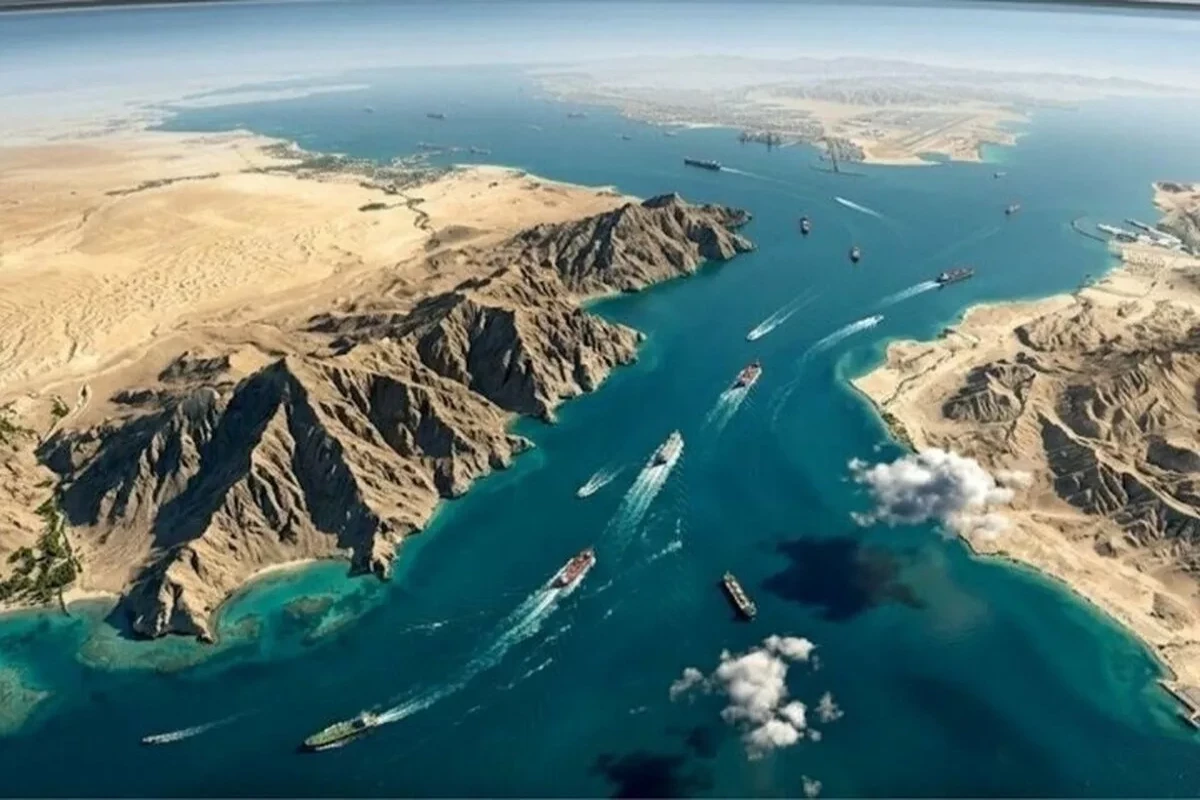
US, Gulf countries reject possibility of tariffs in Strait of Hormuz
22:38
 25 June 2026
Zelenskyy approves 40-day influence operation to pressure Russia into ending war
21:41
25 June 2026

French navy has intercepted another Russian 'shadow fleet' tanker, Macron says
14:51
25 June 2026
Zelenskyy says Ukrainian forces struck targets up to 1,500 km inside Russia
14:11
25 June 2026

NEWS FEED
US, Gulf countries reject possibility of tariffs in Strait of Hormuz
22:38
25 June 2026
President Ilham Aliyev’s social media accounts shared post on Armed Forces Day
22:04
Audio
25 June 2026
18 wagons of gasoline and 8 wagons of diesel fuel will be sent from Azerbaijan to Armenia
21:50
25 June 2026
Zelenskyy approves 40-day influence operation to pressure Russia into ending war
21:41
Audio
25 June 2026
Telephone conversation held between Azerbaijani, Turkmen Presidents
20:37
25 June 2026
Vice-President of the Heydar Aliyev Foundation Leyla Aliyeva meets with Head of the Vatican Apostolic Library and Apostolic Archive
20:14
25 June 2026
Ziya Öztürkler praises Azerbaijan's continued support for the TRNC
19:50
25 June 2026
Apple says removal of VK apps from App Store is due to sanctions compliance
19:34
25 June 2026
Ruben Rubinyan elected as candidate for Speaker of the National Assembly of Armenia
19:26
25 June 2026
Missile alert declared in Moscow region-UPDATED
19:16
25 June 2026
Hikmat Hajiyev discusses Azerbaijan–NATO partnership with Secretary General's Special Representative
18:59
25 June 2026
Armenian Prosecutor General's Office petitions CEC to authorize criminal prosecution of Gagik Tsarukyan
18:55
25 June 2026
Venezuela's foreign minister thanks Azerbaijan for solidarity following earthquake
18:16
25 June 2026
Azerbaijan and Kazakhstan agree on full transition to electronic permit system
18:10
25 June 2026
Rubio believes no final agreements reached in Anchorage
18:10
25 June 2026
US, Iran agree in principle to establish direct military communication channel, Vance says
18:09
25 June 2026
Rubio believes no final agreements reached in Anchorage
18:03
25 June 2026
Azerbaijan Army servicemen participate in Anatolian Eagle-2026 International Exercise-VIDEO
18:01
25 June 2026
Leadership of the Ministry of Defense visits Central Clinical Hospital - PHOTO
17:52
25 June 2026
Eight Azerbaijani cities to host military marches marking Armed Forces Day
17:45
25 June 2026
Azerbaijan MFA: Existing opportunities should be used to finalize peace process with Armenia
17:30
25 June 2026
Rubio says Israel, Lebanon close to commitment of intent
17:18
25 June 2026
Lukashenko: Peoples of Belarus, Russia, and Ukraine will be together sooner or later
17:09
25 June 2026
Romanian ambassador leaves Russian Foreign Ministry without comment
17:08
25 June 2026
Rubio: Iran's support for regional proxies should be addressed in memorandum talks
17:07
25 June 2026
Azerbaijan and Ukraine discuss current cooperation agenda
17:06
25 June 2026
Azerbaijan-Israel innovation dialogue held at Shimon Peres Center - PHOTO
17:02
25 June 2026
Iran, Oman stress need for coordination on Strait of Hormuz traffic in foreign minister call
16:44
25 June 2026
Ghalibaf criticizes US over claims regarding Iran's unfrozen assets
16:43
25 June 2026
Iraqi Oil Ministry denies reports of potential OPEC exit, urges output quota reassessment-UPDATED
16:39
25 June 2026
President Ilham Aliyev signs order awarding Defense Ministry servicemen
16:31
25 June 2026
Azerbaijan's President awards fallen servicemen posthumously
16:31
25 June 2026
Military Institute named after Heydar Aliyev holds another graduation ceremony - PHOTO - VIDEO
16:26
25 June 2026
Azerbaijan establishes "Intellectual Customs" information system
16:24
25 June 2026
President Ilham Aliyev awards major general rank to five Defense Ministry servicemen
16:23
25 June 2026
Ashura blood donation campaign concludes in Azerbaijan, 1,269.45 liters of blood collected -PHOTO-UPDATED-1
16:21
25 June 2026
Rubio: No Gulf country supports charging fees for passage through the Strait of Hormuz
16:14
25 June 2026
Hikmat Hajiyev, Macron's adviser review state of Azerbaijan-France relations
16:10
25 June 2026
Azerbaijani cadet awarded Italy's "Sword of Honor"
16:00
25 June 2026
Azerbaijan establishes budget-funded organizations based on several public legal entities - DECREE
16:00
25 June 2026
Defense minister: Azerbaijani Armed Forces are among the strongest militaries in the region
15:56
25 June 2026
US sends search and rescue teams to Venezuela after deadly earthquake
15:55
25 June 2026
Citizens of Kyrgyzstan and Tajikistan graduate with honors from Heydar Aliyev Military Institute
15:53
25 June 2026
More than 90 kg of marijuana found in truck carrying cauliflower from Iran to Russia - PHOTO
15:47
25 June 2026
Azerbaijan's Foreign Minister attends Ukraine Recovery Conference in Poland
15:38
25 June 2026
Azerbaijan joins International Convention on the Control of Harmful Anti-Fouling Systems on Ships
15:25
25 June 2026
Charter of the State Medical Insurance and Expertise Agency approved-DECREE
15:24
25 June 2026
Azercell launches “Əsgərcell” offer on the occasion of 26 June – Armed Forces Day
15:23
25 June 2026
Financial results of "AzerGold" CJSC and its subsidiaries for year-end 2025 announced
15:14
25 June 2026
Azerbaijan recalls ambassador to Uzbekistan
15:14
25 June 2026


