












After independence, Turkmenistan’s immense gas reserves drew great interest from the West. However, the tense situation in connection with human rights in the country prevented the West, particularly the U.S. from building close relations with Turkmenistan. During this period, U.S. policy was to postpone any plans for the cooperation with Turkmenistan until the Turkmenbashi era ends.
Despite the efforts by Saparmurad Niyazov in that time to get out of dependence on Russia, he had no other alternative for building partnerships. In fact, the West offered no particular desire to cooperate with that country. This policy didn’t contributed to the victory of democratic values in Turkmenistan, but gave Russia a more active role.
Most of the gas produced in Turkmenistan transported to Russia by Central Asia-Center gas pipeline built during the Soviet Union, and onward, was exported to Europe by Gazprom. It is expected that a pipeline which was built in the direction of China and would transport 30 billion cubic meters of Turkmen gas annually will be put into operation next year. A small part of Turkmen gas is exported via Iran through a pipeline built at the end of 1990s. Not wishing to lose its monopoly in this field, last December Russia agreed with the countries of Central Asia - Kazakhstan and Turkmenistan to build a new Caspian pipeline in order to increase the volume of exported gas produced in the region. Through this pipeline is planned to transport 10 billion cubic meters of gas annually from Turkmenistan and Kazakhstan each.
As early as 1990s with the support of the U.S., the Trans-Caspian gas pipeline project was suggested with a view to export natural gas produced in Turkmenistan to Turkey. According to the project, Turkmen gas would flow to Azerbaijan via a undersea pipeline in the Caspian Sea and onto Turkey. However, the participation of Azerbaijan and Turkmenistan in implementing joint projects had been postponed for an indefinite period in connection with the emerging dispute between the two countries because of one of the largest Caspian oil fields - "Kapaz" (in Turkmenistan this field is called Sardar. This field is believed to hold 100-150 million tons of oil). Another factor which triggered tension between the two countries is the issue of debt incurred between Azerbaijan and Turkmenistan in the early 1990s.
Azerbaijan, which had not yet discovered large gas reserves on its territory at that time, paid for the gas received from Turkmenistan with different products.
The Turkmen side argues that the debt incurred, including interests amounts to $59.6 million. The Azerbaijani side said that the debt is only $18.7 million, and that it bears no
liability for loss of goods sent to Turkmenistan in exchange for the purchased gas.
Another controversial topic adversely affected the already uneven
relations in the region, was the unsolved status of the Caspian. In this matter the position
held by the Turkmen side, unlike the positions of Russia,
Azerbaijan and Kazakhstan,
was closer to the Iranian position that prevented
a common agreement between the littoral states.
At the "Oil and Gas of Turkmenistan - 2008" conference in London in April this year the representatives of Turkmenistan stated that the hydrocarbon reserves of the country is estimated at 20.8
billion tons of oil and 24.6 trillion cubic meters of gas.
Speaking at the CIS Oil and Gas summit, which was held in Paris in June, Turkmenistan’s Deputy Minister of Oil and Gas industry and Natural Resources Bayramgeldi Nedirov
noted that in 2007 the country produced 72
billion cubic meters of natural gas, 50 billion cubic meters of which
was exported. The volume of gas exports is expected at 58 billion
cubic meters this year, 120 billion cubic meters in 2015, 140 billion cubic meters in 2020 and up to 200 billion cubic meters in 2030.
Despite the impossibility of exporting so huge volumes of gas to via one route, Russia does not intend to abandon its position. However, the leadership of Turkmenistan, based on huge gas resources of his country and the interest taken by the West, openly demonstrates a desire to diversify export options.
As a result, Gazprom agreed to raise the price of gas purchased from that country,from $130 to $150 dollars per 1 000 cubic meters and to pay “market price†from 2009.
Such an easy agreement which Gazprom agrred to, is a consequence of Western interst.
Thus, the U.S. and the EU fully supports the desire of Turkmenistan to sell its gas at market prices.
Speaking at the Oil and Gas of Turkmenistan - 2007" international conference,
U.S. Energy Secretary Samuel Boldman noted that it was high time for Europe to diversify the sources. He meant thatWestern companies should participate in the development of Turkmen deposits. EU Commissioner for Energy Andris Piebalgs added that the EU could become a viable alternative for Turkmenistan.
In May this year a memorandum of understanding and cooperation was signed in the energy sphere in Ashkhabad. Speaking at the signing ceremony, Turkmenistan President said that the development of mutually beneficial cooperation with EU countries is a priority of foreign policy of Turkmenistan.
It seems that the Russian side, agreeing to purchase Turkmen gas at a higher price, feels not quite satisfied in this matter. Thus, in accepting compromises Gazprom accuses U.S., EU and China of raising prices for natural gas.
According to Gazprom’s chairman of Alexei Miller, company officials and the U.S., EU and China have shown great diplomatic efforts to access the resources of Central Asia, which led to the increased competition and higher prices in the Caspian region.
Saying hat his country has enough gas for all the planned gas pipelines, Turkmen President tries to reassure all potential buyers.
Hoever, everything is not as easy as head of the Turkmenistan said. For a long time, Gazprom failed to reach an agreement with Turkmenistan in connection with the price of gas intended for the purchase in 2009.
Negotiations held by Gasprom representatives in Ashgabat during several visits in summer remained fruitless.
Turkmen leader repeated during the visit of Russian President Dmitry Medvedev that his country remains committed to only agreements reached in previous years on transportation of agreed volumes of gas through Russia until 2025. Certainly, the president of Russia was not expecting this.
The change in Turkmenistan’s policy is a renewed good relations with Azerbaijan.
At the meetings in Baku there was a desire to solve problems in bilateral relations. Even before the visit to Baku, the Minister of Industry and Energy Natig Aliyev said that the presidents will focus on the issue of energy cooperation.
"The agenda includes bringing together offshore fields infrastructures of Azerbaijan and Turkmenistan. This is oil and gas pipelines and assistance in transportation of energy resources", he added.
Improved relations between the countries once again brought up the Trans-Caspian gas pipeline project that would allow transportation of Turkmen gas through Azerbaijani territory to Turkey and onto the West through Nabucco.
The Azerbaijani side has come to an agreement with Turkmenistan in the issue of debt, and Turkmenistan reopened its embassy in Baku.
During the visit of Turkmen President to Baku, documents were signed for the development of bilateral relations in several areas, discussed issues on the status of the Caspian Sea and cooperation in the energy sphere.
In addition, during the visit it was decided to hold a joint oil and gas exhibition in the capital of Azerbaijan this autumn, and this agreement is regarded as a new page in the development of ties in the energy sphere.
Improved relations between Azerbaijan and Turkmenistan opened the way to resolving some problems. Countries can undertake the joint development of the disputed Kapaz field and this option may become useful for both sides.
Azerbaijan’s sea infrastructure allows puting into operation this deposit as soon as possible.
It should also be noted that Kapaz is 40 km from Azeri Field which was actively exploited by Azerbaijan.
US Deputy Assistant Secretary of State Matthew Bryza said that the improved relations is very important in terms of implementation of the Trans-Caspian project.
Asif Aziz, exclusively for APA-Economics


 Follow us on Telegram
 t.me/apanewsaz
 Follow us on Instagram
 Follow us on TikTok
 Follow us on Facebook
 Follow us on X
Industry and Energy
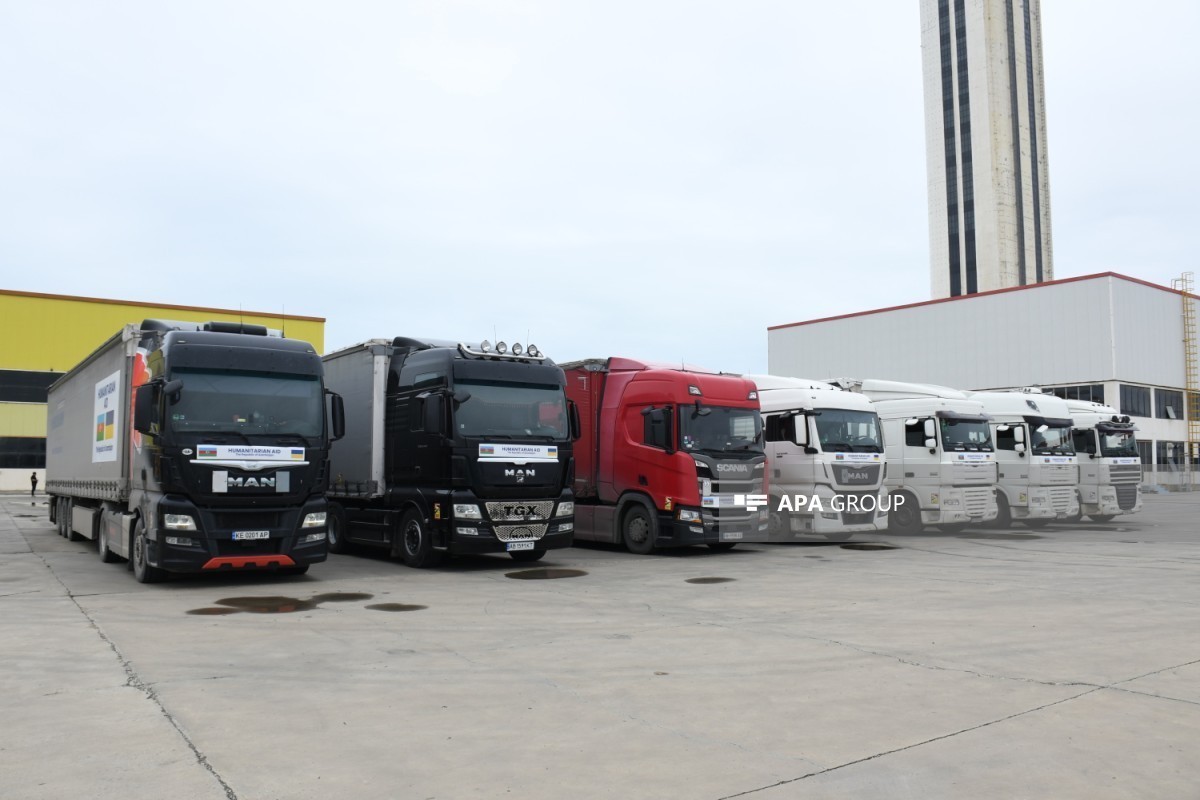
Azerbaijan sends another shipment of electrical equipment to Ukraine as humanitarian aid - PHOTO
 12:16
12:16
 7 October 2026
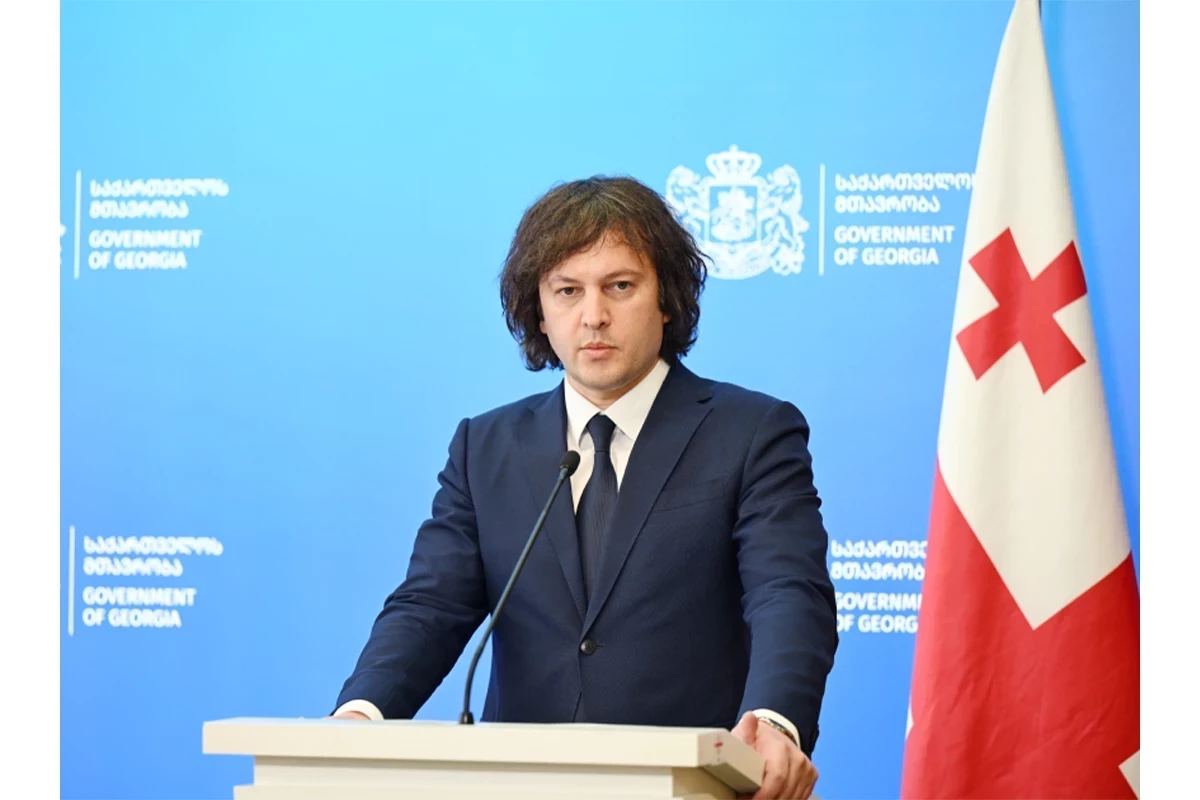
Kobakhidze: Georgia to import electricity from Azerbaijan without intermediary company
11:46
7 October 2026
Oil prices rise on global markets
09:47
7 October 2026
Azerbaijani oil trades at $120
09:34
7 October 2026

NEWS FEED
Azerbaijan and Armenia advised to conduct excavations based on former Yugoslav countries’ model
16:49
7 October 2026
Azerbaijan Railways boosts freight transportation by 11%
16:32
7 October 2026
Four killed, one rescued alive in road accident in Baku - PHOTO - VIDEO - UPDATED
16:26
7 October 2026
WHO comments on possible pneumonia threat in Irkutsk
16:15
7 October 2026
ICMP Director General: System must be changed to investigate cases involving hundreds of thousands of missing persons
16:02
7 October 2026
Date for applying upper limits on additional payments to employees of budget-funded organizations has changed
15:53
7 October 2026
Erdoğan discusses navigation security in Black Sea with Putin
15:51
7 October 2026
Number of Azerbaijanis studying in Hungary announced
15:48
7 October 2026
President Ilham Aliyev makes phone call to Russian President
15:36
7 October 2026
Ambassador: Around 400 Azerbaijani students currently study in Lithuania
15:34
7 October 2026
EU implements 29 projects in Azerbaijan’s education sector - PHOTO
15:28
7 October 2026
Official Moscow comments on France’s strategic ballistic missile test
14:53
7 October 2026
Kremlin: India has presented proposals for peaceful settlement of war in Ukraine
14:50
7 October 2026
Peskov: Putin-Trump phone call has not yet been agreed
14:40
7 October 2026
Russia informs WHO about epidemiological situation in Irkutsk region
14:32
7 October 2026
School protests in France: International organizations remain silent on human rights violations - COMMENTARY
14:26
7 October 2026
PM Pashinyan discusses Armenia-Russia relations with Putin
14:13
7 October 2026
UN representative: Continued efforts on missing persons are important
14:02
7 October 2026
Nobel Prize laureates in Chemistry announced
13:51
7 October 2026
Serbian Foreign Ministry: Relations with Azerbaijan are at a high level
13:49
7 October 2026
Azerbaijan lodges protest with Germany over Der Spiegel report
13:48
7 October 2026
Serbian Foreign Ministry: More than 9,500 people in our region are still registered as missing
13:42
7 October 2026
Mayor of Türkiye's secular stronghold Izmir joins Erdogan's party
13:39
7 October 2026
OIC representative: Families of missing persons’ right to information should not depend on political negotiations
13:31
7 October 2026
President addresses participants of IV International Conference within Baku Dialogue on missing persons - UPDATED
13:22
7 October 2026
Minister: Tens of thousands of people went missing during the war in Bosnia and Herzegovina
13:12
7 October 2026
Hunting season to begin in Azerbaijan this week
13:05
7 October 2026
Slovakia-Azerbaijan Tourism and SPA Sector Forum held in Baku
13:04
7 October 2026
Ukrainian ambassador thanks Azerbaijan
13:02
7 October 2026
Azerbaijani journalists’ congress postponed by one day
12:59
7 October 2026
ICRC: Results on missing persons can be achieved even decades later
12:54
7 October 2026
Papuashvili: If Georgia had listened to Brussels, it would have become a state only on paper
12:25
7 October 2026
Azerbaijan sends another shipment of electrical equipment to Ukraine as humanitarian aid - PHOTO
12:16
7 October 2026
Georgia PM highlights importance of restored Tbilisi-Baku passenger trains
12:07
7 October 2026
Son of member of “Grandmothers” folklore club killed in Russia-Ukraine war
11:54
7 October 2026
Masahiko Metoki: Azerbaijan among few countries to secure representation on both UPU councils
11:50
7 October 2026
Kobakhidze: Georgia to import electricity from Azerbaijan without intermediary company
11:46
7 October 2026
Tax revenues from non-oil and gas sector increase by 12.6%
11:26
7 October 2026
Identities of 334 people missing from war identified in Georgia
11:11
7 October 2026
Mitigation of climate change impacts regulated for first time in agricultural legislation
11:09
7 October 2026
House of Lords member: Achieving peace between Azerbaijan and Armenia is a major step forward
11:07
7 October 2026
Russian army launches missile strikes on Ukraine, casualties reported
11:03
7 October 2026
Azerbaijan prepares new draft law on agricultural sector
11:02
7 October 2026
Azerbaijani FM pays working visit to Turkmenistan
10:59
7 October 2026
Secretary General: Fate of missing persons depends on joint efforts of competent authorities
10:55
7 October 2026
Georgia foils attempted sale of Uranium-238 to foreign national
10:52
7 October 2026
Number of people missing in Ukraine war is in the hundreds of thousands - Former Ukrainian President
10:50
7 October 2026
Prospect of lasting peace in South Caucasus looks more realistic than before - Turkish MP
10:46
7 October 2026
Mass graves remain like open wounds - ICMP Director General
10:43
7 October 2026
Azerbaijan has handed over remains of more than 2,000 Armenian servicemen to Armenia - Deputy FM
10:38
7 October 2026


