










Baku – APA. Kyrgyzstan votes in a crucial election on Sunday which interim leaders hope will help unite the country but opponents fear could trigger more violence and leave the south vulnerable to ethnic extremists and militant Islamists, APA reports quoting “Reutersâ€.
Kyrgyzstan’s election on October 10 is intended to create Central Asia’s first parliamentary democracy, where the prime minister will have more power than the president.
Interim leaders want the vote to empower a new prime minister to unite a country plagued by political and ethnic divisions, which erupted into clashes between ethnic Kyrgyz and Uzbeks killing 400 people and making thousands homeless in June.
But opponents say parliamentary rule could leave the mountainous former Soviet republic prone to further violence as rival factions battle for power, leaving its volatile south vulnerable to ethnic extremists and militant Islamists.
"The situation is highly explosive -- powerful nationalist forces in the Kyrgyz society and establishment spare no effort to hold Uzbeks responsible for June’s bloodshed, which sparks strong anger among the latter," said Alexander Knyazev, senior researcher at the Moscow Institute of Oriental Studies.
"The conflict has not been resolved. It has become latent."
Analysts say trouble may come from some highly placed officials who secretly fomented or supported the violence.
"If certain people know they will lose their high-ranking posts after the election, then it’s in their interest to destabilize the situation," said Adil Mukashev, an independent expert on terrorism issues based in Almaty, Kazahkstan. "They could take steps to remain in power or create chaos."
Russia and the United States both operate military air bases in Kyrgyzstan, a nation of 5.3 million people at the heart of Central Asia, a strategic, resource-rich region wedged between Russia, China, Afghanistan and Iran.
China, keen to keep increasing its influence in a region rich in the energy it needs to fuel fast economic growth, is also wary of mounting instability on its borders.
APPEAL TO MOSCOW AS THREATS LOOM
Kyrgyzstan’s electorate of some 2.8 million faces a hard puzzle, with 29 political parties battling over 120 parliament seats. Analysts say only six parties have a realistic chance.
Voters will be handed 72-cm (28-inch) long ballot papers naming the parties, whose programmes are often similar. All voting will be for party lists, not individual candidates.
Analysts say voters will make their choices based on well known personalities among party leaders rather than the parties.
Several rival parties are led by senior officials from within the interim government that assumed control after the April 7 revolt that toppled President Kurmanbek Bakiyev.
Omurbek Tekebayev was the architect of the constitutional reforms that made the election possible. Among his main rivals is Almazbek Atambayev, interim President Roza Otunbayeva’s deputy in the immediate aftermath of the April revolt.
Atambayev has travelled to Moscow and most recently met with Russian Prime Minister Vladimir Putin in September.
But Russia may be backing another candidate: Felix Kulov, once a prime minister under Bakiyev. Kilov last month visited Russian President Dmitry Medvedev at his residence near Moscow.
Kulov’s pledge to reverse the constitutional reforms chimes with Medvedev’s concerns that a parliamentary democracy would create factionalism and open the door for a power grab by extremist groups.
"The situation in the south is ideal for Islamists willing to recruit supporters," analyst Knyazev told Reuters.
"When Uzbeks were buried during June’s clashes, mainly young Uzbeks would say, ’The Kyrgyz government has abandoned us, Russia has declined to send help -- just like the U.N. and OSCE -- and Uzbekistan shut up its borders. Islam is the only hope’."
Kyrgyz Interior Minister Zarylbek Rysaliyev said on Monday he knew of about 10 "areas of potential clashes" in the country, "with some hotheads planning to snatch ballot boxes."
The Organization for Security and Cooperation in Europe, which has deployed 22 long-term observers around the country and expects another 300 monitors for election day, said the security situation was tense, particularly in the south, which may deter ethnic Uzbeks from casting their ballots.
Mukashev said the success of the elections would face its toughest test in the aftermath, when the losers may challenge the results in the courthouses and the streets -- and thirst for power could prompt winners to abandon democratic goals.


 Follow us on Telegram
 t.me/apanewsaz
 Follow us on Instagram
 Follow us on TikTok
 Follow us on Facebook
 Follow us on X
CIS
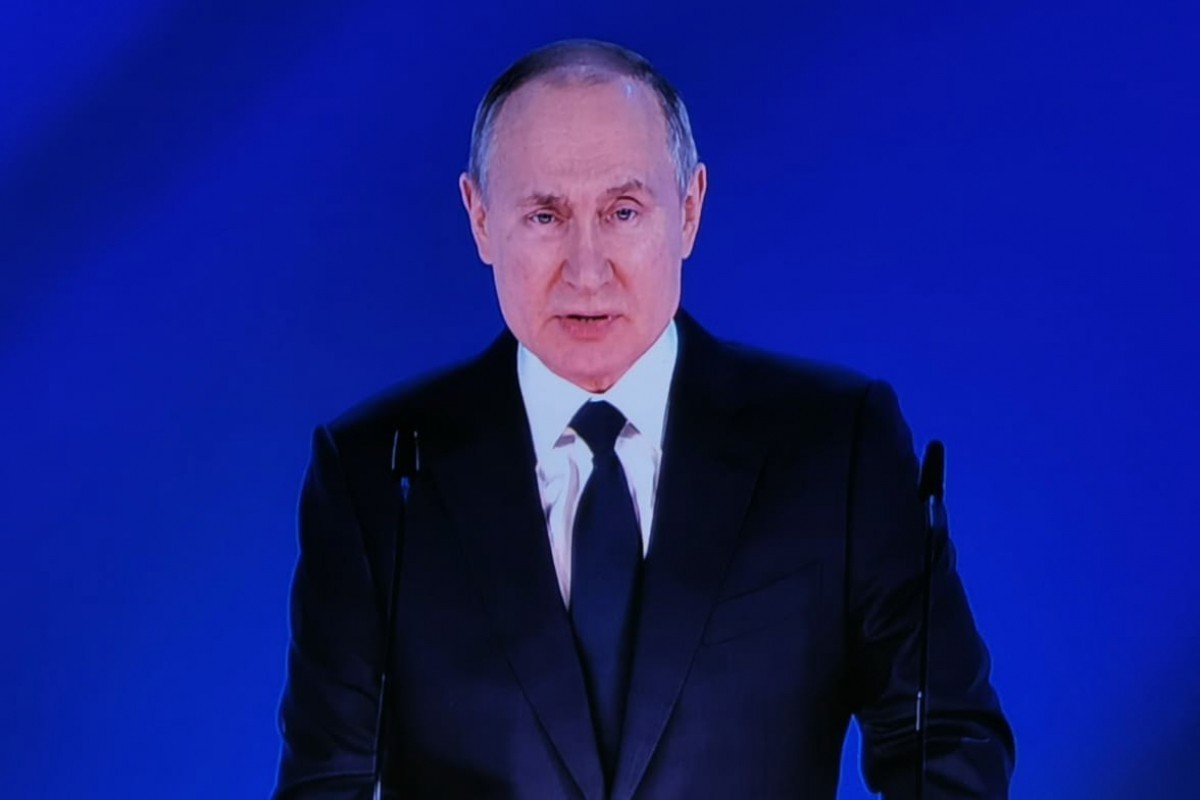
Putin holds meeting on fuel crisis after Ukraine’s drone attacks
 19:40
19:40
 8 July 2026
Russia bans diesel exports after Ukraine’s refinery attacks
19:14
8 July 2026
Russia tightens requirements for migrant workers: They will have to pay income tax
17:02
8 July 2026
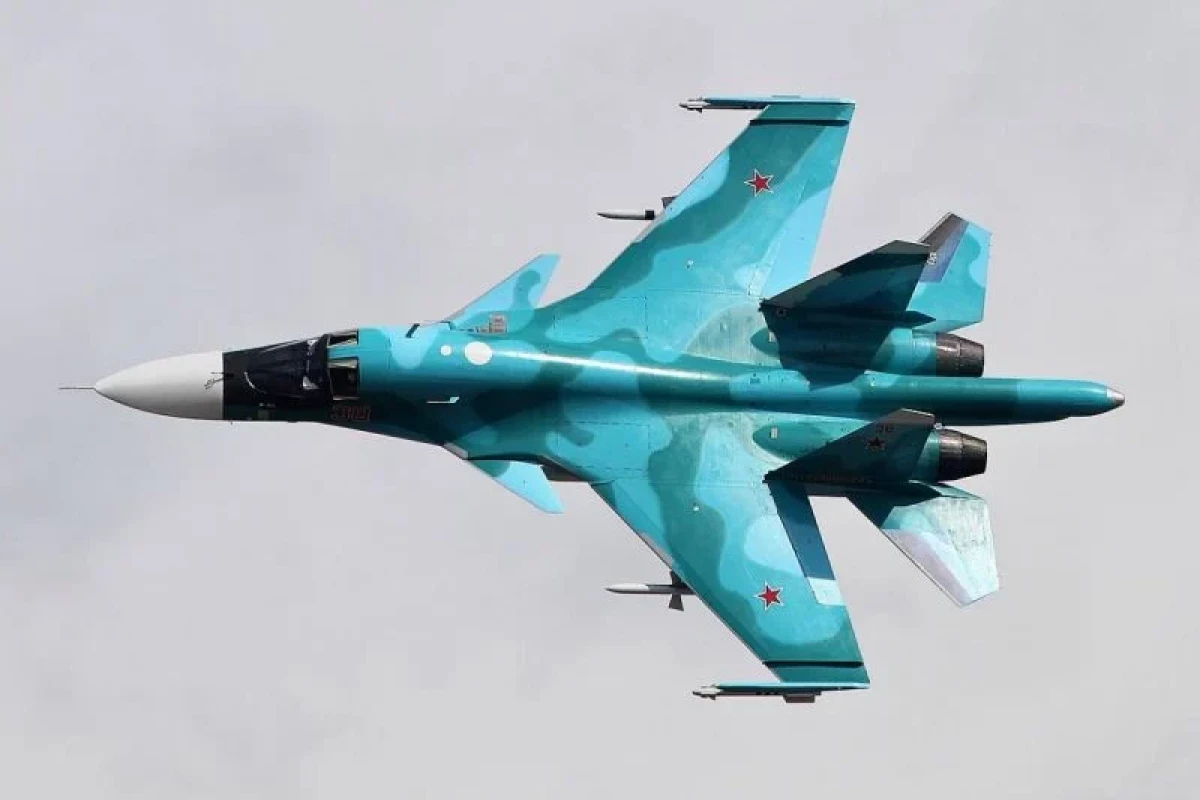
Ukrainian Air Force downs Russian war aircraft
16:32
8 July 2026

NEWS FEED
Iran’s parliament speaker says Strait of Hormuz to open only under ‘Iranian arrangements’
09:08
9 July 2026
Iran warns of attacks on more U.S. bases in region
06:44
9 July 2026
Trump: US prepared to respond to every Iranian attack with 20 strikes
05:15
9 July 2026
US military says it struck more than 80 Iranian targets
04:14
9 July 2026
Trump: This is a response to Tehran's bombing of ships yesterday
03:11
9 July 2026
Iran says US has stuck a railway bridge in northeastern Iran
02:42
9 July 2026
Justin Bieber to co-headline stacked 2026 World Cup final halftime show
01:24
9 July 2026
Iranian port city hit by power cuts amid fresh US strikes
00:53
9 July 2026
US Central Command issues statement on strikes against Iran
00:48
9 July 2026
Rutte: Next NATO Summit to be held in Albania
00:34
9 July 2026
Explosions reported in several parts of Iran
00:32
9 July 2026
US conducting new strikes in Iran after Trump said ceasefire is ‘over’
00:31
Audio
9 July 2026
President Erdogan meets EU leaders during NATO summit in Ankara
00:11
9 July 2026
Rubio: US begins process of removing Syria from list of state sponsors of terrorism
00:04
9 July 2026
Erdogan: Trump is positive about F-35 fighter jets being delivered to Türkiye
22:19
8 July 2026
Turkish, US Presidents did not hold discussion on South Caucasus
21:55
Audio
8 July 2026
Erdogan calls for barrier-free NATO defense cooperation
21:45
Audio
8 July 2026
US leader believes he could be the victim of an assassination attempt by Iran
21:20
Audio
8 July 2026
Trump is confident that all NATO countries will soon increase defense spending to 5% of GDP
20:35
8 July 2026
Trump says Iran's new leadership "may be gone," after breakdown in peace negotiations
20:30
Audio
8 July 2026
Türkiye, UK set to sign major defense partnership at NATO summit
20:19
8 July 2026
Putin holds meeting on fuel crisis after Ukraine’s drone attacks
19:40
8 July 2026
Russia bans diesel exports after Ukraine’s refinery attacks
19:14
8 July 2026
Media: Iran announces suspension of talks with the US on final agreement
19:02
8 July 2026
Turkmen President receives delegation led by Mikayil Jabbarov
18:28
8 July 2026
Trump does not rule out closing Ukraine's airspace by the US
18:02
8 July 2026
40 people readmitted to Azerbaijan last month
17:55
8 July 2026
Interior Ministry conducts operation against "Any Unboxing" fraud pyramid created by Malaysian citizens - VIDEO
17:54
8 July 2026
Iran: Acknowledgment of cancellation of US-Iran memorandum fuels regional tensions
17:45
8 July 2026
Trump says he will speak with Putin today
17:44
8 July 2026
Rutte: NATO to provide at least EUR 70 billion in military aid to Ukraine next year
17:28
8 July 2026
Trump: Iran can be prevented from obtaining nuclear weapons even without an agreement
17:26
8 July 2026
Trump: Ukraine's strikes deep inside Russia could help end the war
17:23
8 July 2026
Trump says he will let Ukraine make Patriot Missiles
17:21
8 July 2026
NATO: Iran must never possess nuclear weapons, ensure free passage through Strait of Hormuz
17:10
8 July 2026
Trump told NATO leaders he wants to keep US in alliance, source says
17:03
8 July 2026
Trump: We could launch very heavy strikes on Iran tonight
17:03
8 July 2026
Russia tightens requirements for migrant workers: They will have to pay income tax
17:02
8 July 2026
EU discussing ways to support regional connectivity with Armenia and Azerbaijan, Grono says
17:00
8 July 2026
NATO to allocate EUR 70 billion to Ukraine this year
16:55
8 July 2026
NATO adopts Ankara Declaration
16:47
8 July 2026
Georgian Parliament Speaker criticizes Hague Declaration on Georgia
16:46
8 July 2026
Azerbaijan, Uzbekistan discuss expanding religious cooperation
16:36
8 July 2026
Four seriously wounded in shooting at Bavarian high school, suspect arrested
16:33
8 July 2026
Ukrainian Air Force downs Russian war aircraft
16:32
8 July 2026
Chevron tanker used for CPC oil hit by drone in Black Sea
16:20
8 July 2026
bp and its co-venturers spend over $115 million on social projects in Azerbaijan
15:56
8 July 2026
Azerbaijani ambassador meets First Deputy Speaker of Russia's Federation Council
15:52
8 July 2026
Co-chair of Azerbaijan-Czech Joint Commission changed
15:49
8 July 2026
Composition of Azerbaijan-Algeria Joint Commission approved
15:37
8 July 2026


