










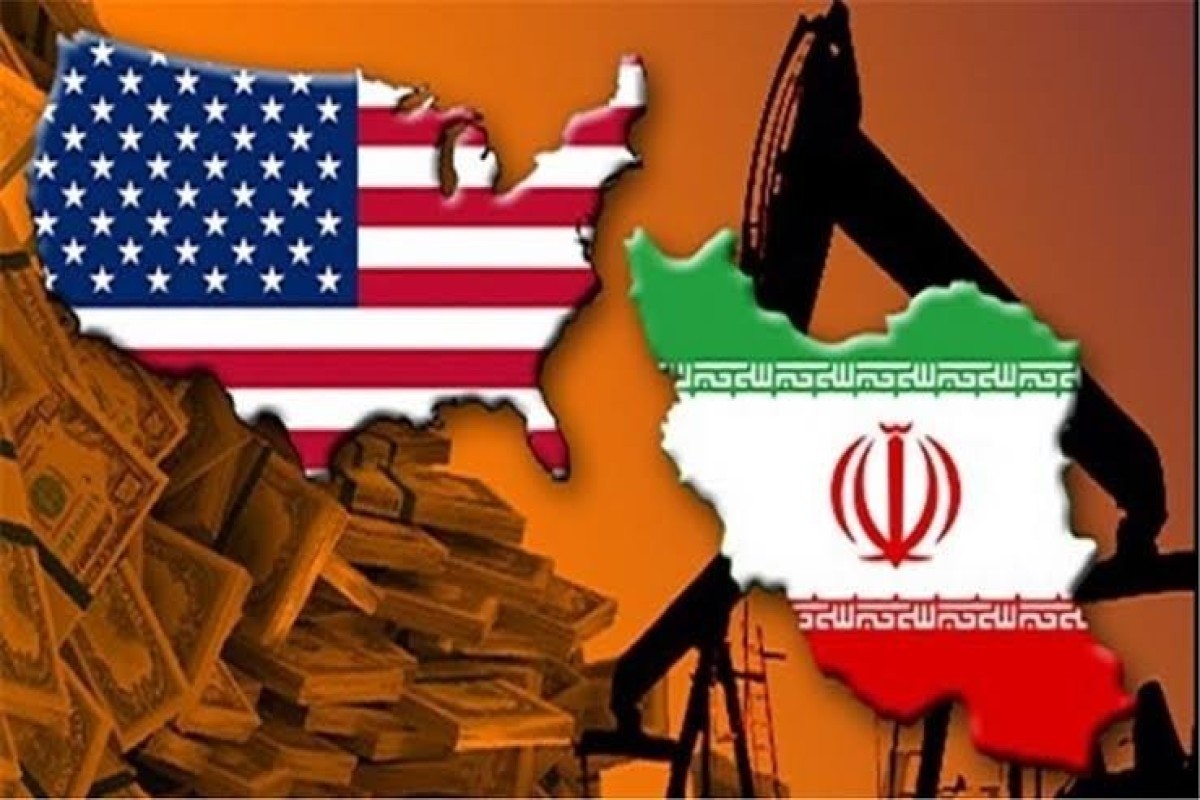
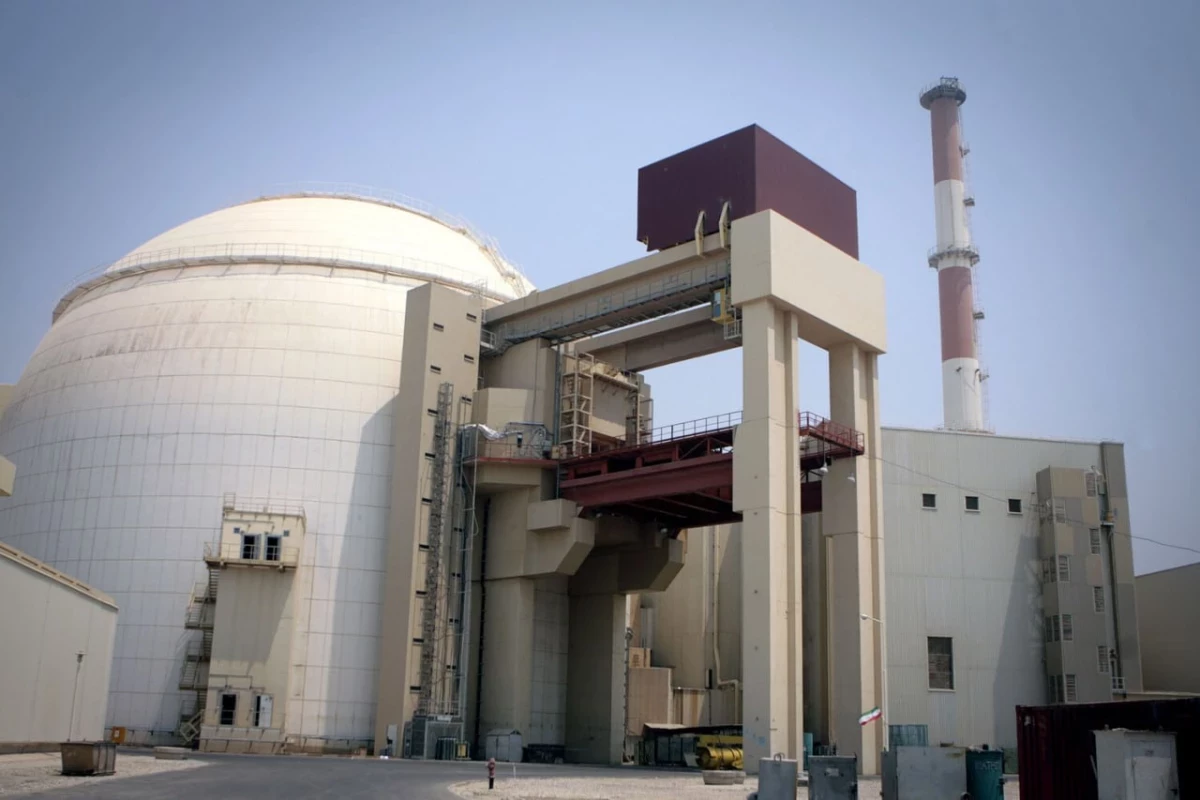
Baku-APA. It is increasingly unlikely that six world powers and Iran will meet their July 20 deadline to negotiate a long-term deal for Tehran to curb its nuclear program in return for an end to economic sanctions, diplomats and analysts say, APA reports quoting Reuters.
In theory, an extension to the high-stakes talks should not be a problem if all sides want it. But President Barack Obama would need to secure the consent of Congress at a time of fraught relations between his administration and lawmakers.
Iran, the United States, Britain, France, Germany, Russia and China included the July 20 deadline to reach a comprehensive agreement in an interim deal they reached in Geneva on Nov. 24.
The November agreement - under which Iran suspended some sensitive nuclear activities in exchange for limited sanctions relief - allowed for a six-month extension if more time were needed for a final settlement that would end sanctions on Iran and remove the threat of war.
An extension would allow up to half a year more for limited sanctions relief and restraints on Iranian nuclear work as agreed in Geneva. To avoid an open conflict with Congress, Obama would want U.S. lawmakers' approval to extend sanctions relief.
The latest round of talks in Vienna last month ran into difficulties when it became clear that the number of centrifuge enrichment machines Iran wanted to maintain was well beyond what would be acceptable to the West. That disagreement, envoys said, can be measured in tens of thousands of centrifuges.
As a result, the latest round of Vienna talks broke off last month with Iran and Western powers accusing each other of being unrealistic. While talk of an extension could be a negotiating tactic, members of both sides appeared to favor the idea.


 Follow us on Telegram
 t.me/apanewsaz
 Follow us on Instagram
 Follow us on TikTok
 Follow us on Facebook
 Follow us on X

 UPDATED'>


