

Two people were killed in Baghdad on Monday after a decision by Iraq's powerful Shi'ite Muslim cleric Moqtada al-Sadr to quit politics over a political deadlock prompted clashes between his supporters and backers of Iran-backed rivals, APA reports citing Reuters.
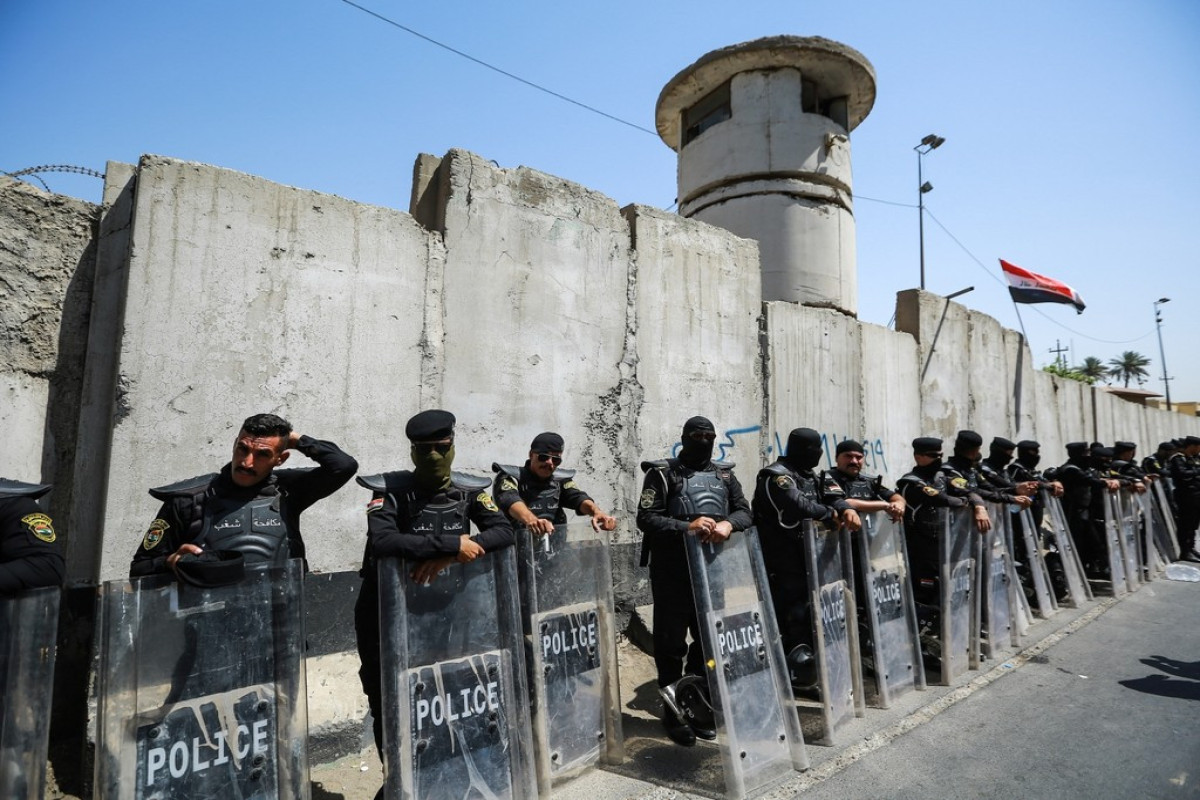
Young men loyal to Sadr who took to the streets in protest at the cleric's move skirmished with supporters of Tehran-backed groups. They hurled rocks at each other outside Baghdad's Green Zone, which is home to ministries and embassies.
Gunfire echoed across central Baghdad, reporters said. At least some of the shots appeared to come from guns being fired into the air, although the source of all the gunfire was not immediately clear in a nation awash with arms.
In addition to two people killed, 19 people were injured, police and medical workers said.
The clashes took place hours after Sadr announced he was withdrawing from politics, which prompted his supporters, who had been staging a weeks-long sit-in at parliament in the Green Zone, to demonstrate and storm the main cabinet headquarters.
***16:26
Supporters of prominent Shi'a cleric Muqtada al-Sadr are reportedly attempting to enter the grounds of the Presidential Palace as of August 29, APA reports citing Crisis 24.
The latest demonstrations appear to have been prompted by al-Sadr's announcement on Aug. 29 that he would permanently withdraw from politics and that he would close all Sadrist offices in the country. Al-Sadr's supporters have been organizing sit-ins in the country's parliament since late July, demanding the dissolution of parliament and new elections.
Iraqi authorities will likely maintain an increased security presence across Baghdad, particularly in the Green Zone, through at least late August. Protesters stormed the parliament building, July 27; further similar actions against government institutions remain possible. Counter-protests by supporters of political parties opposed to al-Sadr also remain likely.
Ground transport and business disruptions remain likely near any protest activity that may erupt. Security forces will likely deploy water cannons, tear gas, and other crowd control measures to disperse protesters. Clashes cannot be ruled, particularly if activists become overly disruptive or refuse to heed security forces' orders.


 Follow us on Telegram
 t.me/apanewsaz
 Follow us on Instagram
 Follow us on TikTok
 Follow us on Facebook
 Follow us on X