


A sophisticated fuel oil smuggling network that some experts believe generates at least $1 billion a year for Iran and its proxies has flourished in Iraq since Prime Minister Mohammed Shia al-Sudani took office in 2022, five sources with knowledge of the matter told Reuters, APA reports.
The operation exploits a government policy under which Iraq allocates fuel oil to asphalt plants at heavily subsidized prices and involves a network of companies, groups, and individuals in Iraq, Iran, and Gulf states, according to the five people and three Western intelligence reports, two from August this year and one which was undated.
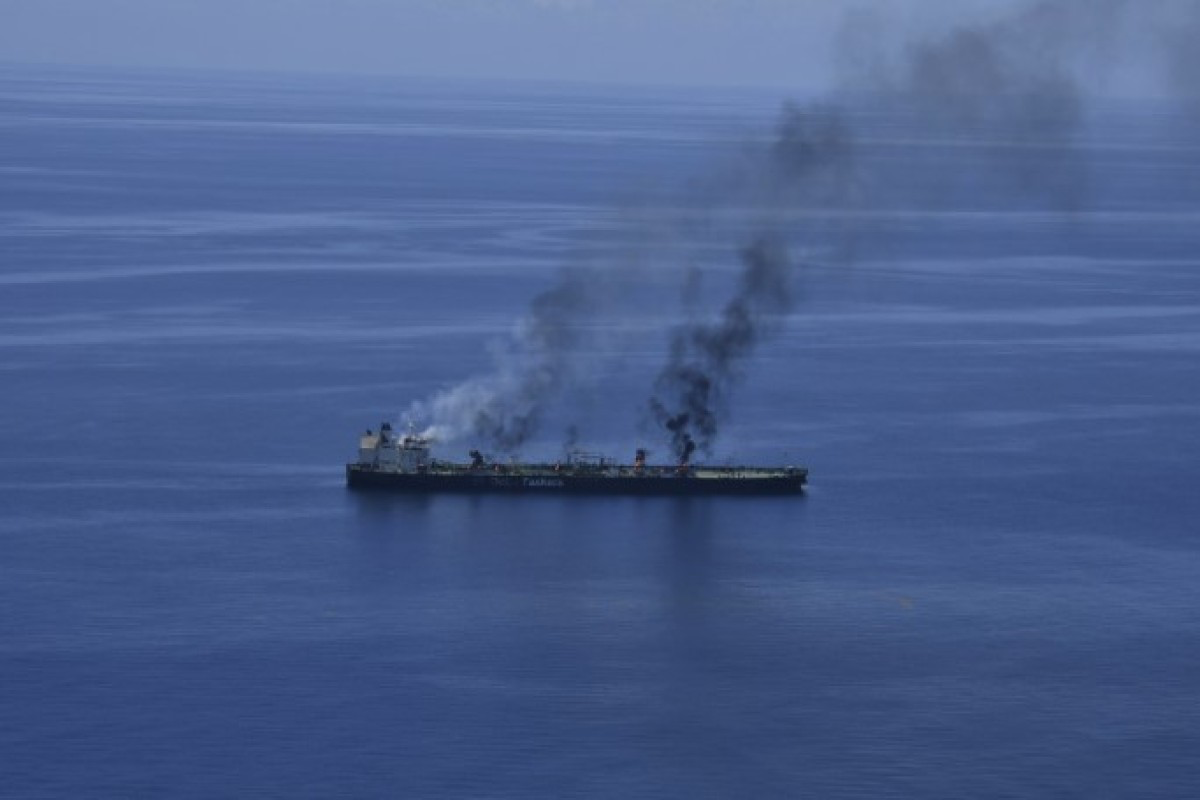
Under the scheme, anywhere from 500,000 to 750,000 metric tons of heavy fuel oil (HFO), including high sulfur fuel oil (HSFO) - equivalent to 3.4 million to 5 million barrels of oil - is diverted from the plants each month and exported, mostly to Asia, two of the sources said.
The extent of the fuel oil smuggling since Sudani came to power and the involvement of multiple entities within Iraq in the illicit trade has not previously been reported.
Iranian and Iraqi officials did not respond to detailed requests for comment about the findings in the Reuters story.
Iran views its neighbor and ally Iraq as an economic lung and wields considerable military, political, and economic influence there through the powerful Shi'ite militias and political parties it backs. It also sources hard currency from Iraq through exports and avoids U.S. sanctions via its banking system, Iraqi and U.S. officials say.
While Baghdad has been delicately balancing its role as an ally of both Washington and Tehran for years, with President-elect Donald Trump expected to take a hard line on Iran's attempts to skirt U.S. sanctions, its activities in neighboring Iraq are expected to come under increasing scrutiny.
Of the two main routes the fuel oil takes out of Iraq, one involves blending it with similar product from Iran and passing it off as purely Iraqi, helping Tehran evade tough U.S. sanctions on energy exports, said the five sources, who declined to be named due to the sensitivity of the matter.
The other involves exporting the fuel oil that was originally meant for the subsidy program using forged documentation to mask its origins.
Iran benefits directly from the first route. Iranian fuel oil typically sells at a discount due to sanctions but it can sell it for a higher price if it is passed off as Iraqi. The second route, meanwhile, benefits the Iranian-backed militias in Iraq that control the smuggling scheme.
Three sources estimated how much both routes were bringing in based on assumptions about the volumes traded and relative prices. Their estimates ranged from $1 billion a year to over $3 billion.
The illicit trade potentially puts Iraqi institutions and officials at risk of U.S. sanctions for helping Iran and some Iraqi officials are concerned a Trump administration could target them, the three sources said.
However, Iraqi leaders rely heavily on the support of influential Iranian-backed Shi'ite groups to stay in power, making it difficult for them to crack down on illicit activities, such as the fuel oil smuggling, the sources said.
Sudani's office did not respond to requests for comment about the trade, the risk of sanctions or government attempts to curb the business.


 Follow us on Telegram
 t.me/apanewsaz
 Follow us on Instagram
 Follow us on TikTok
 Follow us on Facebook
 Follow us on X