










Baku-APA. Like other communities sucked into Syria’s widening civil war, the Yarmouk neighborhood in Damascus has seen death and destruction. Soldiers and snipers have gunned down demonstrators. Some protesters have taken up arms to fight back, APA reports quoting Associated Press.
But there’s one key difference: Most of Yarmouk’s residents are not Syrian citizens. They are Palestinian refugees.
Since the start of the unrest, Syria’s half-million Palestinians have struggled to remain on the sidelines. They’ve said they have little to gain and much to lose by taking sides in the fight between President Bashar Assad’s regime and the armed rebels seeking to end his family’s four-decade rule.
But young Palestinian refugees, enraged by this month’s mounting violence and moved by Arab Spring calls for greater freedoms, are now flooding the streets and even joining the rebels despite efforts by the community’s political leadership to keep them out of the conflict.
Large protests began two weeks ago in the country’s largest Palestinian refugee camp, Yarmouk, a neighborhood of nearly 150,000 refugees crowded into simple apartment buildings on narrow streets in the Syrian capital. Security forces fired on the protesters, killing at least five and setting off a cycle of funerals, demonstrations and further crackdowns.
On Thursday, activists said troops posted outside Yarmouk were shelling the area, likely in preparation for a raid.
"There are cars that have blown up and homes that have blown up," a Palestinian activist in Yarmouk who gave his name as Abu Omar said via Skype, booms audible in the background. "We are really in a war zone now."
Violence has struck other Palestinian camps too. More than two-thirds of the 17,500 refugees in the southern city of Daraa fled an attack this month, the U.N. said. While many have returned, food and medicine are lacking.
The U.N. says it cannot provide death tolls for Palestinians because of the difficulty of confirming information. The Britain-based Syrian Observatory for Human Rights estimates that about 150 have been killed since the uprising began in March 2011. Palestinian activists provided the names of 198 people killed, 67 in July alone.
Most of Syria’s 496,000 U.N.-registered Palestinian refugees are descended from those who fled or were forced to leave their homes during the war surrounding Israel’s creation in 1948. Others have come during subsequent Mideast wars.
While not citizens, Palestinians in Syria have greater rights than their brethren in other Arab countries. They can hold government jobs, attend state universities for free and serve in the military. Assad’s regime has long billed itself as a champion of the Palestinian cause.
But the Syrian uprising, which began with political protests and has evolved into a civil war, has put the Palestinians in a bind. As the death toll spiraled, many were horrified by Assad’s brutal attempts to crush the opposition but didn’t want turn on a government that treated them well.
"On the individual level, there’s no love for the regime or its tools of oppression, and no one thinks that it will liberate Palestine for us," said a Palestinian refugee expert in Lebanon who visited Syria this month. "The idea is that if we take a position on one side or the other, we’ll get screwed."
He declined to give his name because he travels frequently to Syria.
The political leadership, dominated by older men from an array of Palestinian factions, recalls all too easily how Palestinians elsewhere have suffered for picking sides in foreign conflicts. Kuwait kicked out hundreds of thousands of Palestinians near the end of the first Gulf War because of their leadership’s links to Saddam Hussein.
"I fear that in the next stage the camps and the youth will be pulled into the internal conflict," said Fathi Ardat, the Palestine Liberation Organization’s top official in Lebanon. "We don’t want to be part of that battle."
Some factions have cooled relations with Assad’s regime.
Top Hamas officials have decamped from their longtime Damascus headquarters for Egypt and the Gulf. In a February sermon in Cairo, Ismail Haniyeh, the Hamas Prime Minister of Gaza, praised Syrians for "moving toward democracy and reform."
The only group firmly with the regime is the radical Popular Front for the Liberation of Palestine-General Command, which the U.S. and other countries consider a terrorist organization — as they do Hamas. Its fighters are widely accused of joining Assad’s forces in the crackdown.
To date, no Palestinian faction has denounced the regime, putting them at odds with Palestinian youth in Syria.
The forces pulling young Palestinians into the war grew stronger this month.
On July 11, the bodies of 15 soldiers from the Palestinian Liberation Army, a branch of the Syrian armed forces, were found outside of Aleppo, the country’s largest city. There were conflicting accusations about who killed the soldiers, but many Palestinians blamed Assad’s regime.
On July 13, hundreds of Palestinians protested in Yarmouk, accusing Assad’s forces of killing the soldiers and calling for the regime’s ouster because of its brutality toward other Syrians. Security forces opened fire on the crowd, according to amateur videos posted online, and activists say five people were killed.
Protests continued as rebels pushed into the capital from the countryside and clashed with security forces in surrounding neighborhoods, sending civilians streaming into the camp. The U.N. said this week that more than 7,000 displaced people were staying in 17 schools in Yarmouk.
On July 19, rebels — including some Palestinians — torched a police station on the camp’s edge and a dozen security cars posted around it.
As violence entered the camp, more youth joined in.
"At first, most people said we won’t interfere because this is a problem between Syrians," said Mohammed, a refugee from Yarmouk who now lives in Britain. "Later, more said it was about freedom, so it doesn’t matter where you’re from."
While most have avoided arms, some Palestinians have joined the rebels in battle.
"They have taken a position with the revolution, but they have not made this public because that could bring a massacre to the camp," said a Syrian rebel near Yarmouk who gave his name as Abu Qusay.
Ironically, Palestinian activists say it was their integration into Syrian society — facilitated by Assad’s regime — that pushed them into the uprising.
"We have never felt that there was a big difference between the Palestinians and the Syrians," said Abu Omar, the Yarmouk activist. He is 22, has spent his whole life in Syria and was getting a free university education when the uprising broke out.
He dismissed the idea that Assad’s regime has been a leader in the Palestinian struggle, pointing out that Syria’s border with the Israeli-occupied Golan Heights has been largely quiet since 1974.
In fact, he said he hoped a regime change would help the Palestinians achieve their ultimate goal: the return to their ancestral villages in what is now Israel.
"We have to work together with the free people to liberate Syria, then we’ll go to the Golan and liberate Palestine," he said. "We’ll work hand in hand."


 Follow us on Telegram
 t.me/apanewsaz
 Follow us on Instagram
 Follow us on TikTok
 Follow us on Facebook
 Follow us on X
Asia
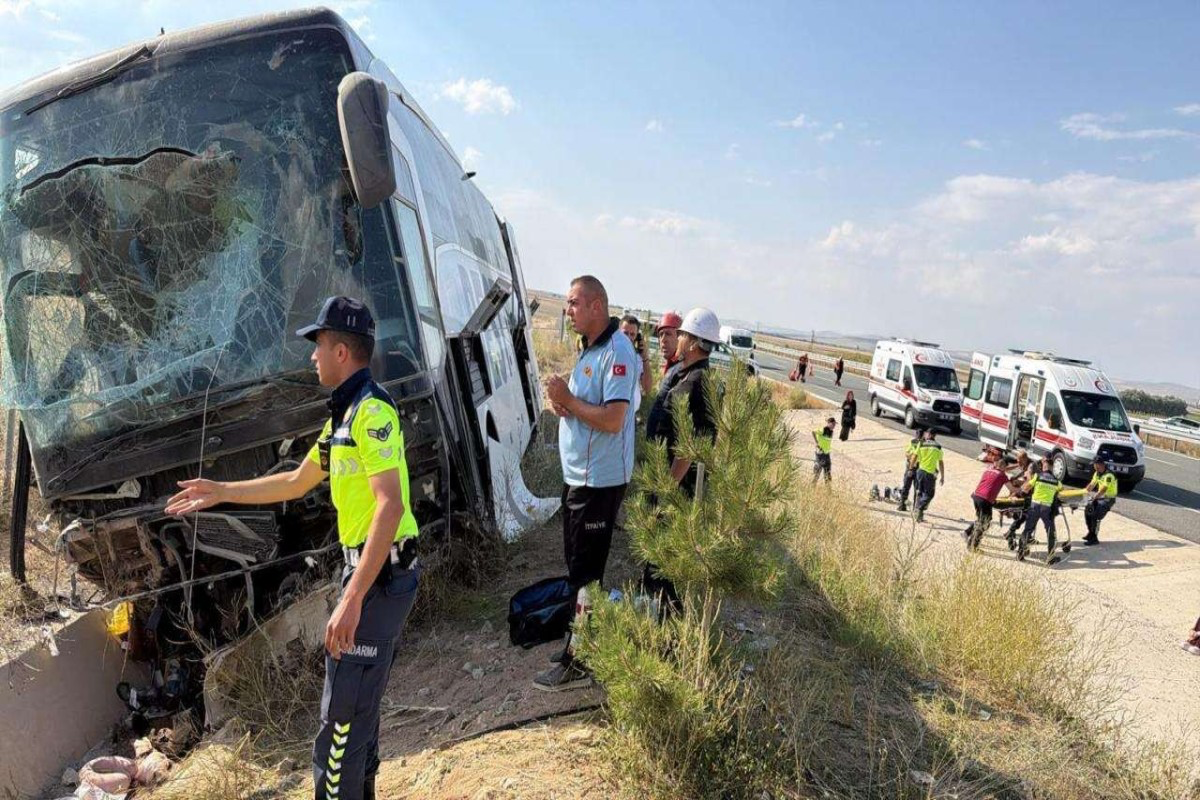
40 people injured in bus accident in Türkiye
 22:51
22:51
 3 July 2026
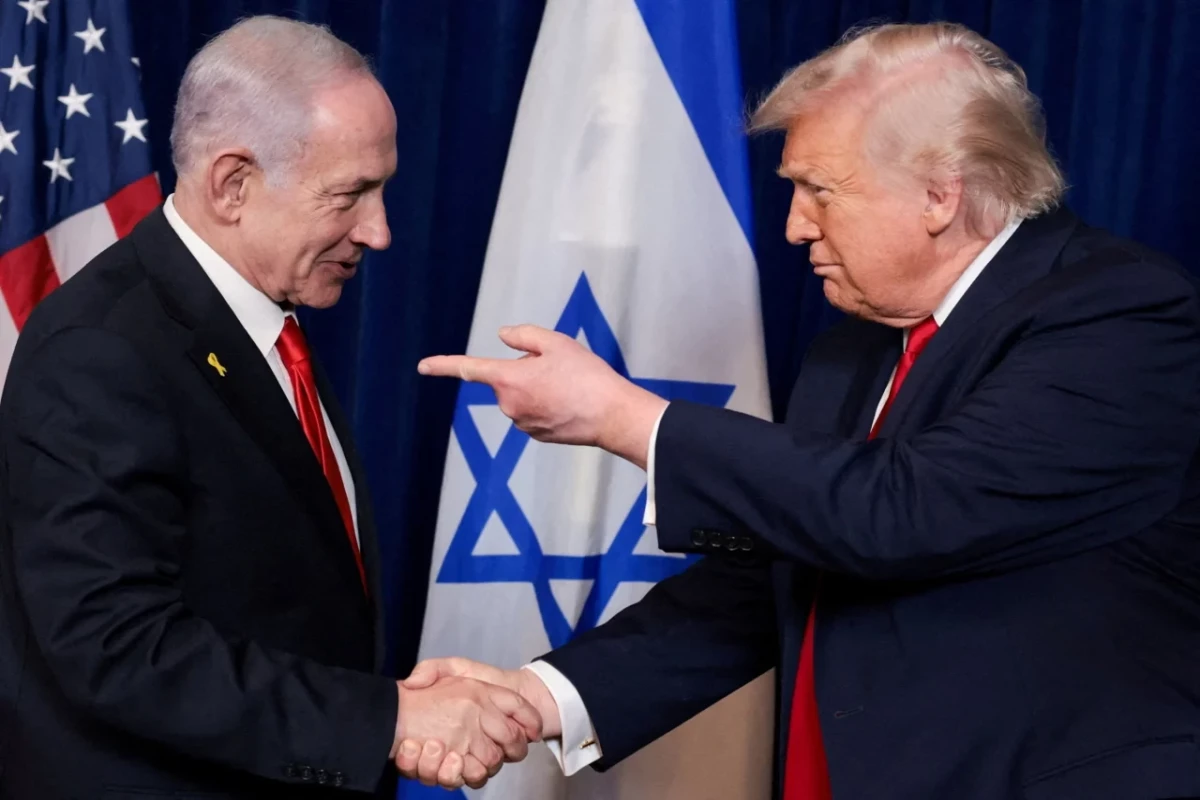
Netanyahu and Trump speak, agree to meet "soon" in the US, Israel says
22:04
3 July 2026
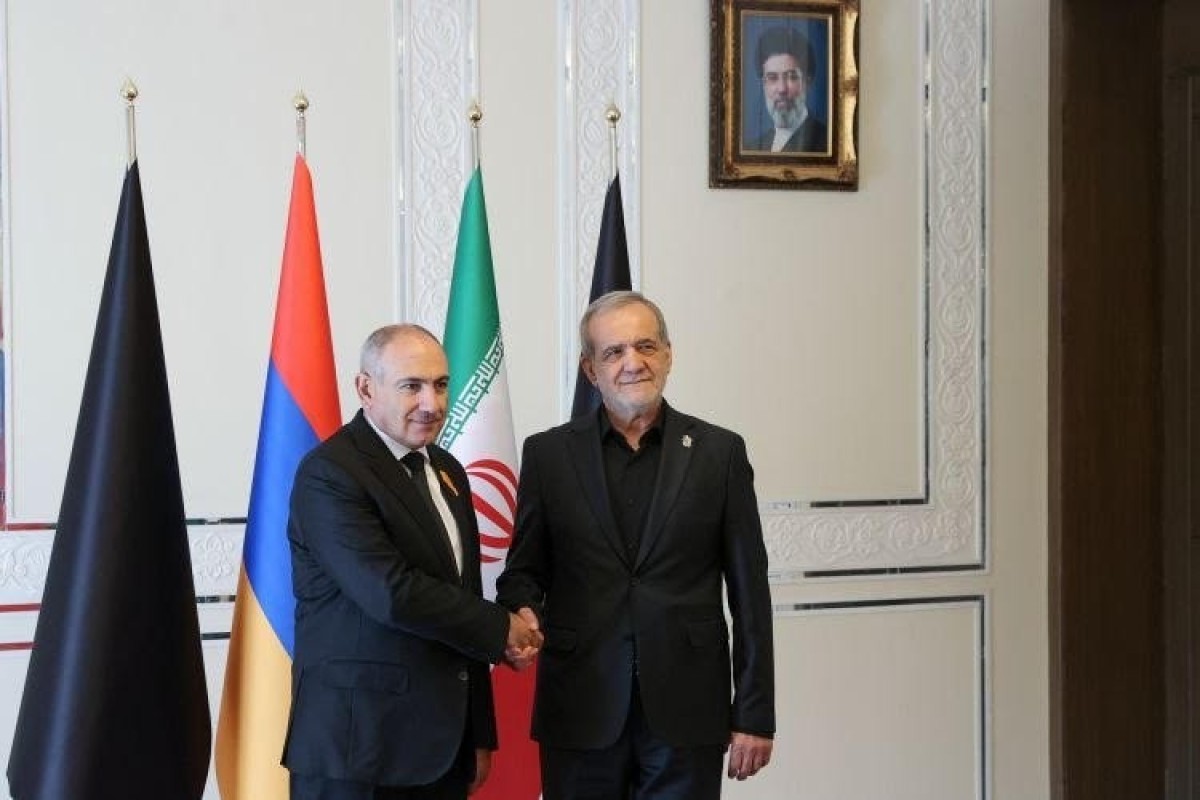
Iranian President Masoud Pezeshkian meets Armenian PM Nikol Pashinyan in Tehran
12:08
3 July 2026
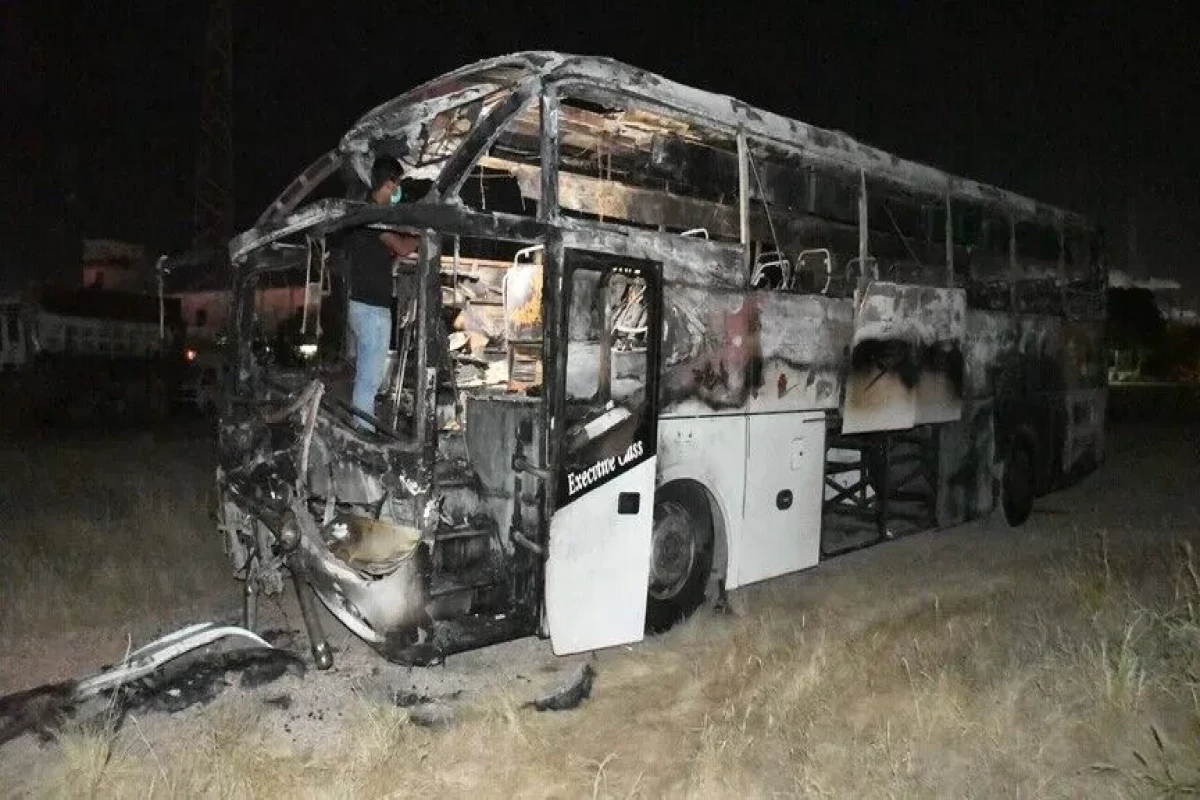
At least 40 killed after bus falls into ravine in Pakistan
11:37
3 July 2026

NEWS FEED
Brazil's Bolsonaro to remain under house arrest
02:13
4 July 2026
France and UK ready to deploy militaries to support transit in Strait of Hormuz
01:45
4 July 2026
Police investigate a shopping mall shooting that left 2 dead in suburban Detroit
01:33
4 July 2026
Death toll of Venezuela earthquakes rises to 2,645
01:17
4 July 2026
Egyptian national team has reached the 1/8 finals of the World Cup
00:57
4 July 2026
Trump pardoned six US citizens convicted under Biden administration
00:45
4 July 2026
Lewis Hamilton eyes British Grand Prix Sprint victory
00:12
4 July 2026
Workers protest Mercedes-Benz cost-cutting
23:45
3 July 2026
Merz: Germany will take on more responsibility in security matters
23:28
3 July 2026
Hungary greenlights another cluster in Ukraine's EU accession talks
23:12
3 July 2026
40 people injured in bus accident in Türkiye
22:51
3 July 2026
Assistant to Azerbaijani President congratulates US on occasion of Independence Day
22:36
Audio
3 July 2026
Remains of Bahadur Kamalov, a martyr of the First Karabakh War, were buried in Kalbajar
22:12
3 July 2026
Netanyahu and Trump speak, agree to meet "soon" in the US, Israel says
22:04
Audio
3 July 2026
Azerbaijan’s Speaker attends farewell ceremony for Ayatollah Seyyed Ali Khamenei in Tehran-PHOTO
19:30
Audio
3 July 2026
Court considers defendants' motions during appeal hearing of Armenian nationals
19:06
Audio
3 July 2026
Missing First Karabakh War martyr Madina Babayeva laid to rest in Kalbajar 33 years later - PHOTO
18:56
3 July 2026
Media: NATO summit to approve €140 billion military aid package for Ukraine
18:45
3 July 2026
ADY discusses expansion of Railway Cooperation with Russia and Iran
18:21
3 July 2026
ICDO Secretary General meets Sudan's foreign minister to discuss humanitarian cooperation
18:18
3 July 2026
In riposte to Trump, Merz says Germany can defend its military spending push
17:48
3 July 2026
Nakhchivan's electricity demand fully met by renewable energy for over two months
17:28
3 July 2026
Armenian parliament approves new voter eligibility requirements
17:25
3 July 2026
Mass graves acknowledgment: ICMP Director-General confirms what Azerbaijan has asserted for years - ANALYSIS
17:25
3 July 2026
European Parliament staff were staying at the hotel in Kyiv that was attacked by Russia
17:20
3 July 2026
Poland's Tusk says Ukraine wants to lower tension, should confront history
17:04
3 July 2026
EU issues sanctions against six people involved in death of Navalny
16:41
3 July 2026
Turkish National Defense University delegation continues its visit to Azerbaijan
16:31
3 July 2026
New York Times: US dissuaded Israel from plot to assassinate Iranian negotiating delegation
16:24
3 July 2026
WSJ: Rubio blocked Hegseth's plan to cut US troop presence in Europe
16:01
3 July 2026
Death toll linked to extreme heat in France rises to 2,025
15:46
3 July 2026
Magnitude 6.2 earthquake strikes off eastern Indonesia: USGS
15:04
3 July 2026
Five killed, 18 injured in reported Ukrainian drone strike on Tokmak market
14:37
3 July 2026
Remains of First Karabakh War missing martyr Moysum Aliyev laid to rest in Fuzuli
14:29
3 July 2026
Azerbaijani delegation arrives in Tehran for Ayatollah Ali Khamenei's farewell ceremony - PHOTO
14:28
Audio
3 July 2026
US withdrew forces from Nigeria after operation against ISIS, AFRICOM chief says
13:47
3 July 2026
Remains of First Karabakh War serviceman Rauf Ahmadov laid to rest in Goranboy - PHOTO
13:24
3 July 2026
TuranBank conducts beach cleanup campaign on the Caspian coast in cooperation with the Ministry of Ecology and Natural Resources
13:11
3 July 2026
Date and agenda of next Milli Majlis session revealed
12:55
3 July 2026
Hikmat Hajiyev meets with economist Jeffrey Sachs in Baku
12:48
3 July 2026
Remains of missing First Karabakh War martyr laid to rest in Ujar - PHOTO
12:42
3 July 2026
At least 3,700 excess deaths reported during heatwave in France, Belgium and Netherlands
12:38
3 July 2026
Ruben Rubinyan says he will step down as Armenia's special envoy to Türkiye if elected parliament speaker
12:16
3 July 2026
Iranian President Masoud Pezeshkian meets Armenian PM Nikol Pashinyan in Tehran
12:08
3 July 2026
SBU has opened a case against Russian Chief of the General Staff Gerasimov
11:59
3 July 2026
14 railcars of wheat shipped from Russia to Armenia via Azerbaijan - PHOTO
11:57
Audio
3 July 2026
Armenian Prime Minister Nikol Pashinyan to visit Yekaterinburg for Innoprom 2026
11:50
3 July 2026
At least 40 killed after bus falls into ravine in Pakistan
11:37
3 July 2026
Volume of gas exported to Türkiye via Baku-Tbilisi-Erzurum pipeline revealed
11:36
3 July 2026
President Ilham Aliyev congratulates Belarus President on Independence Day
11:33
3 July 2026


