










Baku – APA. A suicide bomber detonated his device at a police-station mosque in Cirebon in Indonesia’s West Java province, killing himself and wounding 26 other people in the country’s first such attack since July 2009, APA reports quoting “Bloombergâ€.
The bombing, which occurred at 12:15 p.m. Jakarta time yesterday, wounded 21 police officers, four civil servants and an imam at the mosque, National Police Deputy Chief Nanan Soekarna told reporters yesterday in Jakarta. Police haven’t identified the bomber and are collecting evidence, he said.
Indonesia, a secular state with the world’s biggest population of Muslims, has stepped up raids against terror suspects since 2009 bombings at Jakarta’s JW Marriott and Ritz- Carlton hotels killed nine people, including the two attackers. Authorities have blamed Jemaah Islamiyah, an al-Qaeda-linked group, for bombings at hotels, nightclubs and embassies that claimed more than 200 lives in the past decade.
“Police have to realize that there is a shift in the target,†Noor Huda Ismail, founder of Jakarta’s Institute of International Peace Building, said by phone yesterday from Semarang, Central Java. “The bombers used to attack the U.S. and its allies. Now they’ve turned to the state symbols that are considered their enemy.â€
Pakistan notified Indonesian officials last month it arrested a man believed to be Umar Patek, who is accused of helping carry out the October 2002 nightclub bombings in the resort island of Bali that killed 202 people, Pakistani Foreign Ministry spokeswoman Tehmina Janjua told reporters in Islamabad on March 31.
Terrorist Networks
The arrest may shed light on terrorist networks in the region, according to an International Crisis Group adviser.
Patek’s arrest “does not mean an end to terrorist attacks, only that his information may lead to better understanding of networks and therefore more scope for preventive programs,†Sidney Jones, a Jakarta-based senior adviser with Crisis Group, said in an e-mail April 1.
Patek “will have information that everyone wants on the nature of terrorist links between Pakistan and Southeast Asia, between Indonesia and Mindanao, and perhaps between Mindanao and the Middle East,†Jones wrote in the e-mail. Mindanao is an island of the Philippines where Islamist insurgents have waged a war for independence.
Noordin Mohammad Top
Police in 2002 described Patek as a Javanese Arab who lived in Indonesian towns such as Solo, Yogyakarta and Pemalang. He was accused of placing a getaway bike at a mosque to divert the attention of police, Chief Investigator I Made Mangku Pastika said at the time.
In September 2009, police killed militant leader Noordin Mohammad Top, who was suspected of involvement in every major anti-Western attack in Indonesia since 2002. In March of the same year they killed terrorist leader and suspected Bali bomber Dulmatin and two others.
The rupiah traded at 8,662 per dollar, unchanged after the bombing. The currency rose 0.3 percent to 8,662 yesterday. The Jakarta Composite index rose 0.6 percent to 3,730.51 as of the 4 p.m. local-time close.
On Feb. 10, Indonesian cleric Abu Bakar Bashir went to trial in Jakarta on terrorism charges that could bring the death penalty four years after his acquittal for links to the Bali nightclub bombings.
No Terrorism Conviction
While Bashir has served two jail terms since 2003, authorities have never convicted him of terrorism as part of a broader crackdown on militants under President Susilo Bambang Yudhoyono.
Police arrested Bashir, 72, last year and accused him of contributing funds to a terrorist training camp in Aceh province. The charges could result in a sentence ranging from three years in prison to death, Bashir’s lawyer, Achmad Michdan, said in an interview in February.
Bashir’s arrest last year followed a February raid on a training camp in Aceh that resulted in a list of more than 100 terrorism suspects, according to the government.
In September 2009 police killed militant leader Noordin Mohammad Top, who was suspected of involvement in every major anti-Western attack in Indonesia since 2002. In March of the same year they killed terrorist leader and suspected Bali bomber Dulmatin and two others.
Indonesia allowed Aceh to impose Islamic Shariah law in 2001 in a bid to win over the population during the central government’s war with separatists there. More than 98 percent of Acehnese are Muslims who mostly adhere to a stricter interpretation of Islam than others in the country.
Indonesia Suicide Bomber Attacks Java Police Station Mosque

 16 April 2011 00:16 (UTC +04:00)


 İDMAN XƏBƏR
 Follow us on Telegram
 t.me/apanewsaz
 Follow us on Instagram
 Follow us on TikTok
 Follow us on Facebook
 Follow us on X
Asia
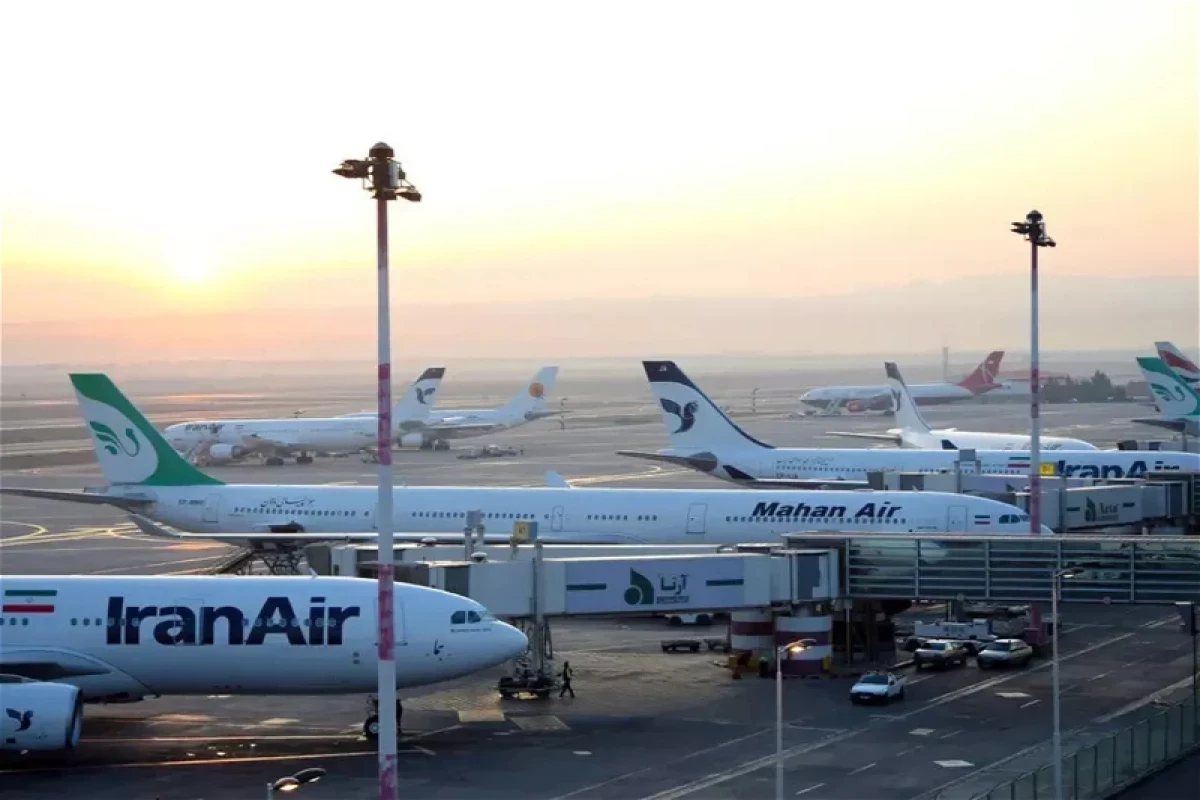
Dubai welcomes first flight from Tehran after Middle East conflict pauses
17:01
 29 June 2026
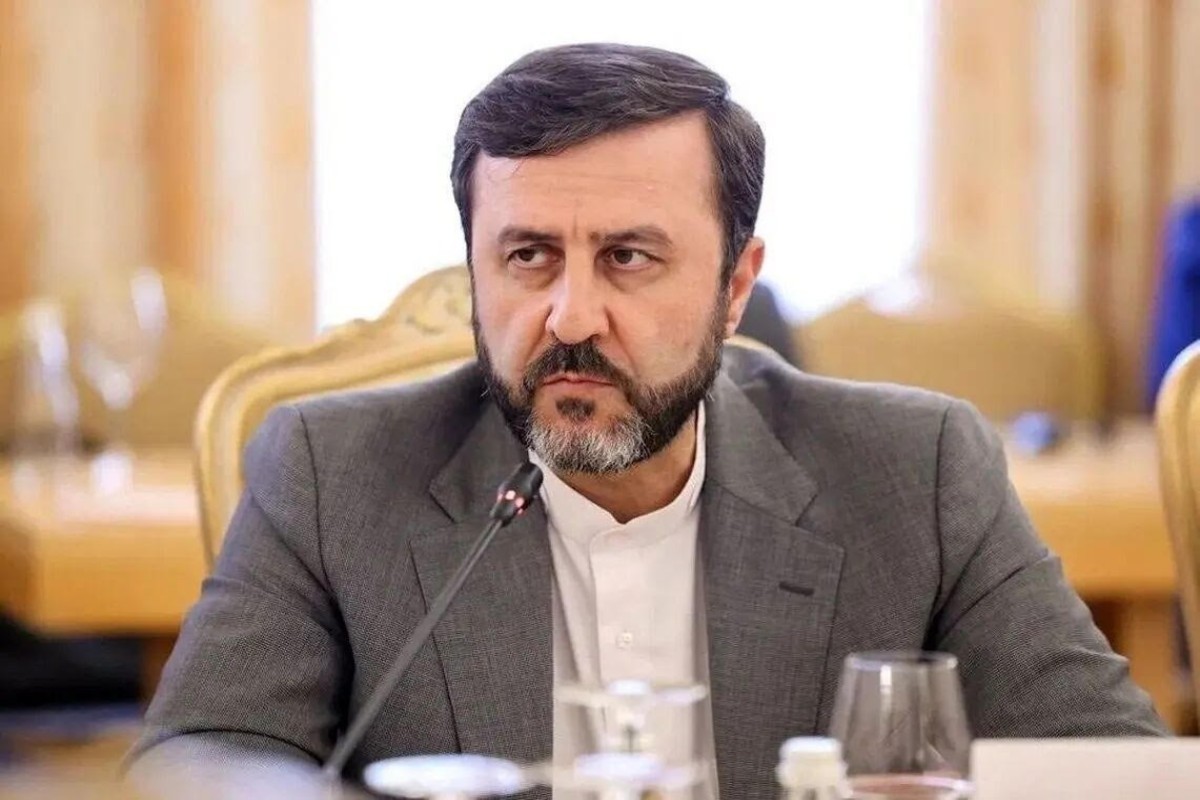
Iran denies that technical meeting with US expected in coming days
14:32
29 June 2026
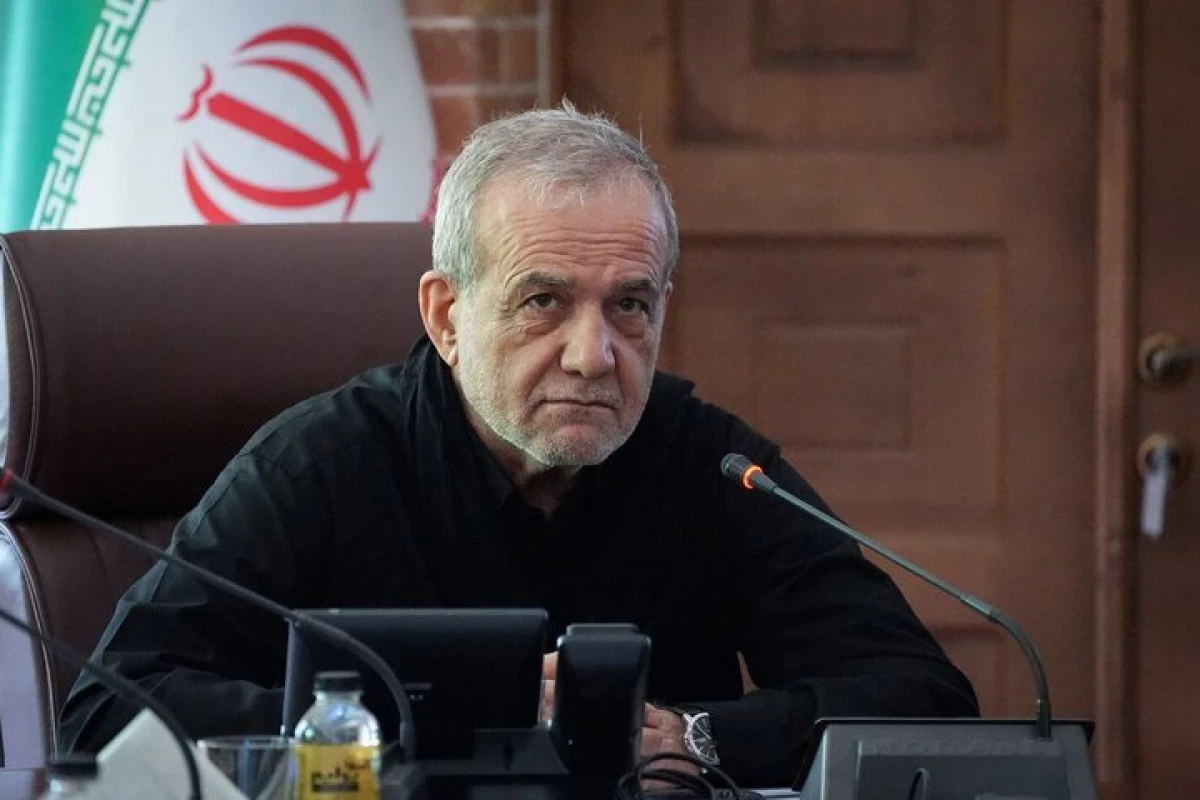
Iran president says country will receive $6bn of frozen funds held in Qatar
12:53
29 June 2026
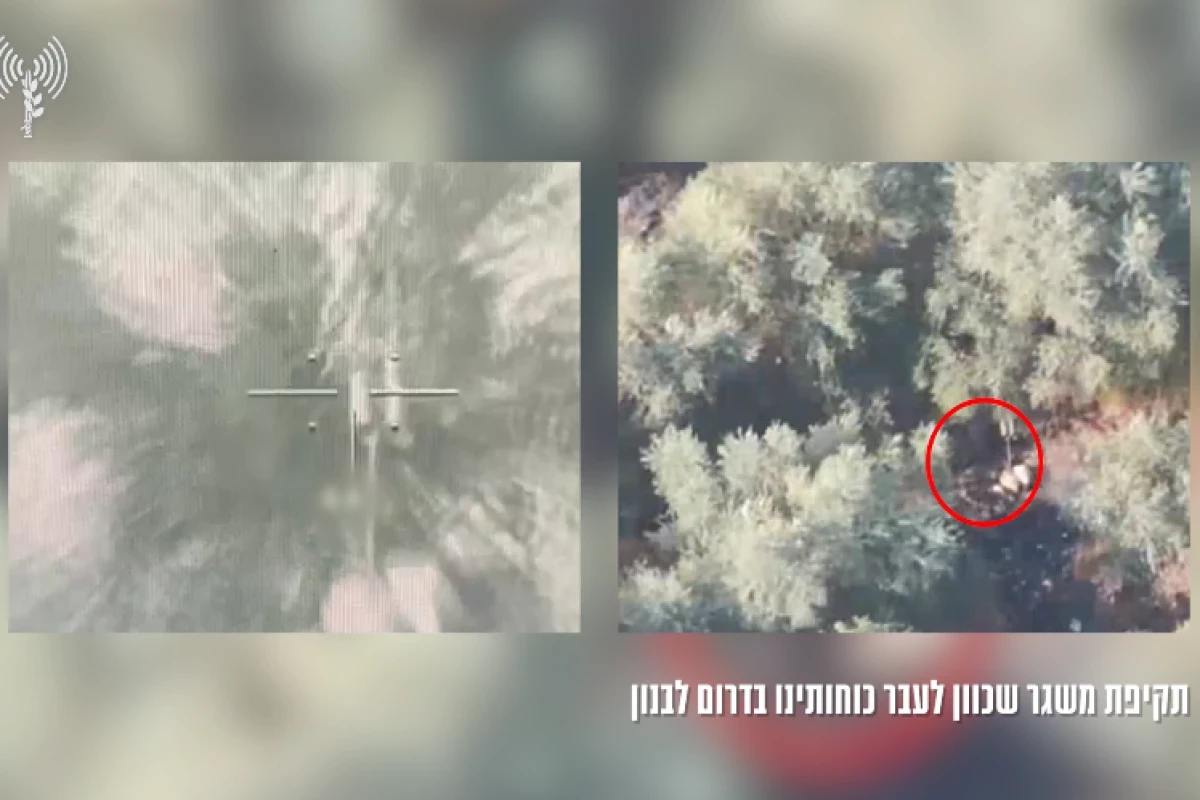
IDF: In response to Hezbollah violations, we struck 3 headquarters in southern Lebanon
11:50
29 June 2026

NEWS FEED
UN Secretary-General pointed out that terrorists are adapting to new technologies
20:48
29 June 2026
First meeting of the Digital Development Council held under the chairmanship of First Vice President Mehriban Aliyeva - PHOTO-UPDATED
20:15
29 June 2026
National Data Pool established in Azerbaijan
19:51
29 June 2026
Oman rejects Iran-backed tolls on ships crossing Strait of Hormuz
19:35
29 June 2026
Mehriban Aliyeva: Artificial intelligence is playing an increasingly central role in ensuring states' security
19:30
29 June 2026
Kazakhstan and Georgia sign strategic partnership agreement
18:58
29 June 2026
Ukraine says it struck three bridges, ammunition depot and command posts
18:24
29 June 2026
New round of Israel-Lebanon peace talks to be held on June 30 with US mediation
17:42
29 June 2026
Moscow reiterates objection to Armenia’s EU course while maintaining EAEU benefits
17:28
29 June 2026
Turkic World Week discusses dynamics of Turkic languages' development
17:18
29 June 2026
International conference on teaching Turkic languages, literature and history in the context of modern challenges held - PHOTO
17:17
29 June 2026
Galuzin: TRIPP's prospects are uncertain
17:11
29 June 2026
Dubai welcomes first flight from Tehran after Middle East conflict pauses
17:01
29 June 2026
White House: US is fulfilling its obligations under the ceasefire agreement with Iran
16:58
29 June 2026
Official Moscow: Armenia is not considering closing Russian military base in Gyumri
16:47
29 June 2026
Witkoff, Kushner to attend meeting with Iran, White House says
16:38
29 June 2026
Russian deputy FM: Moscow and Baku have resolved all issues related to AZAL plane crash
16:23
29 June 2026
Azerbaijani public rejects artificial campaign defending war criminals
16:21
29 June 2026
Russia's ballistic missile strike on Dnipro kills 5, injures 29 - UPDATED
16:16
29 June 2026
Five killed in shooting in northern Germany
16:13
29 June 2026
Plenary session held as part of Turkic World Week
16:09
29 June 2026
Trump says oil prices are falling
15:54
29 June 2026
Trump: 'Tehran requested meeting, it will take place tomorrow in Doha'
15:42
29 June 2026
EU countries inject 22 bcm of gas into underground storage for winter season
15:40
29 June 2026
100th anniversary of the First Turkological Congress to be marked at UNESCO
15:35
29 June 2026
Participants of First Turkological Congress centenary event visit Alley of Honor
15:31
29 June 2026
Azerbaijan approves visa-free agreement with Ecuador for holders of diplomatic and official passports
15:08
29 June 2026
Peskov: Our position on resolving the Ukraine conflict remains unchanged
14:50
29 June 2026
Iran denies that technical meeting with US expected in coming days
14:32
29 June 2026
Belarus to respond with full military potential if Ukraine crosses the border, deputy foreign minister says
14:25
29 June 2026
Russia says it intercepted more than 400 Ukrainian drones
14:14
29 June 2026
FSB arrests man planning to set fire to a synagogue — Russian media
14:07
29 June 2026
“Aibyn-2026” International Military-Patriotic Youth Gathering ends
13:07
29 June 2026
Iran president says country will receive $6bn of frozen funds held in Qatar
12:53
29 June 2026
Special conference to be held in Khankendi during Turkic World Week
12:52
29 June 2026
Turkic World Week dedicated to the 100th anniversary of the First Turkology Congress opens in Baku - UPDATED - PHOTO
12:47
29 June 2026
OTS Secretary General: 100th anniversary of the First Turkological Congress is of historical significance for our peoples
12:32
29 June 2026
Secretary General: Meeting held in Baku marks the beginning of a new stage in the history of the Turkic world
11:53
29 June 2026
Aghdam and Shusha to host Turkic World Week events
11:52
29 June 2026
Mirziyoyev: Turkology faces new tasks in the modern era
11:50
29 June 2026
IDF: In response to Hezbollah violations, we struck 3 headquarters in southern Lebanon
11:50
29 June 2026
Iran, Oman hold first meeting of joint committee on Hormuz, Iranian deputy FM says
11:41
29 June 2026
President Ilham Aliyev addresses participants of the First Turkological Congress centenary event - UPDATED
11:34
29 June 2026
Sadyr Japarov: The 100th anniversary of the First Turkological Congress will further strengthen friendship among Turkic peoples
11:25
29 June 2026
ANAMA discovers 73 more mines and 329 UXO in liberated territories
11:21
29 June 2026
Tokayev: Azerbaijan makes a significant contribution to strengthening ties among brotherly nations
11:19
29 June 2026
Pakistani strikes kill 36 civilians, wound 163: Afghan govt
11:07
29 June 2026
President: The progressive ideas put forward by the First Turkological Congress form the foundation of the projects successfully being implemented by OTS
11:04
29 June 2026
Erdoğan: Azerbaijan is contributing to the common goals of the Turkic states today
11:04
29 June 2026
President Ilham Aliyev: I am pleased that the initiative I put forward regarding the celebration of the 100th anniversary of the First Turkological Congress is being realized today
10:59
29 June 2026


