










Baku – APA. An agreement signed by the two main Iranian-backed Shiite blocs seeking to govern Iraq gives the final decision on all their political disputes to top Shiite clerics, according to a copy obtained by The Associated Press on Wednesday, APA reports quoting “Associated Pressâ€.
If the alliance succeeds in forming the next government, the provision could increase the role of senior clergy in politics. The provision would likely further alienate Iraq’s Sunni minority, which had been hoping the March election would boost their say in the country.
The newly announced alliance between the Shiite blocs practically ensures they will form the core of any new government and squeeze out the top vote getter, Ayad Allawi’s Iraqiya list, which received heavy Sunni support. But the terms of the alliance show the deep distrust between the two Shiite partners and seek to limit the powers of the prime minister.
A leading member of the prime minister’s coalition who signed the agreement on Tuesday confirmed it gives a small group of clerics led by Grand Ayatollah Ali al-Sistani the last word on any disputes between the two allied blocs. He spoke on condition of anonymity because of the sensitivity of the situation.
"The marjaiyah has the final say in solving all the disputes between the two sides and its directives and guidance are binding," the agreement said, referring to the religious Shiite leadership based in the holy city of Najaf.
The provision only applies to the alliance, not officially to any new government. But if the Shiite alliance dominates the next government, clerics would potentially have a direct say in policy.
In the past, Shiite politicians have often turned informally to al-Sistani for advice and to resolve disputes and the agreement would enshrine that role in writing.
Al-Sistani’s office declined to comment on the agreement.
The Iranian-born cleric, who is in his 80s, is the most revered religious figure among Shiites in Iraq — and many abroad. He offers his counsel behind the scenes to senior politicians who privately seek his guidance and support. But he has shunned a public role and opposes a Shiite philosophy governing Iran that gives direct rule to clerics.
Al-Sistani has played a major role in keeping stability while ensuring the unity and domination of the Shiites. But his inability to stop the brutal Shiite-Sunni violence of 2006 and 2007 has shown the limitations of his authority.
The deal is between Prime Minister Nouri al-Maliki’s State of Law coalition and the conservative Shiite Iraqi National Alliance, which comprises the Supreme Islamic Iraqi Council and followers of anti-U.S. cleric Muqtada al-Sadr.
Neighboring Iran, a Shiite theocracy where clerics have the final word on all matters of state, carries great influence with both groups and has long pushed for such an alliance.
Iraq’s Sunnis have been sidelined since the 2003 U.S.-led invasion toppled Saddam Hussein. The community threw its weight behind Iraqiya, which won 91 seats in the election — more than any other bloc but far short of the majority needed to govern.
Sunnis already were warning that excluding them from government could fuel new sectarian violence.
Abdul-Ilah Kazim, a Sunni lawmaker with the Iraqiya list, rejected the political influence of the Shiite clerics. "There is a sectarian flavor to this one-sect agreement from start to finish and certainly all the world and Iraqi people will get his message," he said.
In an interview Wednesday, before the details of the agreement were revealed, U.S. ambassador Christopher Hill said, "Sunnis have to be a part of the political process."
"You cannot run Iraq without having significant Sunni participation," he told The AP.
Marina Ottaway, the director of the Middle East program at the Washington-based Carnegie Endowment for International Peace. pointed out that in the past al-Sistani has pushed for greater inclusiveness in the Iraqi government.
"I would not be surprised if al-Sistani puts pressure on the Shiite alliance to reach out to other groups," she said.
One dispute that could potentially fall to al-Sistani is the question of who would be prime minister in a government led by the new Shiite coalition.
Most of the provisions in the agreement between the Shiite blocs appear designed to limit the power of the prime minister. The provisions also reflect the deep distrust with which various factions in the alliance regard each other, underlining the possibly tenuous nature of their agreement.
Those familiar with the meetings said many of these conditions came from the Sadrist trend, which was deeply unhappy with al-Maliki, who ordered a U.S.-Iraqi crackdown on Shiite militias in 2008.
The provisions require the prime minister to consult on all decisions with members of the alliance and prohibit him from trying to form his own electoral list. Policy issues are also to be determined by committees from each of the Shiite blocs, further limiting the premier’s role.
By putting in writing the role of the marjaiyah, the agreement also sets up a higher authority to the prime minister.
Iraqi political factions have been squabbling for weeks after the inconclusive March 7 vote for a new 325-seat parliament.
The latest developments are likely to further alienate the Sunnis, though by sheer numbers, the new Shiite alliance would not need their support to form a government.
It is only four seats shy of a majority in parliament and one of the points in the agreement signed Tuesday night said the pan-Shiite alliance intends to form an alliance with the powerful Kurdish coalition, which has 43 seats.
The Kurds, however, indicated they would seek a broader coalition.
"We are close to the Shiite blocs and we have a historical alliance with them, but we as a Kurdish coalition we are leaning toward forming a national unity government that includes all the main four winning blocs," said Fadhil Miran, an aide to Kurdish President Massoud Barzani. "We do not want a sectarian government and we do not want Iraqiya list to be excluded."
Another Sunni lawmaker with Iraqiya, Hamid al-Mutlaq, expressed hope the Shiite alliance would extend a hand to other parties if it gains power.
"We hope they give the winning bloc, the Iraqiya list, their due and at the very least not frustrate the will of the Iraqi people in the elections," he said.


 Follow us on Telegram
 t.me/apanewsaz
 Follow us on Instagram
 Follow us on TikTok
 Follow us on Facebook
 Follow us on X
Asia
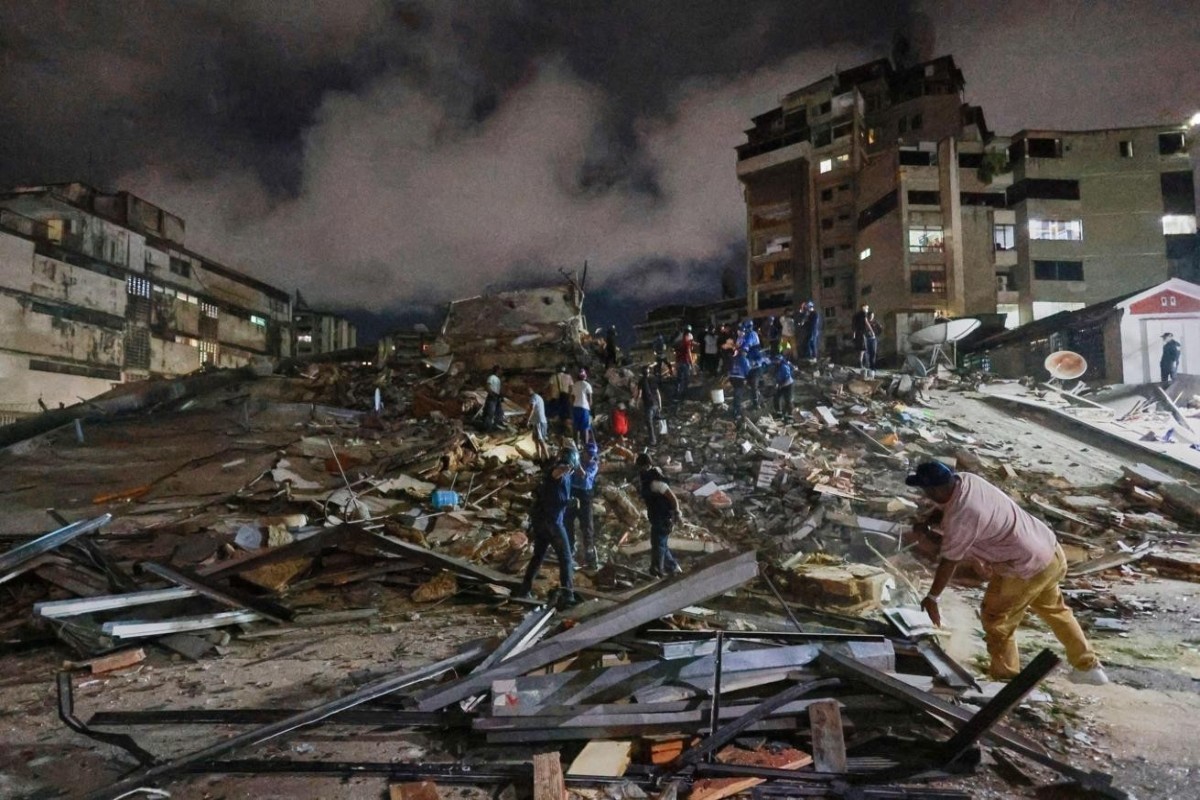
Death toll from Venezuela earthquake rises to 188 - UPDATED - 2 - VIDEO
 23:18
23:18
 25 June 2026
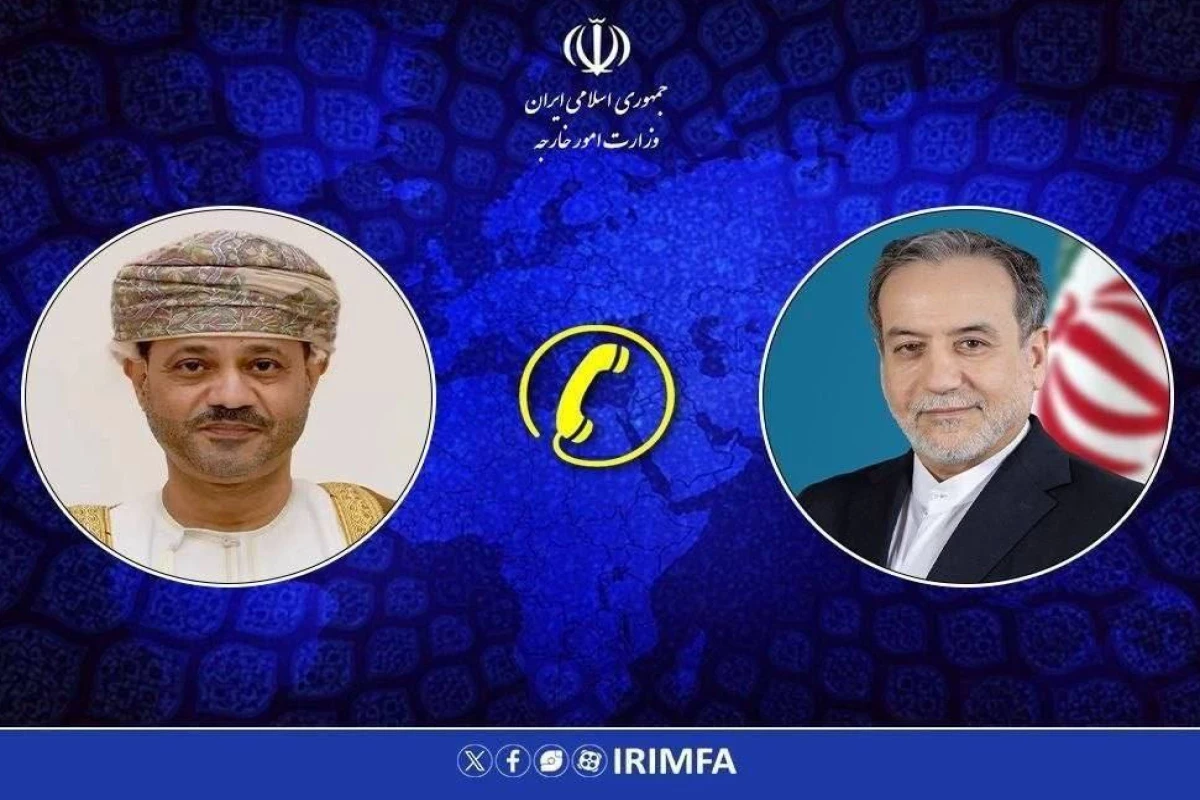
Iran, Oman stress need for coordination on Strait of Hormuz traffic in foreign minister call
16:44
25 June 2026
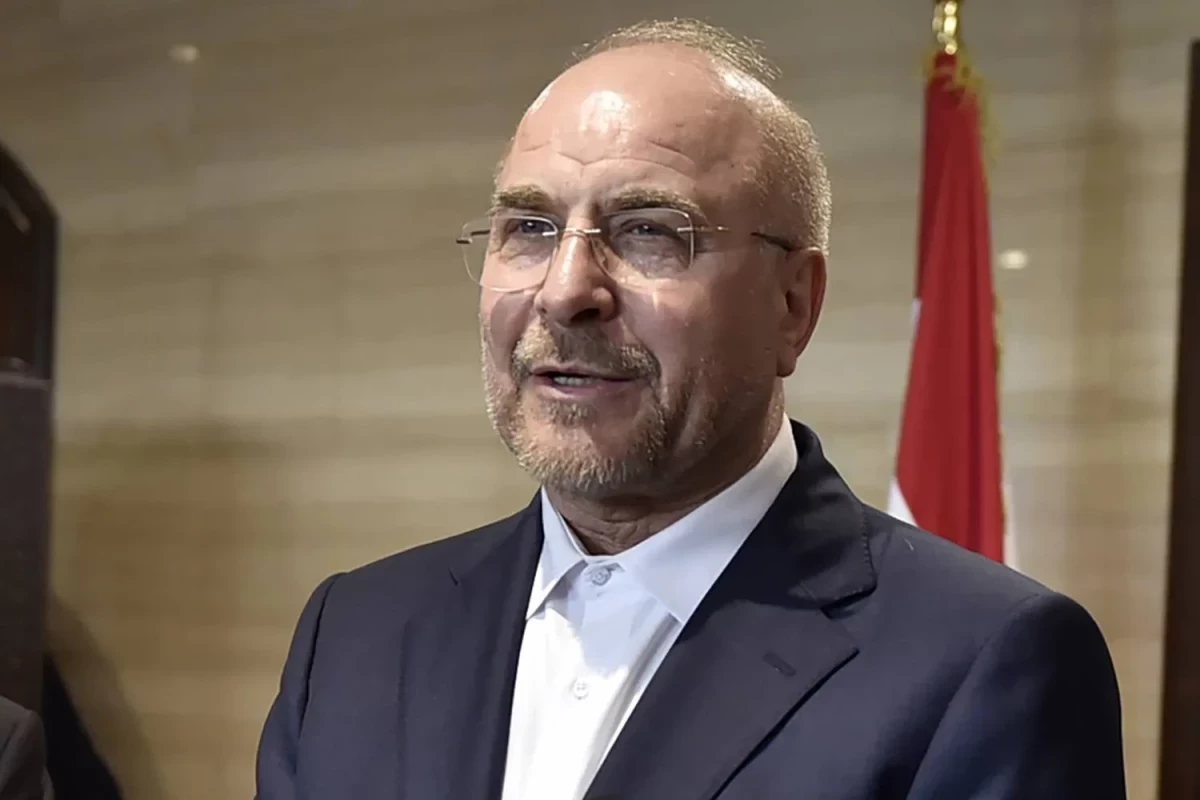
Ghalibaf criticizes US over claims regarding Iran's unfrozen assets
16:43
25 June 2026
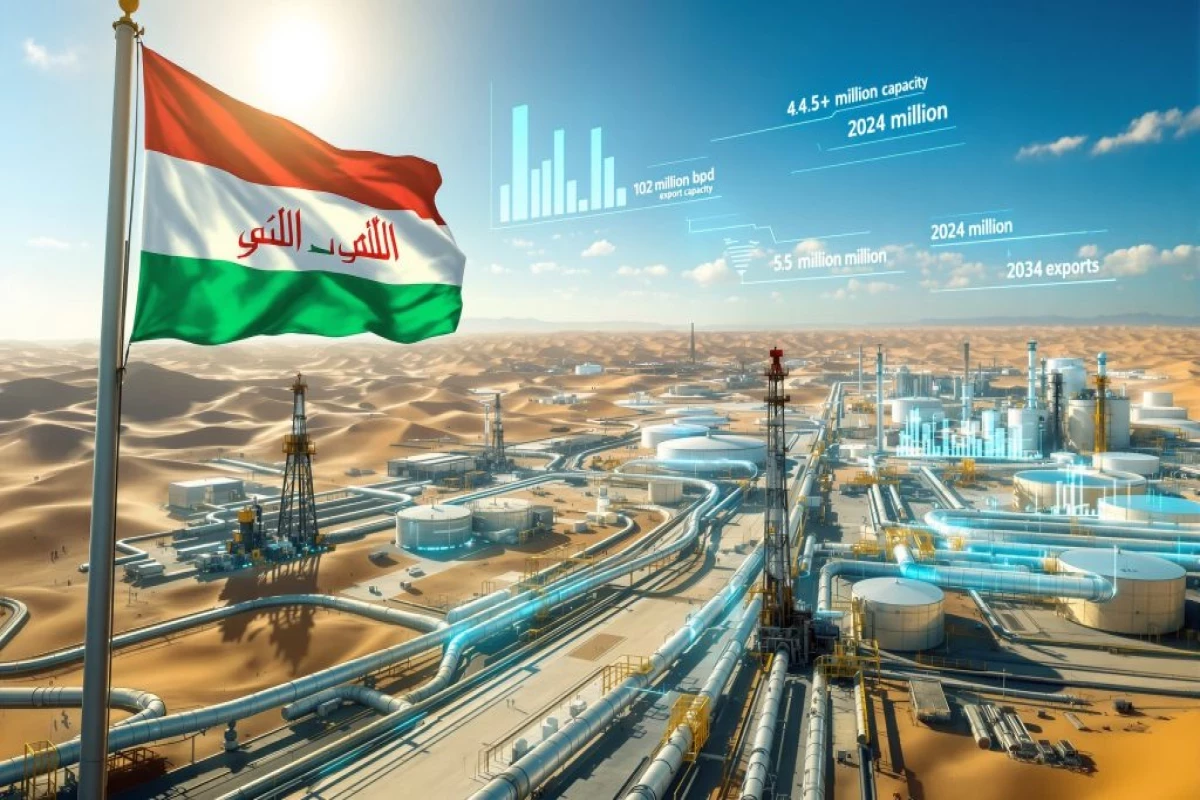
Iraqi Oil Ministry denies reports of potential OPEC exit, urges output quota reassessment-UPDATED
16:39
25 June 2026

NEWS FEED
Azerbaijan marks 108th anniversary of the establishment of its Armed Forces
00:00
26 June 2026
Death toll from Venezuela earthquake rises to 188 - UPDATED - 2 - VIDEO
23:18
25 June 2026
President Ilham Aliyev’s social media accounts featured video dedicated to the Azerbaijani Army
23:05
Audio
25 June 2026
US, Gulf countries reject possibility of tariffs in Strait of Hormuz
22:38
25 June 2026
President Ilham Aliyev’s social media accounts shared post on Armed Forces Day
22:04
Audio
25 June 2026
18 wagons of gasoline and 8 wagons of diesel fuel will be sent from Azerbaijan to Armenia
21:50
25 June 2026
Zelenskyy approves 40-day influence operation to pressure Russia into ending war
21:41
Audio
25 June 2026
Telephone conversation held between Azerbaijani, Turkmen Presidents
20:37
25 June 2026
Vice-President of the Heydar Aliyev Foundation Leyla Aliyeva meets with Head of the Vatican Apostolic Library and Apostolic Archive
20:14
25 June 2026
Ziya Öztürkler praises Azerbaijan's continued support for the TRNC
19:50
25 June 2026
Apple says removal of VK apps from App Store is due to sanctions compliance
19:34
25 June 2026
Ruben Rubinyan elected as candidate for Speaker of the National Assembly of Armenia
19:26
25 June 2026
Missile alert declared in Moscow region-UPDATED
19:16
25 June 2026
Hikmat Hajiyev discusses Azerbaijan–NATO partnership with Secretary General's Special Representative
18:59
25 June 2026
Armenian Prosecutor General's Office petitions CEC to authorize criminal prosecution of Gagik Tsarukyan
18:55
25 June 2026
Venezuela's foreign minister thanks Azerbaijan for solidarity following earthquake
18:16
25 June 2026
Azerbaijan and Kazakhstan agree on full transition to electronic permit system
18:10
25 June 2026
Rubio believes no final agreements reached in Anchorage
18:10
25 June 2026
US, Iran agree in principle to establish direct military communication channel, Vance says
18:09
25 June 2026
Rubio believes no final agreements reached in Anchorage
18:03
25 June 2026
Azerbaijan Army servicemen participate in Anatolian Eagle-2026 International Exercise-VIDEO
18:01
25 June 2026
Leadership of the Ministry of Defense visits Central Clinical Hospital - PHOTO
17:52
25 June 2026
Eight Azerbaijani cities to host military marches marking Armed Forces Day
17:45
25 June 2026
Azerbaijan MFA: Existing opportunities should be used to finalize peace process with Armenia
17:30
25 June 2026
Rubio says Israel, Lebanon close to commitment of intent
17:18
25 June 2026
Lukashenko: Peoples of Belarus, Russia, and Ukraine will be together sooner or later
17:09
25 June 2026
Romanian ambassador leaves Russian Foreign Ministry without comment
17:08
25 June 2026
Rubio: Iran's support for regional proxies should be addressed in memorandum talks
17:07
25 June 2026
Azerbaijan and Ukraine discuss current cooperation agenda
17:06
25 June 2026
Azerbaijan-Israel innovation dialogue held at Shimon Peres Center - PHOTO
17:02
25 June 2026
Iran, Oman stress need for coordination on Strait of Hormuz traffic in foreign minister call
16:44
25 June 2026
Ghalibaf criticizes US over claims regarding Iran's unfrozen assets
16:43
25 June 2026
Iraqi Oil Ministry denies reports of potential OPEC exit, urges output quota reassessment-UPDATED
16:39
25 June 2026
President Ilham Aliyev signs order awarding Defense Ministry servicemen
16:31
25 June 2026
Azerbaijan's President awards fallen servicemen posthumously
16:31
25 June 2026
Military Institute named after Heydar Aliyev holds another graduation ceremony - PHOTO - VIDEO
16:26
25 June 2026
Azerbaijan establishes "Intellectual Customs" information system
16:24
25 June 2026
President Ilham Aliyev awards major general rank to five Defense Ministry servicemen
16:23
25 June 2026
Ashura blood donation campaign concludes in Azerbaijan, 1,269.45 liters of blood collected -PHOTO-UPDATED-1
16:21
25 June 2026
Rubio: No Gulf country supports charging fees for passage through the Strait of Hormuz
16:14
25 June 2026
Hikmat Hajiyev, Macron's adviser review state of Azerbaijan-France relations
16:10
25 June 2026
Azerbaijani cadet awarded Italy's "Sword of Honor"
16:00
25 June 2026
Azerbaijan establishes budget-funded organizations based on several public legal entities - DECREE
16:00
25 June 2026
Defense minister: Azerbaijani Armed Forces are among the strongest militaries in the region
15:56
25 June 2026
US sends search and rescue teams to Venezuela after deadly earthquake
15:55
25 June 2026
Citizens of Kyrgyzstan and Tajikistan graduate with honors from Heydar Aliyev Military Institute
15:53
25 June 2026
More than 90 kg of marijuana found in truck carrying cauliflower from Iran to Russia - PHOTO
15:47
25 June 2026
Azerbaijan's Foreign Minister attends Ukraine Recovery Conference in Poland
15:38
25 June 2026
Azerbaijan joins International Convention on the Control of Harmful Anti-Fouling Systems on Ships
15:25
25 June 2026
Charter of the State Medical Insurance and Expertise Agency approved-DECREE
15:24
25 June 2026


