










Baku – APA. Chinese Premier Wen Jiabao spent Friday visiting earthquake survivors on the Tibetan plateau in western China and urging on rescue crews, as China’s leaders took a high-profile, hands-on approach to dealing with the disaster that struck one of the country’s most troubled ethnic-minority areas, APA reports quoting “The Wall Street Journalâ€.
More than 790 people were confirmed dead and nearly 300 others were listed as missing, authorities said Friday, in the wake of Wednesday’s quake in Qinghai province’s remote Yushu prefecture. Yushu’s population is predominantly Tibetan, and the area was the scene of anti-government protests in 2008, when unrest swept many Tibetan parts of China.
"We will make all-out efforts to build a new Yushu," Mr. Wen, a member of China’s majority Han ethnic group, promised residents Friday, according to state media. "Whether you are Tibetan or Han, we are all from one family and we need to take care of each other."
During an unusually long visit to the scene of the earthquake, where he arrived Thursday evening, Mr. Wen went to the site of a collapsed vocational school, visited injured people in tents behind a local hospital and oversaw a meeting of emergency workers. On Friday he talked with orphaned children and visited a Tibetan Buddhist monastery.
"Your suffering is our suffering," Mr. Wen told townspeople in Jiegu, where most residents are Tibetan.
The government has ordered a massive deployment of soldiers, troops from the paramilitary People’s Armed Police as well as firefighters and other emergency workers to the quake zone. Officials said Friday that more than 10,000 rescuers were on the ground in Yushu, tending to thousands of injured and searching for additional survivors.
Tents, quilts and warm clothing as well as instant noodles, drinking water and other government supplies were also starting to arrive Friday, as state media broadcast images of the devastation in Yushu. Chinese President Hu Jintao decided to cut short a trip to Latin America and return to China.
Analysts say the tragedy is an opportunity for the government to show its commitment to helping members of a minority ethnic group. "If rescue and relief efforts go well, relations will be better" between the government and Tibetans, predicted Zhang Zhirong, a Tibet scholar at Peking University.
Relief efforts after the 2008 Sichuan earthquake generated significant public support for the government. The tragedy, in which more than 80,000 people died or went missing, also became a patriotic rallying point for Chinese and prompted an outpouring of donations and other assistance from people nationwide.
Tibetans have long complained about government restrictions on their civil rights and religious practices. And many feel they have been largely excluded from China’s economic boom. All of that contributed to a surge in unrest across Tibetan areas ahead of the Beijing Olympics in 2008.
Chinese leaders responded by blanketing the Tibet Autonomous Region as well as Tibetan areas in Qinghai and other provinces with troops and paramilitary armed police. Large numbers of people were detained. And Han public opinion soured on Tibetans and other minorities, who are often viewed as receiving preferential, affirmative action-type treatment.
People’s Daily, the official mouthpiece of the Communist Party, ran an editorial Friday describing Yushu as an "ethnic-minority-dominated, poverty-stricken region." It called on Chinese to "save lives and treat the wounded at any cost." People sympathized with victims online. One wrote: "Condolences to the victims who are our ethnic-minority compatriots."
Rescuers in Yushu faced serious obstacles, including altitude sickness—Yushu is about 4,000 meters, or 13,000 feet, above sea level—cold weather, aftershocks and the sheer scale of the devastation. More than 15,000 homes—many of traditional wood and earth construction—were destroyed, and more than 100,000 people left in need of relocation, according to the Ministry of Civil Affairs.
"It’s too early to tell" how the government’s disaster response will affect relations with Tibetans, said Phelim Kine of U.S.-based advocacy group Human Rights Watch. He said the group’s main concern was that Beijing’s political sensitivities not interfere with the ability of nongovernmental groups to participate in the relief effort.


 Follow us on Telegram
 t.me/apanewsaz
 Follow us on Instagram
 Follow us on TikTok
 Follow us on Facebook
 Follow us on X
Asia
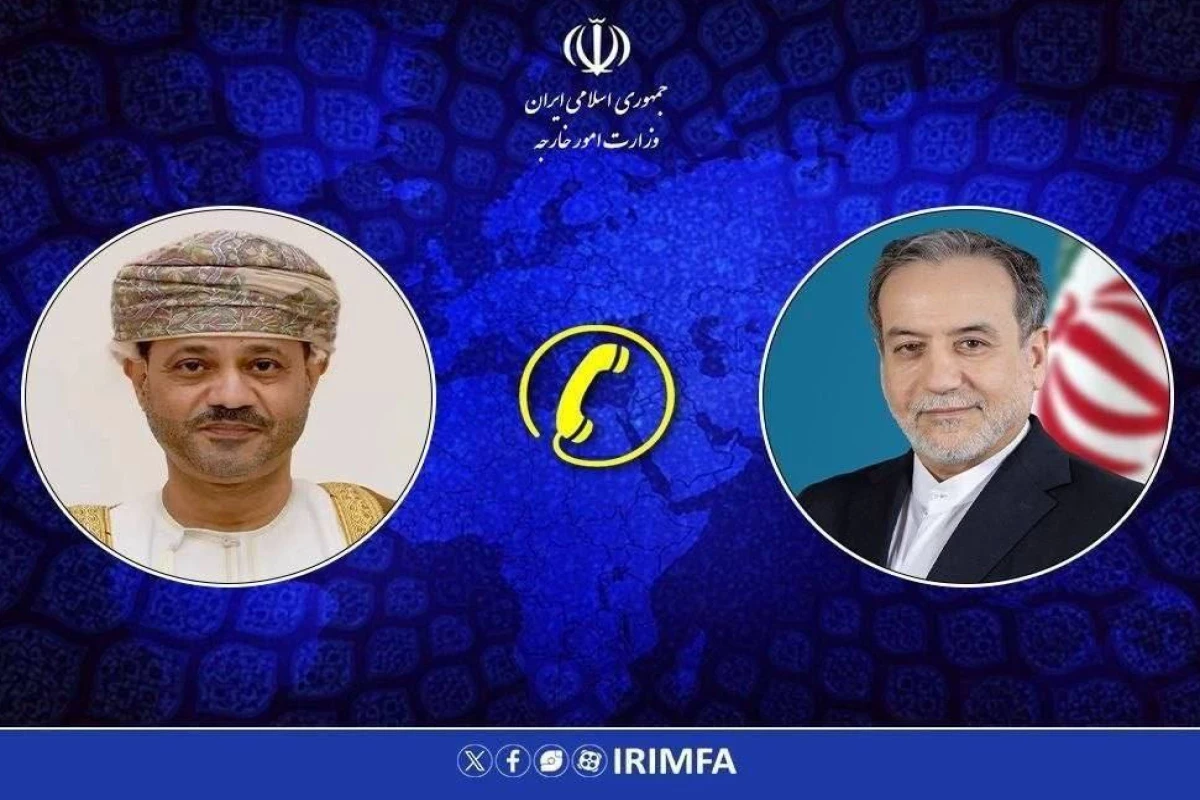
Iran, Oman stress need for coordination on Strait of Hormuz traffic in foreign minister call
 16:44
16:44
 25 June 2026

Ghalibaf criticizes US over claims regarding Iran's unfrozen assets
16:43
25 June 2026
Iraqi Oil Ministry denies reports of potential OPEC exit, urges output quota reassessment-UPDATED
16:39
25 June 2026
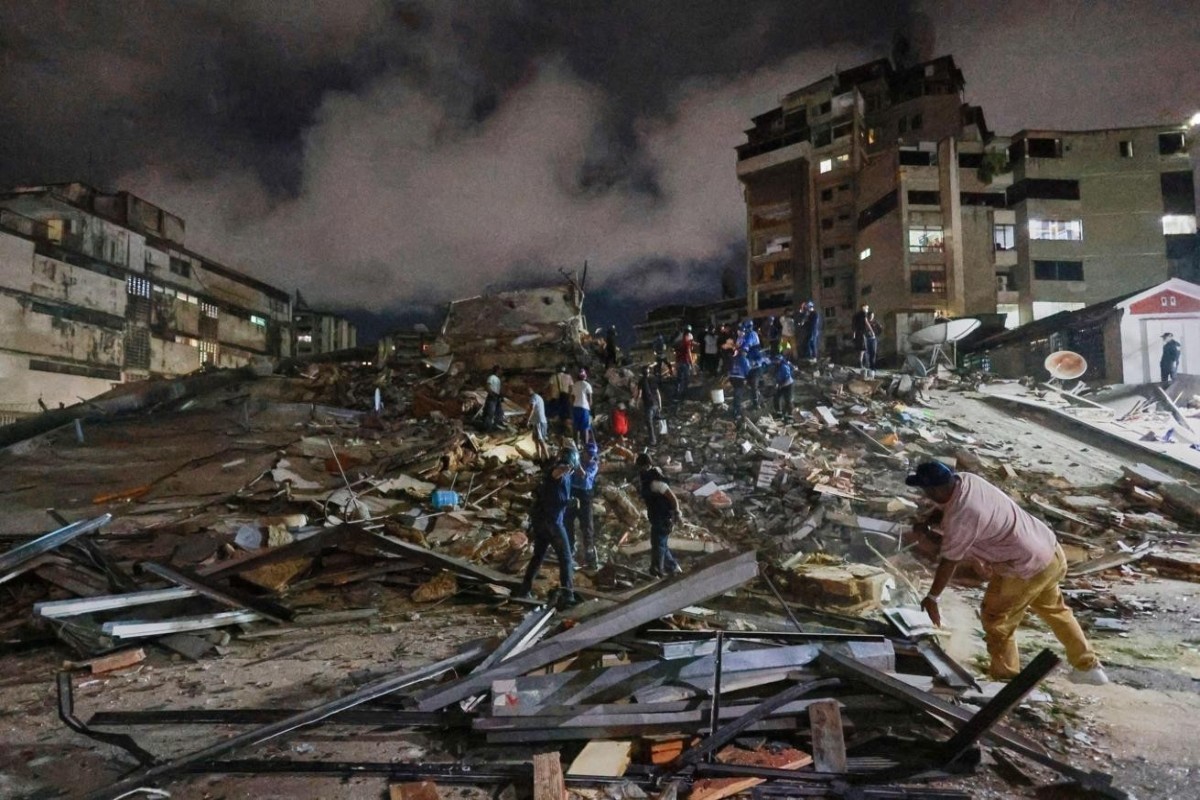
Death toll from Venezuela earthquake rises to 164 - UPDATED - 1 - VIDEO
14:52
25 June 2026

NEWS FEED
Apple says removal of VK apps from App Store is due to sanctions compliance
19:34
25 June 2026
Ruben Rubinyan elected as candidate for Speaker of the National Assembly of Armenia
19:26
25 June 2026
Missile alert declared in Moscow region-UPDATED
19:16
25 June 2026
Hikmat Hajiyev discusses Azerbaijan–NATO partnership with Secretary General's Special Representative
18:59
25 June 2026
Armenian Prosecutor General's Office petitions CEC to authorize criminal prosecution of Gagik Tsarukyan
18:55
25 June 2026
Venezuela's foreign minister thanks Azerbaijan for solidarity following earthquake
18:16
25 June 2026
Azerbaijan and Kazakhstan agree on full transition to electronic permit system
18:10
25 June 2026
Rubio believes no final agreements reached in Anchorage
18:10
25 June 2026
US, Iran agree in principle to establish direct military communication channel, Vance says
18:09
25 June 2026
Rubio believes no final agreements reached in Anchorage
18:03
25 June 2026
Azerbaijan Army servicemen participate in Anatolian Eagle-2026 International Exercise-VIDEO
18:01
25 June 2026
Leadership of the Ministry of Defense visits Central Clinical Hospital - PHOTO
17:52
25 June 2026
Eight Azerbaijani cities to host military marches marking Armed Forces Day
17:45
25 June 2026
Azerbaijan MFA: Existing opportunities should be used to finalize peace process with Armenia
17:30
25 June 2026
Rubio says Israel, Lebanon close to commitment of intent
17:18
25 June 2026
Lukashenko: Peoples of Belarus, Russia, and Ukraine will be together sooner or later
17:09
25 June 2026
Romanian ambassador leaves Russian Foreign Ministry without comment
17:08
25 June 2026
Rubio: Iran's support for regional proxies should be addressed in memorandum talks
17:07
25 June 2026
Azerbaijan and Ukraine discuss current cooperation agenda
17:06
25 June 2026
Azerbaijan-Israel innovation dialogue held at Shimon Peres Center - PHOTO
17:02
25 June 2026
Iran, Oman stress need for coordination on Strait of Hormuz traffic in foreign minister call
16:44
25 June 2026
Ghalibaf criticizes US over claims regarding Iran's unfrozen assets
16:43
25 June 2026
Iraqi Oil Ministry denies reports of potential OPEC exit, urges output quota reassessment-UPDATED
16:39
25 June 2026
President Ilham Aliyev signs order awarding Defense Ministry servicemen
16:31
25 June 2026
Azerbaijan's President awards fallen servicemen posthumously
16:31
25 June 2026
Military Institute named after Heydar Aliyev holds another graduation ceremony - PHOTO - VIDEO
16:26
25 June 2026
Azerbaijan establishes "Intellectual Customs" information system
16:24
25 June 2026
President Ilham Aliyev awards major general rank to five Defense Ministry servicemen
16:23
25 June 2026
Ashura blood donation campaign concludes in Azerbaijan, 1,269.45 liters of blood collected -PHOTO-UPDATED-1
16:21
25 June 2026
Rubio: No Gulf country supports charging fees for passage through the Strait of Hormuz
16:14
25 June 2026
Hikmat Hajiyev, Macron's adviser review state of Azerbaijan-France relations
16:10
25 June 2026
Azerbaijani cadet awarded Italy's "Sword of Honor"
16:00
25 June 2026
Azerbaijan establishes budget-funded organizations based on several public legal entities - DECREE
16:00
25 June 2026
Defense minister: Azerbaijani Armed Forces are among the strongest militaries in the region
15:56
25 June 2026
US sends search and rescue teams to Venezuela after deadly earthquake
15:55
25 June 2026
Citizens of Kyrgyzstan and Tajikistan graduate with honors from Heydar Aliyev Military Institute
15:53
25 June 2026
More than 90 kg of marijuana found in truck carrying cauliflower from Iran to Russia - PHOTO
15:47
25 June 2026
Azerbaijan's Foreign Minister attends Ukraine Recovery Conference in Poland
15:38
25 June 2026
Azerbaijan joins International Convention on the Control of Harmful Anti-Fouling Systems on Ships
15:25
25 June 2026
Charter of the State Medical Insurance and Expertise Agency approved-DECREE
15:24
25 June 2026
Azercell launches “Əsgərcell” offer on the occasion of 26 June – Armed Forces Day
15:23
25 June 2026
Azerbaijan recalls ambassador to Uzbekistan
15:14
25 June 2026
Financial results of "AzerGold" CJSC and its subsidiaries for year-end 2025 announced
15:14
25 June 2026
Azerbaijani delegation explores advanced pediatric rehabilitation practices in Israel
15:08
25 June 2026
Kremlin urges Russians to switch to Android and "national systems" after VK app removed from App Store
15:06
25 June 2026
Russia says nearly 170,000 Ukrainian drones shot down since war began
14:57
25 June 2026
Kremlin comments on Zelenskyy's statement about Belarusian retransmitters
14:54
25 June 2026
Azerbaijani Parliament reveals date and agenda of its next session
14:52
25 June 2026
Death toll from Venezuela earthquake rises to 164 - UPDATED - 1 - VIDEO
14:52
25 June 2026
French navy has intercepted another Russian 'shadow fleet' tanker, Macron says
14:51
25 June 2026


