










Baku – APA. Kandahar residents have seen a surge in militant violence and fear a planned Western offensive to rout the Taliban will instead boost its presence in their city. Authorities get little cooperation, APA reports quoting “The Los Angeles Timesâ€.
Reporting from Kandahar, Afghanistan
Her children tell her they see her dead in their dreams. Friends are afraid to come to her home. She shows a visitor chilling text messages in neat Pashto-language script on her cellphone: Do you want to die? We will kill you for what you’ve said.
Roona Tahrin, 38, a women’s rights activist and mother of six, believes she is in the Taliban’s sights. Her predecessor as director of this city’s department of women’s affairs was killed; in late February, three days after a provincial cultural official was gunned down by assailants on motorbikes, she received a text telling her she was next.
Disciples of the Taliban never abandoned Kandahar, the city they consider their spiritual home. After the U.S.-led invasion in 2001 that ended the Islamist movement’s harsh five-year reign in Afghanistan, many of its adherents simply melted into this dusty southern metropolis.
These days, though, the insurgents’ presence is more keenly felt than at any time in recent memory. Assassinations, threats and kidnappings are rife. Swaths of the city are off limits to the police. At dusk, people glance at their watches and cut short conversations; it is dangerous to be out after dark.
The Western military is planning a massive offensive in Kandahar this spring and summer that will dwarf the campaign led by U.S. Marines this year in neighboring Helmand province, centered on the farming town of Marja.
But many here are afraid that the military operation to secure Kandahar’s outlying districts, already in its preliminary stages, will simply drive more insurgents into the city proper and put its 1 million residents in even greater peril.
Tahrin believes she was marked for death after she told a women’s gathering that Islamic teachings do not dictate that women must cover themselves with the burka, the billowing head-to-toe garment that almost all women in Kandahar now wear in public.
Her life grows more circumscribed by the day. She keeps her children home from school. She varies her routes to work and back again. Even a doctor’s appointment seems too dangerous. No one wants to travel with her to events such as weddings, the familial lifeblood of this tribal society.
"We live like prisoners," she said. "We are terrorized."
Because the Taliban is so entwined in daily life in Kandahar, many here doubt that a military operation alone can dislodge its loyalists.
"The Taliban can do anything they want here," said shopkeeper Suleiman Shah Agha, who sells clothing in a bazaar mainly frequented by women. His spangled, glittery wares hung all around him, a stark contrast to the few burka-covered women hurrying past, eager to finish their errands and get home.
In the city itself, the occasional presence of Western troops, mainly Canadian, inspires more nervousness than confidence.
On a recent day, a convoy of armored vehicles drove slowly through a central market, gun turrets swiveling. Passersby shrank back into shops selling wicker bird cages and inflatable toys, watching and waiting for the foreigners to move on.
In mid-March, after insurgents staged synchronized bombings one evening that killed at least three dozen people in and near Kandahar, the central government promised to rush in 900 more Afghan police officers to form a protective "band" around the city. An additional 1,000 police are to be deployed elsewhere in the province this spring and summer.
But Taliban fighters have been working to sap the morale of the police. Before the March bombings, insurgents methodically attacked lone police officers wherever they could find them, brazenly gunning them down in the heart of the city.
Jamaluddin, a 25-year-old driver who uses only one name, is mourning the death of his older brother Kairuddin, a police officer who was shot and killed last month in a crowded downtown bazaar.
"He was shot four times, and everyone was afraid to come near him, and he lay there all alone," Jamaluddin said, twisting his hands together.
Jamaluddin put off his upcoming marriage because he does not know how he will financially support a wife as well as his widowed sister-in-law and her two children.
"They are my responsibility now," he said bleakly.
Although some police officers perform their jobs bravely, corruption is rampant on the force, particularly in its upper ranks. Most people are reluctant to report suspected insurgents to the authorities; the police, they say, will either do nothing, or pick a suspect up and quickly let him go again.
Kandahar residents have seen a surge in militant violence and fear a planned Western offensive to rout the Taliban will instead boost its presence in their city. Authorities get little cooperation.
Residents said an arrest in their neighborhood or district can have deadly repercussions. After such detentions, Taliban foot soldiers sometimes stop people at random and demand to see their cellphones, apparently to find out whether the list of calls includes any contact with the authorities.
As the North Atlantic Treaty Organization operation draws near, anyone with a connection to the government or to foreigners feels in particular danger.
An Afghan working for an international aid group, who asked to be identified only by his nickname, Fawad, said he broke into a cold sweat when he saw three men reconnoitering his office on a recent morning.
He drove around the block a few times, waiting for them to leave, but also trying to steady his nerves.
"I don’t tell anyone where I work, only my closest family members," he said. "I feel watched, and I’m afraid. But I need this job to support my family."
One centerpiece of the planned Western offensive is an intensive series of shuras, or consultative tribal gatherings, meant to hold out a promise of better governance once the militants’ grip on the city is broken.
Haji Aghalalai, a Kandahar provincial council member, said people at one such gathering in Panjwayi district, on Kandahar’s outskirts, said they were afraid that the Taliban, even if driven out, would soon return.
"They were saying if this operation moves the Taliban out permanently, it is fine," he said. "But if the troops leave so the Taliban come back, they don’t want it."
Aghalalai, who has served as an intermediary with the insurgents, said the Taliban operates freely in at least three districts close to the city -- Argandab, Maiwand and Panjwayi -- despite a large Western military presence.
Afghan authorities say even a decisive military victory in such troubled districts will do little good unless the government can win over a war-weary populace.
"More troops aren’t the solution. We need jobs and development," said Kandahar Gov. Tooryalai Wesa, who spends his days sequestered in a fortress-like compound surrounded by security guards.
On a recent day, the complex was nearly deserted, devoid of the turbaned tribal elders and leathery-faced village leaders who used to flock there for aid and consultation. It is too dangerous for them to travel now, the governor said.
Tahrin, the women’s activist, said one day soon she may have to heed the warnings to abandon her work.
"Everyone says to me, «Just quit your job, it is not worth your life», she said. "It is so sad, because I want to help women. But I don’t know who can help any of us now."


 Follow us on Telegram
 t.me/apanewsaz
 Follow us on Instagram
 Follow us on TikTok
 Follow us on Facebook
 Follow us on X
Asia
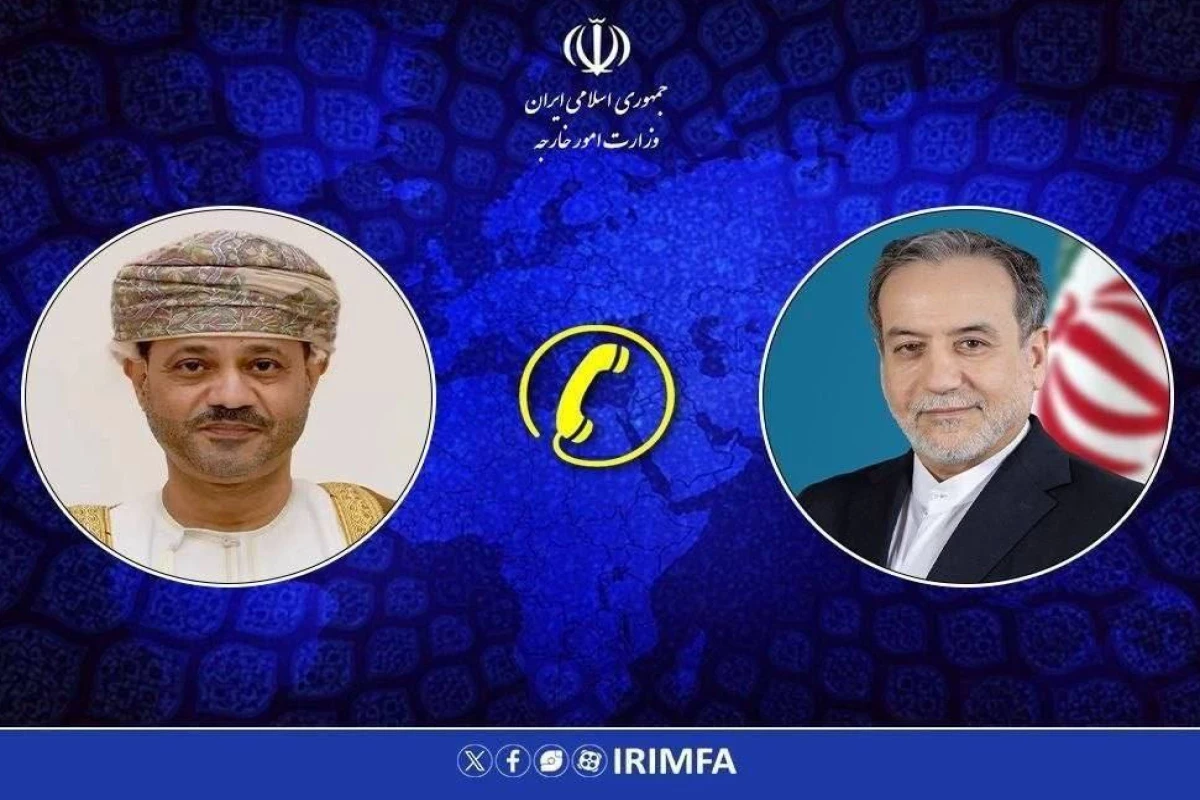
Iran, Oman stress need for coordination on Strait of Hormuz traffic in foreign minister call
 16:44
16:44
 25 June 2026

Ghalibaf criticizes US over claims regarding Iran's unfrozen assets
16:43
25 June 2026
Iraqi Oil Ministry denies reports of potential OPEC exit, urges output quota reassessment-UPDATED
16:39
25 June 2026
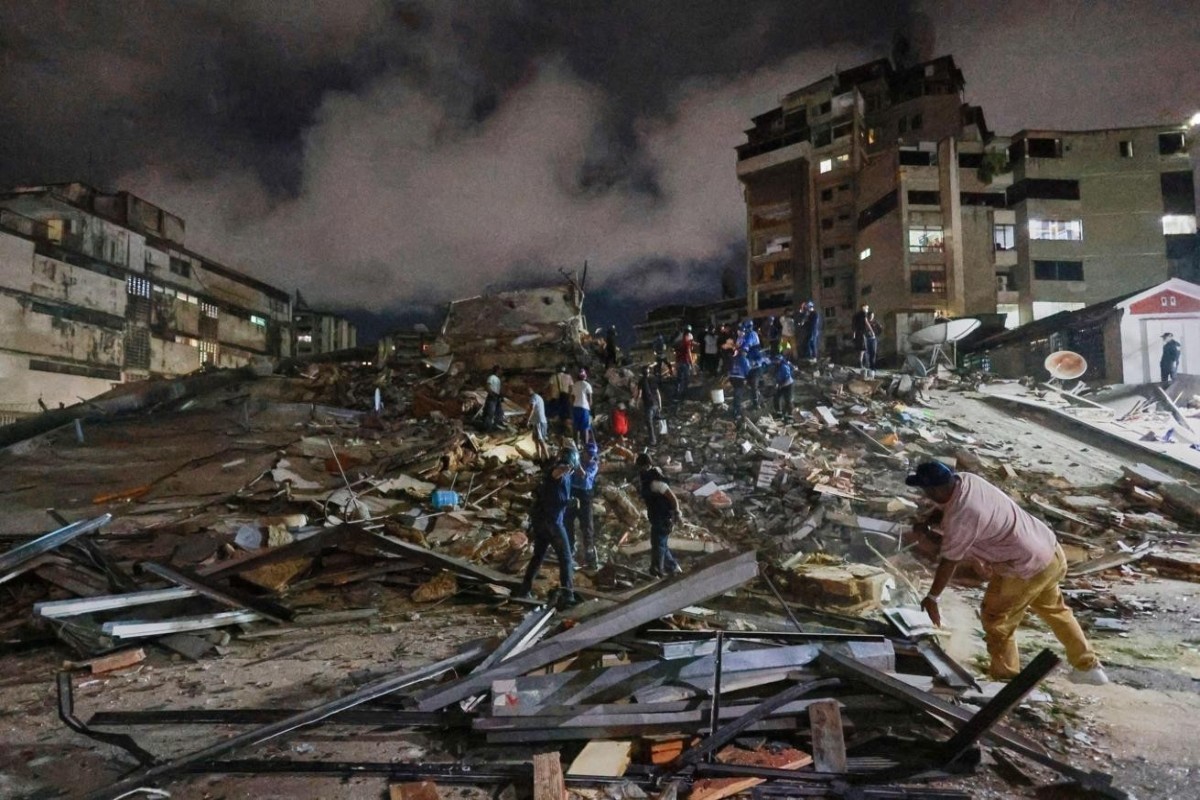
Death toll from Venezuela earthquake rises to 164 - UPDATED - 1 - VIDEO
14:52
25 June 2026

NEWS FEED
Apple says removal of VK apps from App Store is due to sanctions compliance
19:34
25 June 2026
Ruben Rubinyan elected as candidate for Speaker of the National Assembly of Armenia
19:26
25 June 2026
Missile alert declared in Moscow region-UPDATED
19:16
25 June 2026
Hikmat Hajiyev discusses Azerbaijan–NATO partnership with Secretary General's Special Representative
18:59
25 June 2026
Armenian Prosecutor General's Office petitions CEC to authorize criminal prosecution of Gagik Tsarukyan
18:55
25 June 2026
Venezuela's foreign minister thanks Azerbaijan for solidarity following earthquake
18:16
25 June 2026
Azerbaijan and Kazakhstan agree on full transition to electronic permit system
18:10
25 June 2026
Rubio believes no final agreements reached in Anchorage
18:10
25 June 2026
US, Iran agree in principle to establish direct military communication channel, Vance says
18:09
25 June 2026
Rubio believes no final agreements reached in Anchorage
18:03
25 June 2026
Azerbaijan Army servicemen participate in Anatolian Eagle-2026 International Exercise-VIDEO
18:01
25 June 2026
Leadership of the Ministry of Defense visits Central Clinical Hospital - PHOTO
17:52
25 June 2026
Eight Azerbaijani cities to host military marches marking Armed Forces Day
17:45
25 June 2026
Azerbaijan MFA: Existing opportunities should be used to finalize peace process with Armenia
17:30
25 June 2026
Rubio says Israel, Lebanon close to commitment of intent
17:18
25 June 2026
Lukashenko: Peoples of Belarus, Russia, and Ukraine will be together sooner or later
17:09
25 June 2026
Romanian ambassador leaves Russian Foreign Ministry without comment
17:08
25 June 2026
Rubio: Iran's support for regional proxies should be addressed in memorandum talks
17:07
25 June 2026
Azerbaijan and Ukraine discuss current cooperation agenda
17:06
25 June 2026
Azerbaijan-Israel innovation dialogue held at Shimon Peres Center - PHOTO
17:02
25 June 2026
Iran, Oman stress need for coordination on Strait of Hormuz traffic in foreign minister call
16:44
25 June 2026
Ghalibaf criticizes US over claims regarding Iran's unfrozen assets
16:43
25 June 2026
Iraqi Oil Ministry denies reports of potential OPEC exit, urges output quota reassessment-UPDATED
16:39
25 June 2026
President Ilham Aliyev signs order awarding Defense Ministry servicemen
16:31
25 June 2026
Azerbaijan's President awards fallen servicemen posthumously
16:31
25 June 2026
Military Institute named after Heydar Aliyev holds another graduation ceremony - PHOTO - VIDEO
16:26
25 June 2026
Azerbaijan establishes "Intellectual Customs" information system
16:24
25 June 2026
President Ilham Aliyev awards major general rank to five Defense Ministry servicemen
16:23
25 June 2026
Ashura blood donation campaign concludes in Azerbaijan, 1,269.45 liters of blood collected -PHOTO-UPDATED-1
16:21
25 June 2026
Rubio: No Gulf country supports charging fees for passage through the Strait of Hormuz
16:14
25 June 2026
Hikmat Hajiyev, Macron's adviser review state of Azerbaijan-France relations
16:10
25 June 2026
Azerbaijani cadet awarded Italy's "Sword of Honor"
16:00
25 June 2026
Azerbaijan establishes budget-funded organizations based on several public legal entities - DECREE
16:00
25 June 2026
Defense minister: Azerbaijani Armed Forces are among the strongest militaries in the region
15:56
25 June 2026
US sends search and rescue teams to Venezuela after deadly earthquake
15:55
25 June 2026
Citizens of Kyrgyzstan and Tajikistan graduate with honors from Heydar Aliyev Military Institute
15:53
25 June 2026
More than 90 kg of marijuana found in truck carrying cauliflower from Iran to Russia - PHOTO
15:47
25 June 2026
Azerbaijan's Foreign Minister attends Ukraine Recovery Conference in Poland
15:38
25 June 2026
Azerbaijan joins International Convention on the Control of Harmful Anti-Fouling Systems on Ships
15:25
25 June 2026
Charter of the State Medical Insurance and Expertise Agency approved-DECREE
15:24
25 June 2026
Azercell launches “Əsgərcell” offer on the occasion of 26 June – Armed Forces Day
15:23
25 June 2026
Azerbaijan recalls ambassador to Uzbekistan
15:14
25 June 2026
Financial results of "AzerGold" CJSC and its subsidiaries for year-end 2025 announced
15:14
25 June 2026
Azerbaijani delegation explores advanced pediatric rehabilitation practices in Israel
15:08
25 June 2026
Kremlin urges Russians to switch to Android and "national systems" after VK app removed from App Store
15:06
25 June 2026
Russia says nearly 170,000 Ukrainian drones shot down since war began
14:57
25 June 2026
Kremlin comments on Zelenskyy's statement about Belarusian retransmitters
14:54
25 June 2026
Azerbaijani Parliament reveals date and agenda of its next session
14:52
25 June 2026
Death toll from Venezuela earthquake rises to 164 - UPDATED - 1 - VIDEO
14:52
25 June 2026
French navy has intercepted another Russian 'shadow fleet' tanker, Macron says
14:51
25 June 2026


