










ecretary of State Hillary Rodham Clinton called the transitional leader, Roza Otunbayeva, in Bishkek, the capital, late in the evening Saturday, according to Ms. Otunbayeva’s chief of staff.
The new government here also has been moving quickly to solidify its relations with Russia. About an hour before Mrs. Clinton called, the prime minister of Russia, Vladimir V. Putin, put in a second courtesy call since the government was overthrown on Wednesday.
Any eclipsing of American influence here by a quick Russian embrace of the new government could prove troublesome for the United States’ military operations in Afghanistan. An airport outside Bishkek is used as an American military base to transfer soldiers from chartered civilian airplanes to military aircraft as they enter Afghanistan.
Earlier in the day Saturday, he United States Embassy issued a statement that stopped short of endorsing the new government.
“We remain a committed partner to the development of Kyrgyzstan for the benefit of the Kyrgyz people and intend to continue to support the economic and democratic development of the country,†the statement said. The United States has provided medical aid from the military airport, it said.
After two days of looting and several cases of arson, the capital was calm for a second day on Saturday.
Azimbek Beknazarov, an acting minister for economic affairs, said at a news conference that he knew the whereabouts of the ousted president, Kurmanbek Bakiyev, but that the government would not try to arrest him, for now. Mr. Bakiyev has taken refuge in the south of the country and, the authorities say, and is moving from place to place in the company of a small group of supporters.
On Saturday, the authorities here said they had learned that Mr. Bakiyev had been disbursing weapons to supporters in the region. However, Edil Baisalov, Ms. Otunbayeva’s chief of staff, dismissed any threat of a civil war in Kyrgyzstan. He said the officer corps and army garrisons in the south were loyal to the new government.
The opposition leaders took power after street protests that began with a demonstration against rising utility rates in a provincial city.
On Wednesday, soldiers guarding Mr. Bakiyev’s offices opened fire on demonstrators, killing as many as 75 people before they swarmed into the building. Mr. Bakiyev took power in 2005, also after a popular uprising, promising democracy and an end to corruption. His opponents say that he quickly became as corrupt and authoritarian as his predecessors.
After Mr. Bakiyev fled the capital on Wednesday, Ms. Otunbayeva, a former foreign minister, announced that she would lead a “people’s government†until a new constitution could be written and elections held. The following day, she spoke on the phone with Mr. Putin, who offered support.
Ms. Otunbayeva traveled twice to Moscow before the uprising, in January and March, Mr. Baisalov said, and she told Russian officials about “the nature of the relationship of the Kyrgyz people to Bakiyev.†He said the same message, foreshadowing the overthrow of the government, was given to the American and European officials.
Mr. Baisalov said that Russian diplomacy in the region had shifted since the “color revolutions†that overthrew entrenched leaders and installed pro-Western governments in the former Soviet Union — in Georgia in 2003, Ukraine in 2004 and Kyrgyzstan in 2005 — and that the new government here had taken note.
“It’s no longer the Pavlovian response that if you talk to the Americans, you must be pro-American,†Mr. Baisalov, a civil society activist who returned from exile in Sweden to join the new government, said. “It’s much more nuanced.â€
Russia now has a “pragmatic†stance that accepts some Western influence, while seeking recognition for the aid to the Kyrgyz economy it has provided.
Outside the Kyrgyz capital, several victims of the violence received a hero’s burial at a cemetery in the foothills of the Tian-Shan Mountains reserved for significant national figures, including those killed in Stalin’s purges in the 1930s. The ceremony was complete with rifle volleys and speeches by the country’s interim leaders, who described those who died as patriots.
Ms. Otunbayeva said the people shot by government troops and police “fought for the freedom of our people.†She vowed to find those responsible, but she asked the relatives of the dead to be patient.
“We will do all we can to seek justice for our people,†she said.


 Follow us on Telegram
 t.me/apanewsaz
 Follow us on Instagram
 Follow us on TikTok
 Follow us on Facebook
 Follow us on X
Asia
Iran, Oman stress need for coordination on Strait of Hormuz traffic in foreign minister call
 16:44
16:44
 25 June 2026
Ghalibaf criticizes US over claims regarding Iran's unfrozen assets
16:43
25 June 2026
Iraqi Oil Ministry denies reports of potential OPEC exit, urges output quota reassessment-UPDATED
16:39
25 June 2026
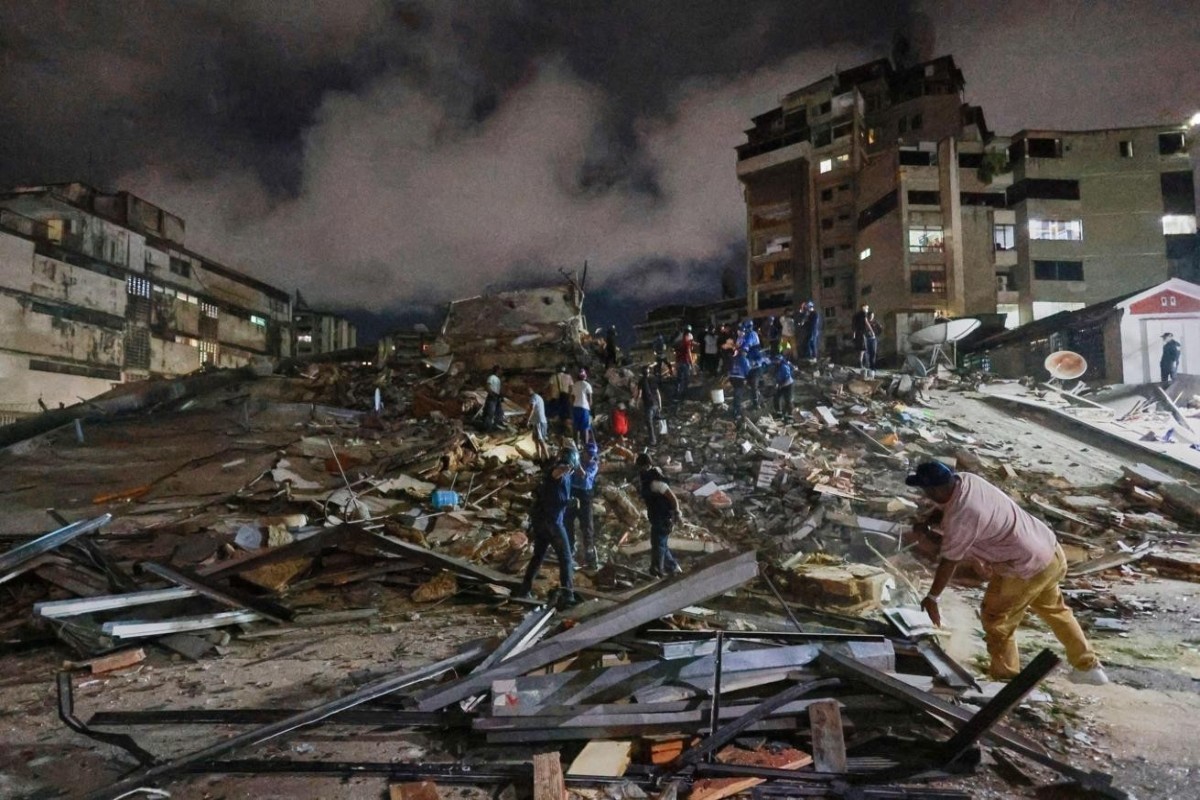
Death toll from Venezuela earthquake rises to 164 - UPDATED - 1 - VIDEO
14:52
25 June 2026

NEWS FEED
Azerbaijan and Kazakhstan agree on full transition to electronic permit system
18:10
25 June 2026
Rubio believes no final agreements reached in Anchorage
18:10
25 June 2026
Missile alert declared in Moscow region
18:10
25 June 2026
US, Iran agree in principle to establish direct military communication channel, Vance says
18:09
25 June 2026
Rubio believes no final agreements reached in Anchorage
18:03
25 June 2026
Azerbaijan Army servicemen participate in Anatolian Eagle-2026 International Exercise-VIDEO
18:01
25 June 2026
Leadership of the Ministry of Defense visits Central Clinical Hospital - PHOTO
17:52
25 June 2026
Eight Azerbaijani cities to host military marches marking Armed Forces Day
17:45
25 June 2026
Azerbaijan MFA: Existing opportunities should be used to finalize peace process with Armenia
17:30
25 June 2026
Rubio says Israel, Lebanon close to commitment of intent
17:18
25 June 2026
Lukashenko: Peoples of Belarus, Russia, and Ukraine will be together sooner or later
17:09
25 June 2026
Romanian ambassador leaves Russian Foreign Ministry without comment
17:08
25 June 2026
Rubio: Iran's support for regional proxies should be addressed in memorandum talks
17:07
25 June 2026
Azerbaijan and Ukraine discuss current cooperation agenda
17:06
25 June 2026
Azerbaijan-Israel innovation dialogue held at Shimon Peres Center - PHOTO
17:02
25 June 2026
Iran, Oman stress need for coordination on Strait of Hormuz traffic in foreign minister call
16:44
25 June 2026
Ghalibaf criticizes US over claims regarding Iran's unfrozen assets
16:43
25 June 2026
Iraqi Oil Ministry denies reports of potential OPEC exit, urges output quota reassessment-UPDATED
16:39
25 June 2026
President Ilham Aliyev signs order awarding Defense Ministry servicemen
16:31
25 June 2026
Azerbaijan's President awards fallen servicemen posthumously
16:31
25 June 2026
Military Institute named after Heydar Aliyev holds another graduation ceremony - PHOTO - VIDEO
16:26
25 June 2026
Azerbaijan establishes "Intellectual Customs" information system
16:24
25 June 2026
President Ilham Aliyev awards major general rank to five Defense Ministry servicemen
16:23
25 June 2026
Ashura blood donation campaign concludes in Azerbaijan, 1,269.45 liters of blood collected -PHOTO-UPDATED-1
16:21
25 June 2026
Rubio: No Gulf country supports charging fees for passage through the Strait of Hormuz
16:14
25 June 2026
Hikmat Hajiyev, Macron's adviser review state of Azerbaijan-France relations
16:10
25 June 2026
Azerbaijani cadet awarded Italy's "Sword of Honor"
16:00
25 June 2026
Azerbaijan establishes budget-funded organizations based on several public legal entities - DECREE
16:00
25 June 2026
Defense minister: Azerbaijani Armed Forces are among the strongest militaries in the region
15:56
25 June 2026
US sends search and rescue teams to Venezuela after deadly earthquake
15:55
25 June 2026
Citizens of Kyrgyzstan and Tajikistan graduate with honors from Heydar Aliyev Military Institute
15:53
25 June 2026
More than 90 kg of marijuana found in truck carrying cauliflower from Iran to Russia - PHOTO
15:47
25 June 2026
Azerbaijan's Foreign Minister attends Ukraine Recovery Conference in Poland
15:38
25 June 2026
Azerbaijan joins International Convention on the Control of Harmful Anti-Fouling Systems on Ships
15:25
25 June 2026
Charter of the State Medical Insurance and Expertise Agency approved-DECREE
15:24
25 June 2026
Azercell launches “Əsgərcell” offer on the occasion of 26 June – Armed Forces Day
15:23
25 June 2026
Azerbaijan recalls ambassador to Uzbekistan
15:14
25 June 2026
Financial results of "AzerGold" CJSC and its subsidiaries for year-end 2025 announced
15:14
25 June 2026
Azerbaijani delegation explores advanced pediatric rehabilitation practices in Israel
15:08
25 June 2026
Kremlin urges Russians to switch to Android and "national systems" after VK app removed from App Store
15:06
25 June 2026
Russia says nearly 170,000 Ukrainian drones shot down since war began
14:57
25 June 2026
Kremlin comments on Zelenskyy's statement about Belarusian retransmitters
14:54
25 June 2026
Azerbaijani Parliament reveals date and agenda of its next session
14:52
25 June 2026
Death toll from Venezuela earthquake rises to 164 - UPDATED - 1 - VIDEO
14:52
25 June 2026
French navy has intercepted another Russian 'shadow fleet' tanker, Macron says
14:51
25 June 2026
Azerbaijan-Israel innovation cooperation discussed at MUNI EXPO 2026
14:44
25 June 2026
Azerbaijan, Russia's Astrakhan Region discuss expanding economic cooperation
14:43
25 June 2026
Fuel sales restricted in Russia's Dagestan amid rising demand
14:40
25 June 2026
Azerbaijan introduces "Personal identification tag of military personnel" concept into legislation
14:35
25 June 2026
Azerbaijan relocates next group of families to Jabrayil’s Shukurbeyli village, families receive house keys
14:34
25 June 2026


