










Baku – APA. The war enters its 10th year Thursday with key players hedging their bets, uncertain whether the Obama administration is prepared to stay for the long haul, move quickly to exit an increasingly unpopular conflict, or something in between, APA reports quoting “Associated Pressâ€.
Fearing that his Western allies may in the end abandon him, Afghan President Hamid Karzai has started to prepare his nation for a withdrawal of international forces by shoring up relations with neighboring Pakistan and reaching out to insurgents interested in reconciliation.
Pakistan, America’s nominal ally, says it’s fighting insurgents. But it still tolerates al-Qaida and Afghan Taliban militants hiding out on its soil — out of reach of U.S.-led NATO ground forces.
Public support for the war is slipping in the United States and Western Europe. Already, the Netherlands has pulled out its troops, the first NATO country to do so. The Canadians leave next.
Patience is running out here as well. Afghans are tired of the violence, increasingly resentful of foreign forces. Many wonder why their quality of life has not markedly improved when their nation has been awash in billions of dollars of foreign aid.
"NATO is here and they say they are fighting terrorism, and this is the 10th year and there is no result yet," Karzai said in an emotional speech last week. "Our sons cannot go to school because of bombs and suicide attacks."
All this is very different from the near universal international support the Bush administration enjoyed when it launched attacks on Oct. 7, 2001. The war was aimed at toppling the Taliban from power because they harbored Osama bin Laden and other al-Qaida leaders responsible for the stunning strikes on the World Trade Center and the Pentagon less than a month earlier.
The hardline Islamic regime, which repressed women, banned music and held public executions for disloyal actions, collapsed within two months.
But looking back at the first years of the war, the effort was underfunded from the start. When the Bush administration’s attention shifted to Iraq in 2003, the Taliban began to regroup. After several years of relative calm and safety, the situation in Afghanistan began to deteriorate around 2006. The Taliban have steadily gained strength since then. And bin Laden remains alive.
President Barack Obama ramped up the war this year, sending tens of thousands more troops. Casualties are running at their highest levels since 2001, when the Taliban were overthrown without a single American combat death. The U.S. death toll in July was 66, setting a monthly record; to date, about 2,000 NATO troops have died in the conflict, including more than 1,220 American service men and women.
U.S. Defense Secretary Robert Gates said in June that the U.S. and its NATO partners have to show progress before the end of this year or face a decline in public support for the war.
There’s plenty of frustration at the White House and in the U.S. Congress too. In August, when Sen. John Kerry, chairman of the Senate Foreign Relations Committee, visited Kabul, he bluntly stated that if the Karzai government didn’t clean up corruption, it was going to be hard "to look American families in the eye and say, `Hey that’s something worth dying for.’"
On the battlefield, NATO’s top commander, Gen. David Petraeus, is banking on his plan to protect heavily populated areas, rout the Taliban from their strongholds and rush in better governance and development aid to win the Afghans’ loyalty away from the Taliban.
In February, NATO launched an offensive in Helmand province, the largest military operation in Afghanistan since the 2001 invasion. Nearly eight months after U.S. forces mounted a high-profile assault that ended Taliban control of the rural town of Marjah, U.S. Marines there are still clearing it. There are signs that governance is improving, though troops still face daily gunbattles and an entrenched insurgency that shows no signs of easing soon.
Afghan and international forces now are ramping up security in neighboring Kandahar province where the Taliban insurgency was born. Fighting in and around the nation’s largest city in the south has been intense as coalition forces push into areas long held by insurgents. Failure in Kandahar would be a major setback for the NATO force.
"We’re still fighting the fight," U.S. Army Capt. Nick Stout, a company commander with the 101st Airborne Division’s 1st Battalion, 502nd Infantry Regiment, said in Senjeray, capital of Zhari district northeast of Kandahar city.
"It kind of begs the question: What is it? What’s the answer?" he said at a joint U.S.-Afghan outpost near Kandahar.
"America alone is not the answer to stopping" the insurgency, said the 27-year-old Stout, who wasn’t old enough to order a drink in his home of Lake Orion, Mich., when the war began.
Commanders like Stout believe the war will be won only if Afghan civilians start supporting the troops. And, they say, the only way that will happen is if the forces can provide enough security to allow people to break free of the fear and intimidation of Taliban threats. In some places, residents don’t even want to be seen talking to U.S. forces for fear of Taliban reprisals.
Ready to refute pundits who say the war is lost, U.S. Adm. James Stavridis, the supreme NATO commander in Europe, has compiled a list of nearly 50 examples that the coalition is making progress. He shared them in a five-page letter Oct. 1 to defense chiefs in NATO nations.
In a 90-day period ending in early September, he wrote, Special Operations Forces conducted 3,302 operations, resulting in 251 enemy leaders killed or captured; ammonium nitrate, a key ingredient in homemade bombs, is being seized in record amounts around the country; schools and the district police station have reopened in Marjah and insurgents there are suffering from low morale and shortages in food and weapons; and the Afghan security forces will expand to 260,000 by the end of the year — 5,000 higher than the target.
"Afghanistan remains a tough fight, but at least three-quarters of the country — starting with bustling Kabul, extending into most of the north and west and including parts of the east — is either in reasonably promising shape or improving," said Michael O’Hanlon, a senior fellow at the Brookings Institution think tank who just returned from a trip to Afghanistan. "We should remain hopeful for now. The current strategy could well produce significant and convincing progress within a few months."
Karzai still backs coalition efforts but has also used back channels to reach out to Taliban leaders who seem amenable to finding a political resolution to the war. Karzai appointed nearly 70 people last week to a High Peace Council, which will guide efforts to reach out to insurgents.
Pakistan also wants to maintain relations with some factions of the Taliban, which it believes will be a powerful player in Afghanistan when the Americans go home.
And there’s strong suspicion in the region that U.S. troops will go home sooner rather than later — largely because of Obama’s decision to set July 2011 as his goal for starting a drawdown of U.S. forces.
Obama and Petraeus have repeatedly claimed that the U.S. is not planning a mass exodus in July 2011. Petraeus says all the extra U.S. troops and civilians needed to reverse the Taliban’s momentum have just arrived — and only now can Obama’s revised war strategy begin to work.
But as the war drags on, the U.S. has lowered its sites and goals. Fewer people these days are talking about establishing Western-style democracy in Afghanistan. Instead, the focus is on finding some way to force out al-Qaida — even if that involves a deal with Taliban members.
Stephen Biddle at the Council on Foreign Relations says the Obama administration must clarify what the end game will look like.
"Without clear limits on acceptable outcomes, the U.S. and NATO military campaign will be rudderless, as will any negotiation strategy for a settlement with the Taliban," Biddle said.
He predicts success in Afghanistan will mean "arriving at an intermediate end state — somewhere between ideal and intolerable."
Hovering like a shadow over the discussion is Afghanistan’s bloody history.
The Soviet Union invaded and occupied Afghanistan in 1979 but was forced to withdraw nine years later by anti-communist mujahedeen forces, who were supplied and trained by the United States, Saudi Arabia, Pakistan and others. These U.S.-backed rebels took power in 1992 when the pro-Moscow government collapsed.
They quickly turned their guns on each other and a violent civil war ensued. The Taliban took advantage of the power vacuum and within two years had seized Kabul.


 Follow us on Telegram
 t.me/apanewsaz
 Follow us on Instagram
 Follow us on TikTok
 Follow us on Facebook
 Follow us on X
Americas
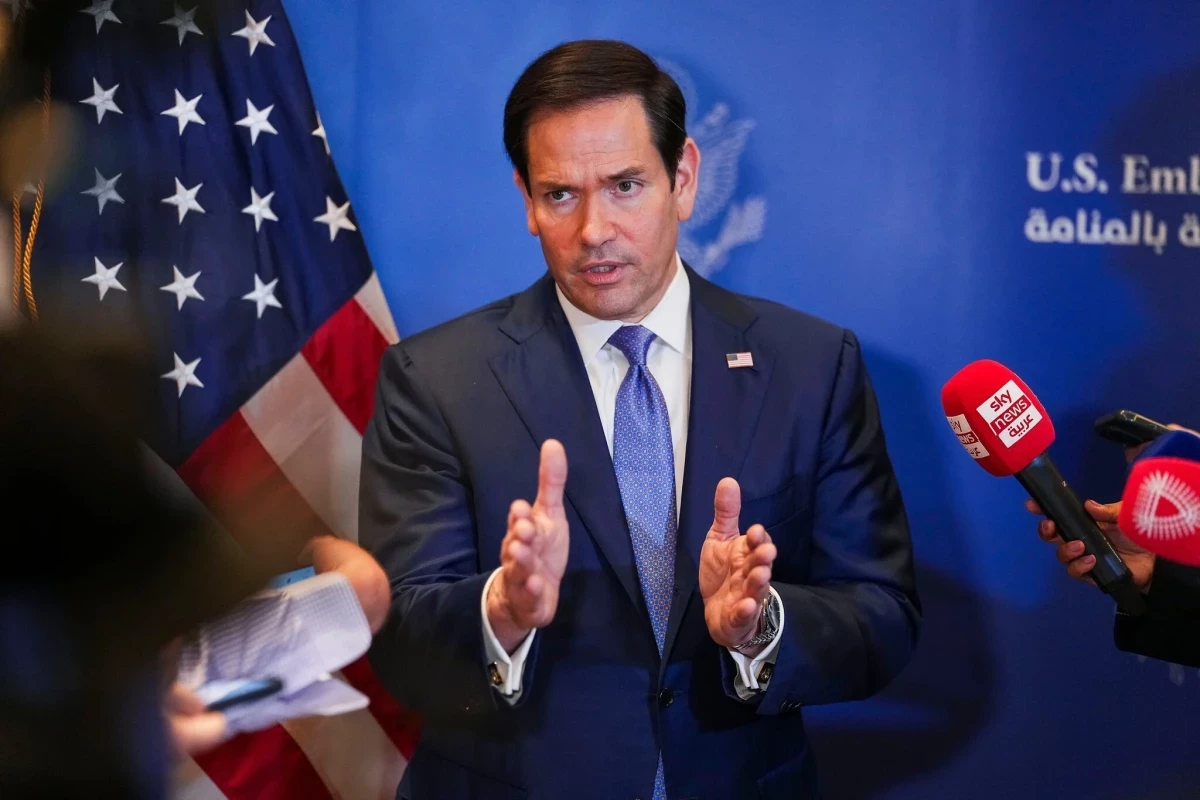
Rubio believes no final agreements reached in Anchorage
 18:10
18:10
 25 June 2026
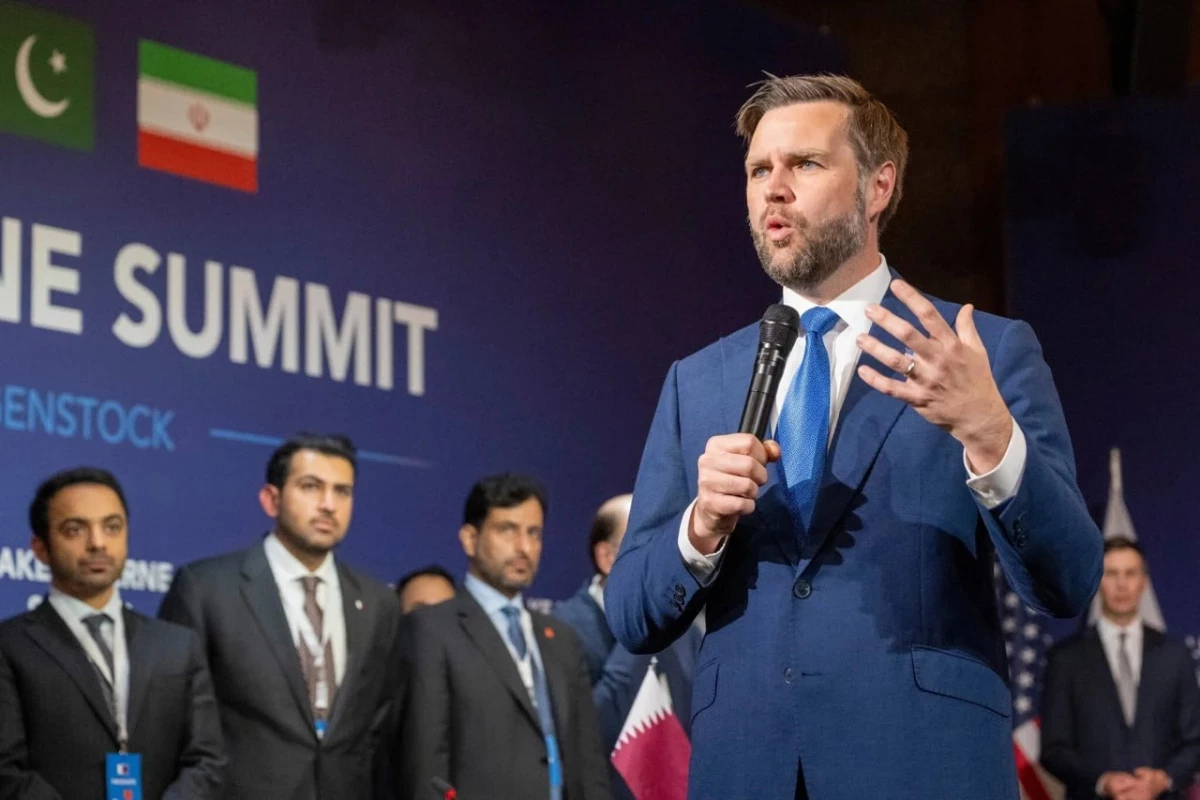
US, Iran agree in principle to establish direct military communication channel, Vance says
18:09
25 June 2026
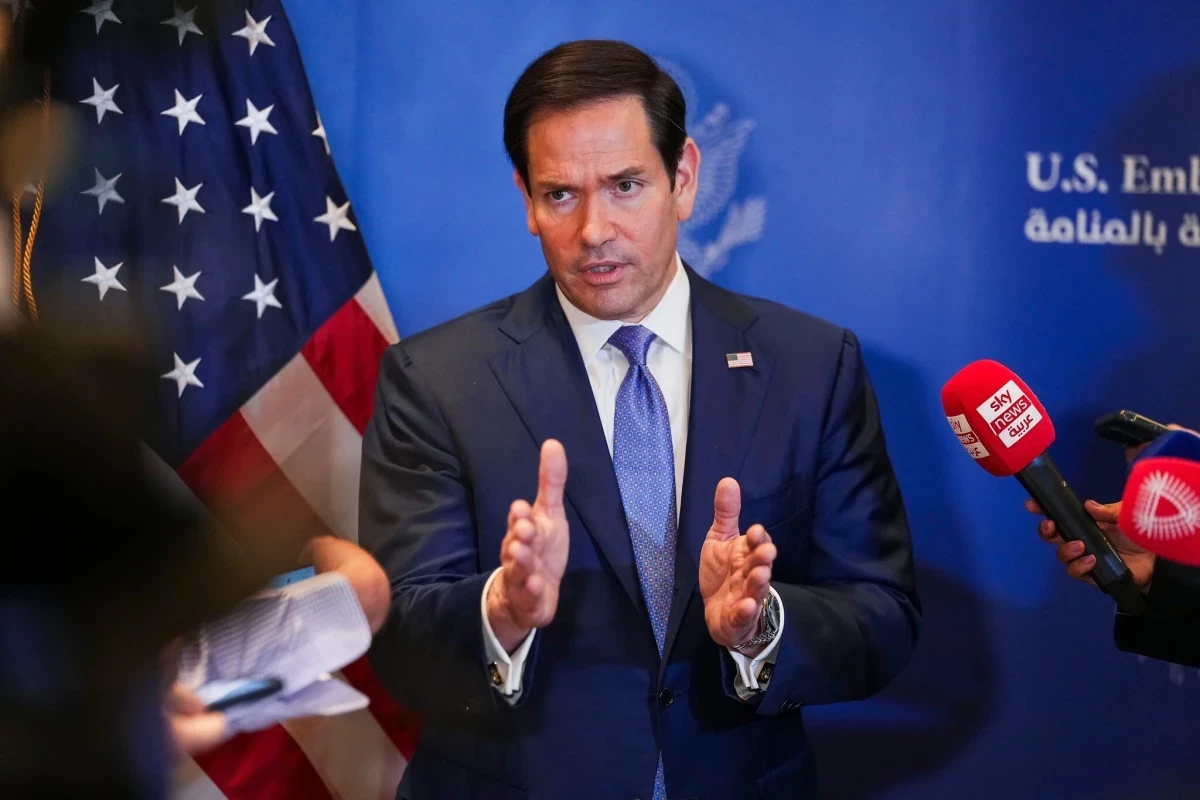
Rubio believes no final agreements reached in Anchorage
18:03
25 June 2026
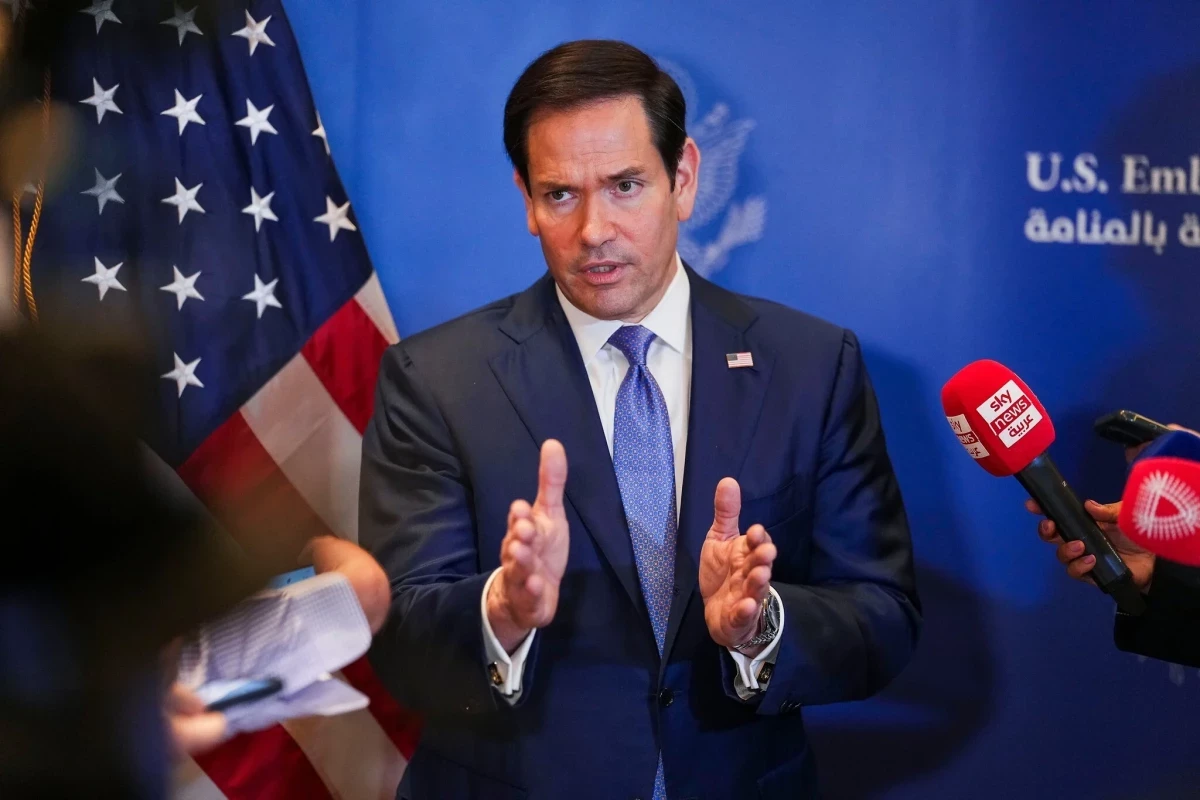
Rubio says Israel, Lebanon close to commitment of intent
17:18
25 June 2026

NEWS FEED
First Vice-President Mehriban Aliyeva shared post on Armed Forces Day
00:25
Audio
26 June 2026
Azerbaijan marks 108th anniversary of the establishment of its Armed Forces
00:00
26 June 2026
Death toll from Venezuela earthquake rises to 188 - UPDATED - 2 - VIDEO
23:18
25 June 2026
President Ilham Aliyev’s social media accounts featured video dedicated to the Azerbaijani Army
23:05
Audio
25 June 2026
US, Gulf countries reject possibility of tariffs in Strait of Hormuz
22:38
25 June 2026
President Ilham Aliyev’s social media accounts shared post on Armed Forces Day
22:04
Audio
25 June 2026
18 wagons of gasoline and 8 wagons of diesel fuel will be sent from Azerbaijan to Armenia
21:50
25 June 2026
Zelenskyy approves 40-day influence operation to pressure Russia into ending war
21:41
Audio
25 June 2026
Telephone conversation held between Azerbaijani, Turkmen Presidents
20:37
25 June 2026
Vice-President of the Heydar Aliyev Foundation Leyla Aliyeva meets with Head of the Vatican Apostolic Library and Apostolic Archive
20:14
25 June 2026
Ziya Öztürkler praises Azerbaijan's continued support for the TRNC
19:50
25 June 2026
Apple says removal of VK apps from App Store is due to sanctions compliance
19:34
25 June 2026
Ruben Rubinyan elected as candidate for Speaker of the National Assembly of Armenia
19:26
25 June 2026
Missile alert declared in Moscow region-UPDATED
19:16
25 June 2026
Hikmat Hajiyev discusses Azerbaijan–NATO partnership with Secretary General's Special Representative
18:59
25 June 2026
Armenian Prosecutor General's Office petitions CEC to authorize criminal prosecution of Gagik Tsarukyan
18:55
25 June 2026
Venezuela's foreign minister thanks Azerbaijan for solidarity following earthquake
18:16
25 June 2026
Azerbaijan and Kazakhstan agree on full transition to electronic permit system
18:10
25 June 2026
Rubio believes no final agreements reached in Anchorage
18:10
25 June 2026
US, Iran agree in principle to establish direct military communication channel, Vance says
18:09
25 June 2026
Rubio believes no final agreements reached in Anchorage
18:03
25 June 2026
Azerbaijan Army servicemen participate in Anatolian Eagle-2026 International Exercise-VIDEO
18:01
25 June 2026
Leadership of the Ministry of Defense visits Central Clinical Hospital - PHOTO
17:52
25 June 2026
Eight Azerbaijani cities to host military marches marking Armed Forces Day
17:45
25 June 2026
Azerbaijan MFA: Existing opportunities should be used to finalize peace process with Armenia
17:30
25 June 2026
Rubio says Israel, Lebanon close to commitment of intent
17:18
25 June 2026
Lukashenko: Peoples of Belarus, Russia, and Ukraine will be together sooner or later
17:09
25 June 2026
Romanian ambassador leaves Russian Foreign Ministry without comment
17:08
25 June 2026
Rubio: Iran's support for regional proxies should be addressed in memorandum talks
17:07
25 June 2026
Azerbaijan and Ukraine discuss current cooperation agenda
17:06
25 June 2026
Azerbaijan-Israel innovation dialogue held at Shimon Peres Center - PHOTO
17:02
25 June 2026
Iran, Oman stress need for coordination on Strait of Hormuz traffic in foreign minister call
16:44
25 June 2026
Ghalibaf criticizes US over claims regarding Iran's unfrozen assets
16:43
25 June 2026
Iraqi Oil Ministry denies reports of potential OPEC exit, urges output quota reassessment-UPDATED
16:39
25 June 2026
President Ilham Aliyev signs order awarding Defense Ministry servicemen
16:31
25 June 2026
Azerbaijan's President awards fallen servicemen posthumously
16:31
25 June 2026
Military Institute named after Heydar Aliyev holds another graduation ceremony - PHOTO - VIDEO
16:26
25 June 2026
Azerbaijan establishes "Intellectual Customs" information system
16:24
25 June 2026
President Ilham Aliyev awards major general rank to five Defense Ministry servicemen
16:23
25 June 2026
Ashura blood donation campaign concludes in Azerbaijan, 1,269.45 liters of blood collected -PHOTO-UPDATED-1
16:21
25 June 2026
Rubio: No Gulf country supports charging fees for passage through the Strait of Hormuz
16:14
25 June 2026
Hikmat Hajiyev, Macron's adviser review state of Azerbaijan-France relations
16:10
25 June 2026
Azerbaijani cadet awarded Italy's "Sword of Honor"
16:00
25 June 2026
Azerbaijan establishes budget-funded organizations based on several public legal entities - DECREE
16:00
25 June 2026
Defense minister: Azerbaijani Armed Forces are among the strongest militaries in the region
15:56
25 June 2026
US sends search and rescue teams to Venezuela after deadly earthquake
15:55
25 June 2026
Citizens of Kyrgyzstan and Tajikistan graduate with honors from Heydar Aliyev Military Institute
15:53
25 June 2026
More than 90 kg of marijuana found in truck carrying cauliflower from Iran to Russia - PHOTO
15:47
25 June 2026
Azerbaijan's Foreign Minister attends Ukraine Recovery Conference in Poland
15:38
25 June 2026
Azerbaijan joins International Convention on the Control of Harmful Anti-Fouling Systems on Ships
15:25
25 June 2026


