










Baku – APA. Emboldened Brazilian opposition leader Jose Serra must lure environmentalists and others who backed a third-party candidate in Sunday’s election if he is to derail frontrunner Dilma Rousseff’s march to the presidency, APA reports quoting “Reutersâ€.
Serra’s underdog candidacy remained alive after Rousseff, a former Marxist guerrilla handpicked by President Luiz Inacio Lula da Silva to succeed him at the helm of Latin America’s largest economy, fell short of the 50 percent of votes needed for outright victory.
With nearly all the ballots counted, Rousseff had won 46.9 percent to Serra’s 32.6 percent. They will face each other in an October 31 run-off.
Opinion polls had shown Rousseff on track to win a first-round victory, but a corruption scandal and some voters’ unease about her views on social issues appeared to cost her support while boosting the Green Party’s Marina Silva.
Silva, an evangelical Christian and former environment minister, was the surprise of Sunday’s vote, grabbing 19.3 percent. Opinion polls had put her support at about 15 percent.
At late-night rallies, Rousseff of the ruling Workers’ Party appeared shell-shocked by the result, a newly confident Serra gave what sounded like a victory speech, and a beaming Silva seemed to enjoy her new role as potential kingmaker.
"I want to congratulate Marina Silva. She has contributed to the democratic game in Brazil," Serra told cheering supporters.
It was clear that Serra, a former Sao Paulo state governor, would avidly court the Green Party over the next month to boost his chances in the run-off.
"My heart is totally environmentalist and Serra’s is too," Serra’s vice-presidential running mate, Indio da Costa, said in an explicit overture to the Green Party.
ODDS IN ROUSSEFF’S FAVOR
But the runner-up may face difficulties winning the Green Party over to his side, as its members tend to be more ideologically in line with the left-leaning Workers’ Party.
Serra, 68, has struggled to connect with voters in recent weeks, and insiders in his Brazilian Social Democracy Party have made clear they plan to send out Aecio Neves -- a popular former governor of Minas Gerais, the country’s second-largest electoral college -- to campaign for him ahead of the runoff.
Neves won a Senate seat on Sunday, freeing him up to throw his energies into Serra’s bid.
Rousseff, 62, who was recently given a clean bill of health after a bout of cancer, is still strongly favored to win the October 31 vote and become the first woman to lead Brazil.
A first-round victory, however, would have given her a stronger mandate to push through reforms such as changes to Brazil’s onerous tax laws.
Rousseff sought to put a positive spin on the outcome, telling supporters that a second round would give her more time to detail her proposals.
"We are warriors, and we’re accustomed to challenges," she said in a speech in the capital Brasilia, flanked by her running mate and her party’s top brass. "We do well in second rounds."
Her campaign has been helped by red-hot economic growth and Lula’s constant support. Neither Rousseff nor Serra are seen deviating from the mix of social programs and investor-friendly policies that have made Lula wildly popular, helping Brazilian markets to rally in the run-up to the vote.
Rousseff appeared to be cruising to a first-round knockout until allegations of a kickback scheme involving a former top aide gave Serra an opening. That development coincided with a slump in Rousseff’s support among Brazil’s millions of evangelical Christians, as concerns and rumors swirled about her positions on abortion.
Serra has vowed to run a centrist, pro-business government. Yet he also believes in a strong state presence in some sectors, and his administration would likely be broadly similar in practice to Rousseff’s.
Under Lula’s mix of social welfare policies and generally investor-friendly economic management, Brazil has witnessed the rapid growth of a middle class that is snapping up cars, houses and other goods in record numbers.
The country has also joined Russia, India and China in the "BRIC" group of emerging powers that are gaining global influence, especially as more developed economies have stagnated.
Rousseff, a career civil servant who had never run for office, has vowed to focus on improving Brazil’s woeful infrastructure -- especially as the country prepares to host the World Cup in 2014 and the Olympics in 2016.


 Follow us on Telegram
 t.me/apanewsaz
 Follow us on Instagram
 Follow us on TikTok
 Follow us on Facebook
 Follow us on X
Americas
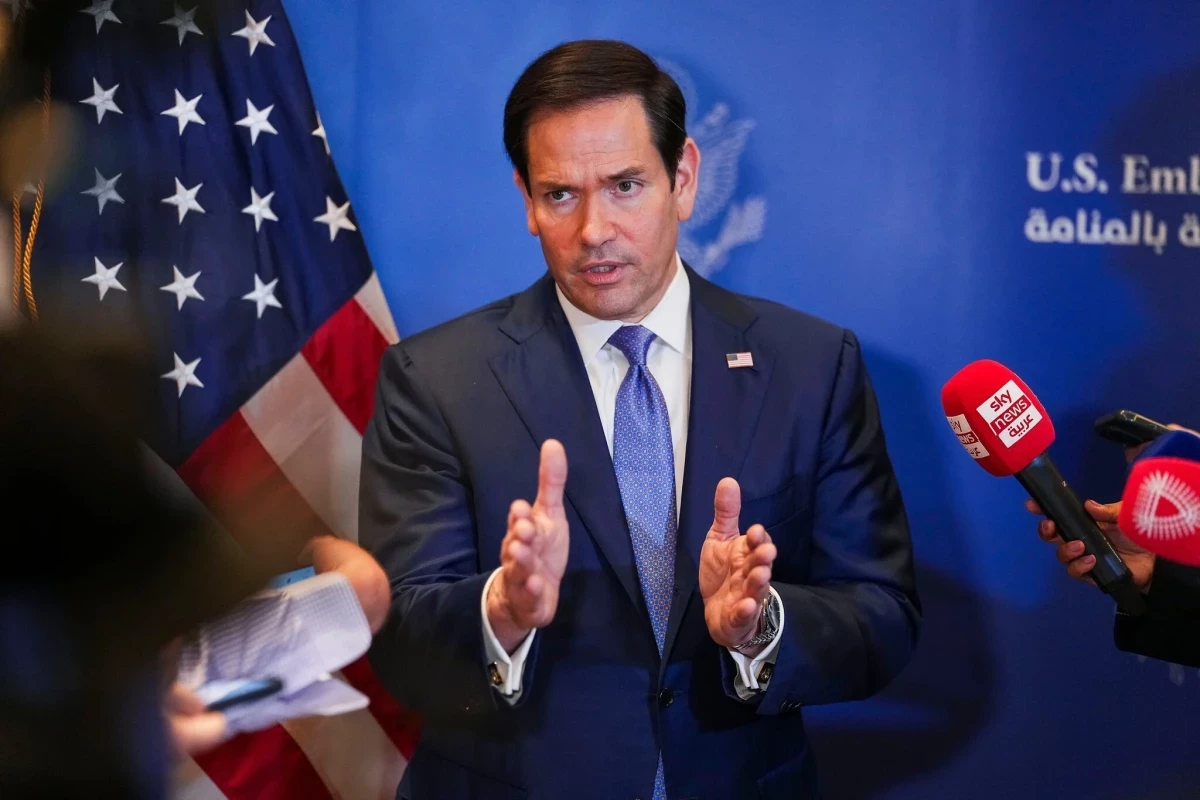
Rubio believes no final agreements reached in Anchorage
 18:10
18:10
 25 June 2026
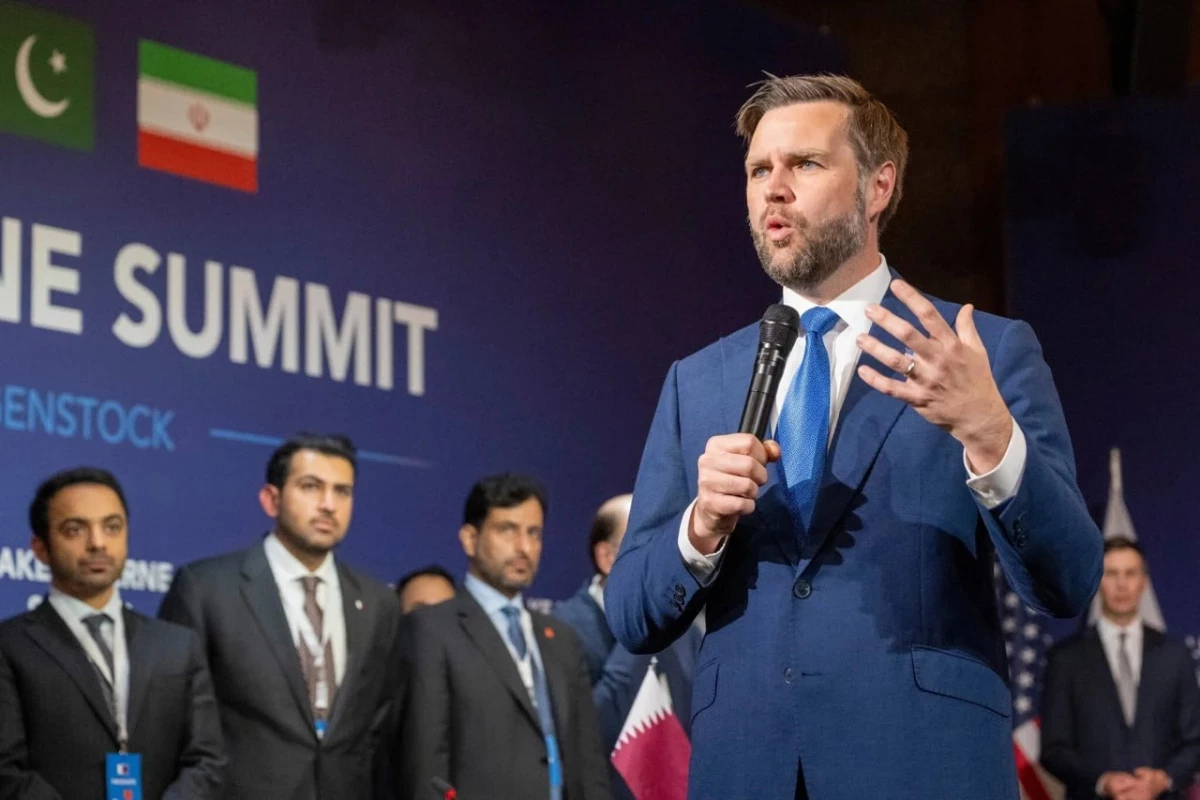
US, Iran agree in principle to establish direct military communication channel, Vance says
18:09
25 June 2026
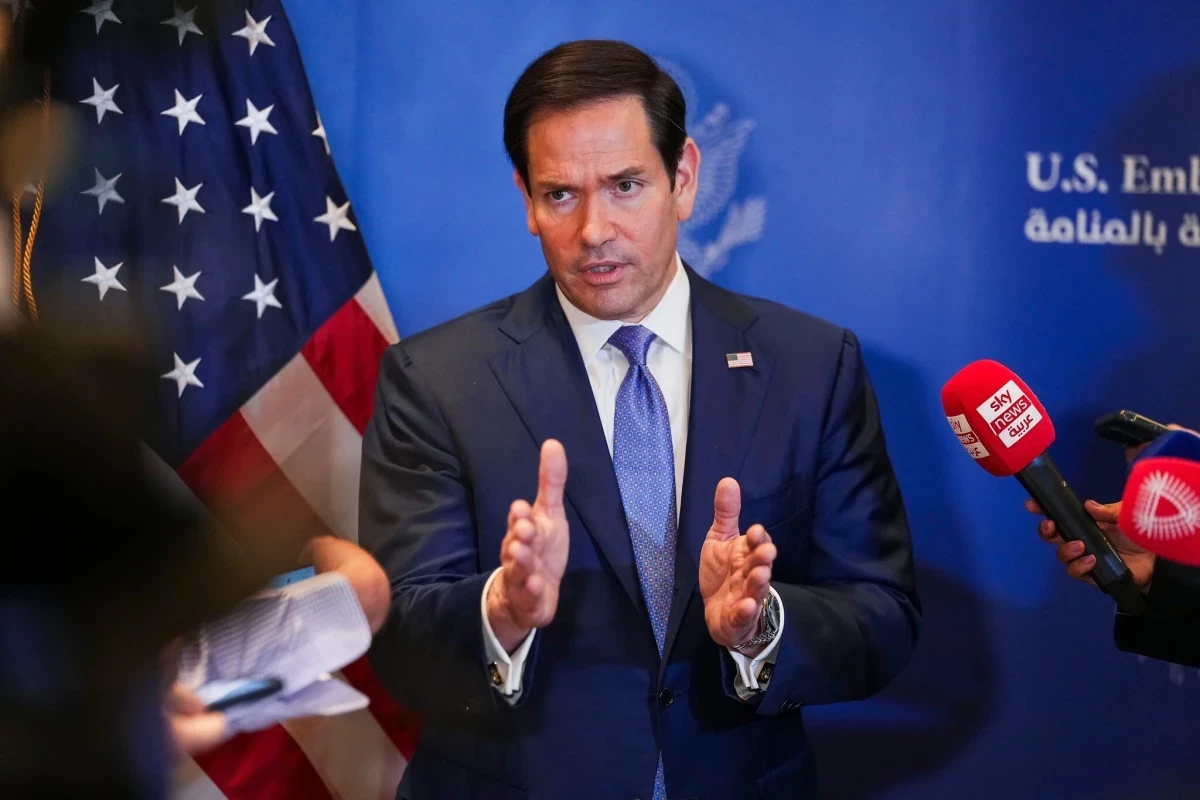
Rubio believes no final agreements reached in Anchorage
18:03
25 June 2026
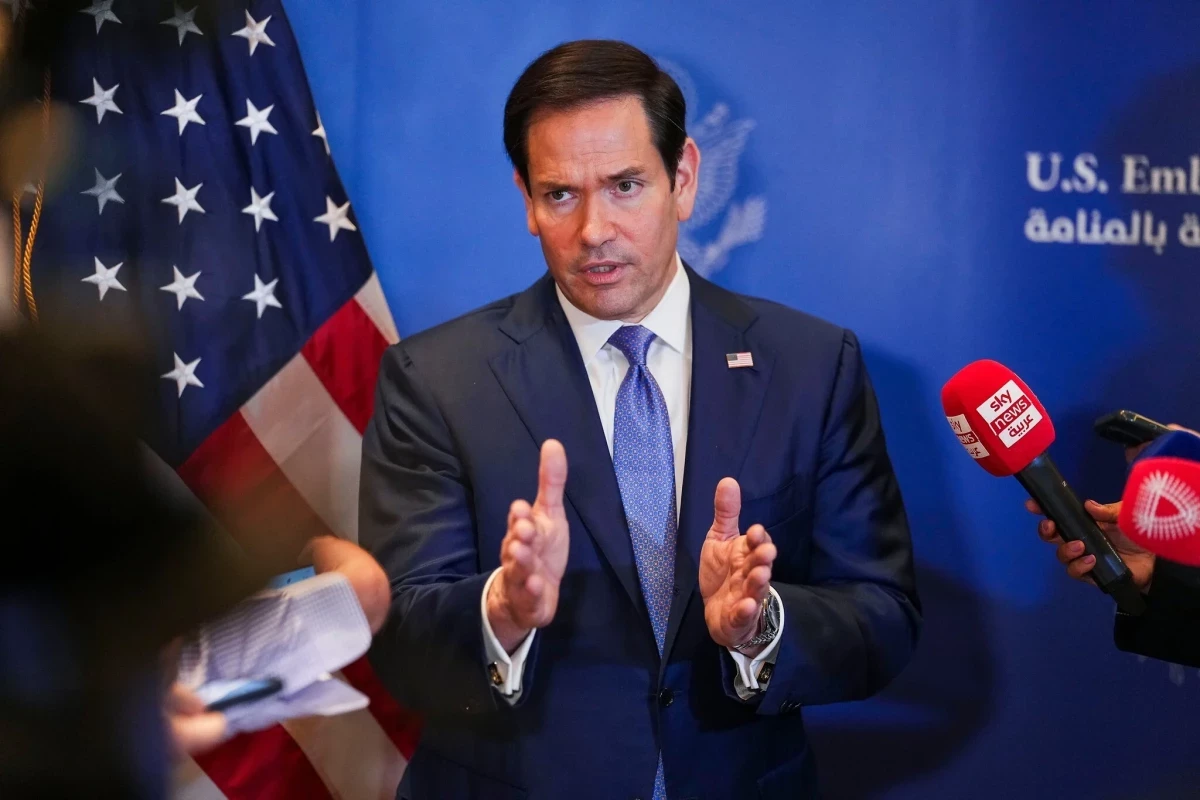
Rubio says Israel, Lebanon close to commitment of intent
17:18
25 June 2026

NEWS FEED
First Vice-President Mehriban Aliyeva shared post on Armed Forces Day
00:25
Audio
26 June 2026
Azerbaijan marks 108th anniversary of the establishment of its Armed Forces
00:00
26 June 2026
Death toll from Venezuela earthquake rises to 188 - UPDATED - 2 - VIDEO
23:18
25 June 2026
President Ilham Aliyev’s social media accounts featured video dedicated to the Azerbaijani Army
23:05
Audio
25 June 2026
US, Gulf countries reject possibility of tariffs in Strait of Hormuz
22:38
25 June 2026
President Ilham Aliyev’s social media accounts shared post on Armed Forces Day
22:04
Audio
25 June 2026
18 wagons of gasoline and 8 wagons of diesel fuel will be sent from Azerbaijan to Armenia
21:50
25 June 2026
Zelenskyy approves 40-day influence operation to pressure Russia into ending war
21:41
Audio
25 June 2026
Telephone conversation held between Azerbaijani, Turkmen Presidents
20:37
25 June 2026
Vice-President of the Heydar Aliyev Foundation Leyla Aliyeva meets with Head of the Vatican Apostolic Library and Apostolic Archive
20:14
25 June 2026
Ziya Öztürkler praises Azerbaijan's continued support for the TRNC
19:50
25 June 2026
Apple says removal of VK apps from App Store is due to sanctions compliance
19:34
25 June 2026
Ruben Rubinyan elected as candidate for Speaker of the National Assembly of Armenia
19:26
25 June 2026
Missile alert declared in Moscow region-UPDATED
19:16
25 June 2026
Hikmat Hajiyev discusses Azerbaijan–NATO partnership with Secretary General's Special Representative
18:59
25 June 2026
Armenian Prosecutor General's Office petitions CEC to authorize criminal prosecution of Gagik Tsarukyan
18:55
25 June 2026
Venezuela's foreign minister thanks Azerbaijan for solidarity following earthquake
18:16
25 June 2026
Azerbaijan and Kazakhstan agree on full transition to electronic permit system
18:10
25 June 2026
Rubio believes no final agreements reached in Anchorage
18:10
25 June 2026
US, Iran agree in principle to establish direct military communication channel, Vance says
18:09
25 June 2026
Rubio believes no final agreements reached in Anchorage
18:03
25 June 2026
Azerbaijan Army servicemen participate in Anatolian Eagle-2026 International Exercise-VIDEO
18:01
25 June 2026
Leadership of the Ministry of Defense visits Central Clinical Hospital - PHOTO
17:52
25 June 2026
Eight Azerbaijani cities to host military marches marking Armed Forces Day
17:45
25 June 2026
Azerbaijan MFA: Existing opportunities should be used to finalize peace process with Armenia
17:30
25 June 2026
Rubio says Israel, Lebanon close to commitment of intent
17:18
25 June 2026
Lukashenko: Peoples of Belarus, Russia, and Ukraine will be together sooner or later
17:09
25 June 2026
Romanian ambassador leaves Russian Foreign Ministry without comment
17:08
25 June 2026
Rubio: Iran's support for regional proxies should be addressed in memorandum talks
17:07
25 June 2026
Azerbaijan and Ukraine discuss current cooperation agenda
17:06
25 June 2026
Azerbaijan-Israel innovation dialogue held at Shimon Peres Center - PHOTO
17:02
25 June 2026
Iran, Oman stress need for coordination on Strait of Hormuz traffic in foreign minister call
16:44
25 June 2026
Ghalibaf criticizes US over claims regarding Iran's unfrozen assets
16:43
25 June 2026
Iraqi Oil Ministry denies reports of potential OPEC exit, urges output quota reassessment-UPDATED
16:39
25 June 2026
President Ilham Aliyev signs order awarding Defense Ministry servicemen
16:31
25 June 2026
Azerbaijan's President awards fallen servicemen posthumously
16:31
25 June 2026
Military Institute named after Heydar Aliyev holds another graduation ceremony - PHOTO - VIDEO
16:26
25 June 2026
Azerbaijan establishes "Intellectual Customs" information system
16:24
25 June 2026
President Ilham Aliyev awards major general rank to five Defense Ministry servicemen
16:23
25 June 2026
Ashura blood donation campaign concludes in Azerbaijan, 1,269.45 liters of blood collected -PHOTO-UPDATED-1
16:21
25 June 2026
Rubio: No Gulf country supports charging fees for passage through the Strait of Hormuz
16:14
25 June 2026
Hikmat Hajiyev, Macron's adviser review state of Azerbaijan-France relations
16:10
25 June 2026
Azerbaijani cadet awarded Italy's "Sword of Honor"
16:00
25 June 2026
Azerbaijan establishes budget-funded organizations based on several public legal entities - DECREE
16:00
25 June 2026
Defense minister: Azerbaijani Armed Forces are among the strongest militaries in the region
15:56
25 June 2026
US sends search and rescue teams to Venezuela after deadly earthquake
15:55
25 June 2026
Citizens of Kyrgyzstan and Tajikistan graduate with honors from Heydar Aliyev Military Institute
15:53
25 June 2026
More than 90 kg of marijuana found in truck carrying cauliflower from Iran to Russia - PHOTO
15:47
25 June 2026
Azerbaijan's Foreign Minister attends Ukraine Recovery Conference in Poland
15:38
25 June 2026
Azerbaijan joins International Convention on the Control of Harmful Anti-Fouling Systems on Ships
15:25
25 June 2026


