


aku-APA. The United Nations World Food Programme (WFP) on Thursday announced that it is scaling up its emergency operation in Mali to reach more than 680,000 people, many of whom have been affected by the recent crisis in the West African country and adverse weather conditions there, APA reports quoting Xinhua.
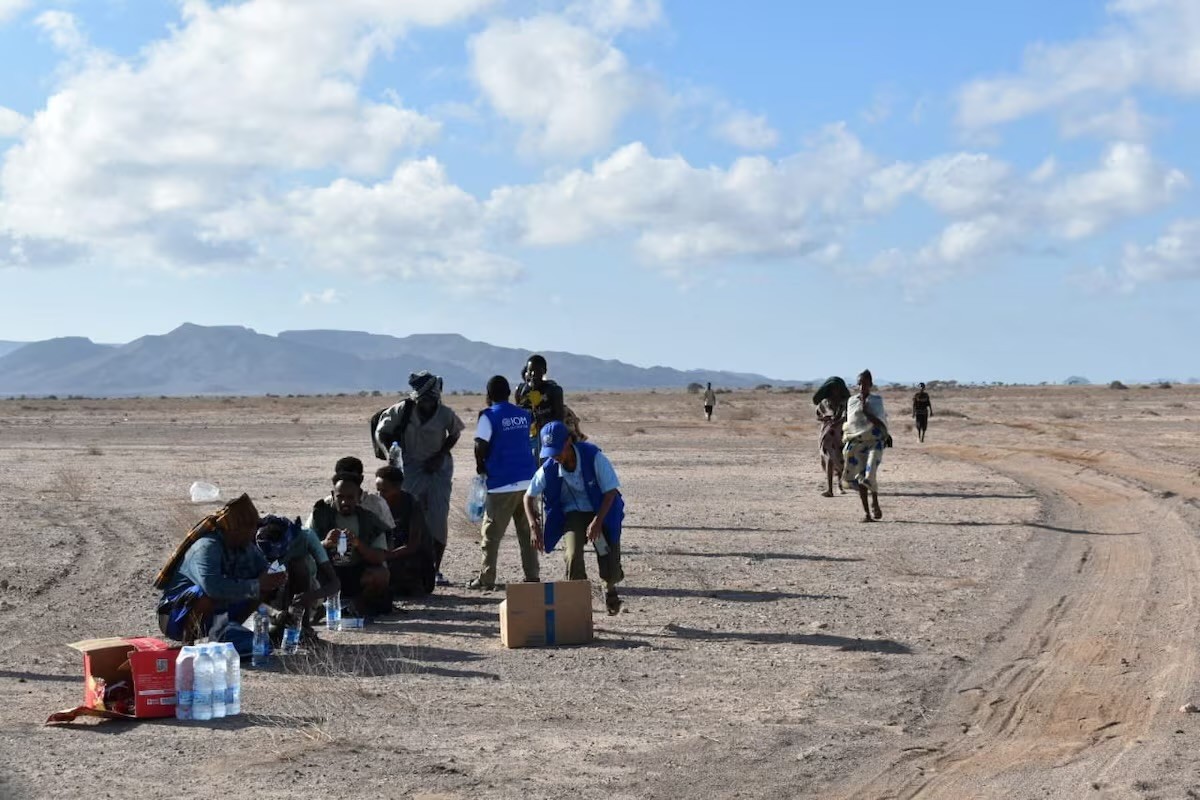
According to UN officials here, WFP spokesperson Elisabeth Byrs said at a news briefing held in Geneva, Switzerland, that the agency is increasing assistance to fragile communities in both the northern and southern parts of the country.
In northern Mali, WFP increased its emergency school feeding coverage as more schools have re-opened in the Gao and Timbuktu regions. Currently, some 576 schools are being assisted with more than 120,000 students.
The UN officials here also quoted Byrs as saying that nutrition activities will be added in the areas, with WFP having already launched food-for-work activities, consisting mostly in rehabilitation of irrigated plots in one district of the Timbuktu region. WFP is also providing supplementary feeding for children under five, pregnant women and new mothers to prevent acute malnutrition.
In southern Mali, WFP is providing food assistance to some 160, 000 internally displaced persons (IDPs) and host families, as well as vulnerable communities recovering from last year's drought. The agency also reached 425,000 people with programmes relating to urban and rural development, resilience, health and education.
The food relief agency is also working to connect Malian farmers to markets through the Purchase for Progress (P4P) initiative, which aims to reinforce the capacities of small-holder farmers to improve procurement practices, food processing and commercialization as ways to increase their daily incomes.
Byrs noted that WFP had identified four major risks in northern Mali that could negatively impact food security. These consist of: erratic rains that will affect the harvest for the 2013-2014 period, the depletion of livestock over the past 18 months, the sudden return of IDPs which is straining resources, and the continued insecurity in Gao, Timbuktu and Kidal, which is still affecting the local economy.
WFP estimated that, in the course of 2013, it had reached some 1 million people in the country. However, around 67 million U.S. dollars were still needed for the continuation of the agency's emergency operations until the end of the year


 Follow us on Telegram
 t.me/apanewsaz
 Follow us on Instagram
 Follow us on TikTok
 Follow us on Facebook
 Follow us on X