








Baku – APA. The massive drill is deafening as it bores into the rock of the world’s deepest mine, where heat and humidity sap the strength of gold miners who never know when the next rock fall might kill or maim, APA reports quoting “Reutersâ€.
At 3.8 km (2.4 miles) underground, it feels like the bottom of the world.
Toil and blood have brought humans to this spot, the lowest in AngloGold Ashanti’s Mponeng mine, 60 kms (35 miles) southwest of Johannesburg.
At such depths it is impossible to ignore the thousands of metric tones of rock overhead -- unnerving in a region prone to seismic activity.
"Sometimes you feel a tremor down here. You get used to them," said section manager Geert Jacobs, clad in overalls and hard hat as he directed journalists through a tunnel.
But tremors can be fatal and the following day a rock fall in the mine killed a worker -- the first death in 2011 at Mponeng.
Mining was halted while it was investigated, which has become standard procedure since South Africa set out to cut the heavy death toll in mines, chiefly among black workers, that the authorities tolerated before white minority rule ended in 1994.
According to government data, 855 miners were killed in South Africa in 1986 but that number has been falling, hitting 220 in 2007 -- a period when the mine labor force also shrank.
But this positive trend has had setbacks. In the first five months of this year mine deaths are up eight percent to 53 compared to the same time last year -- and they were up over 25 percent in the first quarter -- putting mine safety back in the spotlight.
South Africa’s mines are among the most dangerous in the world not least because of the astonishing depths that miners reach to extract gold from the vast reef that has supplied much of the world’s bullion.
Mponeng is part of the trio of AngloGold’s "West Wits" operations that in 2010 produced 1.78 million ounces or 39 percent of output for Africa’s largest gold producer.
Rock falls are a constant concern in South Africa. A government study estimated that of the 220 deaths in mines in 2007, fall of ground was the main cause, responsible for 76.
But at Mponeng, safety has been improving even as AngloGold has blasted ever deeper. In 2001 seven miners were killed there but the numbers have been falling. Last year two lost their lives and none had this year before last week.
The company says it strives to reduce risks where it can on a range of fronts from technology to education and at the top of its corporate values it says: "Safety is our first value." Its chief executive Mark Cutifani has made safety a priority.
Reaching the bottom of Mponeng is an ear-popping journey down a shaft in a massive, cramped and dark cage. It involves traveling to one level, switching cages, then descending again.
Down below, rock temperatures can reach 60 degrees Celsius (140 degrees fahrenheit) and even with elaborate cooling systems including giant fans, people are soon drenched in sweat.
IS ZERO HARM POSSIBLE SO DEEP?
Ray Durrheim, who holds the research chair in seismology at Johannesburg’s University of the Witwatersrand and formerly headed a project called the DeepMine Research Program, said as you go deeper there are safeguards that can be put in place.
"You try to compensate for the depth by introducing stiffer backfill like cement," he said. You can also shorten the distance between support pillars and use bigger pillars.
There are many other factors. The intense heat must be managed while the size and shape of the excavations is crucial.
The bottom has not yet been hit. "Technically, we don’t see why you can’t go down to five kilometers," Durrheim said.
Is the industry goal of "zero harm" attainable?
"When you have over 5,000 men working at such depths and with so much heavy equipment and explosives and things like that it is very difficult to guarantee zero harm," Durrheim said.
Despite improvements, by global standards analysts say AngloGold and South Africa’s other two big gold miners, Gold Fields and Harmony, are not faring well.
"Each of the big three South African mining companies have material safety problems. From 2006 to 2009 all three have averaged more fatalities per year than the entire United States mining industry," said Paul Bugala, senior sustainability analyst with U.S.-based Calvert Investments.
ROBOTS OR JOBS
One option being explored for South Africa is to mechanize production and get machines or robots to do much of the work.
That would reduce the risk to humans but, given South Africa’s high rates of unemployment and poverty, it might not sit well as the labor-intensive mining industry supplies about 500,000 crucial jobs to Africa’s biggest economy.
Depth aside, there are many challenges on the safety front. A poorly-educated workforce is one, a legacy of apartheid when blacks were denied quality education.
Signs at Mponeng -- which means "Look at Me" in the Sotho language -- say things like: "People Are Important And Their Well-being Really Matters." But these messages will obviously be lost on an illiterate worker.
One area of concern is fatal collisions between workers and the heavy vehicles, including trams, that are a key part of mining. In the bowels of Mponeng the tunnels can be more than five meters wide, which is startling so far down but does not give much margin for error for vehicles.
Under a pilot project at Mponeng, headlamps alert drivers of vehicles that a pedestrian is nearby.
But last week, a 4x4 truck taking journalists through a tunnel had this feature but it was not turned on. An engineer said he later spoke with the workers involved to ensure this slip up would not be repeated.
Hunt for ever-deeper South Africa gold still costs lives

 03 June 2011 18:32 (UTC +04:00)


 İDMAN XƏBƏR
 Follow us on Telegram
 t.me/apanewsaz
 Follow us on Instagram
 Follow us on TikTok
 Follow us on Facebook
 Follow us on X
Africa
Two killed, five injured in shooting in S. Africa
16:09
 14 October 2026
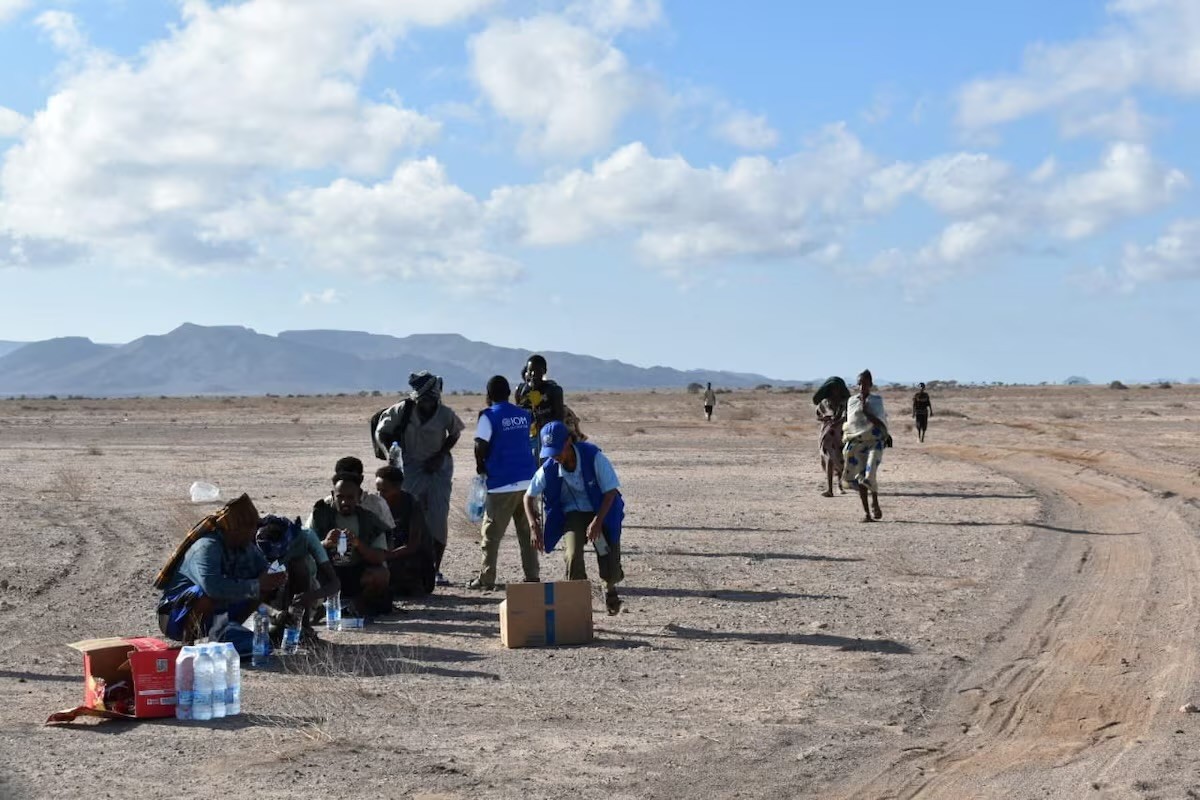
At least 139 migrants dead, including some children, after boat from Djibouti to Yemen capsizes, UN agency says
21:17
11 October 2026
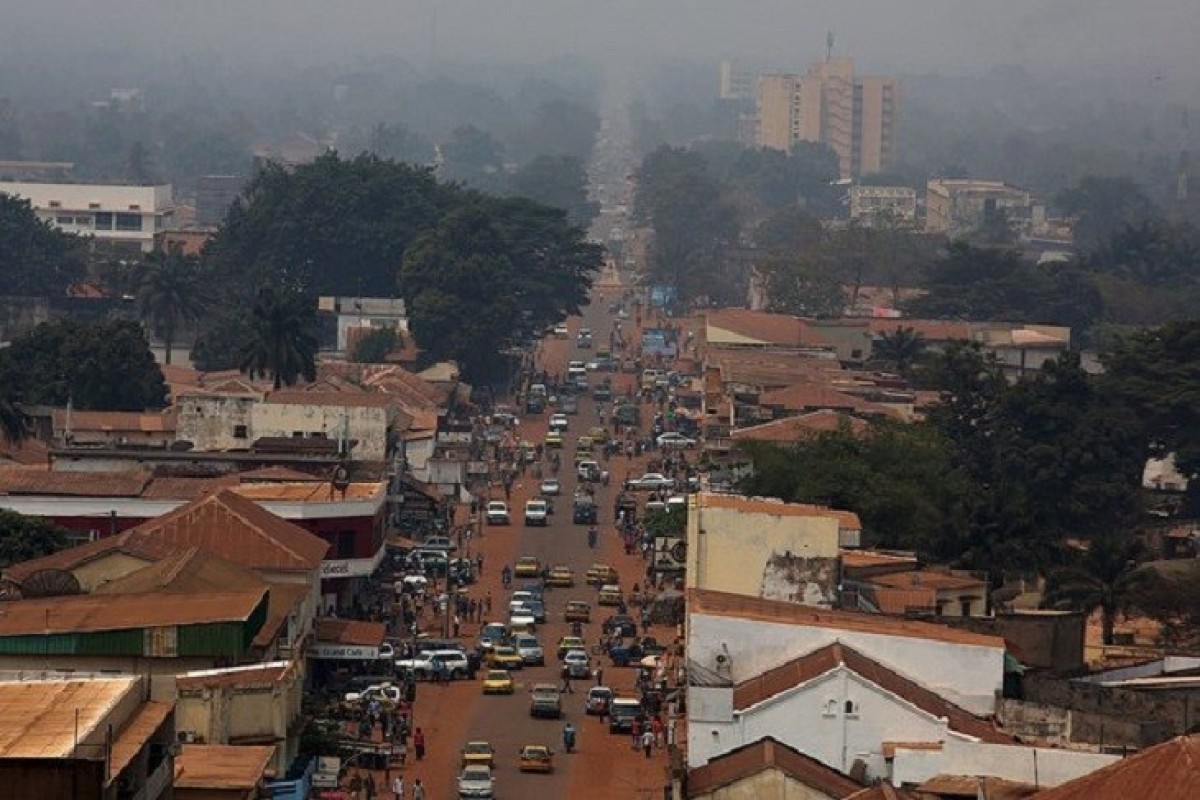
Central African Republic foils planned large-scale militant attack
07:04
11 October 2026
Rebel attack kills 11 civilians in DR Congo
05:16
11 October 2026

NEWS FEED
Conference League: Trabzonspor win as Ajax suffer defeat
03:14
16 October 2026
Europa League Matchday 2 round-up
01:05
16 October 2026
Train, bus collide in Channel Tunnel, injure 19
00:53
16 October 2026
China has not provided any military support to Iran since the beginning of the US operation
00:38
16 October 2026
Azerbaijani, Turkish FMs discuss relations between the two countries
00:10
16 October 2026
Azerbaijan's chairmanship of CICA extended until 2028
23:50
15 October 2026
Trump accused a Senate candidate of having ties to Muslim Brotherhood
23:27
15 October 2026
US: IRGC projectile hit civilian ship
22:50
15 October 2026
Putin: Ukrainian Armed Forces are again attempting to strike Russian oil refineries
22:23
15 October 2026
Ukraine not to be able to protect its infrastructure without PURL program — The Economist
22:10
15 October 2026
US has expanded sanctions against Iran
21:50
15 October 2026
UK provides Ukraine with additional long-range Storm Shadow missiles
21:20
15 October 2026
Video shared on President Ilham Aliyev’s social media accounts on his meeting with Amir of the State of Qatar Sheikh Tamim bin Hamad Al Thani
21:00
15 October 2026
President Ilham Aliyev’s social media accounts shared video on inauguration of Trans-Caspian Fiber-Optic Cable Line
20:55
15 October 2026
Baku hosted 7th CICA Summit, President Ilham Aliyev addressed the event - UPDATED-5
20:40
15 October 2026
Ukrainian President discusses air defense with NATO Secretary General
20:31
15 October 2026
Ukraine runs out of Patriot interceptor missiles as Zelenskyy and Trump clash over war
19:52
15 October 2026
Iran's navy says "violating" oil tanker caught fire east of Hormuz Strait
19:43
15 October 2026
White House official: Trump considering all options to keep Iran from nuclear weapon
19:37
15 October 2026
Houthis fire missiles at presidential palace in Yemen's Aden, officials say
19:00
15 October 2026
President Ilham Aliyev’s social media accounts shared video on 7th CICA Summit
18:28
15 October 2026
President Ilham Aliyev met with Amir of Qatar - UPDATED
18:12
15 October 2026
Armenian and Turkish businesspeople discuss joint cooperation
17:56
15 October 2026
Journalist Alexander Nevzorov added to Russia’s list of terrorists and extremists
17:53
15 October 2026
New head of Republic of Dagestan elected
17:46
15 October 2026
Kobakhidze visits Armenia
17:17
15 October 2026
Georgian opposition announces protest rallies
17:05
15 October 2026
Pashinyan establishes working group to resolve railway issues with Russia
17:02
15 October 2026
Pope Leo recovering as planned after lung cancer surgery, doctors say
16:58
15 October 2026
Papuashvili: EU takes disruptive stance in relations with Georgia
16:40
15 October 2026
Azerbaijan to chair CICA in 2026–2028
16:27
15 October 2026
UN considers CICA's role more important now than ever
16:26
15 October 2026
Meeting held with delegation of international and foreign national Paralympic committees
16:23
15 October 2026
President Ilham Aliyev received Türkiye’s Minister of Foreign Affairs
16:16
15 October 2026
7th CICA Summit concludes
16:12
15 October 2026
CICA Secretary General replaced
16:11
15 October 2026
Lavrov considers it appropriate to hold next "3+3" meeting in Azerbaijan
16:08
15 October 2026
Baku Declaration adopted following 7th CICA Summit
16:05
15 October 2026
Large amount of drugs prevented from being smuggled from Iran into Azerbaijan - PHOTO
16:02
15 October 2026
Signed documents exchanged between Azerbaijan and Kazakhstan
16:00
15 October 2026
Lavrov: Russia ready to participate in TRIPP, but has not yet received invitation
15:50
15 October 2026
Lavrov: Zelenskyy is challenging Trump, not interested in elections
15:47
15 October 2026
Presidents of Azerbaijan and Kazakhstan met in Baku and inaugurated Trans-Caspian Fiber-Optic Cable Line
15:44
15 October 2026
9th Congress of Azerbaijani Journalists to be held tomorrow, candidates for Press Council Board announced
15:43
15 October 2026
Gharibabadi: Current difficulties in Strait of Hormuz caused by military aggression and naval blockade against Iran
15:42
15 October 2026
ING: $10 rise in oil prices could increase Azerbaijan’s exports by 2–4% of GDP
15:39
15 October 2026
UAE Minister: Priorities set during Azerbaijan’s CICA chairmanship align with UAE’s vision
15:33
15 October 2026
Palestinian issue raised at CICA Summit
15:31
15 October 2026
Indian FM: Changing geopolitical landscape necessitates more active participation of Global South countries
15:15
15 October 2026
Azerbaijan takes over chairmanship of CIS Advisory Council on Labor, Employment and Social Protection
15:14
15 October 2026