












Baku – APA. For decades, authoritarian rule and police brutality ensured the only voice heard from Egypt was that of its leaders. Since popular protests deposed President Hosni Mubarak, the silent majority has erupted into a cacophony, APA reports quoting “Reutersâ€.
Emboldened by the success of their uprising, almost everyone in post-Mubarak Egypt, from Western-educated professionals to illiterate farmhands to once-banned Islamists, has something to say about their nation’s past and future.
For possibly the first time since Egypt became a republic in 1952, most people are not afraid to articulate their demands, and they expect the authorities to listen.
"The voice of the Egyptian individual has been suppressed for nearly 60 years, but now, for the first time in many years, Egyptians feel this voice matters," said Rasha Abdulla, chair of the school of journalism and mass communication at the American University in Cairo.
"There’s a thirst to speak out, an infatuation with the idea that we can actually make a difference, so now everybody’s talking politics. Nobody’s afraid any more," she said.
Freedom of speech has until now been largely alien to one of the Middle East’s biggest and most influential nations.
The muting of millions of Egyptians began under President Gamal Abdel-Nasser, the first of three strongmen to rule Egypt after the end of British occupation. Nasser was notorious for a rigorous censorship apparatus and the "night visitors," secret police who spirited opponents away, never to be heard of again.
When Anwar Sadat took over in 1970, he liberalized the economy, but not Egypt’s politics. Mubarak, who became president after Islamists assassinated Sadat in 1981, maintained the same repression during his 30-year rule which ended on February 11.
"Looking back, I realize just how ignorant, how weak and how scared we were," said Mariam Mikhail, a housewife in her 40s who said she never dared to talk about politics.
"We all told each other: ’it’s not our problem’, and put up with the repression until the people eventually exploded."
The clearest manifestation of Egypt’s newly found freedom of speech is its state-owned media.
PRESS ATTACKS CORRUPTION
Newspapers like Al Ahram and Al Akhbar that once dedicated reams of sycophantic newsprint to Mubarak’s every utterance now run headlines attacking the rampant graft in which he, his sons and his administration are alleged to have been involved.
Mubarak and many of his ministers are being held for interrogation on charges of corruption, abuse of power and murder. Some ex-officials are already on trial.
Mubarak has denied any wrongdoing but that has not prevented state television from reporting on the steps the prosecutor is taking to put him on trial.
"We’re finally reporting the news as it actually happens, and not how the officials want the country to hear it," said Mohammed Zaki, a journalist with state television.
Two months after Mubarak’s overthrow, Egyptians are still reveling in their right to be heard, and are at their most vocal in Cairo’s central Tahrir Square on Fridays, the first day of the weekend.
Architect Mohammed Fathy, 30, calls himself a full-time revolutionary. Every day since the protests broke out on January 25, Fathy has gone to Tahrir, first to demand Mubarak’s overthrow, and now to call for an end to the corruption that mars almost all aspects of daily life.
"Nobody in Egypt had any idea about their rights, about their obligations and they were too afraid to ask," he said. "I’ve seen people die for the sake of this country. I am determined to carry on until Egypt is truly free."
Egyptians are also taking to the streets to challenge their rulers in a way they would not have dared do under Mubarak.
Last week, hundreds of Islamists from the militant Gama’a Islamiya group staged a rare protest near the heavily fortified U.S. embassy in central Cairo to demand the release of their spiritual leader who is jailed in the United States.
Protests have also raged in at least three provinces against the appointment of ex-police officers as provincial governors. Police watched from the sidelines, instead of beating and arresting the demonstrators as they did in Mubarak’s time.
"The people’s demands are like orders for us," newly appointed Prime Minister Essam Sharaf told a recent "meet the people" event in Sinai. "The government must listen to the people, because it is from the people."
RED LINES
Despite their heady sense of freedom, Egyptians know they have a long way to go before they can speak their minds about everything, especially their military rulers.
Troops with machineguns rounded up several youngsters earlier this month in Tahrir Square and dispersed a sit-in by protesters demanding a return to civilian rule and swifter prosecution for Mubarak.
Two weeks ago, a blogger was handed a jail sentence for criticizing the army. Maikel Nabil, 26, was charged with insulting the military establishment and "spreading false information," the New York-based Human Rights Watch said.
"The methods used by the Egyptian military do not seem to have evolved since Hosni Mubarak’s fall," Jean-Francois Julliard of Reporters Without Borders said of the sentencing.
Parliamentary and presidential elections due later this year will be a major test of Egypt’s democratic credentials. Seasoned politicians and untried novices are setting up coalitions in anticipation of a free and fair vote -- a rarity in Egypt.
One party taking full advantage of the right to campaign publicly is the once banned Muslim Brotherhood, whose leaders feature regularly in newspapers and on television.
More radical Islamists like the fundamentalist Salafists have also gained prominence, raising fears among secular Egyptians that their country may become an Islamic republic like Iran.
Professor Abdulla welcomed the diversity of views. "Now that the dictator is gone, it’s natural to be divided by individual politics," she said. "That’s what politics is all about: welcome to the game."
Shortly before Mubarak quit, Egypt’s spy chief and briefly vice president, Omar Suleiman, told ABC News that Egyptians were not ready for democracy.
Bassem Youssef, a surgeon who now hosts a popular online comedy current events program likened to U.S. comedian Jon Stewart’s "The Daily Show," urged Egyptians to prove Suleiman wrong by accepting everyone’s right to freedom of speech.
"The shoe that was pressing down on all our necks for 30 years has gone," Youssef said in a recent broadcast. "It’s natural that once this shoe disappeared, we hear a lot of noise and shouting. This strange phenomenon is called democracy. Let’s not destroy it just because we’re scared."


 Follow us on Telegram
 t.me/apanewsaz
 Follow us on Instagram
 Follow us on TikTok
 Follow us on Facebook
 Follow us on X
Africa
Two killed, five injured in shooting in S. Africa
 16:09
16:09
 14 October 2026
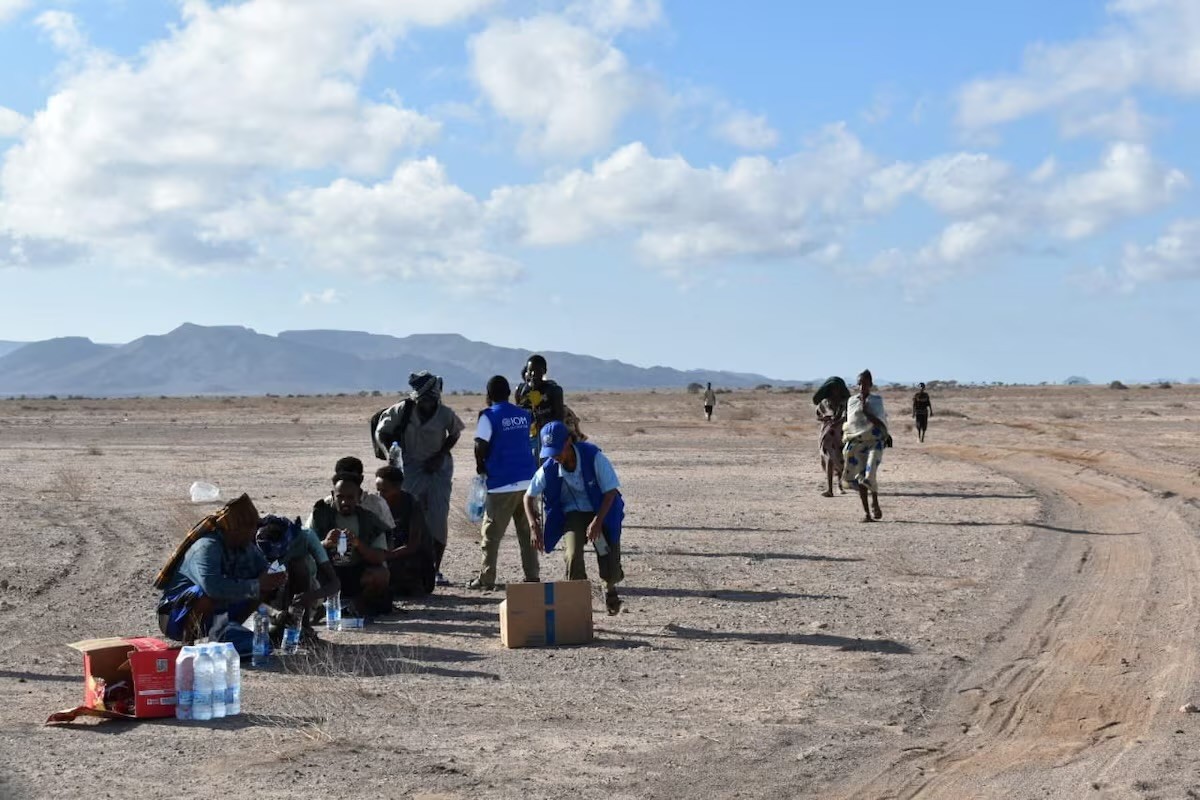
At least 139 migrants dead, including some children, after boat from Djibouti to Yemen capsizes, UN agency says
21:17
11 October 2026
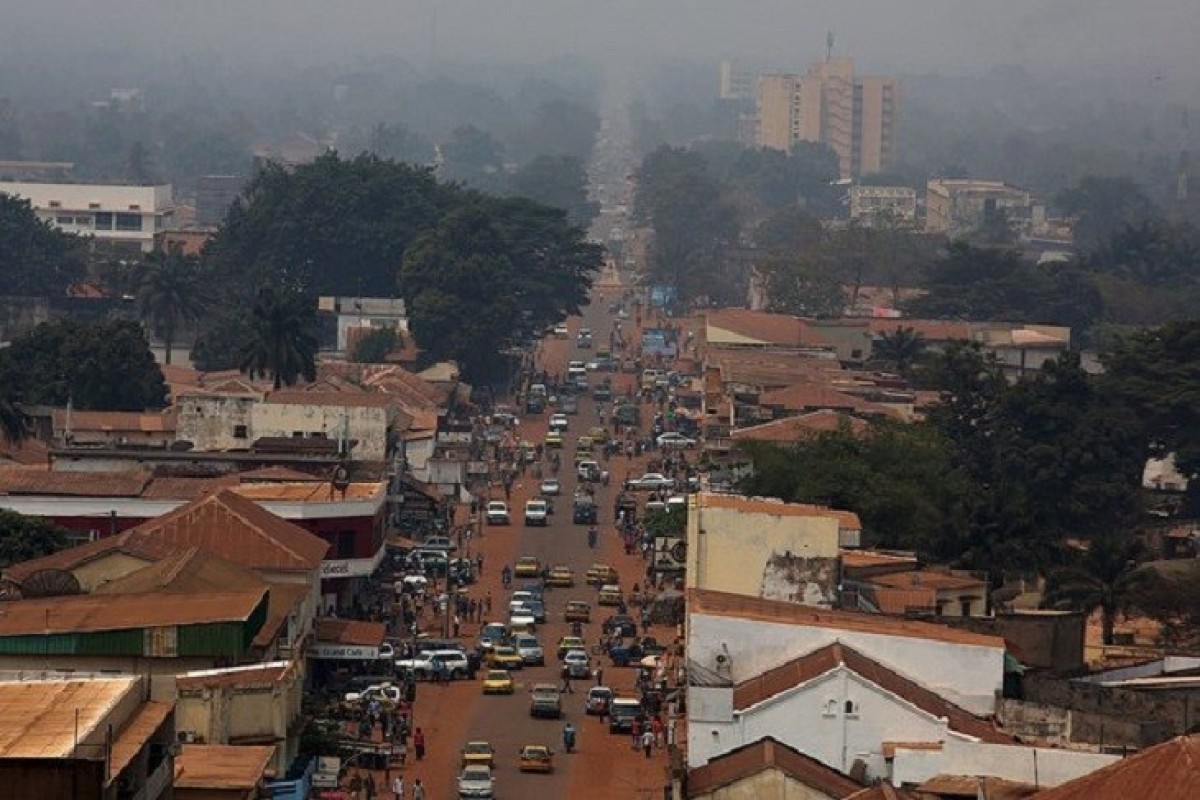
Central African Republic foils planned large-scale militant attack
07:04
11 October 2026
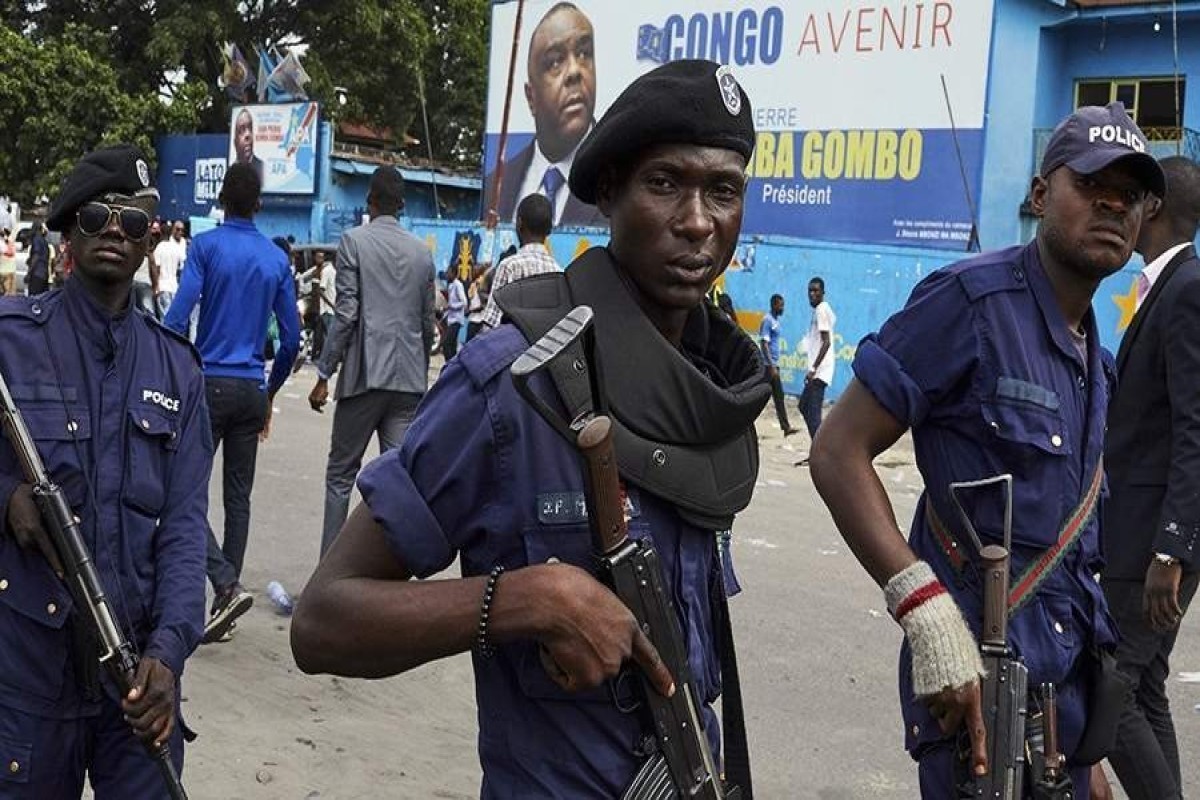
Rebel attack kills 11 civilians in DR Congo
05:16
11 October 2026

NEWS FEED
Conference League: Trabzonspor win as Ajax suffer defeat
03:14
16 October 2026
Europa League Matchday 2 round-up
01:05
16 October 2026
Train, bus collide in Channel Tunnel, injure 19
00:53
16 October 2026
China has not provided any military support to Iran since the beginning of the US operation
00:38
16 October 2026
Azerbaijani, Turkish FMs discuss relations between the two countries
00:10
16 October 2026
Azerbaijan's chairmanship of CICA extended until 2028
23:50
15 October 2026
Trump accused a Senate candidate of having ties to Muslim Brotherhood
23:27
15 October 2026
US: IRGC projectile hit civilian ship
22:50
15 October 2026
Putin: Ukrainian Armed Forces are again attempting to strike Russian oil refineries
22:23
15 October 2026
Ukraine not to be able to protect its infrastructure without PURL program — The Economist
22:10
15 October 2026
US has expanded sanctions against Iran
21:50
15 October 2026
UK provides Ukraine with additional long-range Storm Shadow missiles
21:20
15 October 2026
Video shared on President Ilham Aliyev’s social media accounts on his meeting with Amir of the State of Qatar Sheikh Tamim bin Hamad Al Thani
21:00
15 October 2026
President Ilham Aliyev’s social media accounts shared video on inauguration of Trans-Caspian Fiber-Optic Cable Line
20:55
15 October 2026
Baku hosted 7th CICA Summit, President Ilham Aliyev addressed the event - UPDATED-5
20:40
15 October 2026
Ukrainian President discusses air defense with NATO Secretary General
20:31
15 October 2026
Ukraine runs out of Patriot interceptor missiles as Zelenskyy and Trump clash over war
19:52
15 October 2026
Iran's navy says "violating" oil tanker caught fire east of Hormuz Strait
19:43
15 October 2026
White House official: Trump considering all options to keep Iran from nuclear weapon
19:37
15 October 2026
Houthis fire missiles at presidential palace in Yemen's Aden, officials say
19:00
15 October 2026
President Ilham Aliyev’s social media accounts shared video on 7th CICA Summit
18:28
15 October 2026
President Ilham Aliyev met with Amir of Qatar - UPDATED
18:12
15 October 2026
Armenian and Turkish businesspeople discuss joint cooperation
17:56
15 October 2026
Journalist Alexander Nevzorov added to Russia’s list of terrorists and extremists
17:53
15 October 2026
New head of Republic of Dagestan elected
17:46
15 October 2026
Kobakhidze visits Armenia
17:17
15 October 2026
Georgian opposition announces protest rallies
17:05
15 October 2026
Pashinyan establishes working group to resolve railway issues with Russia
17:02
15 October 2026
Pope Leo recovering as planned after lung cancer surgery, doctors say
16:58
15 October 2026
Papuashvili: EU takes disruptive stance in relations with Georgia
16:40
15 October 2026
Azerbaijan to chair CICA in 2026–2028
16:27
15 October 2026
UN considers CICA's role more important now than ever
16:26
15 October 2026
Meeting held with delegation of international and foreign national Paralympic committees
16:23
15 October 2026
President Ilham Aliyev received Türkiye’s Minister of Foreign Affairs
16:16
15 October 2026
7th CICA Summit concludes
16:12
15 October 2026
CICA Secretary General replaced
16:11
15 October 2026
Lavrov considers it appropriate to hold next "3+3" meeting in Azerbaijan
16:08
15 October 2026
Baku Declaration adopted following 7th CICA Summit
16:05
15 October 2026
Large amount of drugs prevented from being smuggled from Iran into Azerbaijan - PHOTO
16:02
15 October 2026
Signed documents exchanged between Azerbaijan and Kazakhstan
16:00
15 October 2026
Lavrov: Russia ready to participate in TRIPP, but has not yet received invitation
15:50
15 October 2026
Lavrov: Zelenskyy is challenging Trump, not interested in elections
15:47
15 October 2026
Presidents of Azerbaijan and Kazakhstan met in Baku and inaugurated Trans-Caspian Fiber-Optic Cable Line
15:44
15 October 2026
9th Congress of Azerbaijani Journalists to be held tomorrow, candidates for Press Council Board announced
15:43
15 October 2026
Gharibabadi: Current difficulties in Strait of Hormuz caused by military aggression and naval blockade against Iran
15:42
15 October 2026
ING: $10 rise in oil prices could increase Azerbaijan’s exports by 2–4% of GDP
15:39
15 October 2026
UAE Minister: Priorities set during Azerbaijan’s CICA chairmanship align with UAE’s vision
15:33
15 October 2026
Palestinian issue raised at CICA Summit
15:31
15 October 2026
Indian FM: Changing geopolitical landscape necessitates more active participation of Global South countries
15:15
15 October 2026
Azerbaijan takes over chairmanship of CIS Advisory Council on Labor, Employment and Social Protection
15:14
15 October 2026


