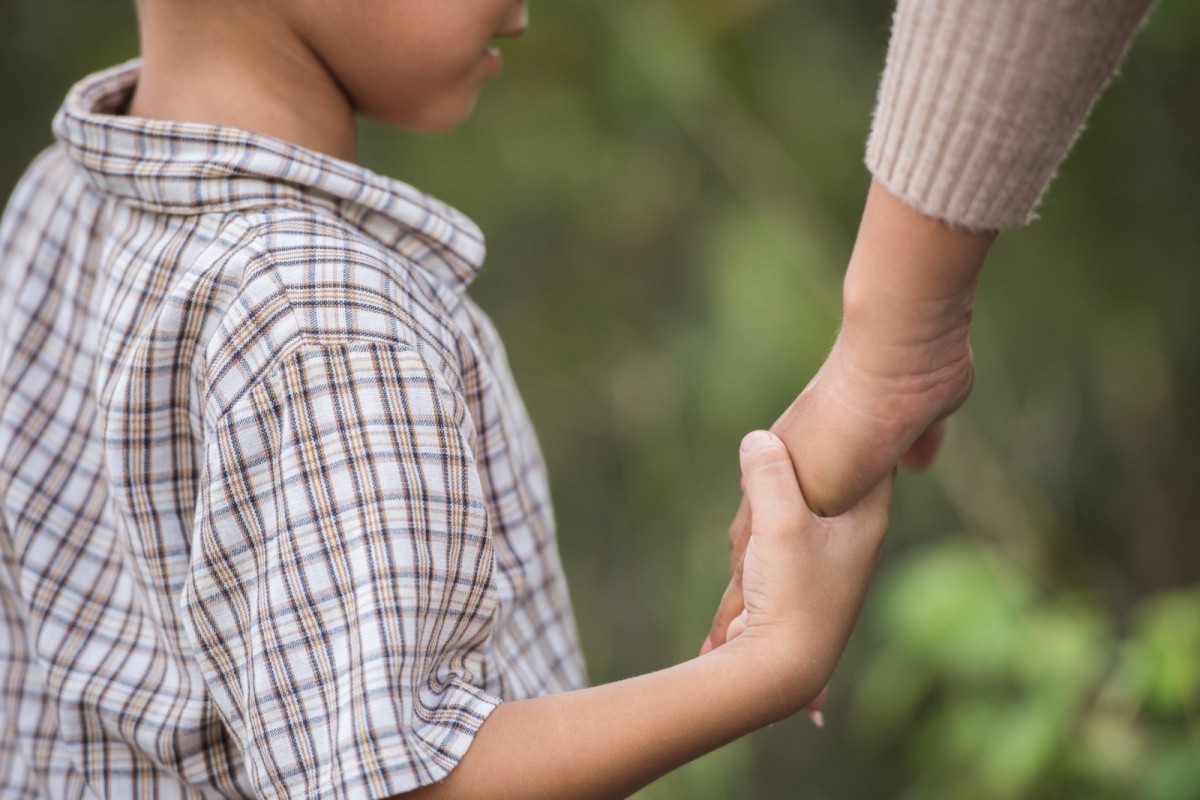


President Ilham Aliyev has approved a new law “On Children’s Rights,” APA reports.
According to the report, the law consists of 8 chapters and 63 articles.
Under the law, a database on the implementation of children’s rights will be established.
The upbringing of children in the spirit of patriotism is included among the objectives of state policy. Key guarantees for prioritizing children’s best interests are defined, and the rights to liberty and personal inviolability are expanded. Except for cases provided for by law, children may not be tracked or subjected to video or photo recording, audio recording, or similar actions. The law also guarantees the confidentiality of children’s correspondence, telephone conversations, postal, telegraph, and other communications. The scope of personal data concerning children, as well as the conditions for its collection, processing, transfer, use, and protection, are defined by law.
According to the law, parents (or persons replacing them) may raise children in accordance with their religious beliefs and attitudes toward religion by mutual agreement.
New obligations are also introduced for educational and medical institutions to protect children from violence. Parents (or persons replacing them), as well as employees of educational, medical, social service, sports, cultural, recreational, and penitentiary institutions responsible for supervising children, are required—while maintaining confidentiality—to report signs of violence against a child to relevant law enforcement bodies or local commissions for the protection of children’s rights. They may also inform child helpline services. Parents, officials of state bodies, medical institutions, law enforcement agencies, and other competent authorities are obliged to take all necessary measures to restore the physical and psychological well-being of children who have been subjected to violence.
The law stipulates that a child has the right to receive financial support in an amount not less than the subsistence minimum established by law.
According to the law, free psychological assistance will be provided to children in educational institutions.
The participation of a psychologist will be required in investigative processes involving children.


 Follow us on Telegram
 t.me/apanewsaz
 Follow us on Instagram
 Follow us on TikTok
 Follow us on Facebook
 Follow us on X