


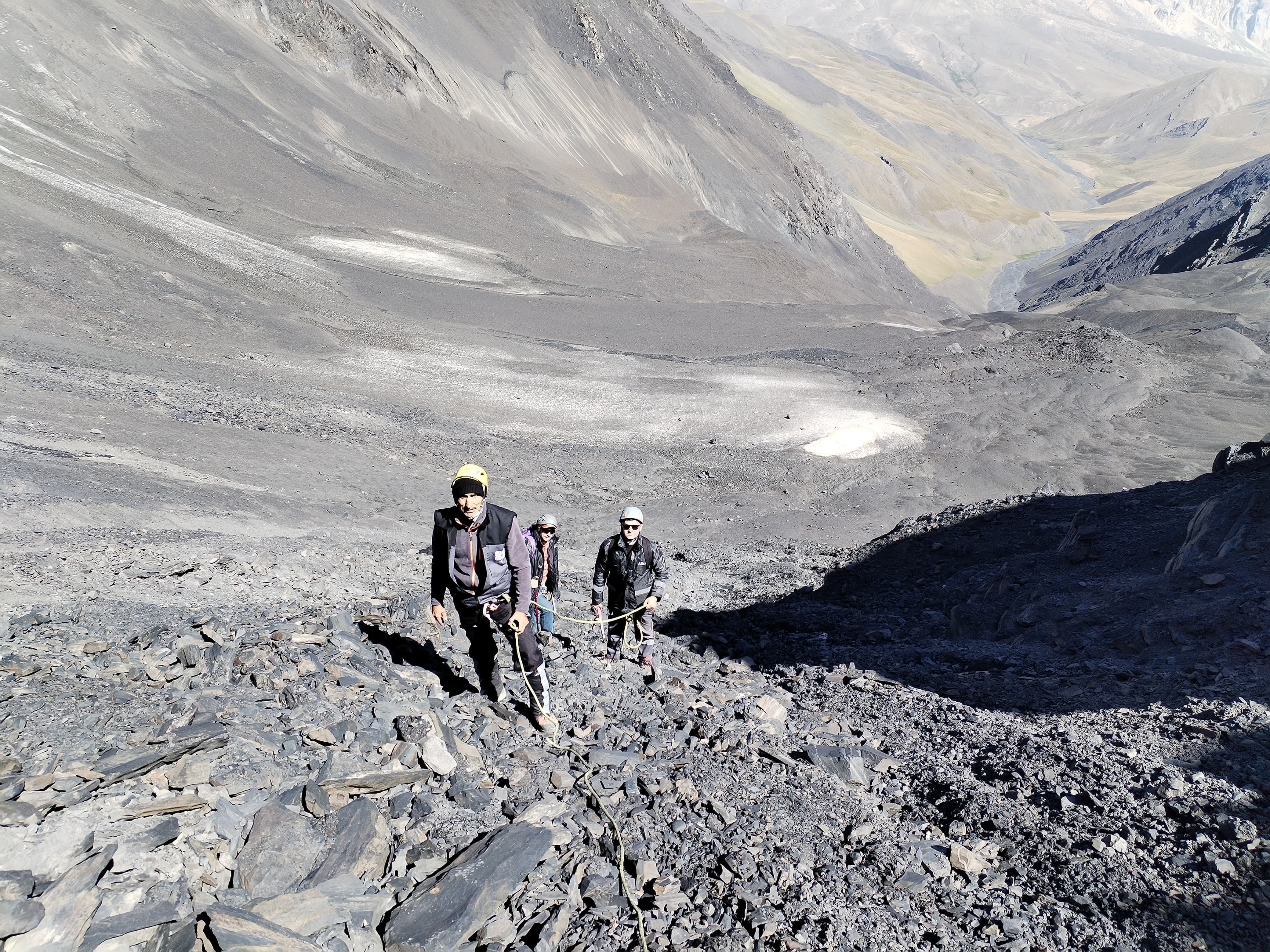
A joint expedition consisting of specialists from the State Control Service for Water Use and Protection under the State Water Resources Agency of Azerbaijan and the National Hydrometeorology Service under the Ministry of Ecology and Natural Resources has been organized to the Tufandag glacier located in the Qusarchay basin on the northeastern slope of the Greater Caucasus, the State Control Service told APA.
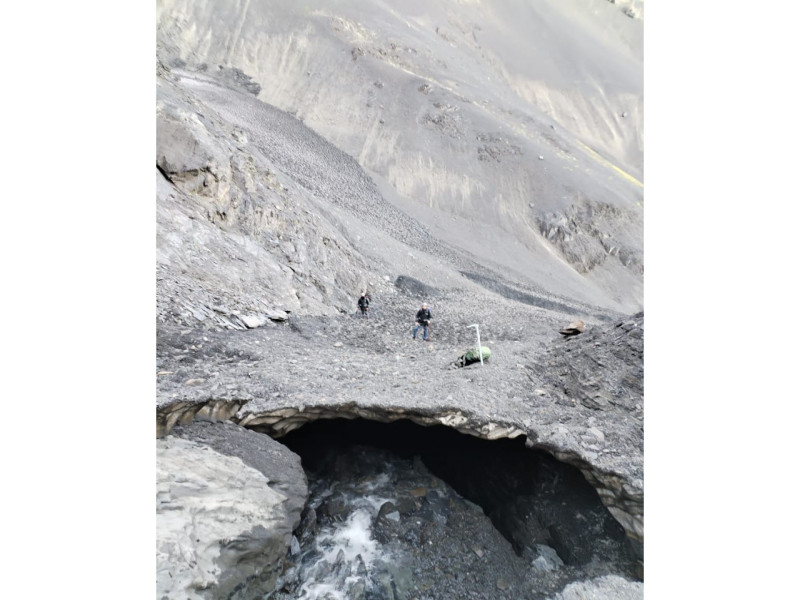
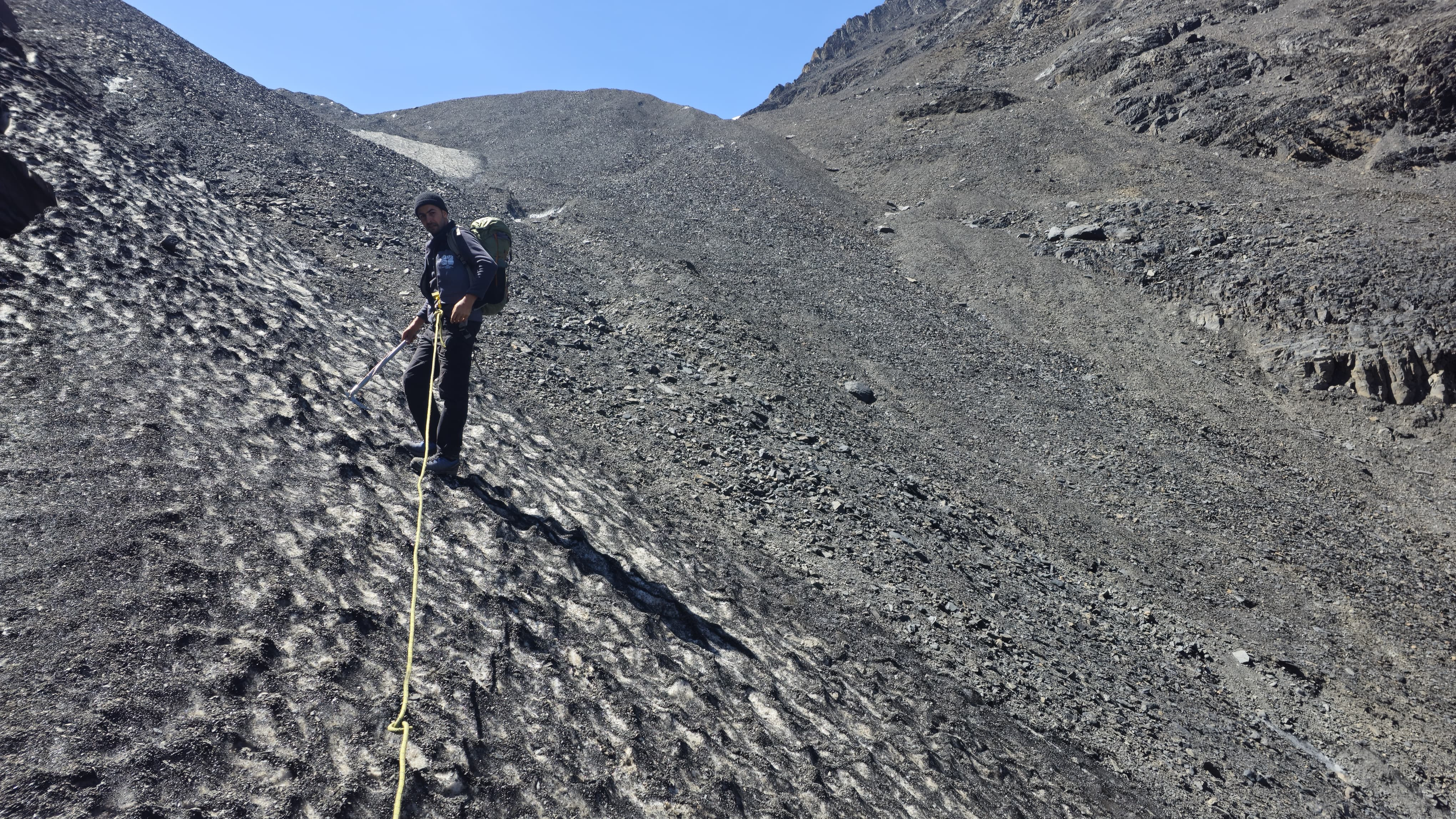
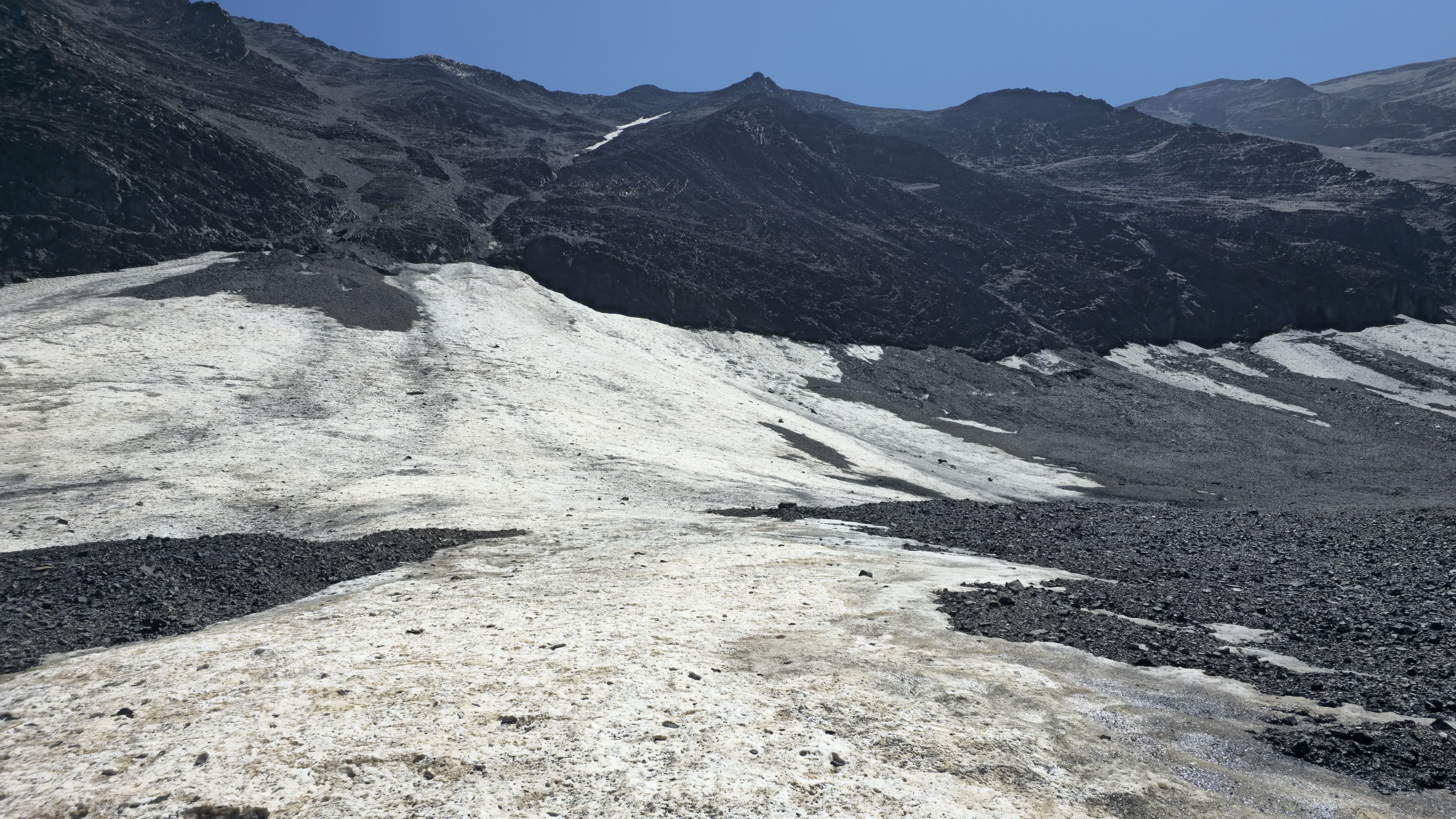
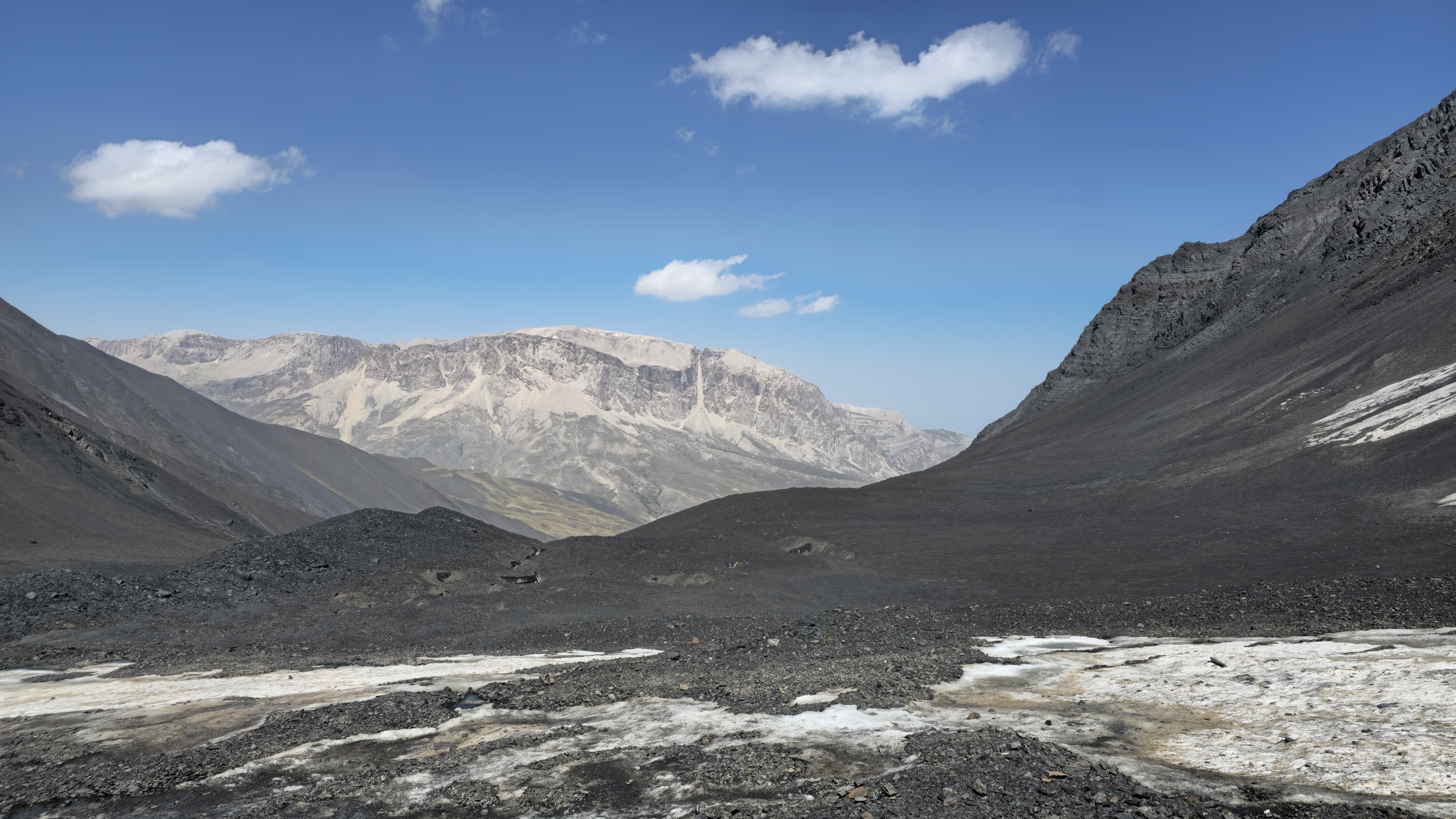
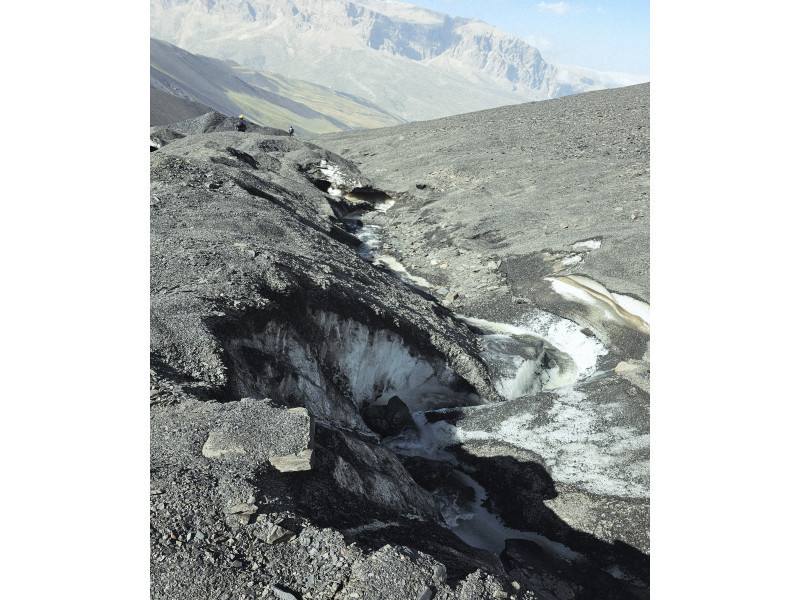
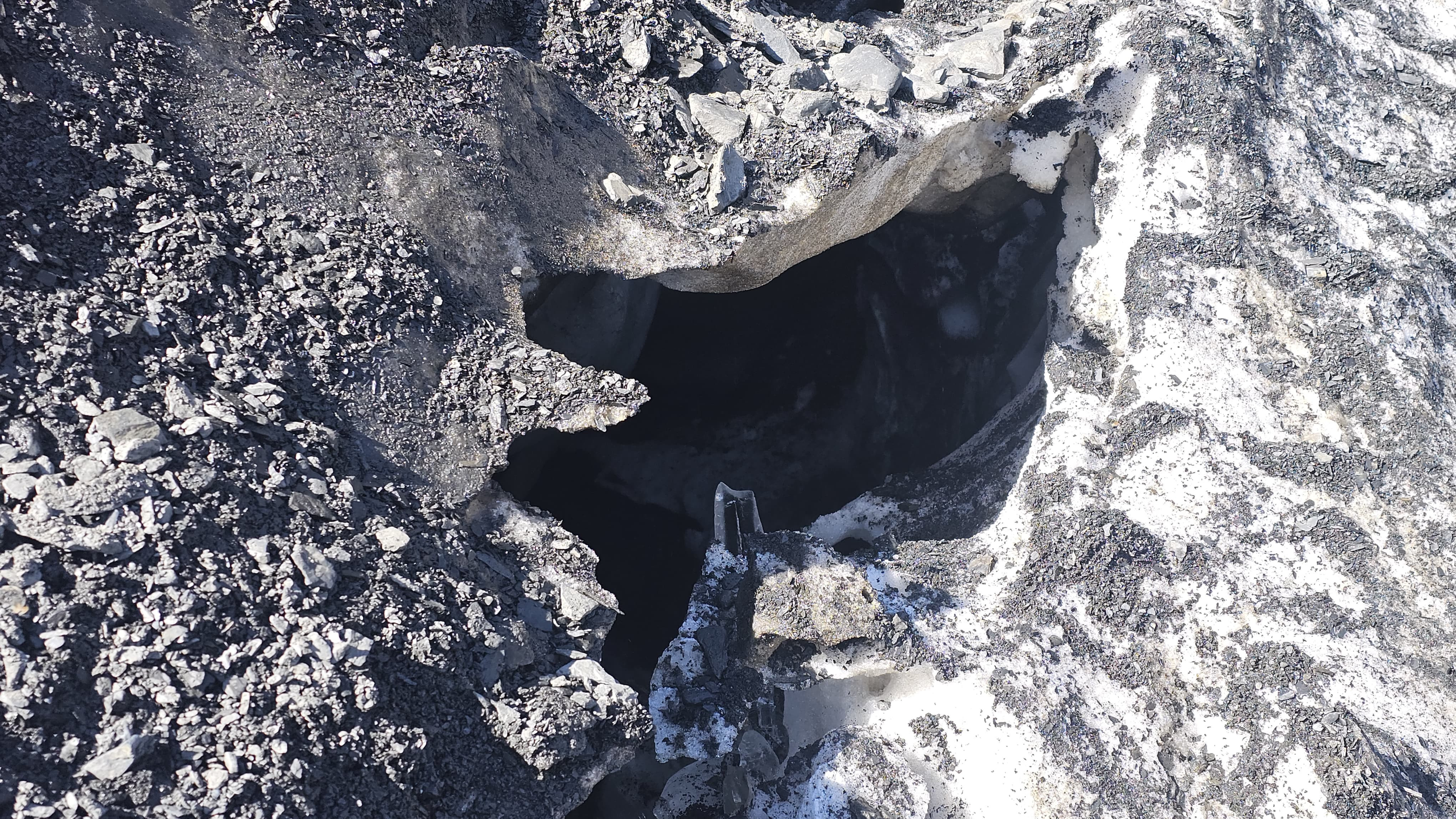
According to the information, during the research, the coordinates of the glaciers, their altitudes above sea level, exposition, and photographs (depictions of the valleys where the glaciers are located, their position according to slopes, general direction, descriptions of depth and steepness, cracks on the glacier surface relief, their direction and sizes, moraine cover on the glacier, the condition and structure of the glacier tongue, etc.) were taken.
As a result of the conducted research, both a decrease in the glacier's area and an acceleration of the melting process have been observed, along with an increase in the number of cracks formed on the glacier and the expansion of their sizes. Studies conducted at an altitude of 3500-3800 meters have determined that compared to previous years, there has been both a reduction in the glacier's area and a further acceleration of the melting process, an increase in the number and size of cracks on the glacier, and a rise in the water level and flow in the Mahmuddara River originating from the glacier tongue. This once again indicates that, as a result of global climate change, during anomalous heat periods, the sizes of cracks formed on the glacier expand and grow, while at the same time, during the melting process, the glacier tongue retreats upwards, leading to a decrease in its volume.
It should be noted that the Tufandag glacier is located to the north of the Tufan peak and is considered the largest glacier in the area. The glacier in the region tends to move northward under the influence of gravitational force and mostly remains in a suspended state. According to its morphological type, the Tufandag glaciers are cirque and hanging glaciers.


 Follow us on Telegram
 t.me/apanewsaz
 Follow us on Instagram
 Follow us on TikTok
 Follow us on Facebook
 Follow us on X