













Baku – APA. There’s probably just one thing anyone can say with certainty about the U.S. relationship with Pakistan: It won’t be getting any simpler any time soon, APA reports quoting “The Envoyâ€.
Today, for instance, Pakistani news outlets ratcheted up tensions between the two nations--which have been battered badly in the wake of the May 1 U.S. raid on the compound that quartered Osama bin Laden--by revealing the name of the alleged CIA station chief in Islamabad. In Washington, meanwhile, U.S. lawmakers issued a series of letters demanding more accountability for the billions of dollars in assistance the United States gives to Pakistan’s military.
Key lawmakers, including Sen. Robert Menendez (D-N.J.), a senior member of the Senate Foreign Relations Committee, and Rep. Howard Berman (D-Ca), the ranking Democrat on the House Foreign Affairs Committee, circulated the letters, which raise concerns about Pakistan’s commitment to fighting terrorism amid the call for stricter accountability and oversight on aid to the Pakistani military. The missives stop short of threatening an outright cut in U.S. assistance--another tacit reminder that however fraught things may be at the moment in the U.S.-Pakistan relationship, both parties are likely to be stuck with each other for awhile.
Noting the $20 billion in U.S. civilian and military assistance to Pakistan since 2001, Berman -- a key co-author of the Pakistan aid legislation -- wrote Secretary of State Hillary Clinton: "However, according to recent documents, ... certain elements of the Pakistani defense and intelligence establishments continue to provide direct and indirect support to groups that directly threaten the United States, Afghanistan and Pakistan’s own stability." Berman said he would like to engage the administration further on how to improve relations with Pakistan "while also ensuring accountability," he wrote.
"The discovery of Osama Bin Laden in a military town less than forty miles from the Pakistani capital of Islamabad indicates, at a minimum, a lack of commitment by the Pakistani government to aggressive cooperation with the United States," Sen. Menendez wrote in a separate letter to Clinton and Defense Secretary Bob Gates.
Menendez also questioned the scale of the current assistance package for Pakistan, noting that after Afghanistan, the country is the second largest recipient of U.S. assistance, including $4.7 billion in U.S. aid and reimbursements in fiscal 2010.
However, U.S. South Asia hands warned that while threatening Pakistan with an aid cut-off may make for good domestic political rhetoric in the United States, an actual aid pullback could have disastrous consequences for wider U.S. efforts in Afghanistan and the region.
"Cutting off [aid to] Pakistan would be a great strategy if killing [Osama bin Laden] was the [one] piece of business we had in South Asia," one U.S. official working on the issue told the Envoy, speaking on condition of anonymity, and with evident sarcasm and frustration. "Provided," he continued, "we are willing to wash off our hands of the Afghan war, and accept being cut-off from further access to counter-terrorism opportunities."
None of this means, of course, that either country is going to be happy with the status quo. White House National Security Adviser Tom Donilon also made the rounds on the Sunday TV news shows to discuss the pressure U.S. diplomats are now seeking to put on their Paksitani counterparts to gain access to bin Laden’s three widows, who are all reportedly in Pakistani custody.
These intrigues are all complicated by the Pakistani press’s outing of the name of the CIA station chief in Islamabad--information that the media in Pakistan presumably got from the Pakistani security services, annoyed at the U.S. unilateral action against bin Laden. (A former U.S. official told The Envoy on condition of anonymity, however, that the Pakistani media had misspelled the U.S. officer’s name slightly.)
This is the second time in five months the name of the alleged CIA station chief has been exposed in Pakistan. The U.S. pulled the last CIA station chief from Islamabad in December, after he received threats after he’d been named in a Pakistani court case--again, presumably, with a nod of approval from the Pakistani spy agency.
President Barack Obama struck a patient note as he recounted the ups and downs and complexities of joint U.S.-Pakistani counterterrorism efforts in his "60 Minutes" interview Sunday. But he, too, has taken some pointed--if somewhat indirect--swipes at the Pakistanis Monday for the station head’s public exposure. Without taking full aim at the Pakistanis, the White House nonetheless sent out a notice stressing its sunny relationship with India--Pakistan’s fiercely hated rival in the region.
"President Obama spoke with Indian Prime Minister Dr. Manmohan Singh this morning to discuss the successful American action against Osama Bin Laden and to review progress in implementing the initiatives launched during the President’s November 2010 visit to India," the White House said in a readout of an apparent Obama phone call with his Indian counterpart, Prime Minister Manmohan Singh.
"The two leaders re-affirmed their commitment to building a global, strategic partnership, including defense cooperation, and looked forward to the upcoming meetings of the Strategic Dialogue, the Homeland Security Dialogue, the Joint Space Working Group, and the High-Technology Cooperation Group," the statement continued. The readout didn’t note whether the two leaders complained about recent events in Pakistan--but then again, it really didn’t need to.


 Follow us on Telegram
 t.me/apanewsaz
 Follow us on Instagram
 Follow us on TikTok
 Follow us on Facebook
 Follow us on X
Incident
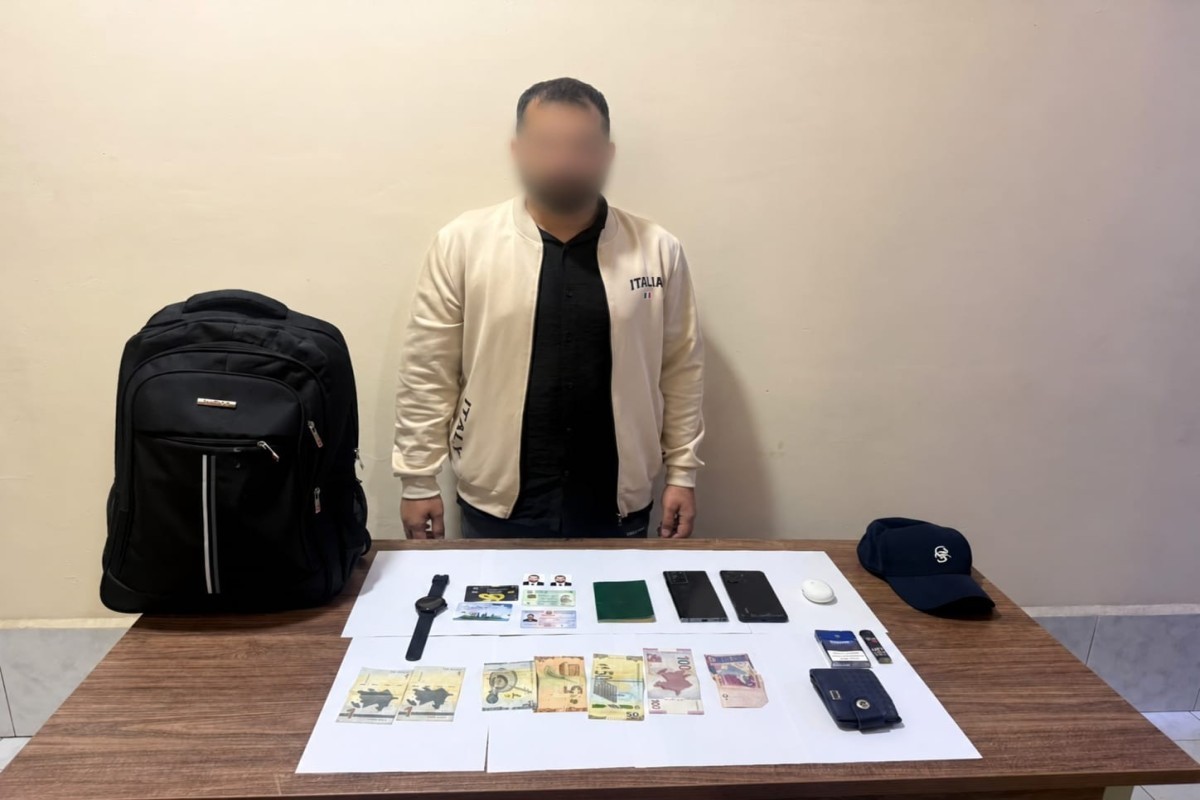
Pakistani citizen detained while attempting to cross Azerbaijan-Russia border illegally - PHOTO
 13:11
13:11
 20 October 2026
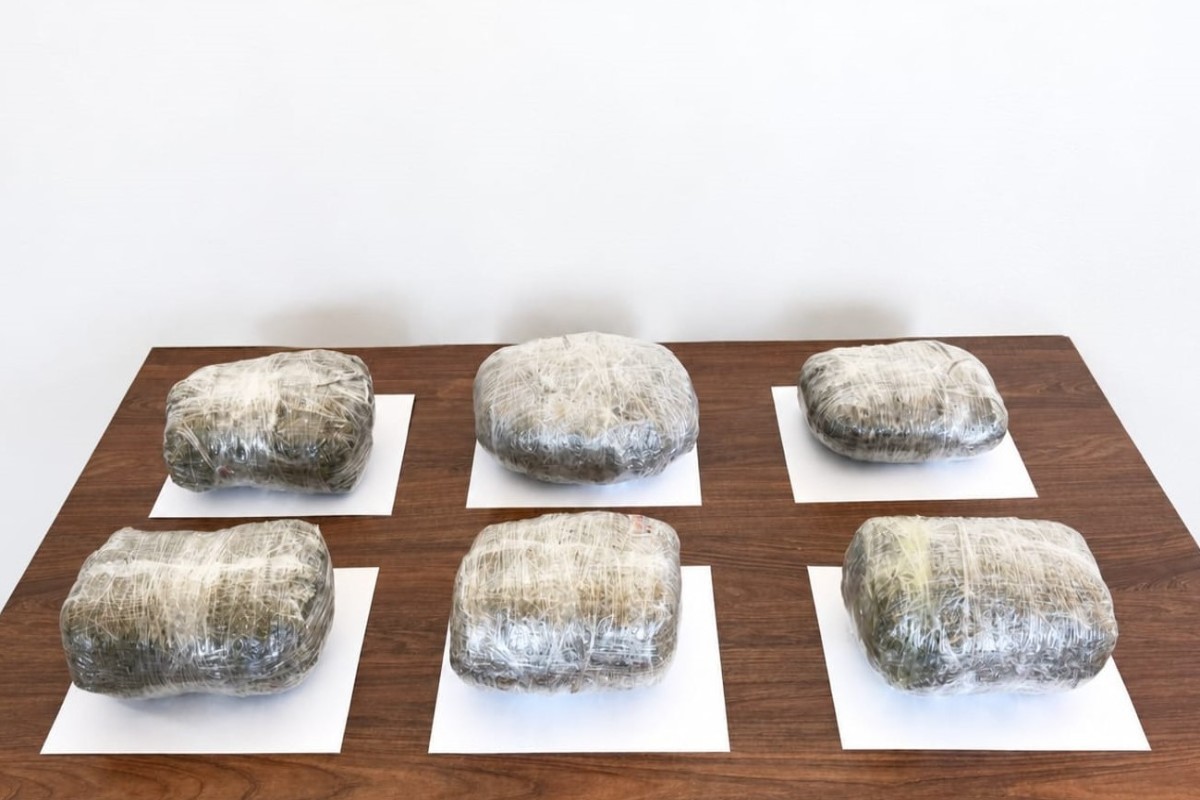
Drug smuggling from Iran into Azerbaijan prevented - PHOTO
11:23
20 October 2026

SWISS flight aircraft en route Zurich-Shanghai made emergency landing in Baku
20:45
19 October 2026
Seven people suspected of calling for violent seizure of power in Azerbaijan placed on international wanted list
18:28
19 October 2026

NEWS FEED
France extends partial curfews following protest violence
05:37
21 October 2026
Hegseth says Ukraine posture unchanged, but ‘our guys’ need interceptors too
03:26
21 October 2026
Iraq to close all border crossings with Iran gradually, starting Wednesday
02:23
21 October 2026
Trump says he has never discussed Vance’s potential 2028 presidential bid with him
01:51
21 October 2026
Barcelona suffered their first defeat of the season
01:21
21 October 2026
WSJ: Musk decided to restrict Ukraine's access to Starshield
00:50
21 October 2026
Fenerbahce throw away two-goal lead in 2-2 Champions League draw with Slavia Prague
00:35
21 October 2026
US to offer Putin meeting with Trump, Zelenskyy
00:18
21 October 2026
Qatar and Pakistan have offered to transfer interest on $6 billion to Iran
23:52
20 October 2026
Trump: Ukraine and Zelenskyy must strive to resolve the conflict
23:20
20 October 2026
IRGC Navy says supertanker exploded after hitting mine south of Hormuz
22:55
20 October 2026
UEFA Champions League: Germany’s Borussia Dortmund defeat Azerbaijan’s FC Sabah
22:39
20 October 2026
Witkoff’s plans to visit Russia on October 21 confirmed
22:36
20 October 2026
Iranian President: United States must lift pressure, threats and sanctions before any negotiations
22:32
20 October 2026
Ghalibaf rejects change in demands during talks with Pakistan army chief
22:03
20 October 2026
Russia ready to listen to US proposals, rules out political concessions — Lavrov
21:31
20 October 2026
Kallas claims that the US has been "pushing Ukraine toward capitulation" for 1.5 years
21:13
20 October 2026
Iran tells Munir it won't allow any enriched nuclear material to leave country
21:09
20 October 2026
Ambassador: Hungarian companies have invested USD 2 billion in Azerbaijan's economy
20:50
20 October 2026
Baku hosted event on the occasion of National Day of Hungary-PHOTO
20:42
20 October 2026
Day of Zangilan City celebrated in the city for first time -PHOTO-UPDATED
20:36
20 October 2026
Families of missing Azerbaijanis held protest in front of the European Parliament-PHOTO
20:28
20 October 2026
Turkish Presidency: Claims of attempt to lower Turkish flag in Azerbaijan are disinformation
19:53
20 October 2026
Kremlin considers Trump's actions a step toward Russia's victory over Ukraine
19:42
20 October 2026
Tanker violating regulations catches fire in southern corridor of Strait of Hormuz
19:07
20 October 2026
BP: Offshore construction work begins on Shah Deniz Compression project
18:51
20 October 2026
Azerbaijan urges citizens to avoid travel to France amid widespread unrest
18:31
20 October 2026
MAMA “Mother Nature” international art exhibition opens in Ashgabat - PHOTO
18:23
20 October 2026
Leyla Aliyeva visits Turkmen Carpet Museum in Ashgabat
18:21
20 October 2026
Katz: Hezbollah will be dealt a heavy blow if it joins Iran's attack on Israel
18:14
20 October 2026
Political consultations held between Azerbaijan and Croatia
18:14
20 October 2026
Azerbaijani parliament announces date and agenda of next session
18:06
20 October 2026
Zelenskyy: "Putin’s emergence from isolation has already begun"
17:45
20 October 2026
Zelenskyy says Ukraine may accept an alternative to NATO, but only under one condition
17:27
20 October 2026
TRIPP Fund director: US company acquires Armenia's second-largest copper mine
17:24
20 October 2026
Russia-Türkiye consultations held in Moscow
17:20
20 October 2026
UK to deploy Typhoon jets to help defend Saudi Arabia from Houthi attacks
17:10
20 October 2026
12 killed, 30 injured in bus-truck collision in Egypt
17:05
20 October 2026
Israel and Lebanon to hold ‘working level’ talks in Florida today, US official says
16:36
20 October 2026
Azerbaijani Parliament speaker addresses TURKPA meeting
16:29
20 October 2026
149 people sentenced to prison for participating in riots in France
16:25
20 October 2026
Moscow confirms dialogue with Washington on prisoner releases
16:23
20 October 2026
Moscow condemns US arrest warrant for Raul Castro
16:16
20 October 2026
Reuters: Witkoff travels to Norway for talks on Ukraine
16:13
20 October 2026
Memorandum of Understanding between Azerbaijan and UN approved
16:00
20 October 2026
Iran prolongs talks in stalemate to influence US midterms, officials say
15:57
20 October 2026
Ganja Memorial Complex established under Ministry of Culture
15:55
20 October 2026
Karabakh National Park established - ORDER
15:53
20 October 2026
Swedish ambassador meets with Hikmat Hajiyev
15:38
20 October 2026
Russia to increase penalties for calls for mass riots
15:34
20 October 2026


