












Baku – APA. Riots erupted Monday in cities across northern Nigeria as a spokesman for incumbent President Goodluck Jonathan said he would emerge the victor in Sunday’s presidential election, APA reports quoting CNN.
"He has won 25% in the necessary number of states and the majority vote -- he has satisfied the constitutional requirement to be president," said Ken Okolugbo, a member of the Goodluck Jonathan Campaign Council.
To avoid a runoff, Jonathan must get at least a quarter of the vote in two-thirds of the 36 states and the capital.
The Independent National Electoral Commission was posting on its website a running tally with results from 33 of the country’s 36 states and its capital showing Jonathan far ahead of his main challenger, Muhammadu Buhari.
Nigeria’s main opposition party, the Congress for Progressive Change, rejected the election results, alleging that would-be voters had been intimidated and driven away from polling stations and that ballot boxes were stuffed with votes for Jonathan.
But the Nigerian observer group Project 2011 Swift Count said Sunday that, based on reports from a random sample of 1,468 polling units, it found "the country citizens were generally provided with a meaningful opportunity to exercise their right to vote and that the process improved over the National Assembly elections held last week. These elections were not without problems -- in particular, isolated incidents of intimidation, violence, and illegal voting. But these incidents did not undermine the overall credibility of the process."
Nigeria Red Cross spokesman Seyi Soremekun said 101 people were injured in the outbreaks by thousands of people throughout the north -- including Kaduna city and Zaria, in Kaduna state, and Kano. A witness who asked not to be identified out of fear of reprisal said a church was set afire in Kaduna, about two hours north of Abuja, the nation’s capital.
A witness in Kaduna told CNN that a 24-hour curfew was imposed there.
In a statement, Jonathan noted "with great sadness" the news of unrest and called for calm.
"We must not allow for the loss of any life and as I have always said, no one’s political ambition is worth the blood of any Nigerian," he said.
Shehu Sani of the Civil Rights Congress said violence also erupted in Suleja, Niger state, where gunshots were heard, business owners shuttered their shops and military were on the streets. He described the scene as "pandemonium." Citing his sources there, he said there were reports of fatalities and injuries.
Sani said youths were targeting offices and officials of the ruling Peoples Democratic Party, and burned a house and a car belonging to an adviser to Vice President Namadi Sambo.
Jonathan’s strength was in the south; in streets of the northern cities, rioters shouted Buhari’s name.
National Emergency Management Agency spokesman Yushau Shuaib said that the protests "are neither religious nor sectional. Response and security agencies are responding swiftly to contain the situation."
On Sunday, riots occurred in Bauchi state, Adamawa state and Gombe state. A witness said tires were burned across Kano.
Nigerians voted Saturday for their president, a week after parliamentary elections were marred by violence and accusations of fraud in Africa’s most populous nation.
Jonathan is the front-runner despite a poor performance in those elections by his People’s Democratic Party. He is popular in the Christian and animist south.
The former vice president assumed office after President Umaru Yar’Adua died last year following treatment for a kidney ailment in Saudi Arabia.
Jonathan has led the nation of about 150 million people since May. About 73 million people were registered to vote.
His main challenger, Buhari, is a former military ruler and was a contestant in the 2003 and 2007 elections. He is the candidate for the Congress for Progressive Change and enjoys support from the mostly Muslim north.
Other candidates included Nuhu Ribadu and current Kano state Gov. Ibrahim Shekarau.
Saturday’s voting was largely peaceful, in contrast to the violence that characterized the country’s parliamentary elections on April 9. During that vote, separate bomb blasts ripped through a polling station and a collation center in northeastern Nigeria.
Human Rights Watch estimated that at least 85 people had been killed in political violence.
A new election chief promised free and fair elections, but the electoral commission earlier this year delayed planned elections by a week after logistical problems, including party logos missing from ballot papers, were reported nationwide.
Nigeria, Africa’s most populous country and its largest oil producer, is a major supplier of crude oil to the United States, and it hosts many Western oil companies and workers.
Nigerians voted April 9 for 360 House of Representatives seats and 109 Senate seats. A gubernatorial vote will be held on April 26.


 Follow us on Telegram
 t.me/apanewsaz
 Follow us on Instagram
 Follow us on TikTok
 Follow us on Facebook
 Follow us on X
Incident
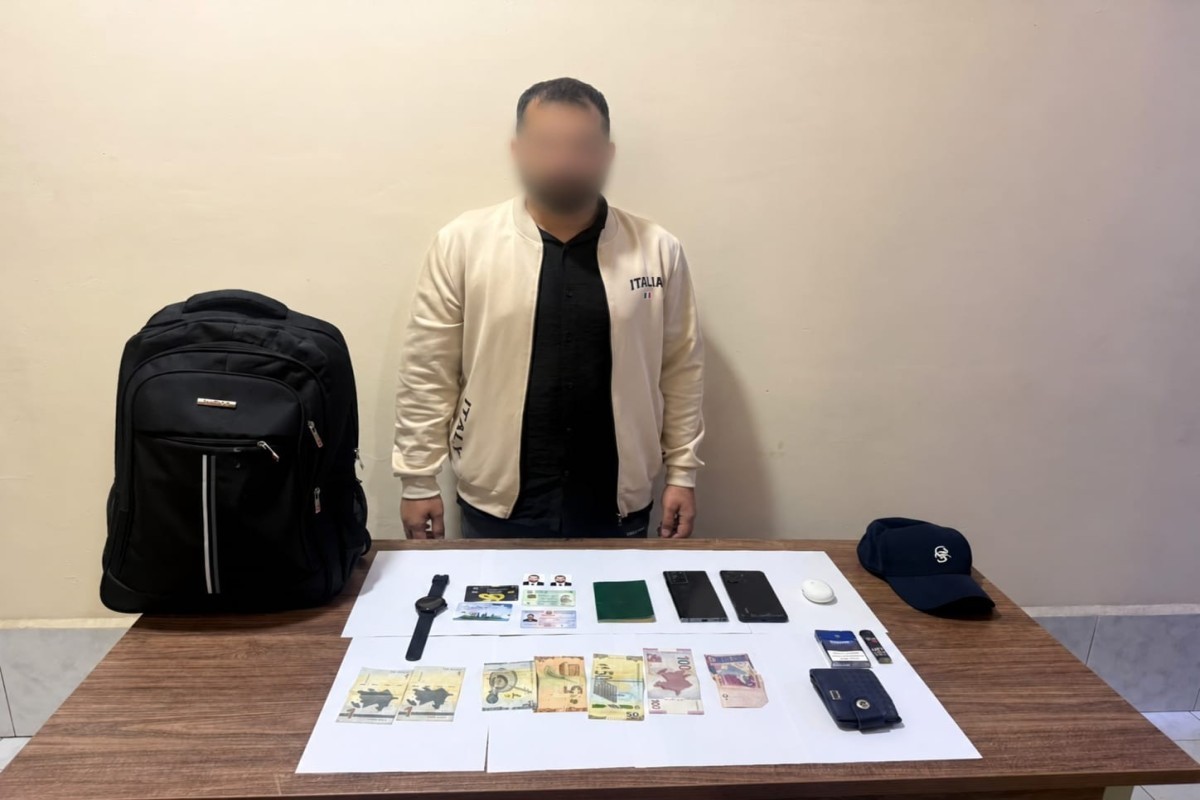
Pakistani citizen detained while attempting to cross Azerbaijan-Russia border illegally - PHOTO
 13:11
13:11
 20 October 2026
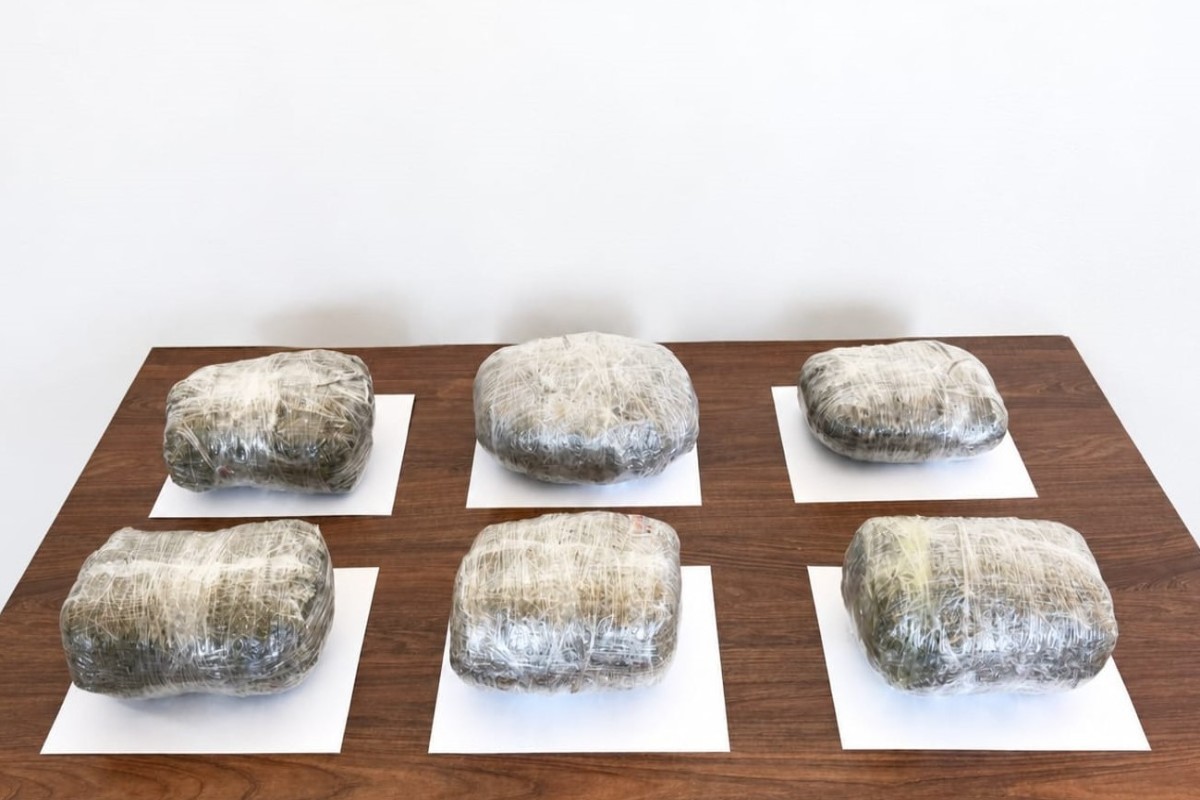
Drug smuggling from Iran into Azerbaijan prevented - PHOTO
11:23
20 October 2026
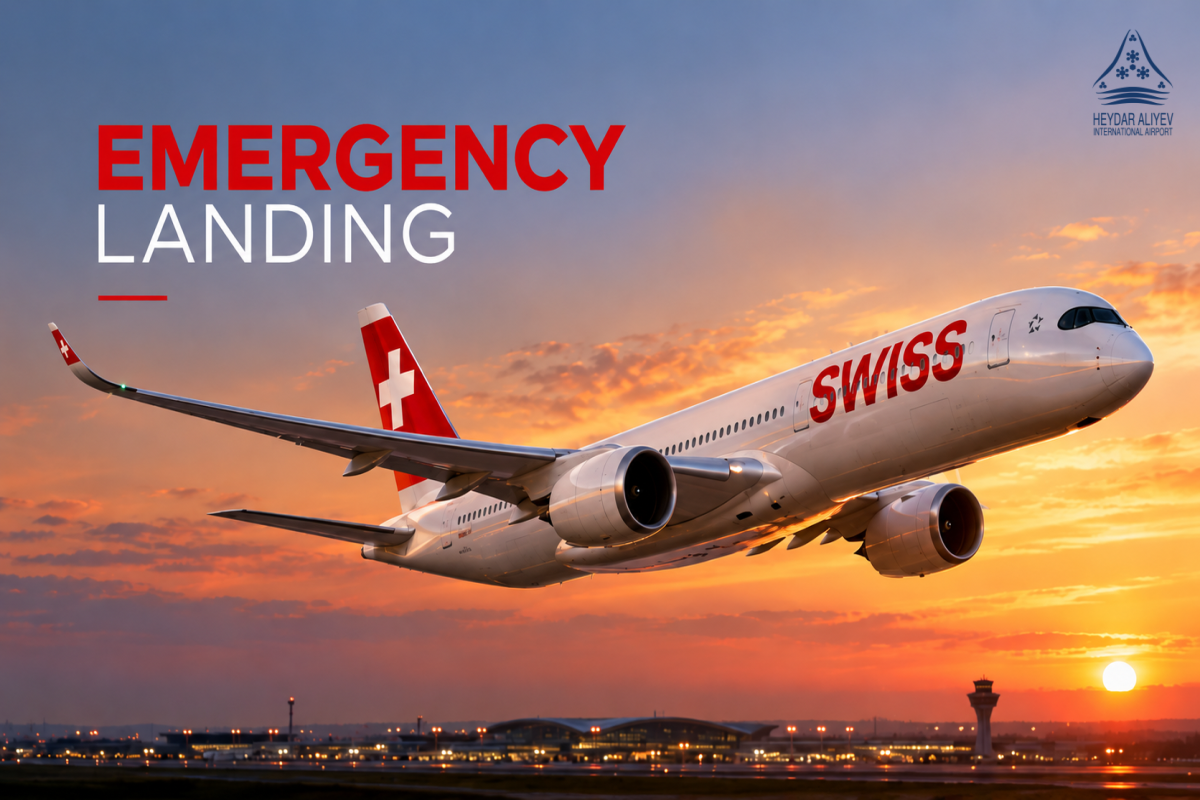
SWISS flight aircraft en route Zurich-Shanghai made emergency landing in Baku
20:45
19 October 2026
Seven people suspected of calling for violent seizure of power in Azerbaijan placed on international wanted list
18:28
19 October 2026

NEWS FEED
Trump says he has never discussed Vance’s potential 2028 presidential bid with him
01:51
21 October 2026
Barcelona suffered their first defeat of the season
01:21
21 October 2026
WSJ: Musk decided to restrict Ukraine's access to Starshield
00:50
21 October 2026
Fenerbahce throw away two-goal lead in 2-2 Champions League draw with Slavia Prague
00:35
21 October 2026
US to offer Putin meeting with Trump, Zelenskyy
00:18
21 October 2026
Qatar and Pakistan have offered to transfer interest on $6 billion to Iran
23:52
20 October 2026
Trump: Ukraine and Zelenskyy must strive to resolve the conflict
23:20
20 October 2026
IRGC Navy says supertanker exploded after hitting mine south of Hormuz
22:55
20 October 2026
UEFA Champions League: Germany’s Borussia Dortmund defeat Azerbaijan’s FC Sabah
22:39
20 October 2026
Witkoff’s plans to visit Russia on October 21 confirmed
22:36
20 October 2026
Iranian President: United States must lift pressure, threats and sanctions before any negotiations
22:32
20 October 2026
Ghalibaf rejects change in demands during talks with Pakistan army chief
22:03
20 October 2026
Russia ready to listen to US proposals, rules out political concessions — Lavrov
21:31
20 October 2026
Kallas claims that the US has been "pushing Ukraine toward capitulation" for 1.5 years
21:13
20 October 2026
Iran tells Munir it won't allow any enriched nuclear material to leave country
21:09
20 October 2026
Ambassador: Hungarian companies have invested USD 2 billion in Azerbaijan's economy
20:50
20 October 2026
Baku hosted event on the occasion of National Day of Hungary-PHOTO
20:42
20 October 2026
Day of Zangilan City celebrated in the city for first time -PHOTO-UPDATED
20:36
20 October 2026
Families of missing Azerbaijanis held protest in front of the European Parliament-PHOTO
20:28
20 October 2026
Turkish Presidency: Claims of attempt to lower Turkish flag in Azerbaijan are disinformation
19:53
20 October 2026
Kremlin considers Trump's actions a step toward Russia's victory over Ukraine
19:42
20 October 2026
Tanker violating regulations catches fire in southern corridor of Strait of Hormuz
19:07
20 October 2026
BP: Offshore construction work begins on Shah Deniz Compression project
18:51
20 October 2026
Azerbaijan urges citizens to avoid travel to France amid widespread unrest
18:31
20 October 2026
MAMA “Mother Nature” international art exhibition opens in Ashgabat - PHOTO
18:23
20 October 2026
Leyla Aliyeva visits Turkmen Carpet Museum in Ashgabat
18:21
20 October 2026
Katz: Hezbollah will be dealt a heavy blow if it joins Iran's attack on Israel
18:14
20 October 2026
Political consultations held between Azerbaijan and Croatia
18:14
20 October 2026
Azerbaijani parliament announces date and agenda of next session
18:06
20 October 2026
Zelenskyy: "Putin’s emergence from isolation has already begun"
17:45
20 October 2026
Zelenskyy says Ukraine may accept an alternative to NATO, but only under one condition
17:27
20 October 2026
TRIPP Fund director: US company acquires Armenia's second-largest copper mine
17:24
20 October 2026
Russia-Türkiye consultations held in Moscow
17:20
20 October 2026
UK to deploy Typhoon jets to help defend Saudi Arabia from Houthi attacks
17:10
20 October 2026
12 killed, 30 injured in bus-truck collision in Egypt
17:05
20 October 2026
Israel and Lebanon to hold ‘working level’ talks in Florida today, US official says
16:36
20 October 2026
Azerbaijani Parliament speaker addresses TURKPA meeting
16:29
20 October 2026
149 people sentenced to prison for participating in riots in France
16:25
20 October 2026
Moscow confirms dialogue with Washington on prisoner releases
16:23
20 October 2026
Moscow condemns US arrest warrant for Raul Castro
16:16
20 October 2026
Reuters: Witkoff travels to Norway for talks on Ukraine
16:13
20 October 2026
Memorandum of Understanding between Azerbaijan and UN approved
16:00
20 October 2026
Iran prolongs talks in stalemate to influence US midterms, officials say
15:57
20 October 2026
Ganja Memorial Complex established under Ministry of Culture
15:55
20 October 2026
Karabakh National Park established - ORDER
15:53
20 October 2026
Swedish ambassador meets with Hikmat Hajiyev
15:38
20 October 2026
Russia to increase penalties for calls for mass riots
15:34
20 October 2026
“Falcons Meet – 2026” exercise holds Distinguished Visitors’ Day - VIDEO
15:32
20 October 2026
Armenia could lose more than half of remittances from Russia
15:22
20 October 2026
Armenia's trade turnover with EAEU countries could fall by 55.6% if membership is suspended
15:13
20 October 2026


