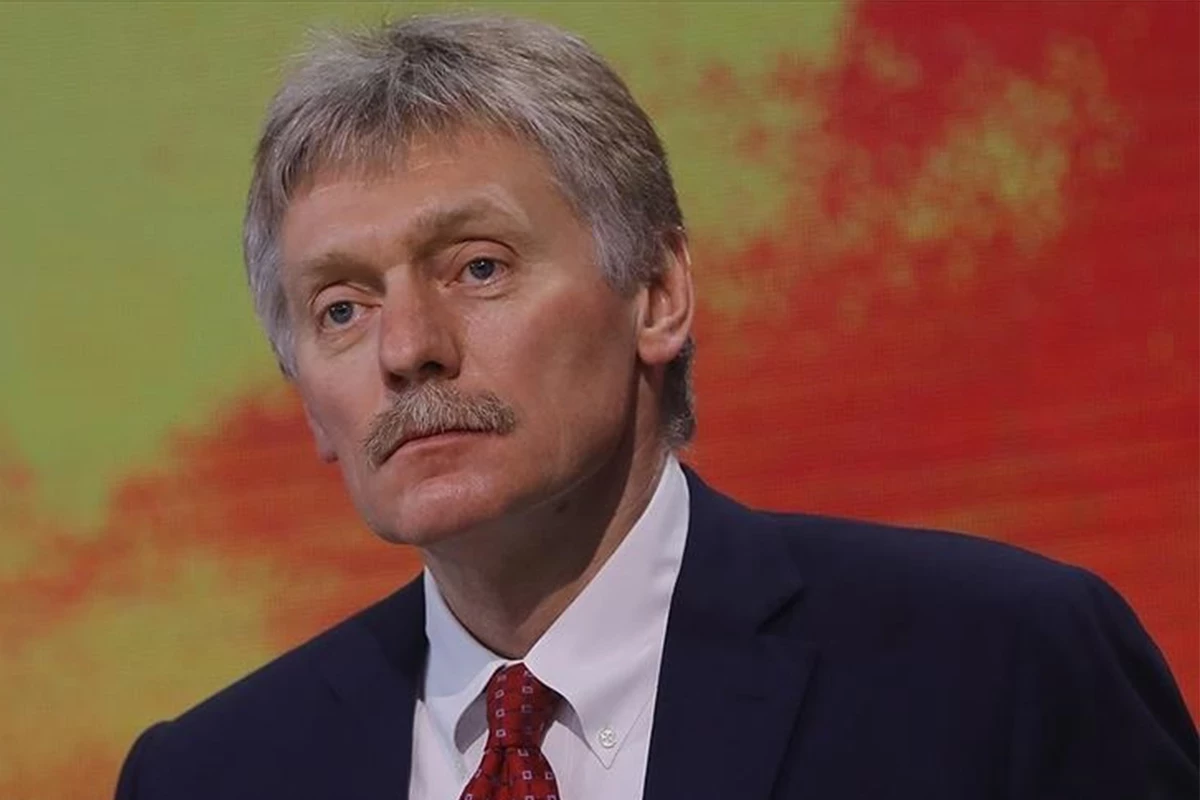
“It is important that the draft statement of the presidents prepared for the summit contains a provision stipulating the inadmissibility of the military presence in the Caspian Sea of states, which are not from the region,” he said.
According to him, the political statement is expected to be finalized by the foreign ministers of the participating countries in Astrakhan on September 28
The presidential aide said the key issue is the determination of the legal status of the Caspian Sea.
“As a result of the works done by experts, it was possible to reflect the agreed clauses on the delimitation of the water area. There will be two fixed zones: a zone of state sovereignty and a zone with exclusive fishing rights. These two zones will be 25 nautical miles,” he said.
Ushakov said there is significant progress in the development of the convention on the legal status of the Caspian Sea, and if the work is done properly in Astrakhan, the document might be signed at the next summit to be hosted by Kazakhstan.
Note that, along with the discussion of issues on the legal status of the Caspian Sea, the summit’s agenda also includes the discussion of bilateral relations in the areas of security, economy, transport, and ecology. The presidential aide said exploitation of hydrocarbon resources in the Caspian Sea is among the issues to be discussed: “This matter as well as the issue of the construction of a pipeline will be discussed during the summit. The consensus regarding the construction mode of the trans-Caspian pipelines was not found. So this issue will be discussed, too.”
Three intergovernmental agreements—an agreement on cooperation in preventing and eliminating the aftermath of emergencies in the Caspian Sea area, an agreement on the conservation and rational uses of water biological resources of the Caspian Sea, and a cooperation agreement on hydrometeorology in the Caspian Sea are—are expected to be signed at the summit.


 Follow us on Telegram
 t.me/apanewsaz
 Follow us on Instagram
 Follow us on TikTok
 Follow us on Facebook
 Follow us on X